

Anaemia Symptoms
Health symptoms can sometimes be easy to ignore, but they may also be a sign that medical attention is needed. Knowing the possible causes, related signs, and when to seek care can help people make better health decisions.
Unexpected medical expenses can arise from consultations, tests, or treatment, making health insurance an important part of financial preparedness. Readers can fill out the form below with their name and phone number to get a health insurance quote.
Personalized Coverage
Cashless Hospitals
Quick and Easy Claims
24/7 Customer Service
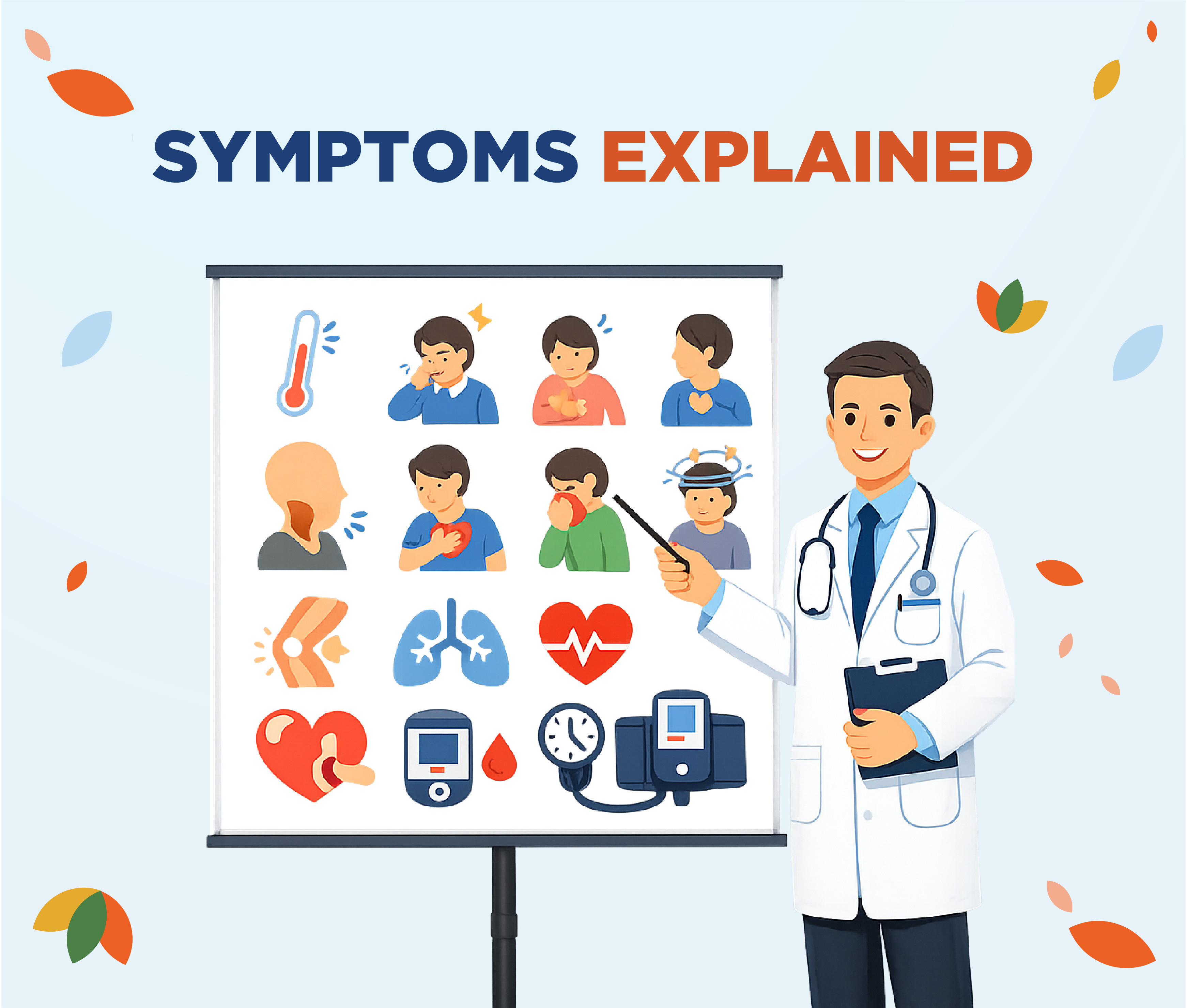
Symptoms of Anaemia can significantly impact an individual's quality of life. Common anaemia symptoms include fatigue, weakness, and pale skin, which often signal an underlying health issue that requires prompt attention and management.
Top 20 Symptoms of Anaemia
- Fatigue and weakness
- Pale or yellowish skin
- Shortness of breath during physical activity
- Dizziness or lightheadedness
- Cold hands and feet
- Irregular heartbeats
- Chest pain
- Headaches
- Brittle nails
- Cravings for non-nutritive substances (pica)
- Difficulty concentrating
- Restless legs syndrome
- Unusual weight loss
- Spinning sensation or vertigo
- Frequent infections
- Swelling or soreness of the tongue
- Anaemia symptoms may vary depending on the underlying cause
- Decreased exercise tolerance
- Ringing in the ears (tinnitus)
- Feeling faint or fainting spells
What is Anaemia?
Anaemia is a medical condition characterized by a deficiency of red blood cells or hemoglobin in the blood, leading to reduced oxygen transport throughout the body. This condition can result from various factors, including nutritional deficiencies, chronic diseases, or genetic disorders. Common anaemia symptoms include fatigue, weakness, pale skin, and shortness of breath, which can significantly impact daily activities and overall quality of life. Early diagnosis and appropriate treatment are essential to manage anaemia effectively and alleviate its symptoms. Understanding the causes and manifestations of anaemia is crucial for promoting better health and preventing complications associated with this condition.
How Common is Anaemia
- Anaemia affects approximately 1.62 billion people globally, making it a significant health issue.
- It is estimated that about 25% of the world's population suffers from some form of anaemia.
- The prevalence of anaemia is particularly high among pregnant women, affecting up to 50% in some regions.
- Children under the age of five are also at a higher risk, with rates of anaemia exceeding 47% in certain developing countries.
- In low-income countries, the prevalence of anaemia can be as high as 60% among vulnerable populations.
- The World Health Organization estimates that iron deficiency is the most common cause of anaemia worldwide.
- Anaemia is more prevalent in women of reproductive age due to menstruation and pregnancy-related factors.
- Certain chronic diseases, such as kidney disease and cancer, can significantly increase the risk of developing anaemia.
- Geographical and socio-economic factors play a crucial role in the varying prevalence rates of anaemia.
- Public health initiatives focusing on nutrition and education can help reduce the incidence of anaemia globally.
What are the Causes and Risk Factors of Anaemia?
| Factor / Cause | Description |
|---|---|
| Iron Deficiency | The most common cause, resulting from insufficient iron intake, absorption, or loss. |
| Vitamin B12 Deficiency | Occurs when the body lacks sufficient vitamin B12, often due to dietary insufficiency or absorption issues. |
| Folate Deficiency | Low levels of folate can lead to megaloblastic anemia, often due to inadequate dietary intake. |
| Chronic Diseases | Conditions such as cancer, rheumatoid arthritis, and chronic kidney disease can interfere with red blood cell production. |
| Genetic Disorders | Inherited conditions like sickle cell anemia and thalassemia affect hemoglobin production and red blood cell function. |
| Blood Loss | Acute or chronic blood loss from injuries, menstrual periods, or gastrointestinal bleeding can result in anemia. |
| Bone Marrow Disorders | Conditions affecting the bone marrow, such as aplastic anemia, can hinder red blood cell production. |
| Dietary Deficiencies | Insufficient intake of essential nutrients, including iron, vitamin B12, and folate, contributes to anemia. |
| Pregnancy | Increased iron and nutrient demands during pregnancy can lead to anemia if not properly managed. |
| Medications | Certain drugs can interfere with red blood cell production or lead to blood loss, contributing to anemia. |
What are the Signs and Symptoms of Anaemia?
Anaemia symptoms can vary depending on the severity and underlying cause of the condition. Common signs include fatigue, weakness, and pallor, as the body lacks sufficient red blood cells to transport oxygen effectively. Individuals may also experience shortness of breath, dizziness, or a rapid heartbeat, especially during physical activity. In some cases, headaches and cold hands or feet can occur. It's essential to recognize these symptoms early, as untreated anaemia can lead to more serious health issues. If you suspect you have anaemia, consulting a healthcare professional for proper diagnosis and treatment is crucial.
Early-Stage Symptoms of Anaemia
Early-stage symptoms of anaemia can often be subtle and easily overlooked. Individuals may experience fatigue, weakness, and pale skin, which are common indicators of reduced red blood cell counts. Other anaemia symptoms include shortness of breath during physical activity, dizziness, and cold hands or feet. These signs arise as the body struggles to transport adequate oxygen to tissues and organs. Recognizing these early symptoms is crucial for timely diagnosis and treatment, as untreated anaemia can lead to more severe health complications. If you notice any of these symptoms, consulting a healthcare professional is essential for proper evaluation and management.
Advanced Symptoms of Anaemia
Advanced symptoms of anaemia can significantly impact an individual's quality of life and may indicate a more severe underlying condition. While common anaemia symptoms include fatigue and pallor, advanced cases may present with shortness of breath, dizziness, and a rapid heartbeat. Additionally, patients may experience cold hands and feet, brittle nails, and cognitive difficulties. In severe instances, chest pain or angina may occur, requiring immediate medical attention. It is essential to recognize these advanced symptoms of anaemia early to facilitate timely diagnosis and treatment, ultimately preventing complications and enhancing overall health.
Symptoms of Anaemia in Male
Anemia symptoms in males can vary but often include fatigue, weakness, and pale skin. Men may also experience shortness of breath during physical activity, dizziness, or lightheadedness, particularly when standing up quickly. Other common indicators include a rapid heartbeat and cold hands or feet. Some males may notice changes in their cognitive function, such as difficulty concentrating. It's important to recognize these symptoms early, as untreated anemia can lead to more severe health issues. If you are experiencing any of these anemia symptoms, consulting a healthcare professional for proper diagnosis and treatment is essential.
Symptoms of Anaemia in Female
Anaemia symptoms in females can vary widely, but common signs include fatigue, weakness, and pale skin. Women may also experience shortness of breath, especially during physical activity, and an increased heart rate. Other symptoms can include dizziness, headaches, and cold hands or feet, which are often linked to reduced oxygen supply in the body. In some cases, females may also notice brittle nails and unusual cravings for non-food items, known as pica. Recognizing these anaemia symptoms early is crucial for effective management and treatment, ensuring a better quality of life and overall health.
How is Anaemia Diagnosed?
- Complete Blood Count (CBC) test to measure hemoglobin levels.
- Reticulocyte count to evaluate bone marrow response.
- Peripheral blood smear to assess red blood cell morphology.
- Iron studies, including serum iron, ferritin, and total iron-binding capacity.
- Vitamin B12 and folate levels to check for deficiencies.
- Bone marrow biopsy in cases of unexplained anemia.
- Blood tests for chronic diseases and inflammatory markers.
- Hemoglobin electrophoresis to identify abnormal hemoglobin variants.
- Stool tests for hidden blood in cases of gastrointestinal bleeding.
- Genetic testing if hereditary anemia is suspected.
What are the Reversal Strategies for Anaemia?
Reversal strategies for anaemia focus on addressing the underlying causes and alleviating anaemia symptoms. Nutritional interventions, such as increasing iron-rich foods like leafy greens, red meat, and legumes, play a crucial role in boosting hemoglobin levels. Additionally, supplementation with vitamin B12 and folic acid can help improve red blood cell production. For individuals with chronic conditions, managing the primary disease is vital to reversing anaemia. Regular monitoring and healthcare consultations ensure that treatment plans are effective, helping individuals regain their vitality and reduce fatigue, weakness, and other common anaemia symptoms.
FAQs on Anaemia
What is anaemia?
Anaemia is a condition characterized by a deficiency of red blood cells or hemoglobin in the blood, leading to reduced oxygen transport. It can cause fatigue, weakness, and pale skin. Various factors, including nutritional deficiencies and chronic diseases, can contribute to its development.
What are the common symptoms of anaemia?
Common symptoms of anaemia include fatigue, weakness, pale or sallow skin, shortness of breath, and dizziness. Some individuals may also experience headaches, cold hands and feet, or heart palpitations. Symptoms can vary based on the severity and underlying cause of the condition.
What causes anaemia?
Anaemia can be caused by various factors, including iron deficiency, vitamin B12 deficiency, chronic diseases, blood loss, and bone marrow disorders. Nutritional deficiencies and conditions that affect red blood cell production or lifespan are common contributors to this condition.
How is anaemia diagnosed?
Anaemia is diagnosed through blood tests that measure hemoglobin levels, red blood cell counts, and other related indices. A healthcare provider may also review medical history, symptoms, and conduct additional tests to determine the underlying cause of anaemia.
What treatments are available for anaemia?
Treatment for anaemia depends on its cause. Options may include iron supplements, vitamin B12 injections, dietary changes, or medications to address underlying conditions. In severe cases, blood transfusions or other interventions may be necessary to restore healthy blood levels.
Disclaimer: The information provided about Anaemia Symptoms is intended for general educational and informational purposes only. It should not be considered medical advice or used as a substitute for consultation with a qualified healthcare professional. Symptoms may differ from person to person and can be linked to a variety of medical conditions. This content is not intended for self-diagnosis or treatment. If you notice ongoing, severe, or unusual symptoms related to Anaemia, it is important to seek guidance from a licensed medical professional for proper diagnosis and care.