

Arrhythmia Symptoms
Health symptoms can sometimes be easy to ignore, but they may also be a sign that medical attention is needed. Knowing the possible causes, related signs, and when to seek care can help people make better health decisions.
Unexpected medical expenses can arise from consultations, tests, or treatment, making health insurance an important part of financial preparedness. Readers can fill out the form below with their name and phone number to get a health insurance quote.
Personalized Coverage
Cashless Hospitals
Quick and Easy Claims
24/7 Customer Service
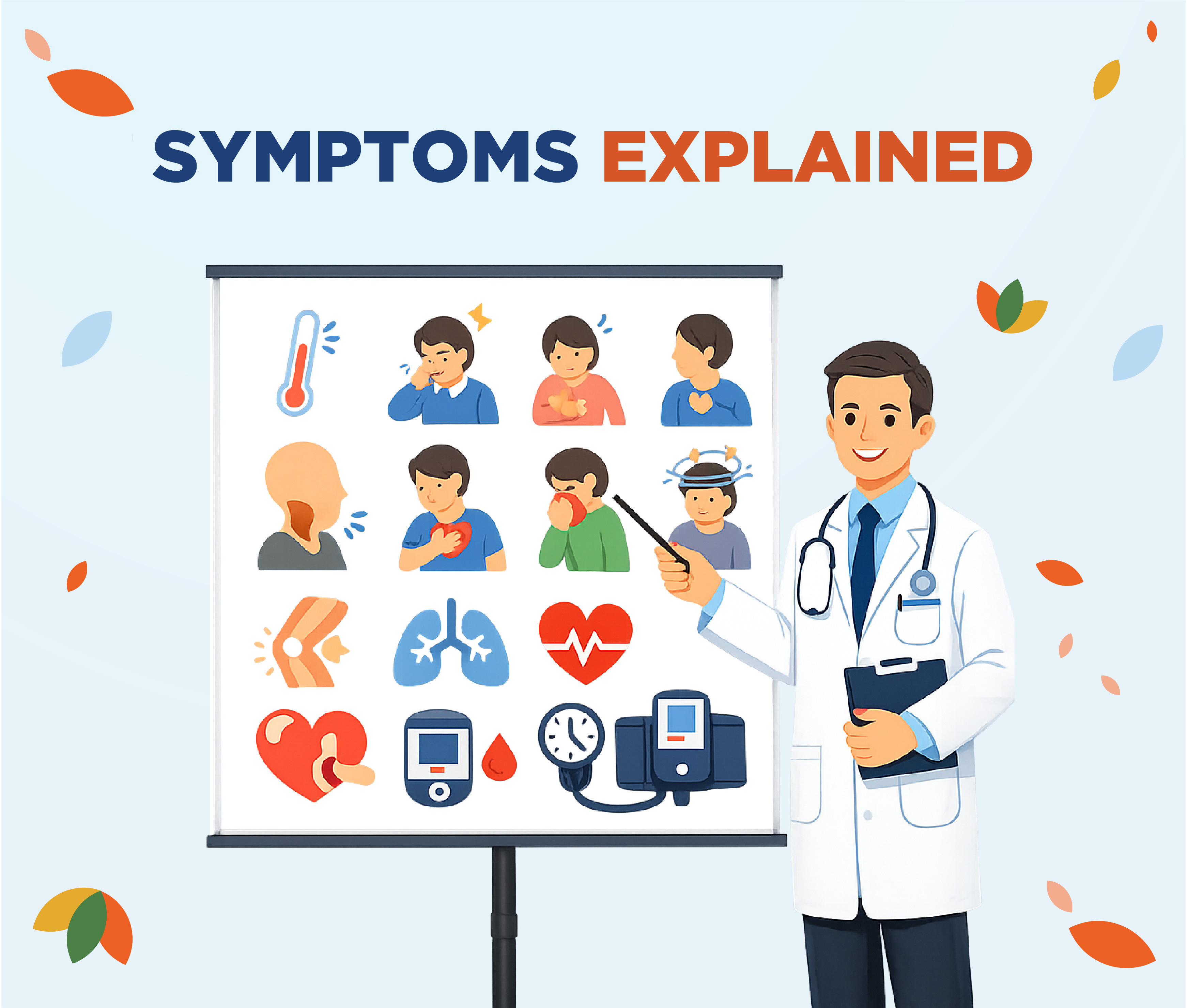
Symptoms of Arrhythmia can vary widely, affecting individuals differently. Recognizing the common Arrhythmia symptoms is crucial for timely diagnosis and treatment, as they may indicate underlying heart conditions that require medical attention.
Top 20 Symptoms of Arrhythmia
- Irregular heartbeat or palpitations
- Feeling faint or dizzy
- Shortness of breath during rest or activity
- Chest pain or discomfort
- Fatigue or weakness
- Fluttering sensation in the chest
- Rapid heartbeat or tachycardia
- Slow heartbeat or bradycardia
- Lightheadedness, especially when standing up
- Difficulty concentrating or confusion
- Swelling in the legs, ankles, or feet
- Increased frequency of urination at night
- Cold sweat or clammy skin
- Feeling a sense of impending doom
- Arrhythmia symptoms may worsen with stress or anxiety
- Heart murmurs or abnormal heart sounds
- Changes in exercise tolerance
- Persistent cough or wheezing
- Chest tightness or pressure
- Difficulty sleeping due to heart rhythm changes
- Frequent episodes of fainting or near-fainting
What is Arrhythmia?
Arrhythmia is a condition characterized by irregular heartbeats, which can occur as a rapid, slow, or erratic rhythm. This disruption in the heart's electrical signals can lead to various health issues, affecting the heart's ability to pump blood effectively. Common arrhythmia symptoms include palpitations, dizziness, shortness of breath, and even chest pain. While some people may not experience noticeable symptoms, others may require medical intervention to manage their condition. Understanding arrhythmia is crucial for early detection and treatment, ensuring that individuals maintain optimal heart health and reduce the risk of complications associated with this disorder.
How Common is Arrhythmia
- Arrhythmias are relatively common, affecting millions of people worldwide.
- It is estimated that around 2-3 million people in the United States have atrial fibrillation, a common type of arrhythmia.
- Age is a significant risk factor; the prevalence of arrhythmias increases with age.
- Approximately 10% of individuals over the age of 80 are affected by some form of arrhythmia.
- Arrhythmias can occur in individuals with and without underlying heart disease.
- Certain risk factors, such as hypertension and diabetes, are associated with higher arrhythmia prevalence.
- Some studies suggest that up to 50% of patients with heart failure may experience arrhythmias.
- Men are generally at a higher risk of developing arrhythmias compared to women.
- Arrhythmias can also occur in younger individuals, particularly athletes, due to intense physical training.
- Regular screening and monitoring can help identify arrhythmias early, improving management and outcomes.
What are the Causes and Risk Factors of Arrhythmia?
| Factor / Cause | Description |
|---|---|
| Coronary Artery Disease | Narrowing of the arteries supplying blood to the heart, which can lead to arrhythmias due to reduced oxygen supply. |
| Heart Attack | Damage to heart tissue from a heart attack can disrupt the electrical signals in the heart, leading to arrhythmias. |
| Heart Valve Disorders | Abnormalities of the heart valves can affect blood flow through the heart, increasing the risk of arrhythmias. |
| High Blood Pressure | Hypertension can cause the heart to enlarge or weaken, affecting its electrical system and leading to arrhythmias. |
| Electrolyte Imbalances | Imbalances in potassium, sodium, calcium, and magnesium levels can disrupt the heart's electrical activity, causing arrhythmias. |
| Thyroid Disorders | Hyperthyroidism or hypothyroidism can influence heart rate and rhythm, contributing to arrhythmias. |
| Excessive Alcohol Consumption | Heavy drinking can lead to changes in heart structure and function, increasing the likelihood of arrhythmias. |
| Stimulant Use | Substances like caffeine, nicotine, and certain drugs can stimulate the heart and provoke arrhythmias. |
| Genetic Factors | Inherited conditions affecting the heart's electrical system can predispose individuals to arrhythmias. |
| Heart Surgery | Previous heart surgery can lead to scarring and changes in the heart's electrical pathways, resulting in arrhythmias. |
What are the Signs and Symptoms of Arrhythmia?
Arrhythmia symptoms can vary widely, depending on the type and severity of the condition. Common signs include palpitations, which may feel like fluttering or a racing heart, and dizziness or lightheadedness. Some individuals may experience shortness of breath or chest discomfort, while others might faint or feel unusually fatigued. In more serious cases, arrhythmias can lead to complications such as stroke or heart failure. It is essential to recognize these symptoms early, as timely medical intervention can significantly improve outcomes and quality of life for those affected by arrhythmias.
Early-Stage Symptoms of Arrhythmia
Early-stage symptoms of arrhythmia can vary significantly among individuals, but common signs include palpitations, which may feel like a racing or fluttering heartbeat. Some people may also experience dizziness or lightheadedness, particularly during physical activities. Fatigue and shortness of breath are other prevalent arrhythmia symptoms that can occur, sometimes leading to fainting spells. These symptoms may be mild or sporadic, but it's essential to pay attention to them, as they could indicate an underlying heart condition. If you notice these early signs, consult a healthcare professional for proper evaluation and potential management.
Advanced Symptoms of Arrhythmia
Advanced symptoms of arrhythmia can significantly impact an individual's quality of life. Patients may experience palpitations, a sensation of fluttering or racing heartbeats, which can be alarming. Additionally, they might suffer from dizziness or lightheadedness, sometimes leading to fainting spells. Shortness of breath and chest pain are also common arrhythmia symptoms that require immediate medical attention. In some cases, individuals may feel unusually fatigued or weak, even after minimal exertion. Recognizing these advanced symptoms is crucial for timely diagnosis and treatment, helping to prevent potential complications associated with this heart condition.
Symptoms of Arrhythmia in Male
Arrhythmia symptoms in males can vary widely, making it essential to recognize them early. Common signs include palpitations, where one may feel fluttering or a racing heart, and dizziness or lightheadedness, which can lead to fainting in severe cases. Chest pain or discomfort is also a critical symptom that should not be ignored, as it can indicate underlying heart issues. Additionally, some men may experience shortness of breath, especially during physical activity. If any of these arrhythmia symptoms are present, it is crucial to seek medical attention to determine the underlying cause and receive appropriate treatment.
Symptoms of Arrhythmia in Female
Arrhythmia symptoms in females can vary significantly, often presenting unique challenges. Common indications include palpitations, where individuals may feel an irregular heartbeat or a racing heart. Some may experience dizziness or lightheadedness, especially during episodes of rapid heart rate. Fatigue is another frequently reported symptom, which can be misattributed to stress or other conditions. Additionally, women may report chest discomfort or shortness of breath during physical activity. It's crucial for females experiencing these arrhythmia symptoms to seek medical evaluation, as they can indicate underlying heart issues that require attention and management.
How is Arrhythmia Diagnosed?
- Patient medical history assessment to identify symptoms and risk factors.
- Physical examination to check heart rate and rhythm.
- Electrocardiogram (ECG or EKG) to record the electrical activity of the heart.
- Holter monitor test for continuous heart rhythm monitoring over 24-48 hours.
- Event monitor to capture heart activity during symptomatic periods.
- Echocardiogram to visualize heart structure and function using ultrasound.
- Stress test to evaluate heart performance under physical exertion.
- Blood tests to check for electrolyte imbalances and thyroid function.
- Chest X-ray to assess heart size and check for fluid in the lungs.
- Electrophysiological study to map electrical signals in the heart for precise diagnosis.
What are the Reversal Strategies for Arrhythmia?
Reversal strategies of arrhythmia focus on restoring normal heart rhythm and alleviating associated discomfort. These strategies often involve a combination of lifestyle modifications, medications, and medical procedures. Patients may be advised to avoid triggers such as caffeine or stress, which can exacerbate arrhythmia symptoms. Antiarrhythmic medications are frequently prescribed to help stabilize the heart's electrical activity. In more severe cases, procedures like catheter ablation or the implantation of a pacemaker may be recommended. By addressing the underlying causes and implementing these strategies, patients can significantly reduce the frequency and severity of their arrhythmia symptoms, leading to improved overall heart health.
FAQs on Arrhythmia
What is arrhythmia?
Arrhythmia is a condition characterized by irregular heartbeats, which can manifest as a racing heart, slow heart rate, or skipped beats. It occurs when the electrical impulses that control the heartbeat function abnormally, leading to various types of heart rhythm disturbances.
What are the symptoms of arrhythmia?
Common symptoms of arrhythmia include palpitations, dizziness, shortness of breath, chest pain, and fatigue. Some individuals may experience no symptoms at all, while others may have severe reactions. It's essential to consult a healthcare professional for an accurate diagnosis.
What causes arrhythmia?
Arrhythmia can be caused by various factors, including heart disease, high blood pressure, electrolyte imbalances, certain medications, and stress. Lifestyle factors such as caffeine, alcohol, and tobacco use may also contribute to the occurrence of arrhythmias.
How is arrhythmia diagnosed?
Diagnosis of arrhythmia typically involves a physical examination, medical history review, and tests such as an electrocardiogram (ECG), Holter monitor, or electrophysiological study. These tests help determine the type and cause of the arrhythmia for appropriate treatment.
What are the treatment options for arrhythmia?
Treatment for arrhythmia varies based on its type and severity. Options may include lifestyle changes, medications, cardioversion, catheter ablation, or the implantation of a pacemaker or defibrillator. A healthcare provider will recommend the best course of action based on individual needs.
Disclaimer: The information provided about Arrhythmia Symptoms is intended for general educational and informational purposes only. It should not be considered medical advice or used as a substitute for consultation with a qualified healthcare professional. Symptoms may differ from person to person and can be linked to a variety of medical conditions. This content is not intended for self-diagnosis or treatment. If you notice ongoing, severe, or unusual symptoms related to Arrhythmia, it is important to seek guidance from a licensed medical professional for proper diagnosis and care.