

Asthma Symptoms
Health symptoms can sometimes be easy to ignore, but they may also be a sign that medical attention is needed. Knowing the possible causes, related signs, and when to seek care can help people make better health decisions.
Unexpected medical expenses can arise from consultations, tests, or treatment, making health insurance an important part of financial preparedness. Readers can fill out the form below with their name and phone number to get a health insurance quote.
Personalized Coverage
Cashless Hospitals
Quick and Easy Claims
24/7 Customer Service
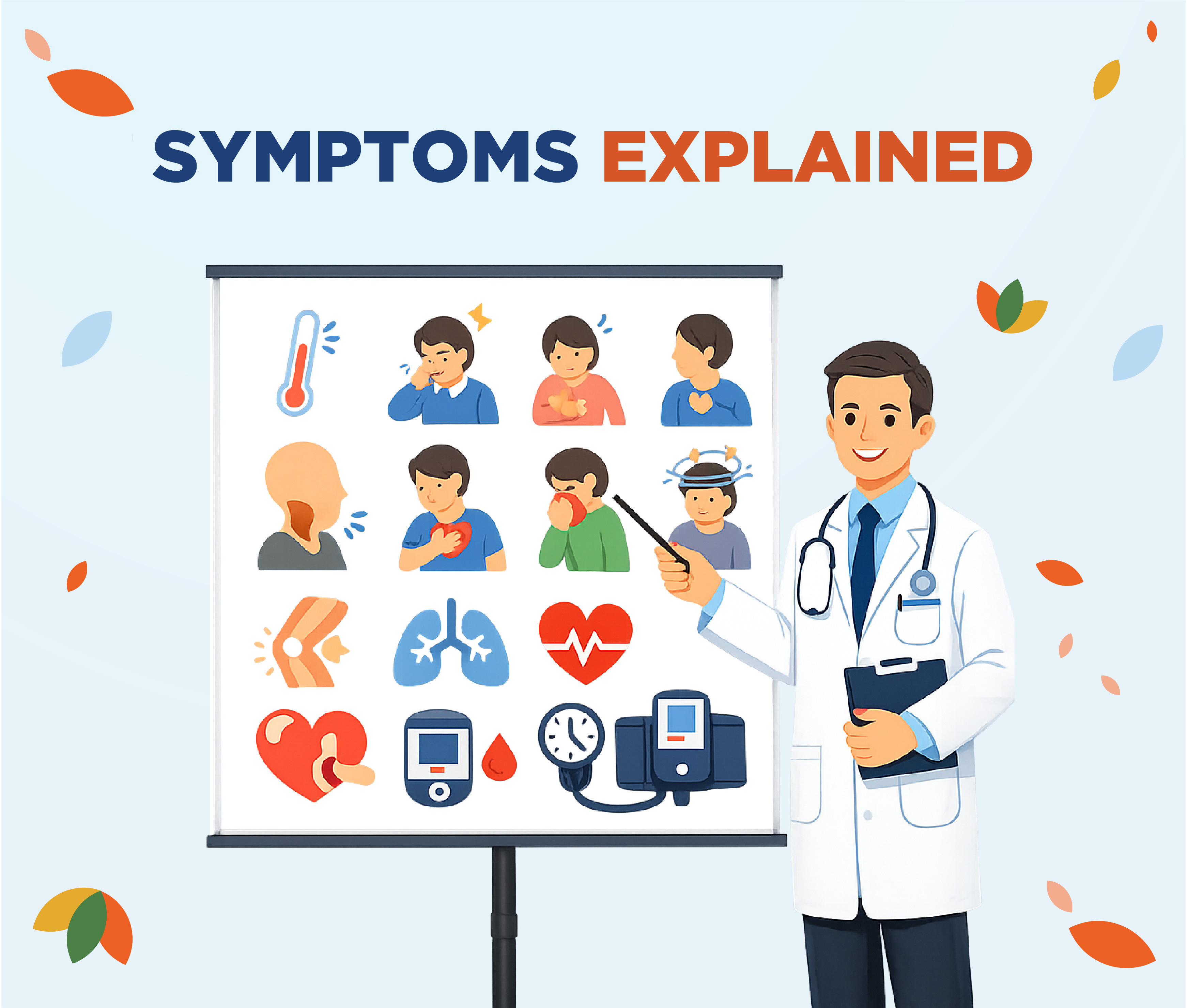
Symptoms of Asthma can vary from person to person, but common asthma symptoms include wheezing, shortness of breath, and chest tightness. Understanding these symptoms is crucial for effective management and improving quality of life for those affected.
Top 20 Symptoms of Asthma
- Shortness of breath during physical activity or at rest.
- Frequent coughing, especially at night or early morning.
- Wheezing sound when breathing, particularly during exhalation.
- Chest tightness or pressure.
- Increased mucus production in the airways.
- Difficulty sleeping due to coughing or breathing problems.
- Fatigue or weakness during physical exertion.
- Symptoms worsening with cold air or weather changes.
- Triggers such as allergens, smoke, or exercise leading to symptoms.
- Frequent respiratory infections, including colds and flu.
- Feeling of constriction in the throat or chest.
- Asthma symptoms that vary in intensity from day to day.
- Inability to take a deep breath without discomfort.
- Use of a rescue inhaler more frequently than usual.
- Increased heart rate during asthma episodes.
- Skin tightening around the neck and chest during attacks.
- Feeling anxious or panicked during asthma flare-ups.
- Difficulty speaking in full sentences when experiencing symptoms.
- Persistent coughing that does not resolve with usual treatments.
- Unexplained fatigue or decreased exercise tolerance.
- Symptoms that improve with the use of bronchodilators.
What is Asthma?
Asthma is a chronic respiratory condition that affects the airways, causing them to become inflamed and narrowed, which leads to difficulty in breathing. It can be triggered by various factors, including allergens, pollution, exercise, and respiratory infections. Individuals with asthma often experience asthma symptoms such as wheezing, coughing, shortness of breath, and chest tightness, particularly during nighttime or early morning. Asthma can vary in severity, and while there is no cure, it can be effectively managed through medications and lifestyle changes. Understanding asthma and its symptoms is crucial for maintaining a good quality of life for those affected.
How Common is Asthma
- Asthma affects approximately 300 million people worldwide.
- In the United States, around 8% of the population has asthma.
- The prevalence of asthma is increasing, especially in children.
- Asthma is one of the most common chronic diseases among children.
- About 1 in 12 adults has asthma in the U.S.
- Asthma rates vary by geographic location, with urban areas often reporting higher rates.
- In some countries, asthma prevalence can be as high as 20% among children.
- Asthma can affect individuals of any age, but it often starts in childhood.
- Certain populations, including those with allergies, are at higher risk for developing asthma.
- Asthma is a leading cause of hospitalizations and missed school days for children.
What are the Causes and Risk Factors of Asthma?
| Factor / Cause | Description |
|---|---|
| Allergens | Substances such as pollen, dust mites, mold, pet dander, and certain foods that can trigger asthma symptoms. |
| Respiratory Infections | Viral infections like the common cold or flu can exacerbate asthma and lead to more severe symptoms. |
| Air Pollution | Exposure to pollutants such as smoke, chemical fumes, and environmental toxins can increase asthma risk. |
| Weather Changes | Extreme weather conditions, including cold air or sudden changes in temperature, can provoke asthma attacks. |
| Exercise | Physical activity, especially in cold or dry air, can lead to exercise-induced bronchoconstriction in asthma patients. |
| Strong Emotions | Intense emotions such as stress, laughter, or crying can trigger asthma symptoms due to changes in breathing patterns. |
| Smoking | Active smoking or exposure to secondhand smoke can worsen asthma symptoms and increase the risk of developing asthma. |
| Obesity | Excess weight can increase inflammation and make asthma symptoms worse, as well as reduce lung function. |
| Family History | A genetic predisposition can increase the likelihood of developing asthma, particularly if family members have allergies. |
| Occupational Exposures | Exposure to irritants or allergens in the workplace, such as dust, chemicals, or molds, can trigger asthma in susceptible individuals. |
What are the Signs and Symptoms of Asthma?
Asthma is a chronic respiratory condition characterized by inflammation and narrowing of the airways, leading to various signs and symptoms. Common asthma symptoms include wheezing, coughing, shortness of breath, and chest tightness, especially during physical activity or at night. Individuals may also experience increased mucus production, making it difficult to breathe. These symptoms can vary in intensity and may worsen due to triggers such as allergens, cold air, or respiratory infections. Recognizing these asthma symptoms is crucial for effective management and treatment, allowing individuals to maintain a better quality of life and prevent severe asthma attacks.
Early-Stage Symptoms of Asthma
Early-stage symptoms of asthma can often be subtle yet significant. Individuals may experience mild wheezing or a persistent cough, particularly during nighttime or early morning hours. Shortness of breath, especially during physical activities, can also indicate the onset of asthma. These early asthma symptoms may be mistaken for allergies or a common cold, making it essential to pay attention to their frequency and intensity. Recognizing these signs promptly can lead to better management of the condition and prevent further complications. If you or someone you know is experiencing these symptoms, consulting a healthcare professional is crucial for proper diagnosis and treatment.
Advanced Symptoms of Asthma
Advanced symptoms of asthma can significantly impact daily life and may indicate worsening respiratory function. Individuals may experience persistent coughing, particularly at night or early morning, along with wheezing and shortness of breath during physical activities or even at rest. Chest tightness and frequent respiratory infections may also occur, suggesting the need for immediate medical attention. It's crucial to recognize these asthma symptoms, as they can lead to severe asthma attacks if left unmanaged. Timely intervention and a tailored treatment plan can help mitigate these advanced symptoms and improve overall quality of life for those living with asthma.
Symptoms of Asthma in Male
Asthma symptoms in males can manifest in various ways, often affecting their daily activities and overall quality of life. Common indicators include frequent coughing, especially at night or during physical exertion, as well as wheezing or a whistling sound when breathing. Males may also experience shortness of breath or chest tightness, which can be triggered by allergens, exercise, or respiratory infections. Recognizing these asthma symptoms early is crucial for effective management and treatment, allowing individuals to maintain better control over their condition and reduce the risk of severe attacks. Proper diagnosis and tailored treatment plans are essential for alleviating these symptoms.
Symptoms of Asthma in Female
Asthma symptoms in females can manifest differently than in males, often leading to unique challenges in diagnosis and management. Common symptoms include shortness of breath, wheezing, chest tightness, and persistent coughing, particularly during physical activity or at night. Hormonal fluctuations, especially during the menstrual cycle or pregnancy, can exacerbate these symptoms, making asthma management more complex. Additionally, women may experience increased sensitivity to allergens and irritants, which can trigger asthma attacks. Recognizing and understanding these asthma symptoms is crucial for effective treatment and improving the quality of life for affected individuals.
How is Asthma Diagnosed?
- Medical history review, including symptoms and family history of asthma or allergies.
- Physical examination, focusing on the lungs and breathing patterns.
- Pulmonary function tests (PFTs) to measure lung capacity and airflow.
- Peak flow measurement to assess how well air moves out of the lungs.
- Allergy testing to identify potential allergens that may trigger asthma symptoms.
- Chest X-ray to rule out other conditions that may affect breathing.
- Exhaled nitric oxide test to measure inflammation in the airways.
- Bronchoprovocation tests to evaluate airway hyperreactivity.
- Assessment of symptom patterns and triggers through a daily diary.
- Referral to a specialist, such as a pulmonologist or allergist, if necessary.
What are the Reversal Strategies for Asthma?
Reversal strategies for asthma focus on reducing inflammation and preventing airway constriction to alleviate asthma symptoms. These approaches include the use of inhaled corticosteroids to control chronic inflammation, bronchodilators for immediate relief, and long-term medications to stabilize lung function. Additionally, lifestyle modifications such as avoiding known triggers, maintaining a healthy diet, and engaging in regular exercise can significantly improve respiratory health. Patients may also benefit from personalized action plans developed in collaboration with healthcare providers, which empower them to manage their condition effectively and minimize the impact of asthma symptoms on daily life.
FAQs on Asthma
What is asthma?
Asthma is a chronic respiratory condition characterized by inflammation and narrowing of the airways, leading to difficulty in breathing. Symptoms may include wheezing, coughing, chest tightness, and shortness of breath, often triggered by allergens, exercise, or environmental factors.
What causes asthma?
The exact cause of asthma is not fully understood, but it involves a combination of genetic and environmental factors. Common triggers include pollen, dust mites, pet dander, smoke, air pollution, and respiratory infections, which can exacerbate symptoms.
How is asthma diagnosed?
Asthma diagnosis typically involves a physical examination, medical history review, and lung function tests such as spirometry. Doctors may also assess symptoms and conduct allergy tests to identify specific triggers contributing to the condition.
What are the treatment options for asthma?
Asthma treatment usually includes inhaled corticosteroids to reduce inflammation and bronchodilators to relieve symptoms. A personalized asthma action plan and avoiding triggers are also essential in managing the condition effectively.
Can asthma be cured?
Currently, there is no cure for asthma, but it can be effectively managed with proper treatment and lifestyle changes. Many individuals can control their symptoms and lead normal lives by adhering to their management plans.
Disclaimer: The information provided about Asthma Symptoms is intended for general educational and informational purposes only. It should not be considered medical advice or used as a substitute for consultation with a qualified healthcare professional. Symptoms may differ from person to person and can be linked to a variety of medical conditions. This content is not intended for self-diagnosis or treatment. If you notice ongoing, severe, or unusual symptoms related to Asthma, it is important to seek guidance from a licensed medical professional for proper diagnosis and care.