

Brain Haemorrhage Symptoms
Health symptoms can sometimes be easy to ignore, but they may also be a sign that medical attention is needed. Knowing the possible causes, related signs, and when to seek care can help people make better health decisions.
Unexpected medical expenses can arise from consultations, tests, or treatment, making health insurance an important part of financial preparedness. Readers can fill out the form below with their name and phone number to get a health insurance quote.
Personalized Coverage
Cashless Hospitals
Quick and Easy Claims
24/7 Customer Service
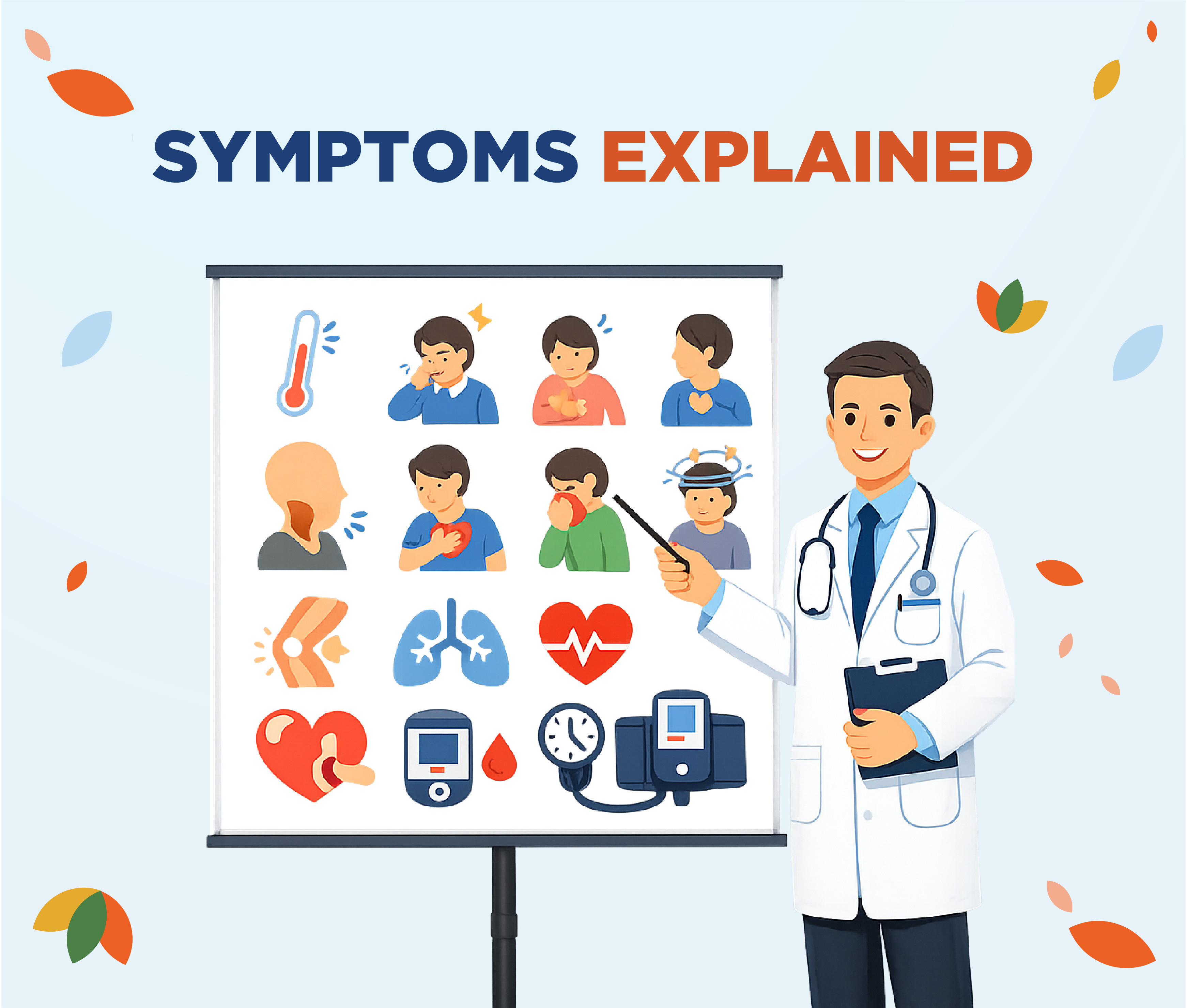
Symptoms of Brain Haemorrhage can vary significantly, but recognizing them early is crucial. Understanding brain haemorrhage symptoms can lead to timely medical intervention, potentially saving lives and reducing the risk of severe complications.
Top 20 Symptoms of Brain Haemorrhage
- Severe headache that comes on suddenly
- Nausea and vomiting
- Loss of consciousness or fainting
- Confusion or altered mental state
- Weakness or numbness in one side of the body
- Difficulty speaking or understanding speech
- Seizures
- Vision changes, such as blurred or double vision
- Difficulty walking or maintaining balance
- Stiff neck
- Fatigue or extreme drowsiness
- Rapid heartbeat or palpitations
- Sensitivity to light
- Changes in pupil size or reaction to light
- Memory problems
- Emotional changes, like increased irritability
- Brain Haemorrhage Symptoms may include difficulty with coordination
- Increased blood pressure
- Loss of bladder or bowel control
- Changes in hearing
- Feeling of pressure in the head
What is Brain Haemorrhage?
Brain haemorrhage, also known as intracranial bleeding, occurs when a blood vessel in the brain ruptures, leading to bleeding within or around the brain. This condition can result from various factors, including trauma, high blood pressure, or aneurysms. The accumulation of blood can create pressure on brain tissues, potentially causing severe complications. Recognizing brain haemorrhage symptoms is crucial for prompt medical intervention; these may include sudden headaches, nausea, confusion, and loss of consciousness. Early diagnosis and treatment are essential to minimize damage and improve outcomes for affected individuals.
How Common is Brain Haemorrhage
- Brain haemorrhage occurs in approximately 15-30% of all stroke cases.
- The incidence of intracerebral haemorrhage is about 10-30 per 100,000 people annually.
- A subarachnoid haemorrhage occurs in roughly 6-10 cases per 100,000 people each year.
- Risk factors such as hypertension significantly increase the likelihood of a brain haemorrhage.
- Brain haemorrhages are more common in individuals over the age of 55.
- Alcohol abuse and illicit drug use, particularly cocaine, are linked to higher rates of brain haemorrhage.
- Approximately 50% of patients with a ruptured aneurysm will experience a brain haemorrhage.
- About 40% of survivors of a brain haemorrhage may experience long-term disabilities.
- Brain haemorrhage is more prevalent in men than in women.
- Overall, brain haemorrhage represents about 30% of all stroke-related deaths.
What are the Causes and Risk Factors of Brain Haemorrhage?
| Factor / Cause | Description |
|---|---|
| High Blood Pressure | Chronic hypertension can weaken blood vessels, making them more susceptible to rupture. |
| Trauma | Head injuries from falls, accidents, or sports can lead to bleeding in the brain. |
| Aneurysm | Weakness in the wall of a blood vessel can cause an aneurysm, which may burst and cause bleeding. |
| Arteriovenous Malformation (AVM) | A tangle of abnormal blood vessels can lead to bleeding in the brain if they rupture. |
| Anticoagulant Medications | Blood thinners can increase the risk of bleeding, including in the brain. |
| Alcohol Abuse | Chronic alcohol consumption can lead to liver damage and coagulopathy, increasing bleeding risk. |
| Cerebral Amyloid Angiopathy | Aging-related condition where amyloid deposits weaken blood vessel walls, leading to hemorrhage. |
| Blood Disorders | Conditions like hemophilia or thrombocytopenia can impair normal blood clotting and increase bleeding risk. |
| Drug Abuse | Use of illicit drugs, particularly stimulants like cocaine, can lead to hypertension and bleeding. |
| Brain Tumors | Some tumors can cause increased vascularity or pressure, leading to bleeding in the brain. |
What are the Signs and Symptoms of Brain Haemorrhage?
Brain haemorrhage symptoms can vary significantly depending on the location and severity of the bleeding. Common signs include a sudden, severe headache, often described as the worst headache ever experienced. Patients may also experience confusion, dizziness, or loss of consciousness. Neurological deficits such as weakness on one side of the body, difficulty speaking, or seizures may occur. Additionally, nausea and vomiting can be present. Recognizing these symptoms early is crucial, as a brain haemorrhage can lead to significant complications or even death. Immediate medical attention is essential for anyone exhibiting these warning signs.
Early-Stage Symptoms of Brain Haemorrhage
Early-stage symptoms of brain haemorrhage can be subtle yet critical to recognize. Common brain haemorrhage symptoms include sudden headaches, often described as the worst headache of one's life, and rapid onset of confusion or disorientation. Patients may experience nausea, vomiting, or seizures, along with weakness or numbness in one side of the body. Vision disturbances, such as blurred or double vision, can also occur. Timely identification of these symptoms is essential, as early intervention can significantly improve outcomes and reduce the risk of severe complications. Awareness of these signs can be lifesaving in emergency situations.
Advanced Symptoms of Brain Haemorrhage
Advanced symptoms of brain haemorrhage can manifest in various alarming ways, indicating a critical condition. Patients may experience severe headaches, often described as the worst headache ever felt, accompanied by confusion or altered consciousness. Neurological deficits may arise, including weakness or numbness on one side of the body, difficulty speaking, and impaired vision. Additionally, seizures can occur, and in severe cases, loss of coordination may lead to falls or accidents. Recognizing these brain haemorrhage symptoms is crucial, as timely medical intervention can significantly improve outcomes and reduce the risk of long-term complications.
Symptoms of Brain Haemorrhage in Male
Brain haemorrhage symptoms in males can manifest in various ways, often depending on the location and severity of the bleeding. Common signs include sudden headaches, which are often described as the worst ever experienced, and altered consciousness ranging from confusion to loss of consciousness. Other symptoms may include weakness or numbness on one side of the body, difficulty speaking or understanding speech, and vision problems. Seizures can also occur. Recognizing these symptoms promptly is crucial, as timely medical intervention can significantly improve outcomes and reduce the risk of long-term complications associated with brain haemorrhages.
Symptoms of Brain Haemorrhage in Female
Brain haemorrhage symptoms in females can manifest in various ways, often differing from those in males. Common signs include sudden severe headaches, confusion, and difficulty speaking or understanding language. Additionally, females may experience weakness or numbness, particularly on one side of the body. Vision problems, such as blurred or double vision, can also occur. It's essential for women experiencing these symptoms to seek immediate medical attention, as timely intervention can significantly impact outcomes. Recognizing these symptoms early is crucial for effective treatment and recovery from a brain haemorrhage.
How is Brain Haemorrhage Diagnosed?
- Patient medical history review, including symptoms and risk factors.
- Physical examination to assess neurological function and alertness.
- CT scan (computed tomography) to quickly identify bleeding in the brain.
- MRI (magnetic resonance imaging) for detailed imaging of brain structures.
- Lumbar puncture (spinal tap) to analyze cerebrospinal fluid for blood.
- Angiography to visualize blood vessels and detect any abnormalities.
- Electroencephalogram (EEG) to monitor brain activity and detect seizures.
- Blood tests to check for clotting disorders or other underlying conditions.
- Assessment of vital signs and neurological status over time.
- Referral to a neurologist or neurosurgeon for specialized evaluation.
What are the Reversal Strategies for Brain Haemorrhage?
Reversal strategies for brain haemorrhage focus on mitigating the effects of bleeding and promoting recovery. Prompt identification of brain haemorrhage symptoms, such as sudden headaches, confusion, or neurological deficits, is crucial for effective intervention. Treatment options may include surgical procedures to remove blood clots or repair damaged blood vessels, alongside pharmacological therapies to stabilize blood pressure and enhance clotting. Additionally, rehabilitation programs are essential for restoring function and improving quality of life post-recovery. Understanding these strategies is vital for healthcare professionals and patients alike, as timely action can significantly influence outcomes in brain haemorrhage cases.
FAQs on Brain Haemorrhage
What is a brain haemorrhage?
A brain haemorrhage is a medical condition characterized by bleeding in or around the brain. This can occur due to various reasons, including trauma, high blood pressure, or aneurysms, leading to increased pressure and potential damage to brain tissue.
What are the symptoms of a brain haemorrhage?
Symptoms may include sudden severe headache, nausea, vomiting, confusion, weakness, and seizures. In some cases, individuals may also experience difficulty speaking, loss of coordination, or changes in vision, indicating a need for immediate medical attention.
How is a brain haemorrhage diagnosed?
Diagnosis typically involves imaging techniques such as CT scans or MRIs to identify the location and extent of bleeding. A thorough neurological examination and medical history review are also essential in determining the cause and severity of the condition.
What are the treatment options for brain haemorrhage?
Treatment depends on the cause and severity. Options may include medications to control blood pressure and prevent seizures, as well as surgical interventions to remove clots or repair blood vessels. Early intervention is crucial for better outcomes.
What are the potential complications of a brain haemorrhage?
Complications can include brain damage, cognitive impairments, physical disabilities, and increased risk of future strokes. The extent of complications often depends on the size and location of the haemorrhage, as well as the promptness of treatment.
Disclaimer: The information provided about Brain Haemorrhage Symptoms is intended for general educational and informational purposes only. It should not be considered medical advice or used as a substitute for consultation with a qualified healthcare professional. Symptoms may differ from person to person and can be linked to a variety of medical conditions. This content is not intended for self-diagnosis or treatment. If you notice ongoing, severe, or unusual symptoms related to Brain Haemorrhage, it is important to seek guidance from a licensed medical professional for proper diagnosis and care.