

Campylobacteriosis Symptoms
Health symptoms can sometimes be easy to ignore, but they may also be a sign that medical attention is needed. Knowing the possible causes, related signs, and when to seek care can help people make better health decisions.
Unexpected medical expenses can arise from consultations, tests, or treatment, making health insurance an important part of financial preparedness. Readers can fill out the form below with their name and phone number to get a health insurance quote.
Personalized Coverage
Cashless Hospitals
Quick and Easy Claims
24/7 Customer Service
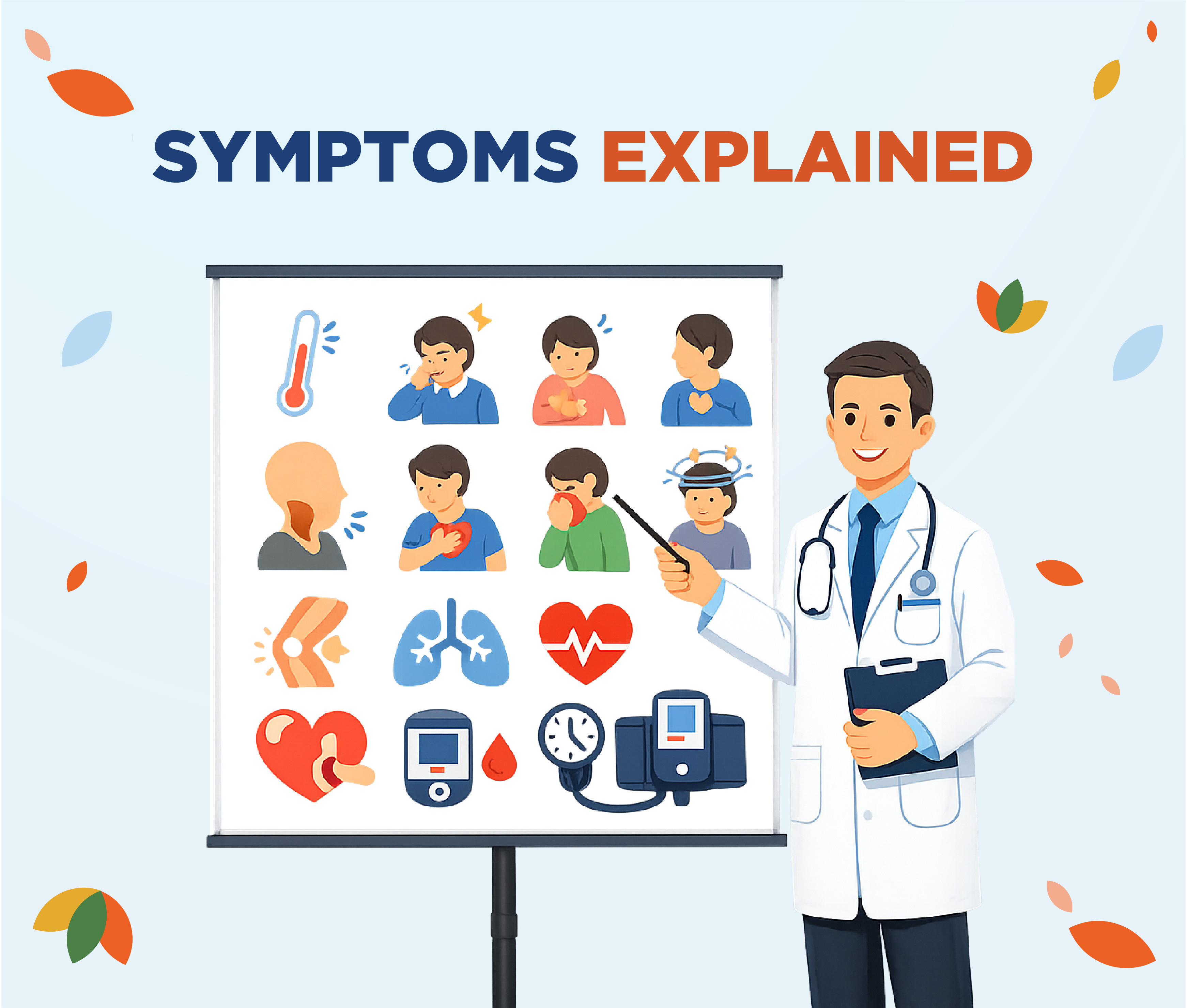
Symptoms of Campylobacteriosis typically include diarrhea, abdominal pain, and fever. Understanding Campylobacteriosis symptoms is essential for early diagnosis and effective treatment, helping to prevent complications associated with this common bacterial infection.
Top 20 Symptoms of Campylobacteriosis
- Diarrhea, often watery and sometimes bloody
- Abdominal cramps and pain
- Nausea and vomiting
- Fever and chills
- Fatigue and weakness
- Loss of appetite
- Headaches
- Muscle pain
- Dehydration due to fluid loss
- Bloody stools
- Rapid heartbeat
- Severe abdominal tenderness
- Campylobacteriosis symptoms can mimic other gastrointestinal infections
- Joint pain, in some cases
- Presence of mucus in stools
- Increased frequency of bowel movements
- Foul-smelling stools
- Higher risk of complications in individuals with weakened immune systems
- Duration of symptoms can vary, typically lasting a week
- Symptoms may appear 2 to 5 days after exposure
- Occasional long-term complications like reactive arthritis
What is Campylobacteriosis?
Campylobacteriosis is an infectious disease caused by the Campylobacter bacteria, commonly found in undercooked poultry, unpasteurized milk, and contaminated water. This illness is one of the leading causes of bacterial gastroenteritis worldwide. Individuals infected with Campylobacter may experience various symptoms, including diarrhea, abdominal pain, fever, and nausea. Campylobacteriosis symptoms typically appear within two to five days after exposure and can last about a week. Most people recover without specific treatment, but severe cases may require medical attention, particularly in vulnerable populations such as young children and the elderly. Proper food handling and cooking practices can help prevent infection.
How Common is Campylobacteriosis
- Campylobacteriosis is one of the most common bacterial infections worldwide.
- It is estimated that approximately 1.5 million cases occur each year in the United States alone.
- Campylobacter bacteria are often found in raw or undercooked poultry, which is a major source of infection.
- The infection is more prevalent in developing countries due to inadequate sanitation and food handling practices.
- Outbreaks of Campylobacteriosis can occur through contaminated water or unpasteurized dairy products.
- According to the CDC, Campylobacter is responsible for about 450 deaths annually in the U.S.
- Younger children and elderly individuals are at a higher risk of severe illness from Campylobacteriosis.
- Symptoms usually appear 2 to 5 days after exposure and can last about a week.
- Campylobacteriosis is often underreported, as many mild cases go unrecognized or misdiagnosed.
- Preventive measures, including proper cooking and food handling, can significantly reduce the incidence of Campylobacteriosis.
What are the Causes and Risk Factors of Campylobacteriosis?
| Factor / Cause | Description |
|---|---|
| Contaminated Food | Consumption of undercooked poultry, beef, or contaminated water can lead to infection. |
| Poor Food Handling | Improper food preparation and handling practices increase the risk of contamination. |
| Unpasteurized Dairy Products | Drinking unpasteurized milk or products made from unpasteurized milk can introduce Campylobacter. |
| Contact with Infected Animals | Handling or coming into contact with feces from infected animals can transmit the bacteria. |
| Travel to Developing Countries | Traveling to areas with poor sanitation and hygiene practices increases risk of exposure. |
| Contaminated Water | Drinking or swimming in untreated water sources can be a source of infection. |
| Immunocompromised Individuals | People with weakened immune systems are at a higher risk for severe illness from Campylobacter. |
| Age | Young children and elderly individuals are more susceptible to Campylobacter infections. |
| Close Contact with Infected Persons | Living or working closely with an infected person can increase the risk of transmission. |
| Improper Cooking Temperatures | Cooking meat at temperatures below the recommended levels allows bacteria to survive. |
What are the Signs and Symptoms of Campylobacteriosis?
Campylobacteriosis is an infection caused by the Campylobacter bacteria, commonly leading to gastrointestinal symptoms. The most prevalent Campylobacteriosis symptoms include diarrhea, which may be bloody, abdominal cramping, fever, and nausea. These symptoms typically appear two to five days after exposure to contaminated food or water. In some cases, individuals may also experience vomiting and muscle pain. While most people recover without treatment within a week, severe cases can lead to complications, particularly in young children, the elderly, or those with weakened immune systems. Recognizing these signs early is crucial for effective management and prevention of further spread.
Early-Stage Symptoms of Campylobacteriosis
Early-stage symptoms of Campylobacteriosis often begin within two to five days after exposure to the bacteria, typically through contaminated food or water. Common Campylobacteriosis symptoms include diarrhea, which may be bloody, abdominal cramping, fever, and nausea. Patients may also experience vomiting and fatigue as the infection progresses. These symptoms can vary in intensity and duration, often lasting about a week. It is essential to stay hydrated and seek medical attention if symptoms worsen or persist, as severe cases may lead to complications. Recognizing these early signs can help in managing the condition effectively and preventing further transmission.
Advanced Symptoms of Campylobacteriosis
Advanced symptoms of Campylobacteriosis can significantly impact an individual's health. While initial signs may include diarrhea, abdominal cramps, and fever, more severe manifestations can arise if the infection progresses. Patients may experience persistent diarrhea that can lead to dehydration, severe abdominal pain, and even complications such as reactive arthritis or Guillain-Barré syndrome. It is essential to recognize these advanced Campylobacteriosis symptoms early, as timely medical intervention is crucial to prevent further health issues. Those with weakened immune systems or underlying health conditions are particularly at risk for these exacerbated symptoms, underscoring the importance of prompt treatment.
Symptoms of Campylobacteriosis in Male
Campylobacteriosis is an infection caused by the Campylobacter bacteria, and its symptoms can vary among individuals. In males, common Campylobacteriosis symptoms include diarrhea, which may be bloody, abdominal cramps, fever, and nausea. These symptoms typically appear within two to five days after exposure to the bacteria, often through contaminated food or water. Some men may also experience vomiting and fatigue, impacting their daily activities. It's essential for those experiencing these symptoms to stay hydrated and consult a healthcare provider for proper diagnosis and treatment, as complications can arise if the infection is left untreated.
Symptoms of Campylobacteriosis in Female
Campylobacteriosis is an infection caused by the Campylobacter bacteria, and it can present a variety of symptoms in females. Common Campylobacteriosis symptoms include diarrhea, which may be bloody, abdominal pain, fever, and nausea. Some women may also experience vomiting and a general feeling of malaise. In severe cases, dehydration may occur due to excessive fluid loss. It's important for females experiencing these symptoms, especially after consuming undercooked poultry or contaminated water, to seek medical attention. Early diagnosis and treatment can help manage the infection effectively and prevent complications.
How is Campylobacteriosis Diagnosed?
- Review of medical history and symptoms reported by the patient.
- Stool sample collection to test for the presence of Campylobacter bacteria.
- Culturing stool samples on selective media to facilitate bacterial growth.
- Microscopic examination of stool samples to identify characteristic bacteria.
- Use of polymerase chain reaction (PCR) testing for rapid identification of Campylobacter DNA.
- Serological tests to detect antibodies against Campylobacter in the bloodstream.
- Assessment of the patient's hydration status and electrolyte balance due to diarrhea.
- Assessment for additional infections that may present with similar gastrointestinal symptoms.
- Consultation with infectious disease specialists for complex cases.
- Follow-up testing if symptoms persist or complications arise.
What are the Reversal Strategies for Campylobacteriosis?
Reversal strategies for Campylobacteriosis focus on alleviating symptoms and preventing further infection. Key Campylobacteriosis symptoms include diarrhea, abdominal pain, fever, and nausea, which can significantly impact a patient's quality of life. To manage these symptoms, hydration is crucial; patients are encouraged to drink plenty of fluids to replace lost electrolytes. In more severe cases, antibiotics may be prescribed to combat the infection. Additionally, implementing proper food safety measures, such as thorough cooking and avoiding cross-contamination, is vital for prevention. Public health education about the disease can also help mitigate outbreaks and reduce the incidence of Campylobacteriosis.
FAQs on Campylobacteriosis
What is Campylobacteriosis?
Campylobacteriosis is an infection caused by Campylobacter bacteria, commonly found in contaminated food or water. It leads to gastrointestinal illness, characterized by diarrhea, abdominal pain, fever, and nausea.
How is Campylobacteriosis transmitted?
The infection is primarily transmitted through consuming undercooked poultry, unpasteurized dairy products, or contaminated water. Cross-contamination in kitchens can also spread the bacteria.
What are the symptoms of Campylobacteriosis?
Symptoms typically include diarrhea (often bloody), abdominal cramps, fever, nausea, and vomiting. These usually appear 2 to 5 days after exposure and can last about a week.
How is Campylobacteriosis treated?
Treatment mainly focuses on hydration to prevent dehydration. In severe cases, antibiotics may be prescribed. Most people recover without specific treatment in a week.
How can Campylobacteriosis be prevented?
Prevention includes cooking poultry to safe temperatures, practicing good kitchen hygiene, avoiding unpasteurized dairy, and ensuring safe drinking water. Proper food handling can significantly reduce the risk.
Disclaimer: The information provided about Campylobacteriosis Symptoms is intended for general educational and informational purposes only. It should not be considered medical advice or used as a substitute for consultation with a qualified healthcare professional. Symptoms may differ from person to person and can be linked to a variety of medical conditions. This content is not intended for self-diagnosis or treatment. If you notice ongoing, severe, or unusual symptoms related to Campylobacteriosis, it is important to seek guidance from a licensed medical professional for proper diagnosis and care.