

Cancer Symptoms
Health symptoms can sometimes be easy to ignore, but they may also be a sign that medical attention is needed. Knowing the possible causes, related signs, and when to seek care can help people make better health decisions.
Unexpected medical expenses can arise from consultations, tests, or treatment, making health insurance an important part of financial preparedness. Readers can fill out the form below with their name and phone number to get a health insurance quote.
Personalized Coverage
Cashless Hospitals
Quick and Easy Claims
24/7 Customer Service
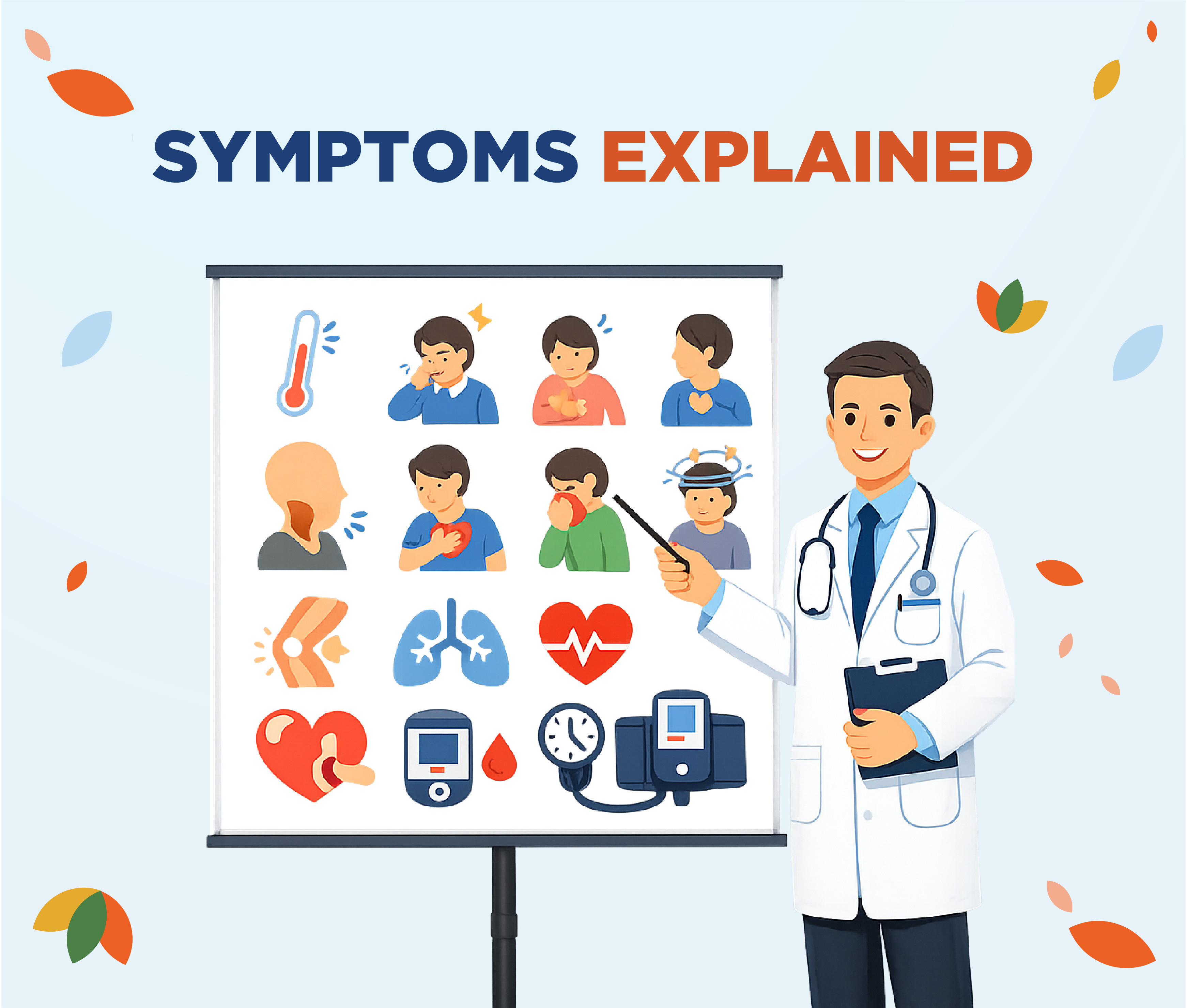
Symptoms of Cancer can vary significantly depending on the type and stage of the disease. Understanding these cancer symptoms is crucial for early detection and treatment, ultimately improving outcomes for those affected.
Top 20 Symptoms of Cancer
- Unexplained weight loss or gain
- Persistent fatigue that doesn't improve with rest
- Changes in appetite or difficulty swallowing
- Persistent cough or hoarseness
- Unusual lumps or swelling in the body
- Skin changes, including new moles or changes to existing moles
- Blood in urine or stool
- Chronic pain that doesn't have a clear cause
- Fever or night sweats without an obvious reason
- Changes in bowel or bladder habits
- Difficulty breathing or shortness of breath
- Jaundice (yellowing of the skin and eyes)
- Excessive bruising or bleeding
- Neurological symptoms like persistent headaches or seizures
- Changes in sexual function or unusual bleeding
- Persistent indigestion or discomfort after eating
- White patches inside the mouth or throat
- Swollen lymph nodes that don't go away
- Changes in skin texture, such as thickening or scaling
- Persistent nausea or vomiting without a clear cause
- Any other unusual changes in your body that last more than a few weeks, as these could be potential cancer symptoms
What is Cancer?
Cancer is a group of diseases characterized by the uncontrolled growth and spread of abnormal cells in the body. These rogue cells can form tumors, invade nearby tissues, and even metastasize to other organs. The exact cause of cancer varies, but it often involves genetic mutations influenced by environmental factors, lifestyle choices, and certain infections. Early detection is crucial, as it significantly improves treatment outcomes. Common cancer symptoms may include unexplained weight loss, persistent fatigue, changes in skin, and unusual bleeding. Understanding these symptoms can help individuals seek timely medical advice and enhance their chances of successful treatment.
How Common is Cancer
- Cancer is the second leading cause of death globally, accounting for nearly 10 million deaths in 2020.
- Approximately 1 in 5 men and 1 in 6 women will be diagnosed with cancer in their lifetime.
- The World Health Organization estimates that cancer cases will rise to 28.4 million by 2040.
- In the United States, about 39.5% of men and women will be diagnosed with cancer at some point in their lives.
- Breast cancer is the most commonly diagnosed cancer, followed by lung and colorectal cancers.
- Over 18 million new cancer cases were reported worldwide in 2020.
- Skin cancer, particularly non-melanoma types, is the most common cancer in the U.S.
- Age is a significant risk factor; approximately 60% of cancer cases occur in individuals aged 65 and older.
- Globally, lung cancer is the leading cause of cancer death, followed by colorectal and liver cancers.
- Early detection and treatment have improved survival rates, with many cancers now being highly treatable if caught early.
What are the Causes and Risk Factors of Cancer?
| Factor / Cause | Description |
|---|---|
| Tobacco Use | Smoking and other forms of tobacco use are leading causes of various types of cancer, including lung, throat, and mouth cancer. |
| Diet and Obesity | A diet high in processed foods and low in fruits and vegetables, along with obesity, increases the risk of several cancers. |
| Alcohol Consumption | Excessive alcohol intake is linked to an increased risk of cancers such as breast, liver, and esophagus. |
| Sun Exposure | Ultraviolet (UV) radiation from the sun can cause skin cancer, including melanoma, the most dangerous form of skin cancer. |
| Family History | A family history of certain cancers can increase an individual's risk due to inherited genetic mutations. |
| Environmental Pollution | Exposure to pollutants such as heavy metals, chemicals, and radiation in the environment can contribute to cancer risk. |
| Infections | Some viruses and bacteria, such as HPV and Helicobacter pylori, are linked to increased cancer risk. |
| Age | As people age, the risk of developing cancer increases, with most cases occurring in older adults. |
| Physical Inactivity | Lack of regular physical activity is associated with a higher risk of developing certain types of cancer. |
| Hormonal Factors | Hormonal changes and treatments can influence the risk of cancers, particularly breast and prostate cancer. |
What are the Signs and Symptoms of Cancer?
Cancer symptoms can vary significantly depending on the type and location of the cancer. Common signs include unexplained weight loss, persistent fatigue, and changes in appetite. Patients may also experience unusual bleeding, persistent pain, or lumps that do not go away. Additionally, changes in skin appearance, such as jaundice or new moles, can indicate cancer. It is essential to pay attention to these cancer symptoms, as early detection can significantly improve treatment outcomes. If you notice any unusual or persistent changes in your health, consult a healthcare professional for a thorough evaluation and possible screening for cancer.
Early-Stage Symptoms of Cancer
Early-stage symptoms of cancer can vary significantly depending on the type and location of the disease. Common early signs may include unexplained weight loss, persistent fatigue, changes in appetite, and unusual lumps or swelling. Additionally, individuals might experience changes in bowel or bladder habits, persistent cough, or skin changes such as new moles or changes in existing ones. Recognizing these cancer symptoms early is crucial, as timely diagnosis and intervention can significantly improve treatment outcomes. Awareness of these warning signs can empower individuals to seek medical advice promptly, ensuring a proactive approach to health and well-being.
Advanced Symptoms of Cancer
Advanced symptoms of cancer can significantly impact a patient's quality of life and often indicate that the disease has progressed. These symptoms may include severe pain, unintentional weight loss, fatigue, and persistent nausea. Additionally, patients might experience changes in appetite, difficulty breathing, and swollen lymph nodes. As cancer symptoms evolve, they can lead to emotional distress and a decline in overall health. Recognizing these advanced symptoms early is crucial for effective management and palliative care, allowing patients to receive support tailored to their needs and improve their comfort during treatment.
Symptoms of Cancer in Male
Male cancer symptoms can vary significantly depending on the type and stage of the disease. Common signs include unexplained weight loss, persistent fatigue, and changes in appetite. Other symptoms may involve pain in specific areas, such as the back or abdomen, and noticeable lumps or swelling in the testicles or other parts of the body. Additionally, urinary issues, such as difficulty urinating or blood in urine, can be indicative of prostate cancer. Recognizing these cancer symptoms early is crucial for timely diagnosis and treatment, emphasizing the importance of regular medical check-ups and awareness of one's body.
Symptoms of Cancer in Female
Cancer symptoms in females can vary widely depending on the type and stage of the disease. Common signs include unusual lumps or swelling in the breast or other areas, unexplained weight loss, fatigue, and persistent pain. Additionally, changes in bowel or bladder habits, abnormal bleeding, and persistent cough can be indicative of underlying issues. It's important for women to be aware of these cancer symptoms and consult a healthcare professional if they notice any persistent changes in their body. Early detection plays a crucial role in improving treatment outcomes and overall prognosis.
How is Cancer Diagnosed?
- Medical history review to assess risk factors and symptoms.
- Physical examination to identify any unusual lumps or signs.
- Imaging tests such as X-rays, CT scans, or MRIs to visualize internal structures.
- Biopsy procedures to collect tissue samples for microscopic analysis.
- Blood tests to check for tumor markers or abnormal cell counts.
- Endoscopy to examine internal organs using a flexible tube with a camera.
- Molecular testing to identify specific genetic mutations in cancer cells.
- Pathology review by a specialist to confirm cancer diagnosis from tissue samples.
- Urine tests to detect cancer-related substances or cells.
- Genetic counseling and testing for hereditary cancer syndromes.
What are the Reversal Strategies for Cancer?
Cancer reversal strategies are emerging as a vital aspect of holistic treatment approaches, focusing on not just managing cancer symptoms but also aiming to eliminate the disease. These strategies often encompass a combination of lifestyle changes, dietary modifications, and integrative therapies that enhance the body's natural healing processes. Research suggests that adopting a plant-based diet, engaging in regular physical activity, and reducing stress through mindfulness can play a significant role in reversing cancer progression. Additionally, personalized treatment plans that address individual cancer symptoms and genetic factors are crucial for improving overall outcomes and enhancing patients' quality of life.
FAQs on Cancer
What is cancer?
Cancer is a group of diseases characterized by the uncontrolled growth and spread of abnormal cells in the body. It can affect any part of the body and may form tumors or spread through the blood and lymphatic systems.
What are the common types of cancer?
Common types of cancer include breast cancer, lung cancer, prostate cancer, colorectal cancer, and skin cancer. Each type has specific risk factors, symptoms, and treatment options, making early detection and diagnosis crucial for effective management.
What are the main risk factors for cancer?
Risk factors for cancer include genetics, age, lifestyle choices (such as smoking and diet), exposure to certain chemicals, and infections. Understanding these factors can help individuals make informed health decisions and reduce their risk.
How is cancer diagnosed?
Cancer diagnosis typically involves a combination of physical examinations, imaging tests (like X-rays or MRIs), biopsies, and laboratory tests. Early diagnosis is vital for effective treatment and can significantly improve outcomes for patients.
What are the treatment options for cancer?
Treatment options for cancer can include surgery, chemotherapy, radiation therapy, immunotherapy, and targeted therapy. The choice of treatment depends on the cancer type, stage, and the patient's overall health and preferences.
Disclaimer: The information provided about Cancer Symptoms is intended for general educational and informational purposes only. It should not be considered medical advice or used as a substitute for consultation with a qualified healthcare professional. Symptoms may differ from person to person and can be linked to a variety of medical conditions. This content is not intended for self-diagnosis or treatment. If you notice ongoing, severe, or unusual symptoms related to Cancer, it is important to seek guidance from a licensed medical professional for proper diagnosis and care.