

Cholesterol Symptoms
Health symptoms can sometimes be easy to ignore, but they may also be a sign that medical attention is needed. Knowing the possible causes, related signs, and when to seek care can help people make better health decisions.
Unexpected medical expenses can arise from consultations, tests, or treatment, making health insurance an important part of financial preparedness. Readers can fill out the form below with their name and phone number to get a health insurance quote.
Personalized Coverage
Cashless Hospitals
Quick and Easy Claims
24/7 Customer Service
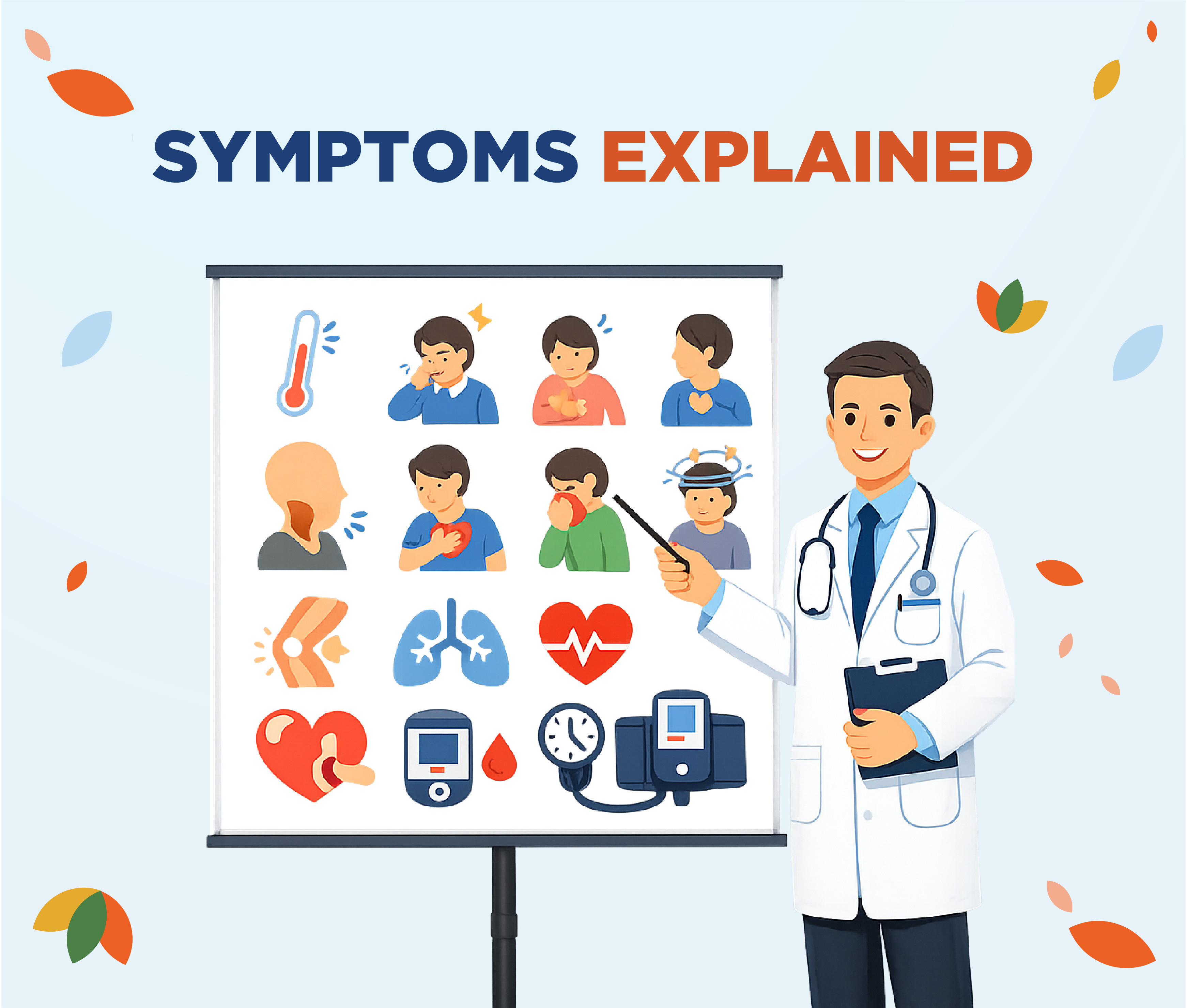
Symptoms of Cholesterol can often go unnoticed, as high cholesterol typically presents no immediate signs. However, recognizing potential cholesterol symptoms is crucial for maintaining heart health and preventing serious cardiovascular conditions.
Top 20 Symptoms of Cholesterol
- High levels of cholesterol can lead to chest pain.
- Shortness of breath may occur due to reduced blood flow.
- Fatigue can be a symptom of high cholesterol levels.
- Yellowish patches on the skin, known as xanthomas, may develop.
- High cholesterol can cause numbness in the extremities.
- Swelling in the legs and feet may indicate cholesterol problems.
- High blood pressure can be associated with elevated cholesterol.
- Cholesterol symptoms can include frequent headaches.
- Difficulty concentrating and cognitive issues can arise.
- Heart palpitations might signal high cholesterol levels.
- Angina, or chest tightness, can occur with high cholesterol.
- Vision changes, such as blurred vision, may be present.
- Increased risk of heart attack is linked to high cholesterol.
- Stroke symptoms can be exacerbated by high cholesterol levels.
- Cold hands and feet can indicate poor circulation from cholesterol.
- Elevated cholesterol may lead to digestive issues.
- Skin discoloration can be a sign of cholesterol problems.
- Joint pain may occur due to poor blood flow related to cholesterol.
- Men may experience erectile dysfunction as a cholesterol symptom.
- Overall weakness and decreased physical endurance may arise.
What is Cholesterol?
Cholesterol is a waxy, fat-like substance found in every cell of the body, playing a crucial role in producing hormones, vitamin D, and bile acids that help digest fat. The body produces cholesterol naturally, but it is also obtained from certain foods. There are two main types: low-density lipoprotein (LDL), often referred to as "bad" cholesterol, and high-density lipoprotein (HDL), known as "good" cholesterol. While cholesterol itself does not usually present symptoms, high levels can lead to serious health issues such as heart disease and stroke. Recognizing cholesterol symptoms, which may include chest pain or fatigue, is essential for maintaining cardiovascular health.
How Common is Cholesterol
- Cholesterol is a waxy substance found in every cell of the body.
- Approximately 38% of adults in the United States have high cholesterol levels.
- Adults 20 years and older should have their cholesterol checked every 4 to 6 years.
- High cholesterol is often asymptomatic, making it difficult to detect without testing.
- Cholesterol levels can be influenced by genetic factors, diet, and lifestyle choices.
- In the U.S., about 94 million adults have total cholesterol levels above the recommended 200 mg/dL.
- High LDL ("bad") cholesterol is linked to an increased risk of heart disease and stroke.
- Low HDL ("good") cholesterol levels are also associated with higher cardiovascular risk.
- Cholesterol levels can vary significantly by age, sex, and ethnicity.
- Managing cholesterol through diet, exercise, and medication can reduce health risks associated with high levels.
What are the Causes and Risk Factors of Cholesterol?
| Factor / Cause | Description |
|---|---|
| Genetics | Inherited conditions such as familial hypercholesterolemia can lead to high cholesterol levels. |
| Poor Diet | High intake of saturated fats, trans fats, and cholesterol-rich foods can raise cholesterol levels. |
| Obesity | Excess body weight is associated with higher levels of LDL cholesterol and lower levels of HDL cholesterol. |
| Lack of Physical Activity | Inactive lifestyle can contribute to weight gain and increased cholesterol levels. |
| Age | Cholesterol levels tend to rise as people age, especially after age 40. |
| Smoking | Smoking can lower HDL cholesterol, the "good" cholesterol, and damage blood vessels. |
| Diabetes | High blood sugar can lead to higher levels of LDL cholesterol and lower levels of HDL cholesterol. |
| Hormonal Changes | Menopause can lead to changes in cholesterol levels due to decreased estrogen levels. |
| Certain Medications | Some drugs, such as steroids and diuretics, can affect cholesterol levels. |
| Chronic Kidney Disease | This condition can lead to abnormal cholesterol levels due to metabolic changes. |
What are the Signs and Symptoms of Cholesterol?
Cholesterol symptoms are often subtle, making it difficult to recognize high cholesterol levels without a blood test. Many individuals may not experience noticeable signs until serious complications arise, such as heart disease or stroke. However, some potential indicators include chest pain, fatigue, and shortness of breath during physical activity. In more severe cases, yellowish deposits known as xanthomas may appear on the skin, particularly around the eyes or joints. Regular check-ups and blood tests are essential for monitoring cholesterol levels, as early detection can help prevent serious health issues related to high cholesterol.
Early-Stage Symptoms of Cholesterol
Early-stage symptoms of cholesterol-related issues often go unnoticed, making them particularly insidious. While many individuals may not experience obvious signs, some subtle cholesterol symptoms can manifest as fatigue, chest pain, or a feeling of heaviness in the chest during physical activity. Additionally, elevated cholesterol levels can lead to the development of xanthomas, which are yellowish bumps that appear on the skin, particularly around the eyes. Regular health screenings are crucial for early detection, as these silent indicators can pave the way for more serious cardiovascular conditions if left unaddressed. Awareness of these early symptoms can empower individuals to take proactive steps towards better heart health.
Advanced Symptoms of Cholesterol
Advanced symptoms of cholesterol often manifest when levels become dangerously high, leading to serious health issues. Cholesterol symptoms may not always be apparent initially, but as the condition progresses, individuals might experience chest pain or angina due to reduced blood flow to the heart. Other alarming signs include the development of xanthomas, which are yellowish deposits of cholesterol that can appear on the skin, and corneal arcus, a gray or white ring around the cornea. Recognizing these advanced symptoms is crucial, as they may indicate an increased risk of heart disease or stroke, prompting timely medical intervention.
Symptoms of Cholesterol in Male
Cholesterol symptoms in males often go unnoticed until they lead to more serious health issues. High cholesterol typically does not present obvious symptoms, making it a silent threat. However, when cholesterol levels become significantly elevated, men may experience signs such as chest pain, fatigue, or shortness of breath, indicating potential heart disease. Additionally, men may notice yellowish deposits around the eyes or tendons, known as xanthomas, which can be a visible indicator of cholesterol buildup. Regular screening and awareness of cholesterol symptoms are crucial for early detection and management, helping to prevent serious cardiovascular complications.
Symptoms of Cholesterol in Female
Cholesterol symptoms in females can often be subtle, making it challenging to identify high cholesterol levels without medical testing. Many women may not experience noticeable signs until they develop related health issues, such as heart disease or atherosclerosis. Some potential indicators include fatigue, chest pain, or shortness of breath, particularly during physical activity. Additionally, women may experience unexplained weight gain or difficulty managing their weight, which can be linked to unhealthy cholesterol levels. Regular check-ups and lipid panel tests are essential for monitoring cholesterol levels and preventing serious health complications associated with elevated cholesterol in females.
How is Cholesterol Diagnosed?
- Cholesterol is diagnosed through a blood test known as a lipid panel or lipid profile.
- The test measures total cholesterol, LDL (low-density lipoprotein), HDL (high-density lipoprotein), and triglycerides.
- Patients may be required to fast for 9-12 hours before the test to ensure accurate results.
- In some cases, doctors may recommend additional tests to assess cholesterol's impact on heart health.
- Cholesterol levels are interpreted based on age, gender, and individual risk factors for heart disease.
- High cholesterol is often asymptomatic, making regular testing crucial for early detection.
- Results are typically provided in milligrams per deciliter (mg/dL) for easy comparison to standard ranges.
- Follow-up tests may be needed to monitor changes in cholesterol levels over time.
- Healthcare providers may use risk calculators to estimate the likelihood of cardiovascular issues based on cholesterol levels.
- Management strategies can include lifestyle changes, dietary adjustments, or medication based on diagnosed cholesterol levels.
What are the Reversal Strategies for Cholesterol?
Reversal strategies for cholesterol focus on lifestyle changes and medical interventions to lower high cholesterol levels and mitigate associated cholesterol symptoms. Adopting a heart-healthy diet rich in fruits, vegetables, whole grains, and healthy fats can significantly impact cholesterol levels. Regular physical activity and maintaining a healthy weight are also crucial components. In some cases, healthcare providers may prescribe medications like statins to help lower LDL cholesterol. Monitoring cholesterol levels and being aware of potential cholesterol symptoms, such as fatigue or chest pain, can guide individuals in making informed decisions about their health and implementing effective reversal strategies.
FAQs on Cholesterol
What is cholesterol?
Cholesterol is a waxy, fat-like substance found in every cell of the body. It is essential for producing hormones, vitamin D, and substances that help digest foods. However, high levels can lead to heart disease and other health issues.
What are the types of cholesterol?
There are two main types of cholesterol: low-density lipoprotein (LDL), often called "bad" cholesterol, which can build up in the arteries, and high-density lipoprotein (HDL), known as "good" cholesterol, which helps remove LDL from the bloodstream.
How can I lower my cholesterol levels?
To lower cholesterol levels, focus on a heart-healthy diet rich in fruits, vegetables, whole grains, and healthy fats. Regular physical activity, maintaining a healthy weight, and avoiding tobacco can also significantly help.
What are the symptoms of high cholesterol?
High cholesterol typically has no noticeable symptoms, making it essential to have regular blood tests. However, extremely high levels may lead to the development of fatty deposits in the skin or eyes, known as xanthomas.
How often should I check my cholesterol levels?
Adults should have their cholesterol levels checked every four to six years, starting at age 20. Those with risk factors for heart disease may need more frequent testing, as recommended by their healthcare provider.
Disclaimer: The information provided about Cholesterol Symptoms is intended for general educational and informational purposes only. It should not be considered medical advice or used as a substitute for consultation with a qualified healthcare professional. Symptoms may differ from person to person and can be linked to a variety of medical conditions. This content is not intended for self-diagnosis or treatment. If you notice ongoing, severe, or unusual symptoms related to Cholesterol, it is important to seek guidance from a licensed medical professional for proper diagnosis and care.