

Constipation Symptoms
Health symptoms can sometimes be easy to ignore, but they may also be a sign that medical attention is needed. Knowing the possible causes, related signs, and when to seek care can help people make better health decisions.
Unexpected medical expenses can arise from consultations, tests, or treatment, making health insurance an important part of financial preparedness. Readers can fill out the form below with their name and phone number to get a health insurance quote.
Personalized Coverage
Cashless Hospitals
Quick and Easy Claims
24/7 Customer Service
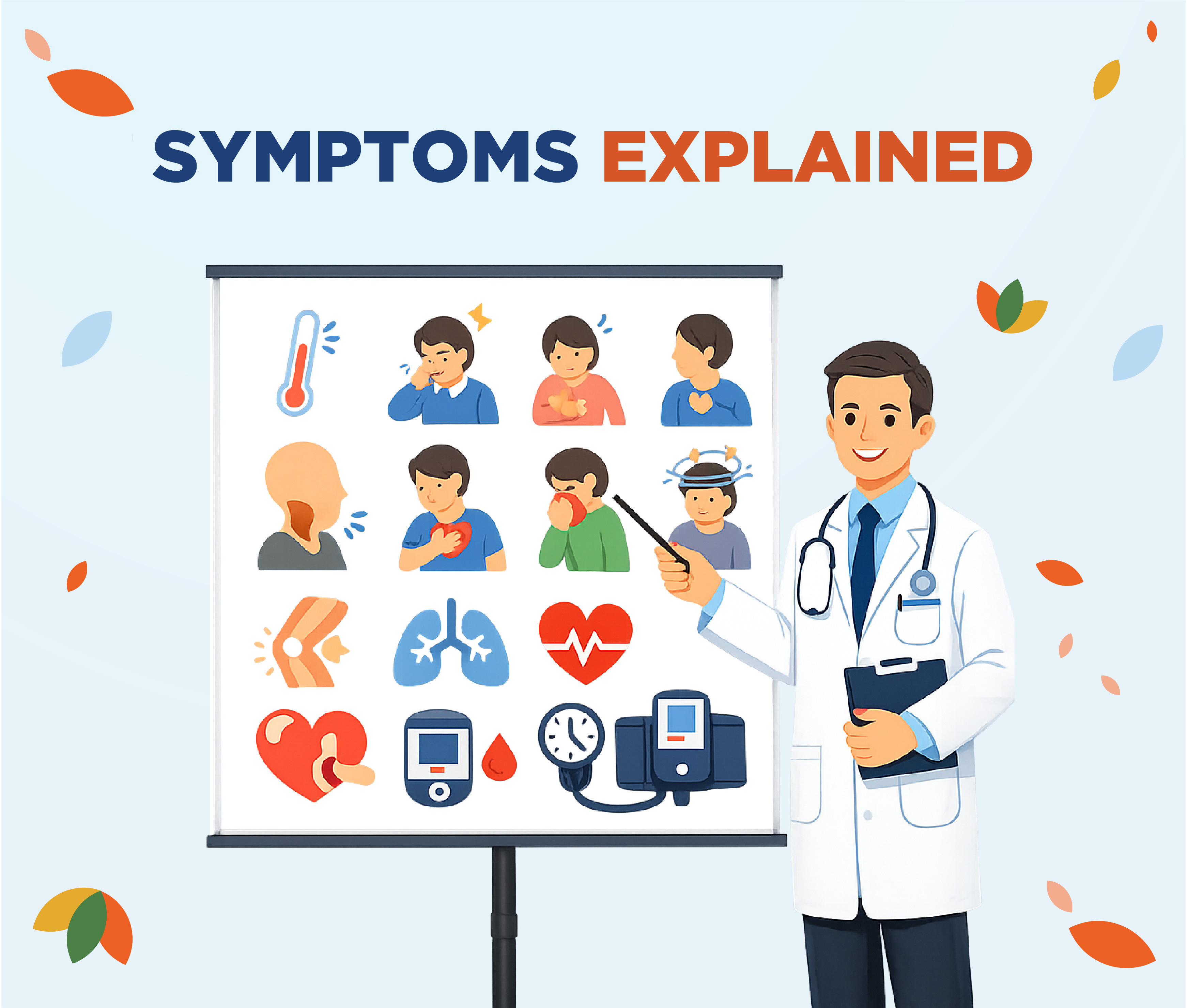
Symptoms of Constipation can range from infrequent bowel movements to discomfort during passage. Recognizing these Constipation Symptoms is essential for effective management and relief, ensuring a healthier digestive system and improved overall well-being.
Top 20 Symptoms of Constipation
- Infrequent bowel movements (fewer than three times a week)
- Hard or lumpy stools that are difficult to pass
- Straining during bowel movements
- Feeling of incomplete evacuation after a bowel movement
- Abdominal discomfort or pain
- Bloating and swelling in the abdomen
- Rectal pain during bowel movements
- Reduced appetite
- Nausea or a feeling of gastric distress
- Excessive gas or flatulence
- Constipation symptoms may include a sense of urgency to have a bowel movement
- Feeling sluggish or fatigued
- Back pain associated with straining
- Changes in stool texture, such as unusually large or small stools
- Holding back bowel movements due to fear of discomfort
- Presence of blood on the toilet paper after wiping
- Changes in frequency of bowel habits
- Feeling bloated, especially after eating
- Difficulty in initiating a bowel movement
- Experiencing a sense of urgency but being unable to pass stool
- Feeling anxious or stressed about bowel movements
What is Constipation?
Constipation is a common digestive condition characterized by infrequent bowel movements or difficulty passing stools. It typically occurs when the colon absorbs too much water from the food waste, leading to hard and dry stools. People experiencing constipation may have fewer than three bowel movements a week. Constipation symptoms can include abdominal pain, bloating, and a feeling of incomplete evacuation after a bowel movement. Factors such as a low-fiber diet, dehydration, and lack of physical activity can contribute to this condition. Understanding the signs and causes of constipation is essential for effective management and relief.
How Common is Constipation
- Constipation affects approximately 20% of the population at some point in their lives.
- It is more common in women than in men, with a ratio of about 2:1.
- Constipation is particularly prevalent among older adults, with estimates suggesting 30-40% are affected.
- Dietary factors contribute significantly to constipation, with low fiber intake being a major cause.
- Certain medical conditions, such as diabetes and hypothyroidism, increase the risk of constipation.
- Medications, especially opioids and some antacids, can lead to constipation as a side effect.
- Constipation can occur in children, affecting around 3% of pediatric patients.
- Stress and lifestyle changes can trigger episodes of constipation in individuals of all ages.
- Inadequate fluid intake is a common contributing factor to constipation.
- Chronic constipation may lead to complications, such as hemorrhoids or fecal impaction, if left untreated.
What are the Causes and Risk Factors of Constipation?
| Factor / Cause | Description |
|---|---|
| Low Fiber Diet | A diet lacking in fruits, vegetables, and whole grains can lead to harder stools and constipation. |
| Inadequate Fluid Intake | Not drinking enough water can result in dehydration, leading to harder stools that are difficult to pass. |
| Physical Inactivity | Regular exercise helps stimulate intestinal function; a sedentary lifestyle may contribute to constipation. |
| Medications | Certain medications, such as opioids, antacids, and some antidepressants, can cause constipation as a side effect. |
| Ignoring the Urge | Delaying bowel movements when the urge arises can lead to constipation over time. |
| Medical Conditions | Conditions like hypothyroidism, diabetes, and irritable bowel syndrome (IBS) can contribute to constipation. |
| Age | Older adults may experience constipation due to slower metabolism and decreased physical activity. |
| Stress | Psychological stress can impact gut motility, potentially leading to constipation. |
| Changes in Routine | Traveling or changes in daily routine can disrupt normal bowel habits, leading to constipation. |
| Pregnancy | Hormonal changes and pressure from the growing uterus can lead to constipation in pregnant women. |
What are the Signs and Symptoms of Constipation?
Constipation is a common digestive issue characterized by infrequent bowel movements and difficulty passing stool. Common signs and symptoms of constipation include straining during bowel movements, hard or lumpy stools, and a sensation of incomplete evacuation. Additionally, individuals may experience abdominal discomfort, bloating, and a feeling of fullness. Some may also notice a decrease in stool frequency, with bowel movements occurring less than three times a week. Recognizing these constipation symptoms early can help in managing the condition effectively and improving overall digestive health.
Early-Stage Symptoms of Constipation
Early-stage symptoms of constipation can vary from person to person, but they typically include infrequent bowel movements, difficulty passing stools, and a feeling of incomplete evacuation. Individuals may also experience abdominal discomfort, bloating, and a sense of straining during defecation. These constipation symptoms can significantly impact daily life, leading to discomfort and frustration. Additionally, some may notice changes in appetite or experience nausea as a result of the digestive changes. Recognizing these early signs is crucial for addressing constipation promptly and effectively, ensuring better digestive health and overall well-being.
Advanced Symptoms of Constipation
Advanced symptoms of constipation can significantly impact an individual's quality of life. While typical constipation symptoms include infrequent bowel movements and straining, more severe cases may present with abdominal pain, bloating, and discomfort. Patients may also experience a sensation of incomplete evacuation or the presence of hard, dry stools. In some instances, prolonged constipation can lead to complications such as hemorrhoids or fecal impaction. It's essential to recognize these advanced symptoms early, as they may indicate a need for medical intervention or a change in dietary habits to restore regular bowel function and alleviate discomfort.
Symptoms of Constipation in Male
Constipation in males can manifest through various symptoms that may significantly impact daily life. Common constipation symptoms include infrequent bowel movements, often fewer than three times a week, and difficulty passing stools, which can be hard or lumpy. Males may also experience abdominal discomfort, bloating, and a sensation of incomplete evacuation after a bowel movement. In some cases, straining during defecation can lead to additional complications such as hemorrhoids. Recognizing these symptoms early is crucial for effective management and can help prevent further gastrointestinal issues.
Symptoms of Constipation in Female
Constipation in females can present a variety of distressing symptoms that may significantly impact daily life. Common constipation symptoms include infrequent bowel movements, typically less than three times a week, and difficulty passing stools, which can be hard and dry. Many women also experience abdominal pain, bloating, and a feeling of incomplete evacuation after a bowel movement. In some cases, constipation can lead to additional issues such as hemorrhoids or anal fissures due to straining. Recognizing these symptoms early is crucial for effective management and relief, ensuring overall gastrointestinal health and well-being.
How is Constipation Diagnosed?
- Medical history review to assess symptoms and dietary habits.
- Physical examination, focusing on the abdomen and rectal area.
- Assessment of bowel movement frequency and consistency.
- Use of a stool diary to track bowel habits over a period of time.
- Blood tests to check for underlying conditions like hypothyroidism or diabetes.
- Imaging tests such as X-rays or CT scans to visualize the intestines.
- Colonoscopy to inspect the colon for abnormalities.
- Anorectal manometry to evaluate muscle function in the rectum and anus.
- Defecography to assess how well the body can evacuate stool.
- Evaluation of medications that may contribute to constipation.
What are the Reversal Strategies for Constipation?
Reversal strategies for constipation focus on alleviating discomfort and promoting regular bowel movements. Effective approaches include increasing dietary fiber intake, which can help soften stools and ease passage. Staying hydrated is essential, as adequate water consumption prevents dehydration, a common contributor to constipation symptoms. Regular physical activity stimulates intestinal movement, while establishing a routine can help train the body for consistent bowel habits. Additionally, over-the-counter laxatives may provide temporary relief, but should not be used long-term without medical advice. By combining these strategies, individuals can effectively manage and reverse constipation, leading to improved digestive health.
FAQs on Constipation
What is constipation?
Constipation is a common digestive condition characterized by infrequent bowel movements or difficulty passing stool. It can lead to discomfort, bloating, and abdominal pain. Causes include dietary factors, dehydration, lack of physical activity, and certain medications.
What are the common causes of constipation?
Common causes of constipation include a low-fiber diet, inadequate fluid intake, sedentary lifestyle, stress, and certain medications such as opioids. Medical conditions like hypothyroidism and irritable bowel syndrome can also contribute to this condition.
How can I relieve constipation at home?
To relieve constipation at home, increase your fiber intake through fruits, vegetables, and whole grains. Drink plenty of water, engage in regular physical activity, and consider establishing a routine for bowel movements. Over-the-counter laxatives may also help.
When should I see a doctor for constipation?
You should see a doctor if you experience severe abdominal pain, blood in your stool, unexplained weight loss, or if constipation persists for more than three weeks despite home treatments. These could be signs of a more serious underlying condition.
Can diet affect constipation?
Yes, diet plays a significant role in constipation. A diet low in fiber can lead to harder stools and infrequent bowel movements. Incorporating high-fiber foods, such as fruits, vegetables, and whole grains, can help promote regularity and improve digestive health.
Disclaimer: The information provided about Constipation Symptoms is intended for general educational and informational purposes only. It should not be considered medical advice or used as a substitute for consultation with a qualified healthcare professional. Symptoms may differ from person to person and can be linked to a variety of medical conditions. This content is not intended for self-diagnosis or treatment. If you notice ongoing, severe, or unusual symptoms related to Constipation, it is important to seek guidance from a licensed medical professional for proper diagnosis and care.