

Dehydration Symptoms
Health symptoms can sometimes be easy to ignore, but they may also be a sign that medical attention is needed. Knowing the possible causes, related signs, and when to seek care can help people make better health decisions.
Unexpected medical expenses can arise from consultations, tests, or treatment, making health insurance an important part of financial preparedness. Readers can fill out the form below with their name and phone number to get a health insurance quote.
Personalized Coverage
Cashless Hospitals
Quick and Easy Claims
24/7 Customer Service
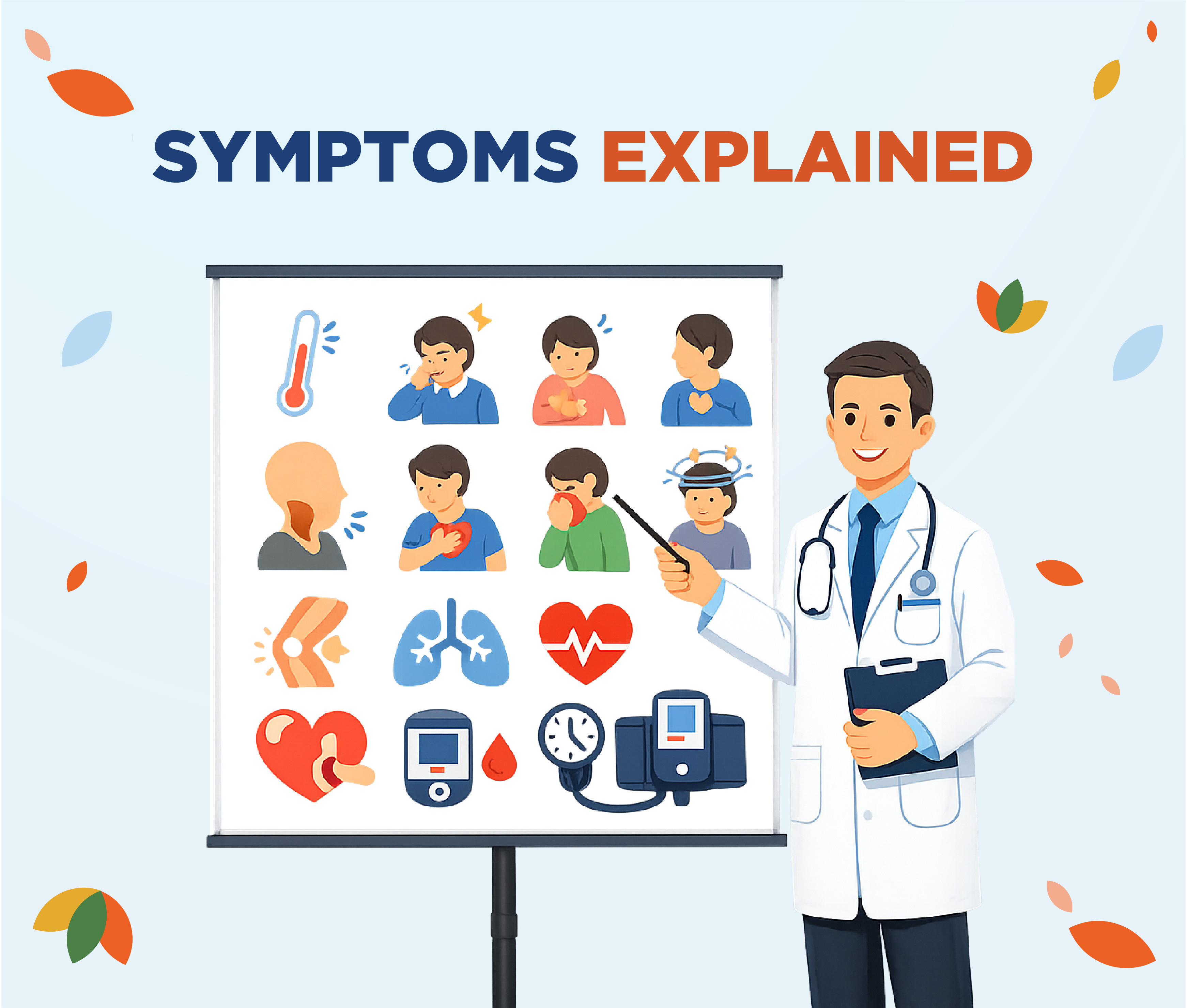
Symptoms of Dehydration can manifest in various ways and may significantly impact your health. Recognizing dehydration symptoms early is crucial for effective treatment and prevention, ensuring your body remains properly hydrated and functions optimally.
Top 20 Symptoms of Dehydration
- Thirst: A strong desire to drink water is often the first sign of dehydration.
- Dry mouth: A lack of saliva can lead to a dry, sticky feeling in the mouth.
- Fatigue: Feeling unusually tired or lethargic can be a symptom of dehydration.
- Dizziness: A feeling of lightheadedness or unsteadiness can occur when dehydrated.
- Dark urine: Concentrated urine that appears darker than usual is a common indicator.
- Reduced urine output: Less frequent urination can signal dehydration.
- Dry skin: Skin may lose its elasticity and appear less supple when dehydrated.
- Headache: Dehydration can lead to tension and migraine-like headaches.
- Increased heart rate: The heart may work harder to pump blood when dehydrated.
- Muscle cramps: A lack of fluids can lead to painful muscle contractions.
- Confusion: Severe dehydration can cause disorientation or cognitive issues.
- Sunken eyes: Eyes may appear sunken or hollow in cases of significant fluid loss.
- Rapid breathing: An increased respiratory rate can be a response to dehydration.
- Dry or cracked lips: Lips may become chapped and less elastic.
- Dehydration Symptoms can include a lack of sweat, even in hot conditions.
- Fainting: Severe dehydration can lead to fainting or loss of consciousness.
- Cold extremities: Hands and feet may feel cold due to decreased blood flow.
- Elevated body temperature: Dehydration can cause a rise in body temperature.
- Increased thirst sensation: An intense urge to drink more fluids is a warning sign.
- Skin tenting: When pinched, the skin may take longer to return to its normal position.
What is Dehydration?
Dehydration is a condition that occurs when the body loses more fluids than it takes in, disrupting its normal balance of water and electrolytes. This can happen due to various reasons, such as excessive sweating, vomiting, diarrhea, or inadequate fluid intake. Common dehydration symptoms include dry mouth, fatigue, dizziness, and dark-colored urine. In severe cases, it can lead to serious health complications, making it essential to recognize and address the signs early. Staying hydrated by drinking water and consuming hydrating foods is crucial for maintaining overall health and preventing dehydration.
How Common is Dehydration
- Dehydration affects individuals of all ages, but young children and the elderly are at higher risk.
- Approximately 75% of Americans are chronically dehydrated due to inadequate water intake.
- During hot weather, the incidence of dehydration increases significantly, especially in outdoor activities.
- Sports-related dehydration is common, with athletes losing up to 6-10% of body weight in sweat during intense exercise.
- Chronic illnesses, such as diabetes, can lead to increased fluid loss, raising the risk of dehydration.
- According to the World Health Organization, dehydration is a common complication in children under five years old.
- Dehydration can occur rapidly in older adults due to diminished thirst sensation and increased medication use.
- In hospitals, dehydration is frequently underdiagnosed, particularly in patients with acute illnesses.
- Seasonal changes can also influence dehydration rates, with winter months leading to decreased fluid consumption.
- Studies indicate that a significant portion of the population does not meet the recommended daily water intake, contributing to dehydration prevalence.
What are the Causes and Risk Factors of Dehydration?
| Factor / Cause | Description |
|---|---|
| Inadequate Fluid Intake | Not consuming enough fluids, especially in hot weather or during physical activity, can lead to dehydration. |
| Excessive Sweating | High levels of perspiration during exercise or in hot climates can result in significant fluid loss. |
| Illness | Conditions such as fever, vomiting, or diarrhea can cause rapid fluid loss and increase the risk of dehydration. |
| Age | Young children and older adults are more susceptible to dehydration due to decreased thirst sensation and lower fluid reserves. |
| Certain Medications | Diuretics and some other medications can increase urine production, leading to fluid loss and dehydration. |
| Chronic Health Conditions | Conditions such as diabetes can increase urination and fluid loss, raising the risk of dehydration. |
| Alcohol Consumption | Alcohol is a diuretic that can lead to increased urination and fluid loss, contributing to dehydration. |
| High-Protein Diet | A diet rich in protein can increase the body's need for water to metabolize the protein, increasing dehydration risk. |
| High Altitude | At higher elevations, breathing more rapidly can lead to increased fluid loss through respiration, necessitating higher fluid intake. |
| Physical Activity | Engaging in strenuous activities without adequate hydration can significantly raise the risk of dehydration. |
What are the Signs and Symptoms of Dehydration?
Dehydration occurs when the body loses more fluids than it takes in, leading to various signs and symptoms. Common dehydration symptoms include thirst, dry mouth, and reduced urine output. As dehydration progresses, individuals may experience fatigue, dizziness, and confusion. In severe cases, symptoms can escalate to rapid heartbeat, sunken eyes, and fainting. It's essential to recognize these signs early, especially in vulnerable populations such as children and the elderly, as dehydration can quickly become serious. Staying hydrated by drinking water regularly is crucial in preventing these dehydration symptoms and maintaining overall health.
Early-Stage Symptoms of Dehydration
Early-stage symptoms of dehydration can often go unnoticed, making it essential to be aware of the warning signs. Common dehydration symptoms include increased thirst, dry mouth, and decreased urine output. Individuals may also experience fatigue, dizziness, or lightheadedness, particularly during physical activity. In some cases, a slight headache can occur, indicating that the body is signaling its need for hydration. Recognizing these early signs is crucial for preventing more severe dehydration, which can lead to serious health issues. Staying vigilant about fluid intake, especially in hot weather or during exercise, can help maintain optimal hydration levels.
Advanced Symptoms of Dehydration
Advanced symptoms of dehydration can manifest in various ways, indicating a critical need for medical attention. Individuals may experience extreme thirst, dry mouth, and reduced urine output, which are early dehydration symptoms. However, as dehydration progresses, symptoms can escalate to confusion, dizziness, rapid heartbeat, and fainting. In severe cases, a person might also exhibit sunken eyes and a lack of sweating. Recognizing these advanced dehydration symptoms is crucial, as they can lead to serious complications if not addressed promptly. Staying hydrated is essential for overall health, and awareness of these symptoms can aid in prevention and timely intervention.
Symptoms of Dehydration in Male
Dehydration symptoms in males can manifest in various ways, often starting with mild signs such as thirst and dry mouth. As fluid loss continues, more pronounced symptoms may appear, including fatigue, dizziness, and confusion. Males may also experience decreased urine output, dark-colored urine, and dry skin. In severe cases, dehydration can lead to rapid heartbeat and shallow breathing. It's crucial for males to recognize these symptoms early to prevent complications, as dehydration can affect overall health and physical performance. Staying adequately hydrated is essential, especially during hot weather or intense physical activity.
Symptoms of Dehydration in Female
Dehydration in females can manifest through a variety of symptoms that may vary in severity. Common dehydration symptoms include excessive thirst, dry mouth, and decreased urine output. Women may also experience fatigue, dizziness, and headaches as their body struggles to maintain proper hydration levels. Additionally, skin may become dry and less elastic, and in severe cases, confusion or irritability can occur. It's crucial for women to recognize these signs early, as dehydration can lead to more serious health issues if not addressed promptly. Staying hydrated is essential for overall well-being and optimal bodily functions.
How is Dehydration Diagnosed?
- Review of medical history and symptoms, including thirst, dry mouth, and fatigue.
- Physical examination to check for signs like dry skin, low blood pressure, and rapid heart rate.
- Assessment of fluid intake and output, including urine color and frequency.
- Blood tests to measure electrolyte levels and kidney function.
- Urinalysis to evaluate concentration and specific gravity of urine.
- Monitoring vital signs such as heart rate and blood pressure changes.
- Skin turgor test to assess elasticity and hydration status.
- Observation of neurological signs, such as confusion or dizziness.
- Use of specialized tests, if necessary, to evaluate underlying causes of dehydration.
- Collaboration with other healthcare professionals for comprehensive assessment and diagnosis.
What are the Reversal Strategies for Dehydration?
Reversal strategies for dehydration focus on replenishing lost fluids and electrolytes to restore the body's balance. Recognizing dehydration symptoms, such as dry mouth, fatigue, and dizziness, is crucial for timely intervention. Oral rehydration solutions (ORS) containing a precise mix of salts and sugars can effectively combat mild to moderate dehydration. For severe cases, intravenous fluids may be necessary to ensure rapid rehydration. Additionally, increasing the intake of water-rich foods and beverages, such as fruits and soups, can help prevent dehydration in the first place. Prompt addressing of dehydration symptoms is essential for maintaining overall health and well-being.
FAQs on Dehydration
What is dehydration?
Dehydration occurs when the body loses more fluids than it takes in, leading to an imbalance in water and electrolytes. This can result from excessive sweating, vomiting, diarrhea, or insufficient fluid intake.
What are the symptoms of dehydration?
Common symptoms of dehydration include thirst, dry mouth, fatigue, dizziness, dark yellow urine, and confusion. Severe dehydration can lead to more serious complications and requires immediate medical attention.
How can I prevent dehydration?
To prevent dehydration, it's essential to drink plenty of fluids throughout the day, especially in hot weather or during exercise. Consuming foods with high water content, like fruits and vegetables, also helps maintain hydration.
Who is at risk for dehydration?
Individuals most at risk for dehydration include young children, elderly adults, and those with chronic illnesses. Athletes and people working in hot environments are also susceptible due to increased fluid loss through sweat.
How is dehydration treated?
Treatment for dehydration typically involves replenishing lost fluids and electrolytes. Mild cases can often be managed with oral rehydration solutions, while severe cases may require intravenous fluids administered by healthcare professionals.
Disclaimer: The information provided about Dehydration Symptoms is intended for general educational and informational purposes only. It should not be considered medical advice or used as a substitute for consultation with a qualified healthcare professional. Symptoms may differ from person to person and can be linked to a variety of medical conditions. This content is not intended for self-diagnosis or treatment. If you notice ongoing, severe, or unusual symptoms related to Dehydration, it is important to seek guidance from a licensed medical professional for proper diagnosis and care.