

Diabetes Symptoms
Health symptoms can sometimes be easy to ignore, but they may also be a sign that medical attention is needed. Knowing the possible causes, related signs, and when to seek care can help people make better health decisions.
Unexpected medical expenses can arise from consultations, tests, or treatment, making health insurance an important part of financial preparedness. Readers can fill out the form below with their name and phone number to get a health insurance quote.
Personalized Coverage
Cashless Hospitals
Quick and Easy Claims
24/7 Customer Service
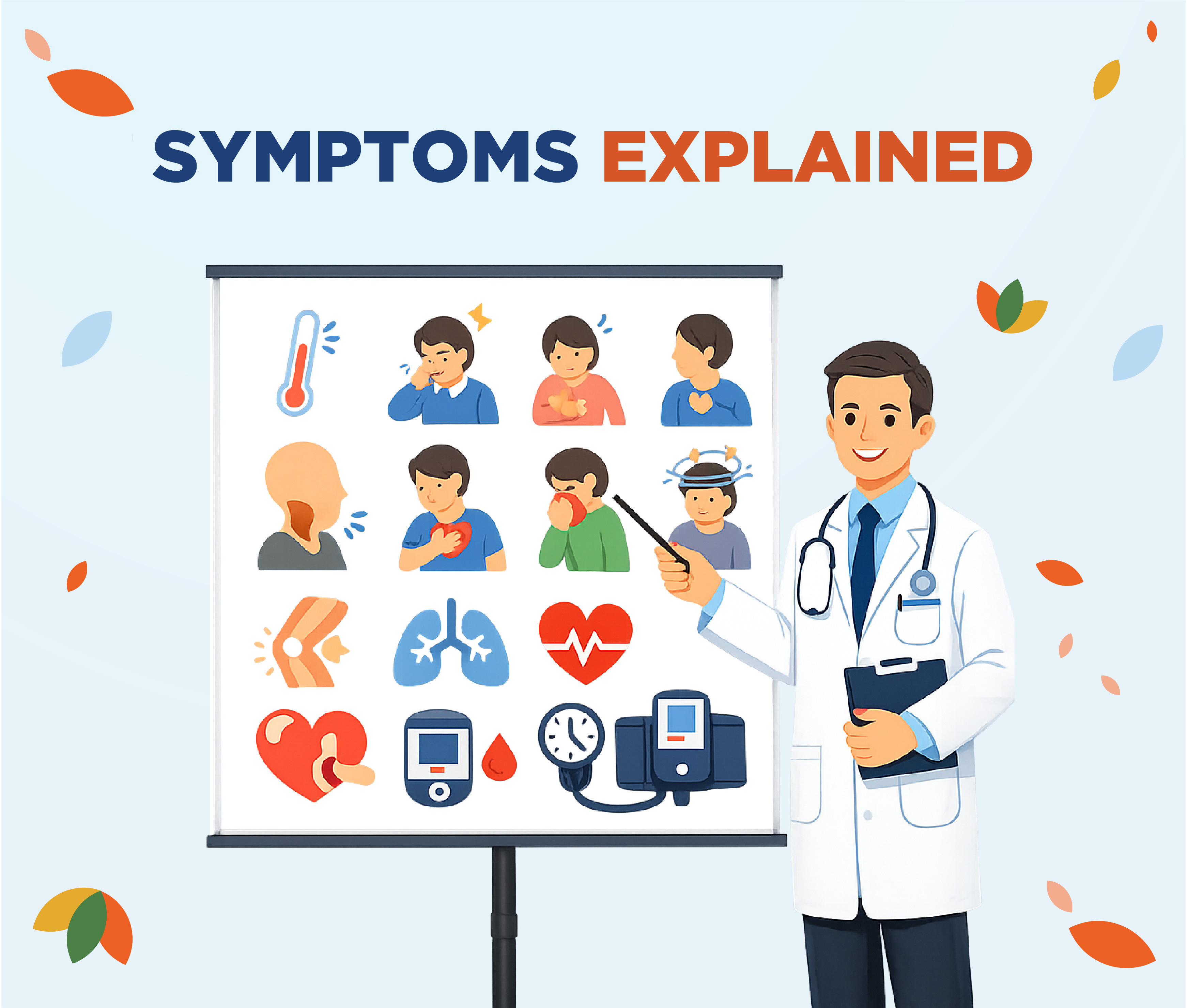
Symptoms of Diabetes can vary widely among individuals, but common indicators often include increased thirst, frequent urination, and fatigue. Recognizing these diabetes symptoms early is crucial for effective management and prevention of complications.
Top 20 Symptoms of Diabetes
- Increased thirst and dry mouth
- Frequent urination
- Extreme hunger and increased appetite
- Unexplained weight loss
- Fatigue and weakness
- Blurred vision
- Slow healing of cuts and wounds
- Frequent infections, including skin and urinary tract infections
- Tingling or numbness in hands or feet
- Dark patches of skin, especially in the neck or armpits
- Dry, itchy skin
- Gums that are red or swollen
- Increased risk of developing heart disease
- Diabetes symptoms may include mood changes and irritability
- Heavy breathing or difficulty breathing
- Presence of sweet, fruity breath odor
- Elevated blood sugar levels
- Feeling very tired after meals
- Recurrent skin infections or yeast infections
- Loss of consciousness or fainting spells
What is Diabetes?
Diabetes is a chronic medical condition that occurs when the body cannot effectively regulate blood sugar levels. This can be due to insufficient insulin production or the body's inability to respond to insulin properly. There are two main types of diabetes: Type 1, which is typically diagnosed in childhood, and Type 2, which often develops later in life and is associated with lifestyle factors. Common diabetes symptoms include increased thirst, frequent urination, extreme fatigue, and blurred vision. Early diagnosis and management are crucial to prevent complications and maintain a healthy lifestyle.
How Common is Diabetes
- Diabetes affects over 463 million adults globally, according to the International Diabetes Federation.
- Approximately 1 in 10 adults has diabetes, making it a prevalent health concern.
- The prevalence of diabetes is increasing, with an estimated rise to 700 million by 2045 if current trends continue.
- Type 2 diabetes accounts for about 90-95% of all diabetes cases worldwide.
- In the United States, around 34.2 million people, or 10.5% of the population, have diabetes.
- The risk of developing diabetes increases with age, particularly in individuals over 45.
- Obesity is a major risk factor, with overweight individuals being much more likely to develop type 2 diabetes.
- Diabetes is more common in certain ethnic groups, including African Americans, Hispanics, and Native Americans.
- Gestational diabetes affects about 2-10% of pregnant women, increasing the risk of developing type 2 diabetes later.
- Early detection and management of diabetes can significantly reduce the risk of complications, highlighting its importance in public health.
What are the Causes and Risk Factors of Diabetes?
| Factor / Cause | Description |
|---|---|
| Genetic Factors | Family history of diabetes increases the risk due to genetic predisposition. |
| Obesity | Excess body weight, especially visceral fat, is a significant risk factor for type 2 diabetes. |
| Physical Inactivity | Low levels of physical activity contribute to weight gain and insulin resistance. |
| Unhealthy Diet | High intake of refined carbohydrates, sugars, and unhealthy fats can lead to diabetes. |
| Age | Risk of developing diabetes increases with age, particularly after 45 years. |
| Insulin Resistance | Cells in the body become resistant to insulin, leading to elevated blood sugar levels. |
| Gestational Diabetes | Women who had diabetes during pregnancy are at higher risk of developing type 2 diabetes later. |
| Hypertension | High blood pressure is often associated with insulin resistance and increases diabetes risk. |
| Abnormal Cholesterol Levels | Low HDL cholesterol and high triglycerides can increase the risk of diabetes. |
| Stress | Chronic stress may affect blood sugar levels and insulin sensitivity, contributing to diabetes risk. |
What are the Signs and Symptoms of Diabetes?
Diabetes is a chronic condition that can manifest through various signs and symptoms. Common diabetes symptoms include frequent urination, increased thirst, and heightened hunger. Individuals may also experience unexplained weight loss, fatigue, and blurred vision. In some cases, slow-healing sores or frequent infections can occur. It's crucial to recognize these signs early, as unmanaged diabetes can lead to severe complications. If you notice any of these symptoms, consulting a healthcare professional is essential for proper diagnosis and management. Early intervention can significantly improve the quality of life for those living with diabetes.
Early-Stage Symptoms of Diabetes
Early-stage symptoms of diabetes often go unnoticed, yet they are crucial for early diagnosis and management. Common diabetes symptoms include increased thirst, frequent urination, and unexplained fatigue. Individuals may also experience blurred vision and slow-healing wounds. These symptoms arise as the body struggles to regulate blood sugar levels, leading to excess glucose in the bloodstream. Recognizing these early signs can be vital in preventing the progression of the disease and its complications. If you or someone you know is experiencing these symptoms, it is essential to consult a healthcare professional for evaluation and potential testing for diabetes.
Advanced Symptoms of Diabetes
Advanced symptoms of diabetes can significantly impact a person's quality of life. As the condition progresses, individuals may experience increased fatigue, blurred vision, and frequent urination. Moreover, slow-healing wounds and recurrent infections are common diabetes symptoms that indicate elevated blood sugar levels. Neuropathy may also occur, leading to tingling or numbness in the extremities. It is crucial for those experiencing these advanced symptoms to seek medical attention promptly, as they can lead to serious complications if left unmanaged. Regular monitoring and lifestyle adjustments can help mitigate these effects and improve overall health.
Symptoms of Diabetes in Male
Diabetes symptoms in males can vary, but common indicators include excessive thirst, frequent urination, and increased hunger. Men may also experience fatigue, blurred vision, and slow-healing sores. Additionally, some may notice a decrease in libido or erectile dysfunction, which can be an alarming sign. It is crucial for men to recognize these diabetes symptoms early, as they can lead to more severe health complications if left untreated. Regular monitoring of blood sugar levels and a healthy lifestyle can help manage these symptoms effectively, ensuring better overall health and well-being.
Symptoms of Diabetes in Female
Diabetes symptoms in females can often be subtle and easily overlooked. Common signs include increased thirst, frequent urination, and unexplained weight loss. Additionally, women may experience fatigue, blurred vision, and slow-healing wounds. Hormonal fluctuations can lead to irregular menstrual cycles, and some may notice symptoms like yeast infections or urinary tract infections occurring more frequently. It's crucial for women to recognize these diabetes symptoms early, as timely diagnosis and management can prevent complications. Regular check-ups and monitoring blood sugar levels are essential for maintaining health and well-being in those at risk for diabetes.
How is Diabetes Diagnosed?
- Medical history evaluation, including symptoms and risk factors.
- Fasting blood sugar test to measure glucose levels after overnight fasting.
- Oral glucose tolerance test (OGTT) to assess blood sugar response to sugar intake.
- Random blood sugar test to check glucose levels at any time of the day.
- A1C test to measure average blood sugar levels over the past 2-3 months.
- Autoantibody tests to identify type 1 diabetes and autoimmune forms.
- C-peptide test to evaluate insulin production in the body.
- Urinalysis to check for glucose and ketones in urine.
- Continuous glucose monitoring for tracking blood sugar levels over time.
- Follow-up assessments to confirm diagnosis and monitor progression.
What are the Reversal Strategies for Diabetes?
Reversal strategies for diabetes focus on lifestyle changes that can significantly improve blood sugar control and potentially reduce or eliminate the need for medication. Key approaches include adopting a balanced diet rich in whole foods, engaging in regular physical activity, and maintaining a healthy weight. Monitoring diabetes symptoms, such as increased thirst or frequent urination, is crucial for understanding one's condition and making timely adjustments. Additionally, managing stress through mindfulness and adequate sleep can enhance overall well-being. By implementing these strategies, individuals can work towards reversing diabetes and improving their quality of life.
FAQs on Diabetes
What is diabetes?
Diabetes is a chronic condition where the body cannot effectively regulate blood sugar levels. It occurs when the pancreas does not produce enough insulin or when the body cannot use insulin properly, leading to high blood glucose levels.
What are the symptoms of diabetes?
Common symptoms of diabetes include increased thirst, frequent urination, extreme fatigue, blurred vision, and slow-healing wounds. If you experience these symptoms, it's important to consult a healthcare professional for proper diagnosis and management.
What are the types of diabetes?
There are primarily three types of diabetes: Type 1, where the body produces little or no insulin; Type 2, which is characterized by insulin resistance; and gestational diabetes, which occurs during pregnancy and usually resolves after childbirth.
How is diabetes managed?
Diabetes management includes a balanced diet, regular physical activity, blood sugar monitoring, and medication or insulin therapy as needed. Continuous education and support from healthcare professionals are vital for effective management.
Can diabetes be prevented?
Type 2 diabetes can often be prevented or delayed through lifestyle changes such as maintaining a healthy weight, eating a balanced diet, exercising regularly, and avoiding smoking. Early intervention is key to reducing risk factors.
Disclaimer: The information provided about Diabetes Symptoms is intended for general educational and informational purposes only. It should not be considered medical advice or used as a substitute for consultation with a qualified healthcare professional. Symptoms may differ from person to person and can be linked to a variety of medical conditions. This content is not intended for self-diagnosis or treatment. If you notice ongoing, severe, or unusual symptoms related to Diabetes, it is important to seek guidance from a licensed medical professional for proper diagnosis and care.