

Early Cancer Symptoms
Health symptoms can sometimes be easy to ignore, but they may also be a sign that medical attention is needed. Knowing the possible causes, related signs, and when to seek care can help people make better health decisions.
Unexpected medical expenses can arise from consultations, tests, or treatment, making health insurance an important part of financial preparedness. Readers can fill out the form below with their name and phone number to get a health insurance quote.
Personalized Coverage
Cashless Hospitals
Quick and Easy Claims
24/7 Customer Service
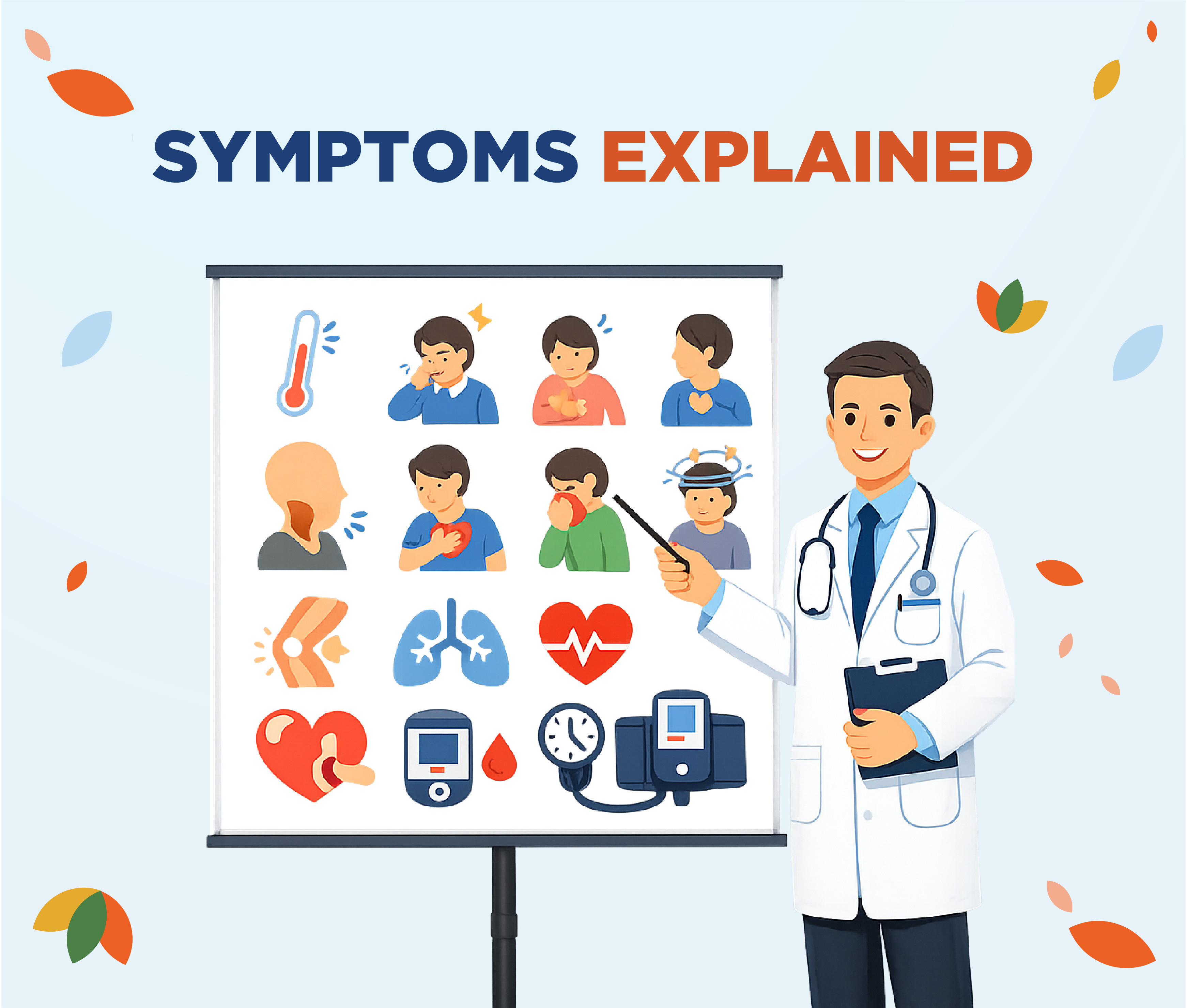
Symptoms of Early Cancer can often be subtle and easily overlooked. Recognizing Early Cancer Symptoms is crucial for timely diagnosis and treatment, potentially improving outcomes and survival rates for individuals facing this serious disease.
Top 20 Symptoms of Early Cancer
- Unexplained weight loss without changes in diet or exercise
- Persistent fatigue that doesn't improve with rest
- Changes in appetite, either increased or decreased
- Unusual lumps or swelling in any part of the body
- Chronic pain that does not go away
- Skin changes, such as new moles or changes to existing moles
- Bleeding or bruising easily without a known cause
- Persistent cough or hoarseness that lasts for weeks
- Difficulty swallowing or persistent indigestion
- Changes in bowel or bladder habits, such as diarrhea or frequent urination
- Unexplained fever or night sweats
- Drastic changes in energy levels or chronic weakness
- Early Cancer Symptoms may include unusual pain in specific areas
- Swollen lymph nodes, particularly in the neck, armpit, or groin
- Persistent headaches that worsen over time
- Changes in vision or unexplained eye problems
- Feeling full after small meals or loss of interest in eating
- Persistent nausea or vomiting with no clear cause
- Changes in skin color or texture, such as yellowing or redness
- Difficulty breathing or shortness of breath that is not related to exercise
What is Early Cancer?
Early cancer refers to the initial stage of cancer development, where malignant cells are just beginning to grow in the body. At this stage, the disease is often more treatable and has a better prognosis compared to later stages. Recognizing early cancer symptoms is crucial for timely intervention; these can include unexplained weight loss, persistent fatigue, changes in appetite, or unusual lumps. Early detection through regular screenings and awareness of these symptoms can significantly improve outcomes, making it essential for individuals to be vigilant about their health and consult a healthcare professional if they notice any concerning changes.
How Common is Early Cancer
- Early cancer detection varies widely by type, with some cancers being more commonly diagnosed in their early stages than others.
- According to the American Cancer Society, about 40% of cancers are diagnosed at an early stage when treatment is most effective.
- Breast cancer has a relatively high rate of early detection due to routine screening methods like mammograms.
- Prostate cancer is often diagnosed early, with many cases identified through prostate-specific antigen (PSA) testing.
- Colorectal cancer screening has improved early detection rates, with colonoscopies allowing for the identification of precancerous polyps.
- Skin cancer, particularly melanoma, can be detected early through regular skin checks and awareness of changes in moles.
- Some cancers, like pancreatic cancer, are often diagnosed at later stages due to subtle symptoms and lack of screening.
- Factors influencing early cancer diagnosis include age, genetics, lifestyle, and access to healthcare services.
- Public awareness campaigns and screening programs have been shown to increase early detection rates for various cancers.
- Overall, early cancer diagnosis is crucial for improving survival rates and treatment outcomes for patients.
What are the Causes and Risk Factors of Early Cancer?
| Factor / Cause | Description |
|---|---|
| Tobacco Use | Smoking and using tobacco products significantly increases the risk of several types of cancer, including lung, throat, and mouth cancer. |
| Alcohol Consumption | Excessive alcohol intake is linked to an increased risk of cancers such as breast, liver, and colorectal cancer. |
| Obesity | Being overweight or obese is associated with a higher risk of various cancers, including endometrial, breast, and kidney cancer. |
| Genetic Factors | Inherited mutations in certain genes, such as BRCA1 and BRCA2, can significantly increase the risk of developing breast and ovarian cancer. |
| Age | As people age, the risk of developing cancer increases, with most cancers being diagnosed in individuals over the age of 50. |
| Sun Exposure | Excessive exposure to ultraviolet (UV) radiation from the sun can lead to skin cancer, including melanoma. |
| Environmental Pollution | Exposure to certain pollutants and chemicals in the environment, such as asbestos and benzene, can increase cancer risk. |
| Infections | Certain viruses and bacteria, such as human papillomavirus (HPV) and Helicobacter pylori, are known to increase the risk of specific cancers. |
| Lack of Physical Activity | A sedentary lifestyle is associated with a higher risk of various cancers, as regular exercise can help maintain a healthy weight and hormone levels. |
| Poor Diet | Dietary factors, such as low intake of fruits and vegetables and high consumption of processed meats, can contribute to cancer risk. |
What are the Signs and Symptoms of Early Cancer?
Recognizing the signs and symptoms of early cancer is crucial for timely intervention and treatment. Common early cancer symptoms may include unexplained weight loss, persistent fatigue, and changes in appetite. Additionally, individuals may notice unusual lumps or swelling, changes in skin color or texture, and persistent cough or hoarseness. Other indicators can include alterations in bowel or bladder habits and unexplained bleeding. It is essential to consult a healthcare professional if these symptoms persist, as they can be indicative of various health issues, including early-stage cancers. Early detection significantly improves treatment outcomes, making awareness of these symptoms vital.
Early-Stage Symptoms of Early Cancer
Early-stage symptoms of early cancer can often be subtle and easily overlooked. Common early cancer symptoms may include unexplained weight loss, persistent fatigue, and changes in appetite. Individuals might also notice unusual lumps or swellings, skin changes, or persistent pain in specific areas. Additionally, unexplained fevers or night sweats can signal underlying health issues. Recognizing these signs early is crucial, as timely diagnosis can significantly improve treatment outcomes. Regular check-ups and being attentive to bodily changes can aid in the early detection of cancer, ultimately leading to more effective management of the disease.
Advanced Symptoms of Early Cancer
Advanced symptoms of early cancer can vary significantly depending on the type and location of the disease. Common early cancer symptoms may include unexplained weight loss, persistent fatigue, and changes in appetite. Additionally, individuals may experience unusual bleeding or persistent pain that doesn't seem to have an obvious cause. As the cancer progresses, symptoms may intensify, leading to severe discomfort, difficulty breathing, or noticeable lumps. Early detection is crucial; thus, recognizing these symptoms and seeking medical attention can greatly improve outcomes. It is essential to be vigilant about any changes in your health and consult a healthcare professional for guidance.
Symptoms of Early Cancer in Male
Early cancer symptoms in males can often be subtle and easily overlooked. Common signs include unexplained weight loss, persistent fatigue, and changes in appetite. Men may also experience unusual lumps or swelling, especially in the testicular area or lymph nodes. Additional symptoms can involve persistent pain, difficulty swallowing, or changes in bowel or bladder habits. It's crucial for men to pay attention to these early warning signs, as early detection significantly improves treatment outcomes. Regular check-ups and consultations with healthcare professionals can aid in identifying these early cancer symptoms and ensuring timely intervention.
Symptoms of Early Cancer in Female
Early cancer symptoms in females can often be subtle, making awareness crucial for early detection. Common signs may include unexplained weight loss, persistent fatigue, and changes in appetite. Additionally, unusual bleeding or discharge, particularly from the breast or reproductive organs, can be indicative of issues that warrant further investigation. Changes in skin appearance, such as new moles or alterations in existing ones, may also signal underlying problems. It's essential for women to be vigilant about these early cancer symptoms and consult a healthcare professional if they notice any persistent or concerning changes in their health.
How is Early Cancer Diagnosed?
- Regular screenings such as mammograms for breast cancer and colonoscopies for colorectal cancer.
- Use of imaging techniques like X-rays, CT scans, MRI, and PET scans to detect abnormalities.
- Blood tests, including tumor markers, to identify cancerous cells or substances produced by tumors.
- Biopsies to obtain tissue samples for microscopic examination to confirm cancer diagnosis.
- Genetic testing to identify inherited mutations that increase cancer risk.
- Physical examinations where healthcare providers look for lumps or unusual changes.
- Patient-reported symptoms like unexplained weight loss, persistent pain, or changes in bowel habits.
- Endoscopy procedures to visualize internal organs and take tissue samples if necessary.
- Advanced techniques such as liquid biopsies to detect circulating tumor DNA in the blood.
- Multidisciplinary approaches involving oncologists, radiologists, and pathologists for accurate diagnosis.
What are the Reversal Strategies for Early Cancer?
Reversal strategies for early cancer focus on detecting and addressing the disease at its initial stages, significantly improving patient outcomes. Recognizing early cancer symptoms, such as unexplained weight loss, persistent fatigue, or changes in skin appearance, is crucial for timely intervention. These strategies may include lifestyle modifications like improved diet, increased physical activity, and stress management techniques, alongside emerging therapies that target cancerous cells more effectively. Integrating regular screenings and genetic testing into healthcare routines can further enhance the chances of reversing early-stage cancer, providing hope and fostering a proactive approach to cancer management.
FAQs on Early Cancer
What is early cancer?
Early cancer refers to cancer that is detected at an initial stage, often before it has spread significantly. Early detection increases treatment options and improves survival rates, making screenings vital for high-risk individuals.
How can I detect early cancer?
Early cancer detection can be achieved through regular screenings such as mammograms, colonoscopies, and Pap tests, along with being aware of physical changes and symptoms. Consulting with a healthcare provider is essential for personalized screening recommendations.
What are the common signs of early cancer?
Common signs of early cancer may include unexplained weight loss, persistent fatigue, changes in skin or moles, unusual bleeding, and lumps in the body. However, these symptoms can also be related to other conditions, so medical evaluation is crucial.
How does early cancer treatment differ from later stages?
Early cancer treatment often involves less aggressive approaches, such as surgery or localized therapies, while later stages may require more extensive treatments like chemotherapy or radiation. Early intervention generally leads to better outcomes and fewer side effects.
Can lifestyle changes help prevent early cancer?
Yes, adopting a healthy lifestyle can significantly reduce the risk of cancer. This includes maintaining a balanced diet, regular exercise, avoiding tobacco, and limiting alcohol consumption. These changes can improve overall health and lower cancer risk.
Disclaimer: The information provided about Early Cancer Symptoms is intended for general educational and informational purposes only. It should not be considered medical advice or used as a substitute for consultation with a qualified healthcare professional. Symptoms may differ from person to person and can be linked to a variety of medical conditions. This content is not intended for self-diagnosis or treatment. If you notice ongoing, severe, or unusual symptoms related to Early Cancer, it is important to seek guidance from a licensed medical professional for proper diagnosis and care.