

Epstein Barr Virus Symptoms
Health symptoms can sometimes be easy to ignore, but they may also be a sign that medical attention is needed. Knowing the possible causes, related signs, and when to seek care can help people make better health decisions.
Unexpected medical expenses can arise from consultations, tests, or treatment, making health insurance an important part of financial preparedness. Readers can fill out the form below with their name and phone number to get a health insurance quote.
Personalized Coverage
Cashless Hospitals
Quick and Easy Claims
24/7 Customer Service
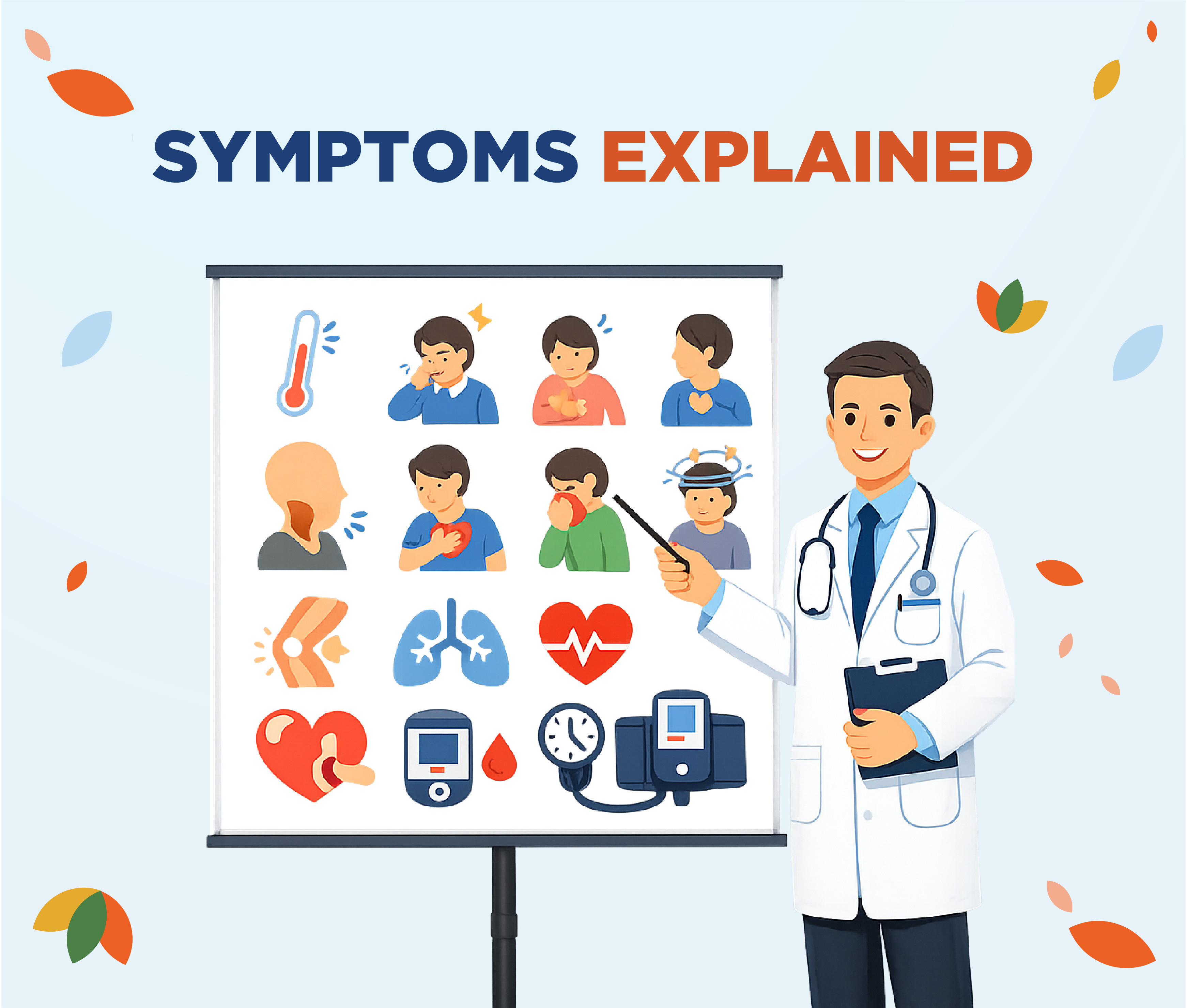
Symptoms of Epstein Barr Virus can vary widely among individuals, often leading to confusion. Understanding the range of Epstein Barr Virus symptoms is crucial for accurate diagnosis and effective management of the infection.
Top 20 Symptoms of Epstein Barr Virus
- Fatigue and extreme tiredness
- Fever and chills
- Sore throat and swollen tonsils
- Swollen lymph nodes in the neck and armpits
- Headaches
- Muscle weakness and pain
- Loss of appetite
- Night sweats
- Skin rash
- Jaundice (yellowing of the skin and eyes)
- Enlarged spleen or liver
- Difficulty concentrating or brain fog
- Joint pain
- Heart palpitations
- Epstein Barr Virus symptoms may include a sore stomach
- Insomnia or trouble sleeping
- Increased sensitivity to light
- Persistent cough
- General malaise or feeling unwell
- Rash resembling measles
- Rapid weight loss
What is Epstein Barr Virus?
Epstein Barr Virus (EBV) is a member of the herpesvirus family and is one of the most common viruses in humans. It is primarily known for causing infectious mononucleosis, often referred to as "mono." The virus spreads through saliva, making it easy to transmit through kissing or sharing drinks. While many people are infected with EBV at some point in their lives, not everyone will exhibit symptoms. Common Epstein Barr Virus symptoms include fatigue, fever, sore throat, and swollen lymph nodes. In some cases, EBV can lead to more severe complications, making awareness of the virus and its symptoms crucial for early detection and management.
How Common is Epstein Barr Virus
- Epstein-Barr Virus (EBV) is one of the most common human viruses, with an estimated 90-95% of adults having been infected by it at some point in their lives.
- The virus is primarily transmitted through saliva, making it commonly known as the "kissing disease."
- EBV is the causative agent of infectious mononucleosis, often seen in teenagers and young adults.
- In developing countries, the majority of children are infected with EBV by the age of 2 to 3 years.
- In developed countries, infection rates tend to be lower in childhood, with many individuals becoming infected in their late teens or early adulthood.
- Once infected, EBV remains dormant in the body and can reactivate later in life, even if symptoms are not present.
- Some studies suggest that up to 50% of the population may experience EBV reactivation under certain conditions, such as stress or immunosuppression.
- EBV is associated with various diseases beyond mononucleosis, including certain cancers like Hodgkin's lymphoma and nasopharyngeal carcinoma.
- Despite its prevalence, many people infected with EBV do not exhibit any symptoms, making it a silent infection for many.
- Ongoing research continues to explore the long-term impacts of EBV infection on health and its potential role in autoimmune diseases.
What are the Causes and Risk Factors of Epstein Barr Virus?
| Factor / Cause | Description |
|---|---|
| Infection with Epstein-Barr Virus | The primary cause of infectious mononucleosis and associated diseases. |
| Age | Most commonly affects adolescents and young adults. |
| Immune System Status | Individuals with weakened immune systems are at higher risk of complications. |
| Close Contact | Transmission often occurs through saliva, making close personal contact a risk factor. |
| Sharing Personal Items | Sharing drinks, utensils, or toothbrushes can facilitate the spread of the virus. |
| Geographic Location | EBV prevalence varies by region; higher incidence in developing countries. |
| Environmental Factors | Crowded living conditions can increase the likelihood of transmission. |
| Family History | A family history of EBV-related diseases may indicate a higher risk. |
| Co-infection with Other Viruses | Presence of other viral infections may increase susceptibility to EBV. |
| Stress | High levels of stress may weaken the immune response, increasing risk. |
What are the Signs and Symptoms of Epstein Barr Virus?
The Epstein Barr Virus (EBV) is a common virus that can lead to various signs and symptoms. One of the most recognizable manifestations is infectious mononucleosis, which often presents with extreme fatigue, sore throat, swollen lymph nodes, and fever. Other Epstein Barr Virus symptoms may include headaches, rash, and loss of appetite. Some individuals may also experience splenomegaly, or an enlarged spleen, which can cause abdominal discomfort. While many people recover fully, EBV can also be associated with more serious complications, highlighting the importance of recognizing these symptoms early for appropriate management and care.
Early-Stage Symptoms of Epstein Barr Virus
Early-stage symptoms of the Epstein Barr Virus (EBV) can often be mistaken for other illnesses, making it essential to recognize them. Common Epstein Barr Virus symptoms include fatigue, fever, swollen lymph nodes, and sore throat. Many individuals may also experience headaches, muscle aches, and a general feeling of malaise. In some cases, a mild rash may develop. These symptoms typically appear four to six weeks after exposure to the virus. If you suspect you may have contracted EBV, it's important to consult a healthcare professional for accurate diagnosis and appropriate management, as early intervention can help alleviate discomfort.
Advanced Symptoms of Epstein Barr Virus
Advanced symptoms of Epstein Barr Virus (EBV) can manifest in various ways, often leading to significant discomfort and health challenges. Patients may experience prolonged fatigue, severe headaches, and persistent sore throat, which are common Epstein Barr Virus symptoms. Additionally, some individuals may develop swollen lymph nodes, liver enlargement, and even complications such as splenomegaly. In rare cases, EBV can lead to more serious conditions like autoimmune disorders or certain types of cancer. It is crucial for those experiencing these advanced symptoms to seek medical attention for proper diagnosis and management.
Symptoms of Epstein Barr Virus in Male
The Epstein Barr Virus, commonly associated with infectious mononucleosis, can present a variety of symptoms in males. Common Epstein Barr Virus symptoms include extreme fatigue, fever, sore throat, and swollen lymph nodes. Males may also experience headaches, muscle aches, and an enlarged spleen. In some cases, symptoms can be more severe, leading to complications such as hepatitis or splenic rupture. While many recover within a few weeks, some may experience lingering fatigue or other issues for months. Understanding these symptoms is crucial for timely diagnosis and management of the virus, ensuring appropriate care and recovery.
Symptoms of Epstein Barr Virus in Female
Epstein Barr Virus (EBV) can manifest differently in females, with a range of symptoms that may vary in intensity. Common Epstein Barr Virus symptoms include extreme fatigue, sore throat, swollen lymph nodes, and fever. Some women may also experience headaches, muscle aches, and a general feeling of malaise. In certain cases, EBV can lead to more severe complications, such as hepatitis or autoimmune disorders. It's essential for females experiencing these symptoms to consult a healthcare provider for proper diagnosis and management, as early intervention can help prevent long-term health issues associated with the virus.
How is Epstein Barr Virus Diagnosed?
- Clinical evaluation of symptoms, including fatigue, fever, and lymphadenopathy.
- Blood tests to check for the presence of heterophile antibodies (Monospot test).
- Specific antibody tests to detect IgM and IgG antibodies against Epstein-Barr Virus.
- Polymerase chain reaction (PCR) tests to detect viral DNA in blood or other body fluids.
- Complete blood count (CBC) to identify atypical lymphocytes and increased white blood cell counts.
- Serological tests to measure levels of viral capsid antigen (VCA) and early antigen (EA).
- Assessment of liver function tests, as EBV can cause liver inflammation.
- History and physical examination to rule out other conditions with similar symptoms.
- Use of imaging studies, such as ultrasound, to evaluate spleen size if splenomegaly is suspected.
- Monitoring of symptoms over time, as diagnosis may be confirmed as symptoms evolve.
What are the Reversal Strategies for Epstein Barr Virus?
Reversal strategies for Epstein Barr Virus (EBV) focus on managing the symptoms and reducing the viral load in the body. Effective approaches include antiviral medications, immune system support through nutrition, and lifestyle modifications. Patients often experience a range of Epstein Barr Virus symptoms, such as fatigue, fever, and swollen lymph nodes, which can be alleviated by maintaining a balanced diet rich in antioxidants and staying hydrated. Additionally, stress management techniques like yoga and meditation can enhance immune function, potentially leading to a decrease in EBV activity. Early intervention and consistent monitoring are crucial for effective management of this viral infection.
FAQs on Epstein Barr Virus
What is Epstein Barr Virus (EBV)?
Epstein Barr Virus (EBV) is a member of the herpesvirus family and is best known for causing infectious mononucleosis. It is also associated with several cancers and autoimmune diseases, as it remains dormant in the body after the initial infection.
How is Epstein Barr Virus transmitted?
EBV is primarily spread through saliva, which is why it is often referred to as the "kissing disease." It can also be transmitted through shared drinks, utensils, and in rare cases, organ transplants and blood transfusions.
What are the symptoms of an EBV infection?
Common symptoms of an EBV infection include fever, sore throat, swollen lymph nodes, fatigue, and enlarged spleen. Some individuals may have mild symptoms or none at all, especially in cases of reactivation of the virus.
Can Epstein Barr Virus be treated?
There is no specific antiviral treatment for EBV. Management typically focuses on relieving symptoms, such as rest, hydration, and over-the-counter pain relievers. Most people recover fully without complications.
Is there a vaccine for Epstein Barr Virus?
As of now, there is no licensed vaccine to prevent Epstein Barr Virus infection. Research is ongoing to develop a vaccine, but current preventive measures focus on avoiding exposure to the virus.
Disclaimer: The information provided about Epstein Barr Virus Symptoms is intended for general educational and informational purposes only. It should not be considered medical advice or used as a substitute for consultation with a qualified healthcare professional. Symptoms may differ from person to person and can be linked to a variety of medical conditions. This content is not intended for self-diagnosis or treatment. If you notice ongoing, severe, or unusual symptoms related to Epstein Barr Virus, it is important to seek guidance from a licensed medical professional for proper diagnosis and care.