

H1N1 Symptoms
Health symptoms can sometimes be easy to ignore, but they may also be a sign that medical attention is needed. Knowing the possible causes, related signs, and when to seek care can help people make better health decisions.
Unexpected medical expenses can arise from consultations, tests, or treatment, making health insurance an important part of financial preparedness. Readers can fill out the form below with their name and phone number to get a health insurance quote.
Personalized Coverage
Cashless Hospitals
Quick and Easy Claims
24/7 Customer Service
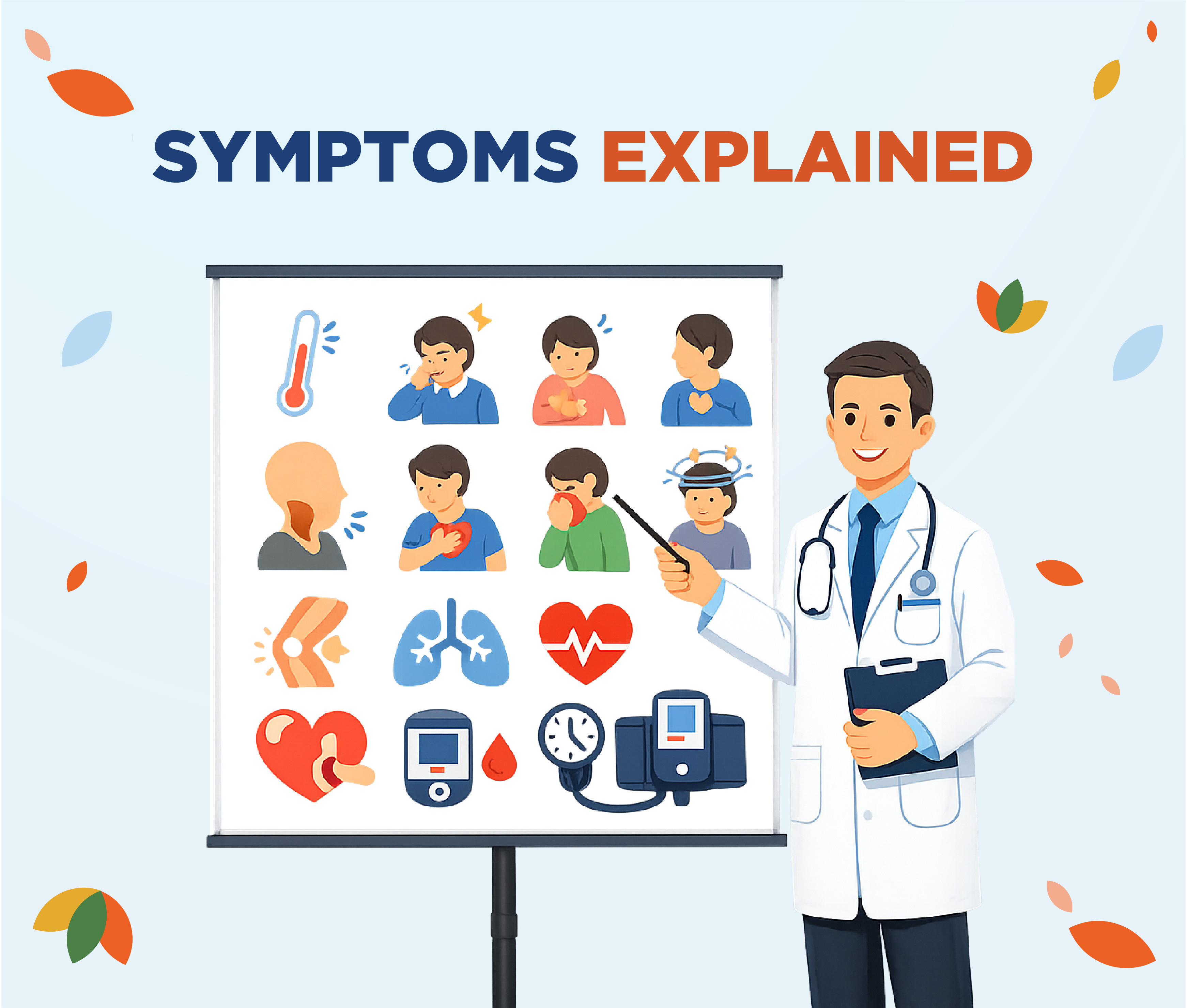
Symptoms of H1N1 can range from mild to severe and often resemble those of regular flu. Recognizing H1N1 symptoms early is crucial for effective management and prevention of complications. Seek medical advice if you experience these signs.
Top 20 Symptoms of H1N1
- Fever or chills
- Cough
- Sore throat
- Runny or stuffy nose
- Body aches
- Headache
- Fatigue
- Diarrhea
- Vomiting
- Shortness of breath
- Chest pain
- Muscle or joint pain
- Loss of appetite
- Excessive sweating
- Confusion or disorientation
- H1N1 symptoms may vary in severity
- Difficulty sleeping due to coughing
- Wheezing
- Skin rash in some cases
- Fever lasting longer than 3 days
- Symptoms worsening after initial improvement
What is H1N1?
H1N1, commonly known as swine flu, is a respiratory infection caused by the H1N1 influenza virus. Initially identified in pigs, it became a concern for human health during the 2009 pandemic. The virus spreads easily from person to person, leading to widespread outbreaks. H1N1 symptoms resemble those of seasonal flu and may include fever, cough, sore throat, body aches, and fatigue. In some cases, it can lead to more severe complications, particularly in vulnerable populations such as young children, the elderly, and individuals with underlying health conditions. Vaccination and good hygiene practices are key in preventing H1N1 infections.
How Common is H1N1
- H1N1, also known as swine flu, first emerged in 2009 and caused a global pandemic.
- The World Health Organization (WHO) declared the H1N1 pandemic officially over in August 2010.
- H1N1 viruses continue to circulate seasonally in humans, contributing to annual flu cases.
- In the United States, H1N1 accounted for approximately 10%-30% of flu cases during typical flu seasons.
- Pregnant women, young children, and individuals with certain health conditions are at higher risk for severe H1N1 illness.
- Vaccination against H1N1 is included in the seasonal flu vaccine, providing broader protection.
- H1N1 infections have been reported globally, with varying prevalence depending on the region and season.
- While H1N1 is less lethal than initially feared, it can still lead to serious complications in vulnerable populations.
- Public health surveillance continues to monitor H1N1 activity and vaccine effectiveness each flu season.
- Awareness and vaccination are key to reducing the spread and impact of H1N1 in communities.
What are the Causes and Risk Factors of H1N1?
| Factor / Cause | Description |
|---|---|
| Human-to-Human Transmission | H1N1 spreads primarily through respiratory droplets when an infected person coughs or sneezes. |
| Close Contact | Being in close proximity to an infected person increases the likelihood of transmission. |
| Weakened Immune System | Individuals with compromised immune systems are at a higher risk for severe illness from H1N1. |
| Chronic Medical Conditions | Conditions such as asthma, diabetes, and heart disease can increase the risk of complications. |
| Pregnancy | Pregnant women are at greater risk for severe outcomes from H1N1 infection. |
| Young Age | Children under the age of 5 are more susceptible to H1N1 infection and its complications. |
| Age Over 65 | Older adults face increased risk due to age-related decline in immune function. |
| Obesity | Obesity is associated with higher rates of severe illness and hospitalization from H1N1. |
| Living in Crowded Conditions | Overcrowded living situations facilitate the spread of the virus. |
| Lack of Vaccination | Not receiving the H1N1 vaccine increases susceptibility to infection. |
What are the Signs and Symptoms of H1N1?
H1N1, commonly known as swine flu, presents with a variety of signs and symptoms that can resemble those of seasonal influenza. Key H1N1 symptoms include fever, cough, sore throat, body aches, and fatigue. Some individuals may also experience chills, headaches, and gastrointestinal issues like nausea or diarrhea. It's important to note that not everyone infected will exhibit all these signs, and severity can vary. Early detection and treatment are crucial, especially for high-risk groups such as children, the elderly, and those with underlying health conditions. If you experience these symptoms, seek medical advice promptly to prevent complications.
Early-Stage Symptoms of H1N1
Early-stage symptoms of H1N1, commonly known as swine flu, often resemble those of seasonal influenza. Individuals may experience fever, chills, fatigue, and body aches as initial signs. Respiratory symptoms, such as a cough and sore throat, can also manifest early on. It's essential to be aware of these H1N1 symptoms to seek timely medical advice, especially for vulnerable populations like young children and the elderly. While many may recover without complications, monitoring these early signs can help prevent the spread of the virus and ensure appropriate treatment if needed.
Advanced Symptoms of H1N1
Advanced symptoms of H1N1 can become severe and may lead to serious complications. While initial H1N1 symptoms often include fever, cough, and sore throat, more advanced cases may present with difficulty breathing, chest pain, and persistent vomiting. Patients may also experience confusion or seizures, which indicate a need for immediate medical attention. In some instances, the influenza virus can lead to pneumonia or acute respiratory distress syndrome, particularly in high-risk groups such as young children, elderly individuals, or those with underlying health conditions. Recognizing these advanced H1N1 symptoms is crucial for prompt treatment and better outcomes.
Symptoms of H1N1 in Male
H1N1, commonly known as swine flu, presents a range of symptoms in males that may vary in severity. Common H1N1 symptoms include high fever, cough, sore throat, body aches, and fatigue. Males may also experience chills, headaches, and nasal congestion. In some cases, gastrointestinal issues like diarrhea and vomiting can occur. It's crucial for men exhibiting these symptoms to seek medical attention, especially if they have underlying health conditions that could complicate the infection. Early diagnosis and treatment can significantly improve outcomes and reduce the risk of severe complications associated with H1N1. Staying informed about H1N1 symptoms can aid in timely intervention.
Symptoms of H1N1 in Female
H1N1, commonly known as swine flu, can affect individuals differently, with symptoms in females often mirroring those in males. Common H1N1 symptoms include fever, cough, sore throat, body aches, and fatigue. Some females may experience gastrointestinal issues such as nausea and diarrhea. It is important to note that women who are pregnant or have underlying health conditions may face more severe symptoms and complications. Recognizing these H1N1 symptoms early can aid in prompt medical attention and treatment, reducing the risk of serious health issues. Maintaining awareness of these signs is crucial for effective management and prevention.
How is H1N1 Diagnosed?
- Medical history review to assess symptoms and potential exposure to the virus.
- Physical examination to identify respiratory symptoms such as cough and fever.
- Rapid influenza diagnostic tests (RIDTs) to detect H1N1 antigens in respiratory specimens.
- Polymerase chain reaction (PCR) testing for more accurate detection of H1N1 viral RNA.
- Viral culture to grow the virus from respiratory samples, though this is less commonly used.
- Serological tests to measure antibodies against H1N1 in blood samples.
- Chest X-rays to evaluate complications such as pneumonia associated with H1N1 infection.
- Assessment of symptoms duration and severity to differentiate between H1N1 and other flu types.
- Use of clinical algorithms to guide diagnosis based on symptomatology and risk factors.
- Consultation with public health authorities for surveillance data on H1N1 outbreaks in the area.
What are the Reversal Strategies for H1N1?
Reversal strategies for H1N1 focus on effective prevention and treatment to mitigate the impact of the virus. Vaccination remains the most crucial method, helping to build immunity against H1N1 and reduce severe cases. Additionally, public health initiatives promote awareness of H1N1 symptoms, such as fever, cough, and body aches, enabling early detection and prompt care. Antiviral medications can also be employed to shorten the duration of illness when administered early. By combining vaccination efforts with education on H1N1 symptoms and timely medical intervention, communities can significantly decrease the spread and severity of this infectious disease.
FAQs on H1N1
What is H1N1?
H1N1, also known as swine flu, is a respiratory disease caused by the H1N1 influenza virus. It primarily affects pigs but can infect humans, leading to flu-like symptoms. The virus was responsible for the 2009 pandemic, causing widespread illness globally.
How is H1N1 transmitted?
H1N1 is spread through respiratory droplets when an infected person coughs, sneezes, or talks. It can also spread by touching surfaces contaminated with the virus and then touching the mouth, nose, or eyes.
What are the symptoms of H1N1?
Symptoms of H1N1 are similar to seasonal flu and may include fever, cough, sore throat, body aches, fatigue, and sometimes vomiting or diarrhea. Severe cases can lead to pneumonia or hospitalization, especially in high-risk individuals.
How can H1N1 be prevented?
Preventive measures include receiving the annual flu vaccine, practicing good hand hygiene, avoiding close contact with infected individuals, and staying home when sick. Vaccination is particularly important for vulnerable populations.
Is there treatment for H1N1?
Yes, antiviral medications such as oseltamivir (Tamiflu) and zanamivir (Relenza) can be effective in treating H1N1, especially if taken within the first 48 hours of symptom onset. Supportive care is also essential for recovery.
Disclaimer: The information provided about H1N1 Symptoms is intended for general educational and informational purposes only. It should not be considered medical advice or used as a substitute for consultation with a qualified healthcare professional. Symptoms may differ from person to person and can be linked to a variety of medical conditions. This content is not intended for self-diagnosis or treatment. If you notice ongoing, severe, or unusual symptoms related to H1N1, it is important to seek guidance from a licensed medical professional for proper diagnosis and care.