

Haemophilia Symptoms
Health symptoms can sometimes be easy to ignore, but they may also be a sign that medical attention is needed. Knowing the possible causes, related signs, and when to seek care can help people make better health decisions.
Unexpected medical expenses can arise from consultations, tests, or treatment, making health insurance an important part of financial preparedness. Readers can fill out the form below with their name and phone number to get a health insurance quote.
Personalized Coverage
Cashless Hospitals
Quick and Easy Claims
24/7 Customer Service
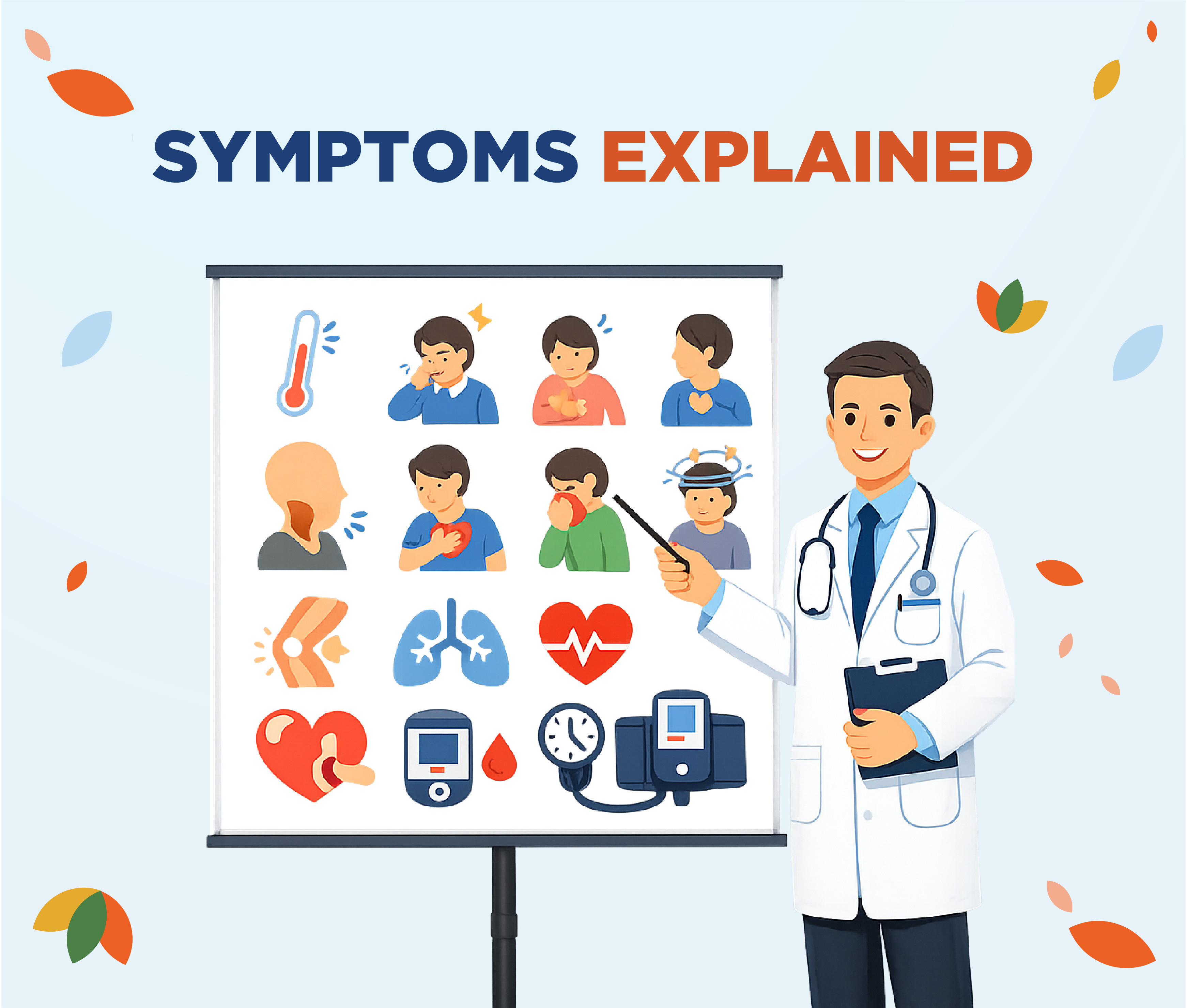
Symptoms of Haemophilia can vary in severity and may include prolonged bleeding, easy bruising, and joint pain. Understanding Haemophilia symptoms is crucial for early diagnosis and effective management of this genetic disorder.
Top 20 Symptoms of Haemophilia
- Frequent and prolonged bleeding after injuries or surgeries.
- Unexpected bleeding without an obvious cause.
- Easy bruising from minor bumps or impacts.
- Joint pain, swelling, or stiffness due to internal bleeding.
- Blood in urine or stool.
- Severe nosebleeds that occur without a clear reason.
- Heavy bleeding during dental procedures.
- Prolonged menstrual bleeding in females.
- Formation of large bruises (hematomas) that may take longer to heal.
- Frequent bleeding in the mouth or gums.
- Haemophilia symptoms may include swelling in the limbs or joints.
- Increased bleeding during childbirth or postpartum.
- Blood accumulation in the brain after a head injury.
- Recurrent bleeding into muscles, leading to pain and swelling.
- Presence of blood in vomit or cough.
- Feeling fatigued or weak due to blood loss.
- Difficulty walking or moving due to joint bleeding.
- Signs of shock, such as pale skin or rapid heartbeat, in severe cases.
- Changes in skin color or temperature in areas of bleeding.
- Frequent infections that may complicate bleeding episodes.
- Difficulty managing bleeding during athletic activities.
What is Haemophilia?
Haemophilia is a genetic bleeding disorder that impairs the body's ability to clot blood, leading to prolonged bleeding after injuries or surgeries. It is primarily caused by a deficiency in certain clotting factors, with Haemophilia A and B being the most common types. Individuals with this condition may experience various Haemophilia symptoms, such as frequent nosebleeds, easy bruising, and excessive bleeding from cuts. Additionally, spontaneous bleeding into joints and muscles can occur, causing pain and swelling. Early diagnosis and treatment are crucial for managing the condition and preventing complications, allowing individuals to lead healthier lives.
How Common is Haemophilia
- Haemophilia A and B are among the most common inherited bleeding disorders.
- Haemophilia A occurs in approximately 1 in 5,000 male births.
- Haemophilia B is less common, affecting about 1 in 30,000 male births.
- Both types of haemophilia predominantly affect males due to their X-linked recessive inheritance pattern.
- Women can be carriers of the haemophilia gene but typically do not exhibit severe symptoms.
- Global prevalence varies, with higher rates reported in certain populations, such as Caucasians.
- In the United States, an estimated 20,000 individuals have haemophilia A.
- Haemophilia B affects roughly 3,000 individuals in the U.S.
- Early diagnosis and treatment have improved life expectancy and quality of life for those affected.
- Advancements in gene therapy and treatment options are changing the landscape for haemophilia management.
What are the Causes and Risk Factors of Haemophilia?
| Factor / Cause | Description |
|---|---|
| Genetic Mutations | Haemophilia is primarily caused by mutations in the genes responsible for producing clotting factors. |
| Family History | A family history of haemophilia increases the risk, as it is an X-linked recessive disorder. |
| Gender | Haemophilia predominantly affects males due to its X-linked inheritance pattern. |
| Carrier Status | Females can be carriers of the haemophilia gene and may pass it on to their sons. |
| Genetic Counseling | Individuals with a family history may benefit from genetic counseling to understand their risks. |
| Severe Forms of Haemophilia | Severe forms of the disease are often caused by significant disruptions in clotting factor genes. |
| Environmental Factors | Some environmental factors, such as certain medications, can exacerbate bleeding disorders. |
| Age | Symptoms may not appear until later in life; thus, age can influence diagnosis and management. |
| Other Health Conditions | Conditions affecting platelet function or liver health can complicate bleeding and clotting. |
| Ethnicity | Some ethnic groups may have a higher prevalence of haemophilia due to genetic factors. |
What are the Signs and Symptoms of Haemophilia?
Haemophilia is a genetic disorder that impairs the body's ability to control blood clotting. Common Haemophilia symptoms include excessive bleeding from cuts or injuries, frequent nosebleeds, and easy bruising. Individuals may also experience prolonged bleeding after surgery or dental work, as well as spontaneous bleeding into joints and muscles, which can cause swelling and pain. In severe cases, bleeding can occur internally, leading to serious complications. Recognizing these signs early is crucial for effective management and treatment. If you suspect you or someone you know exhibits these Haemophilia symptoms, consulting a healthcare professional is essential for proper diagnosis and care.
Early-Stage Symptoms of Haemophilia
Early-stage symptoms of haemophilia can be subtle and may vary depending on the severity of the condition. Individuals often experience frequent bruising with minimal trauma, prolonged bleeding from cuts, and spontaneous bleeding episodes, particularly in joints and muscles. Other haemophilia symptoms include excessive bleeding during dental work or surgery, as well as blood in urine or stool. These signs can be easily overlooked, leading to delays in diagnosis. Recognizing these early symptoms is crucial for timely intervention and management, helping to prevent more severe complications associated with this inherited bleeding disorder.
Advanced Symptoms of Haemophilia
Advanced symptoms of haemophilia can significantly impact an individual's quality of life. In addition to the common signs of excessive bleeding and easy bruising, patients may experience spontaneous bleeding episodes, particularly in muscles and joints, leading to severe pain and swelling. Hemarthrosis, or bleeding into joints, can cause long-term damage and mobility issues if not treated promptly. Moreover, individuals may face complications such as internal bleeding in vital organs, which can be life-threatening. Recognizing these advanced haemophilia symptoms is crucial for early intervention and effective management to prevent severe complications and maintain overall health.
Symptoms of Haemophilia in Male
Haemophilia is a genetic disorder that affects the blood's ability to clot, leading to prolonged bleeding. In males, common Haemophilia symptoms include frequent nosebleeds, easy bruising, and excessive bleeding from cuts or injuries. Additionally, males may experience joint pain and swelling due to internal bleeding, particularly in the knees, elbows, and ankles. Symptoms can vary in severity, often depending on the specific type of haemophilia. Early diagnosis and management are crucial to prevent complications and improve the quality of life for those affected. Understanding these symptoms helps in seeking timely medical intervention.
Symptoms of Haemophilia in Female
Haemophilia is a genetic disorder that primarily affects males, but females can also exhibit symptoms. Female carriers may experience mild to moderate Haemophilia symptoms, such as prolonged bleeding after injuries, heavy menstrual periods, and easy bruising. In some cases, women may not realize they have the condition until they experience complications during surgery or childbirth. Additionally, symptoms can vary widely; some women may have no symptoms at all, while others may experience significant bleeding issues. Understanding these Haemophilia symptoms is crucial for early diagnosis and management, allowing affected females to lead healthier lives.
How is Haemophilia Diagnosed?
- Family history assessment to identify hereditary patterns of bleeding disorders.
- Physical examination to check for signs of bleeding, such as bruising or joint swelling.
- Blood tests to measure clotting factor levels, including activated partial thromboplastin time (aPTT).
- Coagulation factor assays to determine specific deficiencies in clotting factors.
- Genetic testing to identify mutations in genes associated with haemophilia.
- Platelet function tests to evaluate how well platelets are functioning in clotting.
- Assessment of prothrombin time (PT) to rule out other bleeding disorders.
- Evaluation of the patient's medical history for any past bleeding episodes.
- Consultation with a hematologist for specialized diagnostic insights.
- Use of imaging studies, such as ultrasound or MRI, to assess joint damage from bleeding episodes.
What are the Reversal Strategies for Haemophilia?
Reversal strategies for haemophilia focus on effectively managing bleeding episodes and reducing the severity of haemophilia symptoms. One approach involves administering clotting factor concentrates, which help restore the blood's ability to clot and mitigate bleeding. Additionally, antifibrinolytic agents can be used to stabilize clots and prevent excessive bleeding during surgeries or dental procedures. For patients experiencing severe reactions, desmopressin may be administered to prompt the release of stored clotting factors. These strategies aim to enhance the quality of life for individuals with haemophilia, allowing them to engage more fully in daily activities while minimizing the impact of their condition.
FAQs on Haemophilia
What is Haemophilia?
Haemophilia is a genetic bleeding disorder where blood does not clot properly due to a deficiency of specific clotting factors. This leads to prolonged bleeding after injuries, surgeries, or spontaneous bleeding episodes, particularly in joints and muscles.
What are the types of Haemophilia?
There are mainly two types of Haemophilia: Haemophilia A, which is caused by a deficiency of Factor VIII, and Haemophilia B, caused by a deficiency of Factor IX. Both types are inherited and result in similar bleeding symptoms.
How is Haemophilia diagnosed?
Haemophilia is diagnosed through a combination of family history, physical examinations, and blood tests. These tests measure the levels of clotting factors in the blood, helping to determine the type and severity of the disorder.
What treatments are available for Haemophilia?
Treatment for Haemophilia typically involves replacing the missing clotting factor through infusions. Additional treatments may include medications to enhance clotting or preventive measures to reduce bleeding episodes, tailored to the individual's needs.
Can Haemophilia be cured?
Currently, there is no cure for Haemophilia, but it can be effectively managed with appropriate treatment and care. Ongoing research is exploring potential gene therapies that may offer a long-term solution in the future.
Disclaimer: The information provided about Haemophilia Symptoms is intended for general educational and informational purposes only. It should not be considered medical advice or used as a substitute for consultation with a qualified healthcare professional. Symptoms may differ from person to person and can be linked to a variety of medical conditions. This content is not intended for self-diagnosis or treatment. If you notice ongoing, severe, or unusual symptoms related to Haemophilia, it is important to seek guidance from a licensed medical professional for proper diagnosis and care.