

Heart Block Symptoms
Health symptoms can sometimes be easy to ignore, but they may also be a sign that medical attention is needed. Knowing the possible causes, related signs, and when to seek care can help people make better health decisions.
Unexpected medical expenses can arise from consultations, tests, or treatment, making health insurance an important part of financial preparedness. Readers can fill out the form below with their name and phone number to get a health insurance quote.
Personalized Coverage
Cashless Hospitals
Quick and Easy Claims
24/7 Customer Service
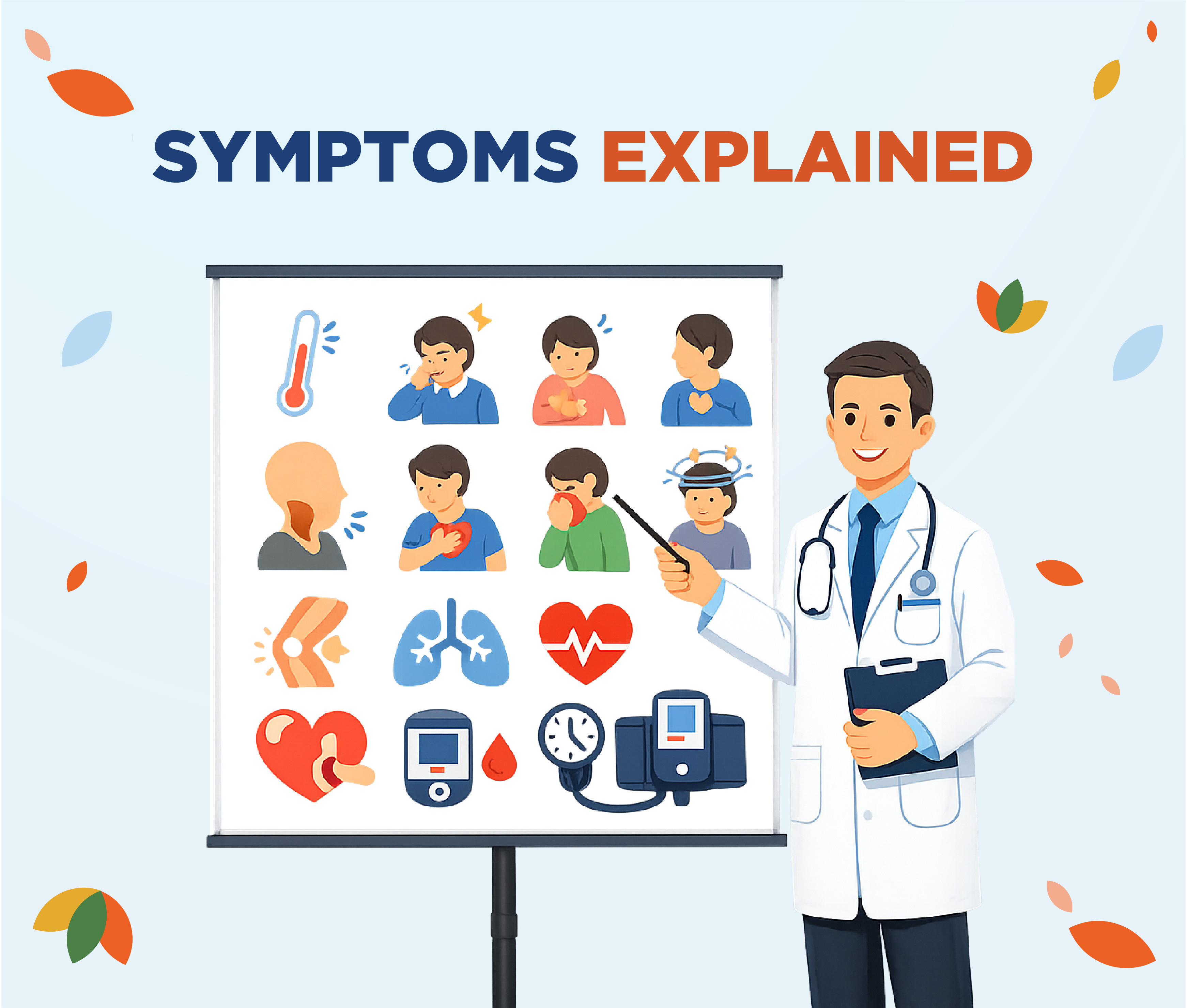
Symptoms of Heart Block can vary in severity and may include fatigue, dizziness, and palpitations. Understanding these heart block symptoms is crucial for early diagnosis and effective management of this potentially serious condition.
Top 20 Symptoms of Heart Block
- Fatigue or weakness, especially during physical activity
- Shortness of breath, which may worsen with exertion
- Dizziness or lightheadedness, especially when standing up
- Fainting or near-fainting episodes
- Palpitations or irregular heartbeat sensations
- Chest pain or discomfort
- Confusion or difficulty concentrating
- Increased heart rate at rest
- Feeling of a skipped heartbeat
- Heart Block Symptoms may include severe fatigue
- Swelling in the legs, ankles, or feet
- Cold sweat or clammy skin
- Difficulty exercising or performing routine activities
- Unexplained anxiety or a sense of impending doom
- Low blood pressure, which may cause fainting
- Changes in appetite due to discomfort
- Persistent cough or wheezing
- Frequent urination, especially at night
- Blurred vision or visual disturbances
- Feeling unusually tired even after rest
- Rapid or slow heart rate not typical for the individual
What is Heart Block?
Heart block is a condition that occurs when the electrical signals that coordinate the heart's beats are disrupted. This disruption can be partial or complete and results in a slower heart rate or irregular heart rhythms. The severity of heart block can vary, with some individuals experiencing mild symptoms while others may face significant health risks. Common heart block symptoms include fatigue, dizziness, shortness of breath, and palpitations. In more severe cases, it can lead to fainting or heart failure. Proper diagnosis and treatment are essential to manage heart block effectively and to maintain overall cardiovascular health.
How Common is Heart Block
- Heart block is a relatively common condition, affecting approximately 1 in 600 individuals.
- It is more prevalent in older adults, particularly those over the age of 65.
- Congenital heart block occurs in about 1% of newborns, often linked to maternal autoimmune diseases.
- Heart block can occur after heart surgery, with rates varying from 1% to 5% depending on the procedure.
- Certain medications, especially those affecting the heart's electrical system, can increase the risk of heart block.
- People with underlying heart conditions, such as coronary artery disease or cardiomyopathy, are at higher risk.
- Heart block is often asymptomatic; many individuals may not realize they have it until tested.
- Approximately 20% of patients with heart block may require a pacemaker for treatment.
- Incidence rates of heart block increase with the presence of other comorbidities like hypertension and diabetes.
- Regular monitoring and early detection are crucial, especially for those at higher risk of developing heart block.
What are the Causes and Risk Factors of Heart Block?
| Factor / Cause | Description |
|---|---|
| Coronary Artery Disease | Blockage of the coronary arteries can lead to reduced blood flow to the heart muscle, contributing to heart block. |
| Myocardial Infarction | A heart attack can damage the heart's electrical system, potentially causing heart block. |
| Cardiomyopathy | This disease of the heart muscle can disrupt the normal electrical signaling, leading to heart block. |
| Congenital Heart Defects | Structural heart abnormalities present at birth can interfere with the heart's electrical pathways. |
| Medications | Certain medications, such as beta-blockers or calcium channel blockers, can slow down electrical conduction in the heart. |
| Electrolyte Imbalances | Abnormal levels of potassium, calcium, or magnesium can affect the heart's electrical activity. |
| Infections | Viral infections, such as myocarditis, can cause inflammation and damage to the heart's electrical system. |
| Age | As people age, the heart's electrical conduction system can naturally degenerate, increasing the risk of heart block. |
| Autoimmune Diseases | Conditions like lupus or rheumatoid arthritis can lead to inflammation of heart tissues, affecting the electrical conduction. |
| Previous Heart Surgery | Surgeries on the heart can sometimes disrupt the electrical pathways, resulting in heart block. |
What are the Signs and Symptoms of Heart Block?
Heart block is a condition where the electrical signals in the heart are disrupted, leading to a slower or irregular heartbeat. Common heart block symptoms include dizziness, fatigue, and shortness of breath. In more severe cases, individuals may experience chest pain, fainting, or a sensation of the heart racing or skipping beats. These symptoms can vary depending on the degree of the block, with first-degree block often presenting with mild or no symptoms, while second and third-degree blocks may lead to more pronounced issues. It is essential to seek medical attention if experiencing any of these heart block symptoms to prevent complications.
Early-Stage Symptoms of Heart Block
Early-stage symptoms of heart block may often go unnoticed, but they play a crucial role in identifying potential heart issues. Individuals may experience fatigue, dizziness, or lightheadedness, particularly during physical activity. Some may also report palpitations or an irregular heartbeat. These heart block symptoms can range from mild to severe, depending on the degree of the block. It's essential to pay attention to these early signs, as they may indicate a disruption in the heart's electrical signals. If you or someone you know experiences these symptoms, seeking medical advice promptly can help in managing the condition effectively.
Advanced Symptoms of Heart Block
Advanced symptoms of heart block can significantly impact a person's health and quality of life. As the condition progresses, individuals may experience severe fatigue, dizziness, or fainting spells due to inadequate blood flow. Heart block symptoms may also include palpitations or an irregular heartbeat, which can indicate disruptions in the electrical signals of the heart. In more severe cases, patients may exhibit signs of heart failure, such as shortness of breath and swelling in the legs or abdomen. Early recognition and management of these advanced symptoms are crucial for preventing serious complications and ensuring appropriate medical intervention.
Symptoms of Heart Block in Male
Heart block symptoms in males can vary in severity and may include fatigue, dizziness, and fainting spells. Other common signs are palpitations or a sensation of a slow or irregular heartbeat. Some men may experience chest pain or shortness of breath, particularly during physical activity. In more severe cases, heart block can lead to significant complications, including heart failure or sudden cardiac arrest. It is essential for men experiencing these heart block symptoms to seek medical attention promptly, as early diagnosis and management can significantly improve outcomes and quality of life.
Symptoms of Heart Block in Female
Heart block symptoms in females can vary, often presenting subtle signs that may be overlooked. Common symptoms include fatigue, dizziness, and shortness of breath, especially during physical activity. Some women may experience palpitations or an irregular heartbeat, which can lead to fainting or near-fainting episodes. Emotional stress and anxiety may exacerbate these symptoms, making it crucial for women to recognize changes in their health. Additionally, heart block can manifest as chest discomfort or pain, further complicating the diagnosis. Awareness of these heart block symptoms is essential for early detection and effective management of this cardiac condition.
How is Heart Block Diagnosed?
- Patient medical history evaluation for symptoms like dizziness or fainting.
- Physical examination focusing on heart rate and rhythm.
- Electrocardiogram (ECG or EKG) to measure electrical activity of the heart.
- Holter monitor test for continuous heart rhythm monitoring over 24-48 hours.
- Event recorder to capture heart rhythm during specific symptoms or episodes.
- Stress test to assess heart function under physical exertion.
- Echocardiogram to visualize heart structure and function.
- Electrophysiological study (EPS) to map electrical signals in the heart.
- Blood tests to check for underlying conditions affecting heart function.
- Consultation with a cardiologist for further assessment and diagnosis.
What are the Reversal Strategies for Heart Block?
Reversal strategies for heart block involve a combination of medical interventions and lifestyle modifications aimed at alleviating heart block symptoms and improving overall cardiovascular health. Treatment may include the use of medications such as atropine or epinephrine to enhance heart rate and conduction. In cases of severe block, a pacemaker may be required to restore normal heart rhythms. Additionally, addressing underlying conditions such as ischemic heart disease or electrolyte imbalances is crucial. Patients are also encouraged to adopt heart-healthy habits, such as regular exercise and a balanced diet, which can help mitigate symptoms and improve heart function over time.
FAQs on Heart Block
What is heart block?
Heart block is a condition where the electrical signals in the heart are delayed or blocked, affecting the heart's ability to pump effectively. It can lead to irregular heartbeats, dizziness, and in severe cases, fainting or heart failure.
What are the types of heart block?
There are three main types of heart block: first-degree, second-degree (Type I and Type II), and third-degree. Each type varies in severity and impact on heart function, with third-degree being the most serious, where signals are completely blocked.
What are the symptoms of heart block?
Symptoms may include fatigue, dizziness, palpitations, shortness of breath, and fainting. Some individuals may remain asymptomatic, especially with first-degree heart block, while others may experience significant health issues requiring intervention.
How is heart block diagnosed?
Heart block is typically diagnosed through an electrocardiogram (ECG), which records the electrical activity of the heart. Additional tests may include Holter monitoring or an electrophysiological study to assess the severity and type of block.
What are the treatment options for heart block?
Treatment depends on the severity of the block. Mild cases may require monitoring, while more severe cases might necessitate medications or the implantation of a pacemaker to regulate heart rhythm and improve blood flow.
Disclaimer: The information provided about Heart Block Symptoms is intended for general educational and informational purposes only. It should not be considered medical advice or used as a substitute for consultation with a qualified healthcare professional. Symptoms may differ from person to person and can be linked to a variety of medical conditions. This content is not intended for self-diagnosis or treatment. If you notice ongoing, severe, or unusual symptoms related to Heart Block, it is important to seek guidance from a licensed medical professional for proper diagnosis and care.