

High Cortisol Symptoms
Health symptoms can sometimes be easy to ignore, but they may also be a sign that medical attention is needed. Knowing the possible causes, related signs, and when to seek care can help people make better health decisions.
Unexpected medical expenses can arise from consultations, tests, or treatment, making health insurance an important part of financial preparedness. Readers can fill out the form below with their name and phone number to get a health insurance quote.
Personalized Coverage
Cashless Hospitals
Quick and Easy Claims
24/7 Customer Service
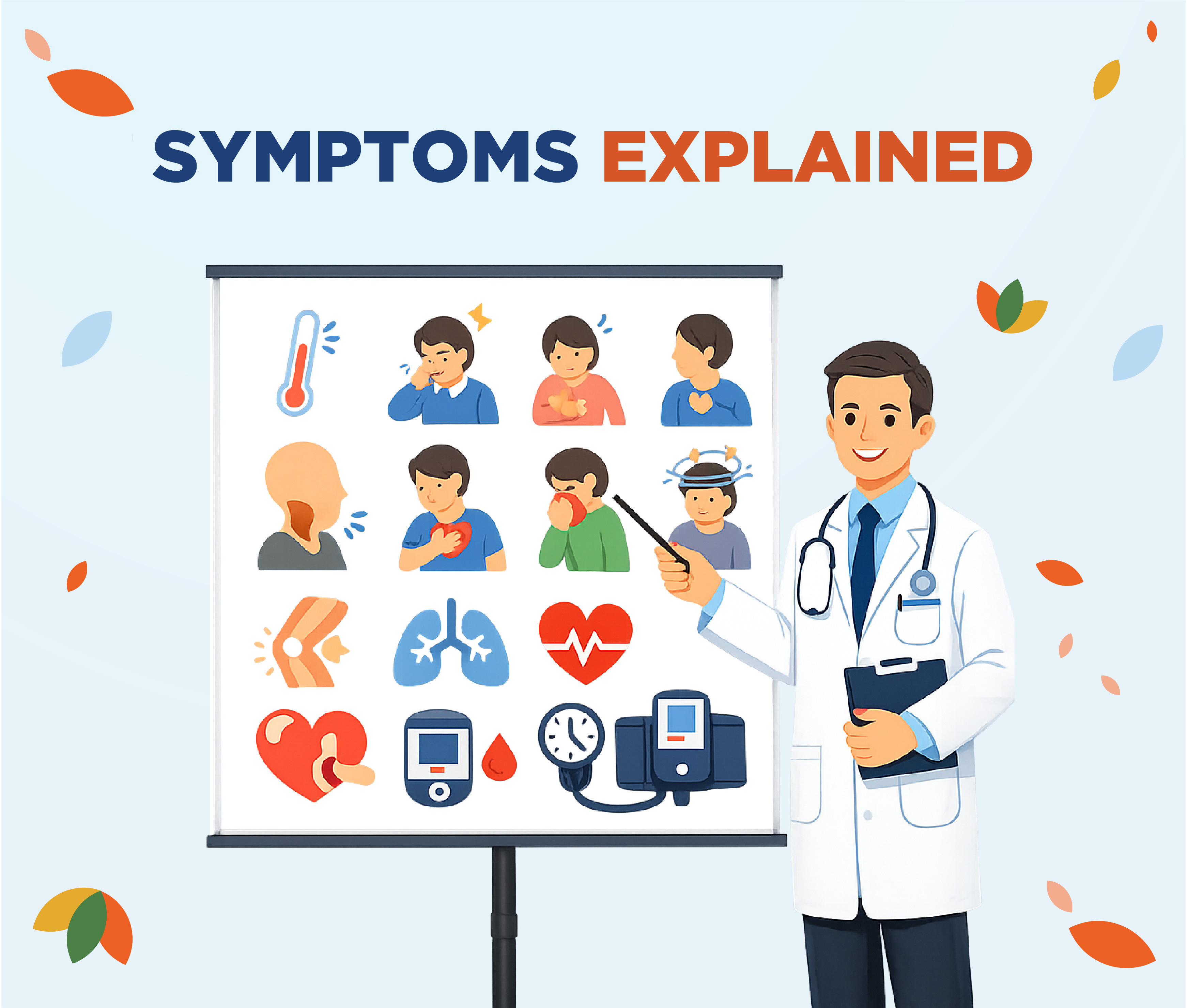
Symptoms of High Cortisol can manifest in various ways, impacting both physical and mental health. Recognizing these High Cortisol Symptoms early can lead to effective management and improved well-being.
Top 20 Symptoms of High Cortisol
- Increased appetite and weight gain, particularly around the abdomen.
- Frequent headaches that may become chronic.
- Difficulty sleeping or insomnia.
- Fatigue that doesn't improve with rest.
- Elevated blood pressure, potentially leading to hypertension.
- Muscle weakness or loss of muscle mass.
- Mood swings, including anxiety and irritability.
- Skin changes, such as thinning skin or easy bruising.
- Increased susceptibility to infections due to a weakened immune system.
- High blood sugar levels, increasing the risk of diabetes.
- Digestive issues, including bloating and indigestion.
- Changes in libido or sexual dysfunction.
- High cortisol symptoms may manifest as memory problems or difficulty concentrating.
- Facial redness or a rounded face, often referred to as "moon face."
- Excessive hair growth on the face or body (hirsutism).
- Osteoporosis or thinning of bones over time.
- Menstrual irregularities in women.
- Increased thirst and frequent urination.
- Elevated cholesterol levels.
- Changes in emotional state, leading to depression.
- Feeling overwhelmed or unable to cope with stress.
What is High Cortisol?
High cortisol refers to elevated levels of the hormone cortisol in the bloodstream, often resulting from chronic stress, certain medical conditions, or prolonged use of corticosteroid medications. Cortisol plays a crucial role in various bodily functions, including metabolism and the immune response. However, when levels remain high for extended periods, it can lead to a range of health issues. High cortisol symptoms may include weight gain, particularly around the abdomen, fatigue, mood swings, and disrupted sleep patterns. Monitoring cortisol levels is essential for managing stress and preventing potential complications associated with prolonged elevation of this hormone.
How Common is High Cortisol
- High cortisol levels, known as hypercortisolism, are relatively common in individuals experiencing chronic stress.
- Conditions such as Cushing's syndrome, which causes excessively high cortisol, affect approximately 10 to 15 people per million each year.
- Stress-related lifestyle factors, including inadequate sleep and poor diet, can lead to elevated cortisol levels in the general population.
- Research suggests that around 20% of adults may experience elevated cortisol levels at some point due to stress or anxiety.
- High cortisol can also be linked to certain medical conditions, such as obesity, affecting a significant portion of the population.
- Studies indicate that approximately 50% of individuals with severe depression may exhibit increased cortisol levels.
- Women are more likely to experience high cortisol levels compared to men, particularly during major life changes.
- Age can be a factor, with cortisol levels typically increasing as individuals get older.
- High cortisol is also prevalent in individuals with adrenal gland disorders, though these conditions are less common overall.
- Awareness of high cortisol and its effects is growing, leading to more individuals seeking diagnosis and treatment.
What are the Causes and Risk Factors of High Cortisol?
| Factor / Cause | Description |
|---|---|
| Chronic Stress | Prolonged exposure to stressors can lead to elevated cortisol levels as the body responds to perceived threats. |
| Adrenal Tumors | Benign or malignant tumors on the adrenal glands can cause excessive production of cortisol. |
| Cushing's Syndrome | A condition characterized by high cortisol levels, often due to pituitary tumors or adrenal gland disorders. |
| Medications | Corticosteroid medications can increase cortisol levels when taken over a long period. |
| Obesity | Excess body fat, particularly around the abdomen, is associated with higher cortisol production and stress response. |
| Sleep Deprivation | Lack of sufficient sleep can disrupt hormonal balance, leading to increased cortisol levels. |
| Chronic Illness | Long-term health conditions can induce stress on the body, resulting in elevated cortisol secretion. |
| Excessive Alcohol Consumption | Heavy drinking can disrupt the body's hormonal balance, contributing to higher cortisol levels. |
| High-Intensity Exercise | While beneficial in moderation, intense and prolonged physical activity can temporarily raise cortisol levels. |
| Poor Diet | A diet high in sugar and processed foods can increase inflammation and cortisol production in the body. |
What are the Signs and Symptoms of High Cortisol?
High cortisol levels can lead to a range of noticeable signs and symptoms. Individuals may experience significant weight gain, particularly around the abdomen and face, often referred to as "moon face." Other high cortisol symptoms include increased anxiety, mood swings, and difficulty concentrating. Physical changes such as thinning skin, easy bruising, and slower healing of wounds may also occur. Additionally, high cortisol can disrupt sleep patterns, leading to insomnia or restless nights. It's essential to recognize these signs early, as prolonged elevated cortisol can have serious health implications, including increased risk of chronic diseases.
Early-Stage Symptoms of High Cortisol
Early-stage symptoms of high cortisol can significantly impact overall well-being. Individuals may experience unexplained weight gain, particularly around the abdomen, along with increased cravings for sugary foods. Mood swings, anxiety, and irritability are also common high cortisol symptoms, as elevated stress levels can affect mental health. Physical signs may include fatigue, disrupted sleep patterns, and a weakened immune response, making one more susceptible to infections. Additionally, some may notice thinning skin or easy bruising. Recognizing these early symptoms is crucial for managing cortisol levels and maintaining a balanced lifestyle.
Advanced Symptoms of High Cortisol
Advanced symptoms of high cortisol can significantly impact an individual's overall health and well-being. When cortisol levels remain elevated for prolonged periods, patients may experience severe anxiety, chronic fatigue, and mood swings. Physical manifestations can include weight gain, particularly around the abdomen, high blood pressure, and weakened bones. Additionally, high cortisol symptoms may lead to insulin resistance, increasing the risk of type 2 diabetes. It's essential to recognize these advanced signs early, as they can contribute to more serious health issues if left unaddressed. Consulting with a healthcare professional can help manage cortisol levels effectively.
Symptoms of High Cortisol in Male
High cortisol levels can lead to a variety of symptoms in males, significantly impacting their health and well-being. Common high cortisol symptoms include increased abdominal fat, muscle weakness, and fatigue. Males may also experience mood changes such as anxiety and irritability, along with sleep disturbances. Additionally, high cortisol can result in elevated blood pressure and changes in libido, potentially leading to sexual dysfunction. Recognizing these symptoms early is crucial for effective management, as prolonged elevated cortisol can contribute to more severe health issues, including cardiovascular disease and diabetes.
Symptoms of High Cortisol in Female
High cortisol levels in females can manifest through a variety of symptoms that significantly impact overall health. Common high cortisol symptoms include unexplained weight gain, particularly around the abdomen, and increased facial hair growth due to hormonal imbalances. Women may also experience mood swings, anxiety, and depression, along with fatigue and disrupted sleep patterns. Physical signs such as thinning skin and easy bruising may also appear. Additionally, irregular menstrual cycles can result from elevated cortisol, further affecting reproductive health. Recognizing these symptoms is crucial for timely intervention and management of high cortisol levels.
How is High Cortisol Diagnosed?
- Review of medical history and symptoms by a healthcare provider.
- Physical examination to check for signs of Cushing's syndrome.
- 24-hour urinary free cortisol test to measure cortisol levels in urine.
- Late-night salivary cortisol test to assess cortisol production during sleep.
- Blood tests to measure cortisol levels at different times of the day.
- Low-dose dexamethasone suppression test to evaluate cortisol suppression ability.
- Imaging tests such as CT or MRI scans to identify adrenal tumors or pituitary adenomas.
- Assessment of adrenal function through ACTH stimulation tests.
- Referral to an endocrinologist for specialized evaluation and management.
- Monitoring and follow-up to track cortisol levels and symptom changes over time.
What are the Reversal Strategies for High Cortisol?
Reversal strategies for high cortisol levels are essential for managing high cortisol symptoms, which can include weight gain, fatigue, and anxiety. To effectively lower cortisol, individuals should prioritize stress management techniques such as mindfulness meditation, yoga, and regular physical exercise. Additionally, a balanced diet rich in whole foods, antioxidants, and omega-3 fatty acids can support adrenal health and reduce cortisol production. Ensuring adequate sleep and establishing a consistent sleep schedule are also crucial, as poor sleep can exacerbate high cortisol symptoms. Implementing these strategies can help restore hormonal balance and improve overall well-being.
FAQs on High Cortisol
What is high cortisol?
High cortisol refers to elevated levels of cortisol, a hormone produced by the adrenal glands. It plays a crucial role in stress response, metabolism, and immune function. Chronic high cortisol can lead to various health issues, including weight gain and weakened immune response.
What causes high cortisol levels?
High cortisol can be caused by prolonged stress, certain medical conditions like Cushing's syndrome, adrenal tumors, or chronic illnesses. Lifestyle factors such as lack of sleep, poor diet, and excessive caffeine or alcohol intake can also contribute to elevated cortisol levels.
What are the symptoms of high cortisol?
Symptoms of high cortisol may include weight gain, particularly around the abdomen, fatigue, mood swings, high blood pressure, and disrupted sleep patterns. Individuals may also experience increased thirst and frequent urination.
How is high cortisol diagnosed?
High cortisol is typically diagnosed through blood, urine, or saliva tests. These tests measure cortisol levels at specific times of the day, as cortisol levels naturally fluctuate. A healthcare provider will interpret the results in the context of symptoms and medical history.
How can high cortisol levels be managed?
Managing high cortisol levels often involves lifestyle changes such as stress reduction techniques, regular exercise, and a balanced diet. In some cases, medication or treatment for underlying conditions may be necessary. Consulting a healthcare professional is essential for personalized management.
Disclaimer: The information provided about High Cortisol Symptoms is intended for general educational and informational purposes only. It should not be considered medical advice or used as a substitute for consultation with a qualified healthcare professional. Symptoms may differ from person to person and can be linked to a variety of medical conditions. This content is not intended for self-diagnosis or treatment. If you notice ongoing, severe, or unusual symptoms related to High Cortisol, it is important to seek guidance from a licensed medical professional for proper diagnosis and care.