

High Hemoglobin Symptoms
Health symptoms can sometimes be easy to ignore, but they may also be a sign that medical attention is needed. Knowing the possible causes, related signs, and when to seek care can help people make better health decisions.
Unexpected medical expenses can arise from consultations, tests, or treatment, making health insurance an important part of financial preparedness. Readers can fill out the form below with their name and phone number to get a health insurance quote.
Personalized Coverage
Cashless Hospitals
Quick and Easy Claims
24/7 Customer Service
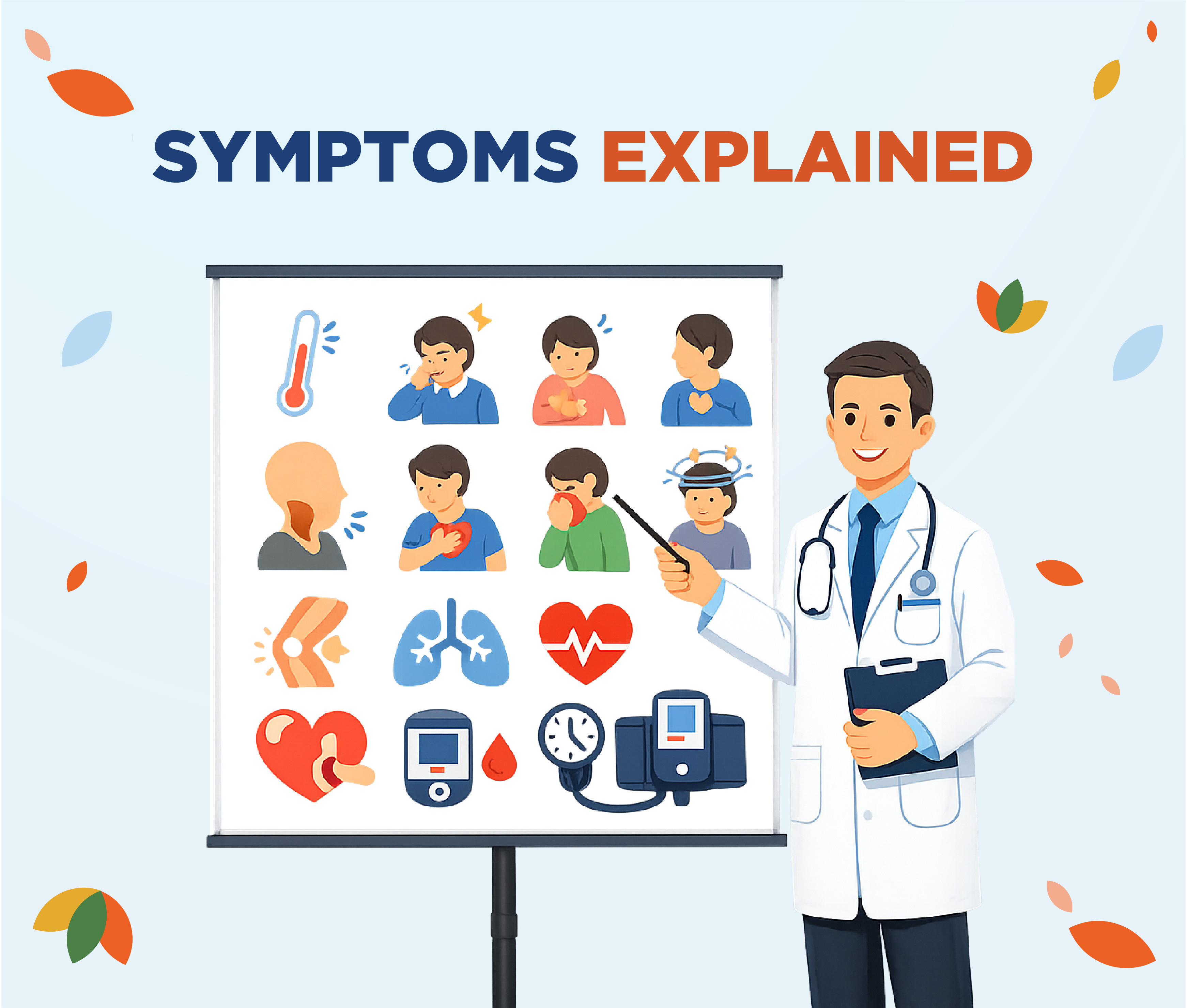
Symptoms of High Hemoglobin can vary significantly among individuals, often leading to complications if left unaddressed. Understanding these High Hemoglobin Symptoms is crucial for timely diagnosis and effective management of the underlying causes.
Top 20 Symptoms of High Hemoglobin
- Headaches or migraines that occur frequently.
- Fatigue or a general feeling of tiredness.
- Shortness of breath, especially during physical activity.
- Flushing of the skin, particularly on the face.
- Dizziness or lightheadedness, especially when standing up quickly.
- High blood pressure, which may be detected during a routine check-up.
- Blurred vision or visual disturbances.
- Itchiness, particularly after a hot shower.
- Joint pain or discomfort.
- Nosebleeds that occur without any obvious cause.
- Increased sweating, even in cooler temperatures.
- High Hemoglobin Symptoms can include a ruddy complexion.
- Chest pain or tightness, which may be mistaken for heart issues.
- Cold hands and feet, indicating reduced circulation.
- Unusual bruising or prolonged bleeding from cuts.
- Difficulty concentrating or mental fog.
- Frequent infections due to altered immune function.
- Swelling in the legs or ankles, potentially indicating circulation issues.
- Palpitations or irregular heartbeat.
- Changes in vision or seeing spots in the field of view.
- Skin changes, such as a thickening or reddening of the skin.
What is High Hemoglobin?
High hemoglobin refers to an elevated level of hemoglobin in the blood, which is a protein responsible for transporting oxygen throughout the body. This condition can occur due to various factors, such as living at high altitudes, dehydration, or underlying health issues like polycythemia vera. Individuals with high hemoglobin may experience symptoms such as headaches, dizziness, fatigue, and an increased risk of blood clots. Recognizing high hemoglobin symptoms is crucial for early diagnosis and management, as prolonged elevation can lead to serious complications, including cardiovascular problems. Therefore, monitoring hemoglobin levels is essential for maintaining overall health.
How Common is High Hemoglobin
- High hemoglobin levels, known as erythrocytosis, can occur in various populations.
- The prevalence of high hemoglobin can vary based on geographic location and altitude.
- In individuals living at high altitudes, elevated hemoglobin levels are common due to lower oxygen availability.
- High hemoglobin is often seen in smokers, as carbon monoxide exposure stimulates red blood cell production.
- Certain medical conditions, such as chronic lung disease, can lead to increased hemoglobin levels.
- Dehydration can falsely elevate hemoglobin levels in standard blood tests.
- High hemoglobin is more frequently observed in male populations compared to females.
- Genetic factors can also influence hemoglobin levels, with some families showing higher baseline levels.
- Regular monitoring is important for athletes who may intentionally increase hemoglobin for improved performance.
- Overall, while high hemoglobin can be common in specific groups, it is less prevalent in the general population.
What are the Causes and Risk Factors of High Hemoglobin?
| Factor / Cause | Description |
|---|---|
| Chronic Lung Disease | Conditions like COPD can lead to increased hemoglobin as the body compensates for low oxygen levels. |
| Living at High Altitudes | Increased altitude results in lower oxygen levels, prompting the body to produce more hemoglobin to improve oxygen transport. |
| Dehydration | Reduced plasma volume can cause a relative increase in hemoglobin concentration. |
| Smoking | Cigarette smoke contains carbon monoxide, which can lead to elevated hemoglobin levels as the body tries to compensate for reduced oxygen availability. |
| Polycythemia Vera | A bone marrow disorder that causes the body to produce too many red blood cells, leading to increased hemoglobin levels. |
| Kidney Disease | Kidneys may produce excess erythropoietin in response to low oxygen levels, stimulating red blood cell production. |
| Obstructive Sleep Apnea | Intermittent breathing interruptions during sleep can lead to low oxygen levels, stimulating increased hemoglobin production. |
| Hormonal Disorders | Conditions such as hyperthyroidism can influence red blood cell production, potentially raising hemoglobin levels. |
| Genetic Disorders | Certain inherited conditions like thalassemia can cause abnormal hemoglobin production, leading to elevated levels. |
| Medications | Some drugs, such as anabolic steroids, can stimulate red blood cell production, resulting in higher hemoglobin levels. |
What are the Signs and Symptoms of High Hemoglobin?
High hemoglobin levels can often go unnoticed, but there are several signs and symptoms that may indicate this condition. Individuals may experience fatigue, headaches, dizziness, or a flushed complexion. In some cases, high hemoglobin symptoms can also include shortness of breath, particularly during physical activity, as the blood becomes more viscous. Other warning signs may involve blurred vision or increased blood pressure. It is essential to recognize these symptoms and consult a healthcare professional for proper diagnosis and management, as elevated hemoglobin can be linked to underlying health issues that require attention.
Early-Stage Symptoms of High Hemoglobin
Early-stage symptoms of high hemoglobin can often go unnoticed, but they are crucial for early diagnosis. Individuals may experience mild fatigue, headaches, or dizziness, which are commonly attributed to other conditions. Additionally, high hemoglobin symptoms can include shortness of breath during physical activities and a flushed complexion. As the condition progresses, signs may become more pronounced, leading to complications if left untreated. Monitoring hemoglobin levels is essential, especially for those at risk, to identify and address potential health issues before they escalate.
Advanced Symptoms of High Hemoglobin
Advanced symptoms of high hemoglobin can indicate serious underlying health issues. Individuals may experience fatigue, headaches, dizziness, and blurred vision, as elevated hemoglobin levels can lead to increased blood viscosity. This can strain the cardiovascular system, resulting in symptoms such as chest pain or shortness of breath. High hemoglobin symptoms may also include a ruddy complexion or a feeling of fullness in the head due to increased blood flow. If left unchecked, these symptoms can progress, potentially leading to complications such as blood clots or heart problems. It is crucial for individuals experiencing these signs to seek medical evaluation promptly.
Symptoms of High Hemoglobin in Male
High hemoglobin symptoms in males can vary, often depending on the underlying cause of the condition. Common symptoms include fatigue, headaches, and dizziness, as elevated hemoglobin levels can lead to increased blood viscosity. Males may also experience shortness of breath during physical activities and a ruddy complexion due to increased red blood cell production. In some cases, high hemoglobin levels can result in more serious complications, such as hypertension or blood clots, which can pose significant health risks. It's essential for individuals experiencing these symptoms to consult a healthcare provider for proper evaluation and management.
Symptoms of High Hemoglobin in Female
High hemoglobin symptoms in females can manifest through various physical signs and health issues. Women may experience persistent fatigue, headaches, and dizziness due to increased blood viscosity. Other symptoms include a flushed complexion, shortness of breath, and joint pain, which can arise from the body's struggle to circulate oxygen efficiently. In some cases, high hemoglobin levels can lead to complications such as hypertension or increased risk of thrombosis. It is crucial for women experiencing these symptoms to consult a healthcare professional for proper diagnosis and management to prevent potential health risks associated with elevated hemoglobin levels.
How is High Hemoglobin Diagnosed?
- Complete blood count (CBC) test to measure hemoglobin levels.
- Review of patient history and symptoms associated with high hemoglobin.
- Assessment of oxygen saturation levels in the blood.
- Evaluation of red blood cell (RBC) count and hematocrit levels.
- Bone marrow biopsy to assess bone marrow function, if necessary.
- Exclusion of secondary causes through imaging studies, such as chest X-rays.
- Testing for conditions like polycythemia vera through specific blood tests.
- Analysis of erythropoietin (EPO) levels to determine production sources.
- Monitoring of lifestyle factors, such as smoking or altitude exposure.
- Genetic testing to identify inherited conditions affecting hemoglobin levels.
What are the Reversal Strategies for High Hemoglobin?
Reversal strategies for high hemoglobin levels focus on addressing the underlying causes while managing high hemoglobin symptoms effectively. Lifestyle modifications such as staying hydrated, reducing smoking, and ensuring proper nutrition can significantly help in lowering elevated hemoglobin. In cases where secondary conditions like sleep apnea or chronic lung diseases contribute to high levels, treating these conditions is essential. Regular monitoring and blood tests can guide treatment adjustments, and in some instances, therapeutic phlebotomy may be recommended to reduce red blood cell concentration. Ultimately, a comprehensive approach can lead to better health outcomes and symptom relief.
FAQs on High Hemoglobin
What is high hemoglobin?
High hemoglobin, or erythrocytosis, is a condition characterized by elevated levels of hemoglobin in the blood. It can indicate various health issues or adaptations to high altitudes, and may require medical evaluation to determine the underlying cause.
What are the symptoms of high hemoglobin?
Symptoms of high hemoglobin may include headaches, dizziness, blurred vision, and fatigue. In some cases, individuals may be asymptomatic. Persistent high levels can lead to serious complications, so medical assessment is important.
What causes high hemoglobin levels?
High hemoglobin levels can be caused by factors such as chronic lung disease, living at high altitudes, dehydration, or certain medical conditions like polycythemia vera. Lifestyle factors, such as smoking, can also contribute to elevated levels.
How is high hemoglobin diagnosed?
High hemoglobin is diagnosed through blood tests that measure hemoglobin concentration. A complete blood count (CBC) is commonly used, and additional tests may be required to investigate potential underlying causes.
What treatments are available for high hemoglobin?
Treatment for high hemoglobin depends on the underlying cause. Options may include lifestyle changes, therapeutic phlebotomy, or medications to manage conditions contributing to elevated levels. Regular monitoring and consultation with a healthcare provider are essential.
Disclaimer: The information provided about High Hemoglobin Symptoms is intended for general educational and informational purposes only. It should not be considered medical advice or used as a substitute for consultation with a qualified healthcare professional. Symptoms may differ from person to person and can be linked to a variety of medical conditions. This content is not intended for self-diagnosis or treatment. If you notice ongoing, severe, or unusual symptoms related to High Hemoglobin, it is important to seek guidance from a licensed medical professional for proper diagnosis and care.