

High Red Blood Cell Count Symptoms
Health symptoms can sometimes be easy to ignore, but they may also be a sign that medical attention is needed. Knowing the possible causes, related signs, and when to seek care can help people make better health decisions.
Unexpected medical expenses can arise from consultations, tests, or treatment, making health insurance an important part of financial preparedness. Readers can fill out the form below with their name and phone number to get a health insurance quote.
Personalized Coverage
Cashless Hospitals
Quick and Easy Claims
24/7 Customer Service
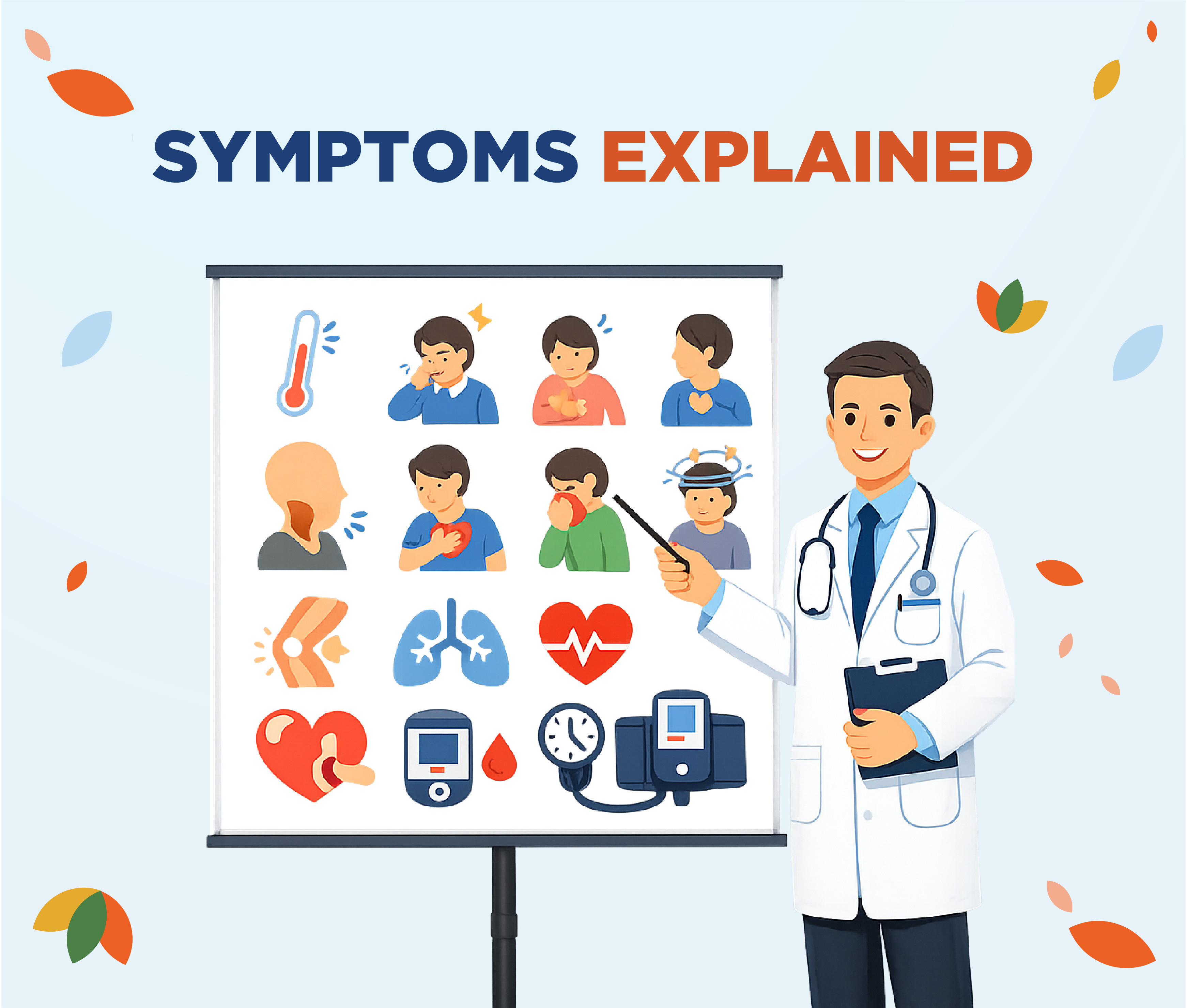
Symptoms of High Red Blood Cell Count can manifest in various ways, indicating an underlying health issue. Recognizing High Red Blood Cell Count Symptoms is crucial for timely diagnosis and management to prevent complications.
Top 20 Symptoms of High Red Blood Cell Count
- Fatigue or weakness
- Headaches
- Dizziness or lightheadedness
- Blurred vision
- Increased blood pressure
- Red or flushed skin
- Itching, especially after a hot shower
- Night sweats
- Shortness of breath
- Chest pain
- Joint pain
- Difficulty concentrating
- Tinnitus (ringing in the ears)
- Increased risk of blood clots
- High Red Blood Cell Count Symptoms may include enlarged spleen
- Frequent nosebleeds
- Swelling of the extremities
- Skin rashes or lesions
- Changes in mood or irritability
- Unexplained weight loss
- Sleep disturbances
What is High Red Blood Cell Count?
High red blood cell count, also known as erythrocytosis, occurs when the body produces an excessive number of red blood cells (RBCs). This condition can result from various factors, including chronic lung disease, heart disease, or living at high altitudes, where oxygen levels are lower. High red blood cell count symptoms may include headaches, dizziness, blurred vision, and an increased risk of blood clots. Left untreated, it can lead to serious complications, such as hypertension or stroke. It is essential to identify the underlying cause and seek medical advice for appropriate management and treatment.
How Common is High Red Blood Cell Count
- High red blood cell count, or erythrocytosis, is relatively uncommon in the general population.
- It can occur as a secondary condition due to chronic hypoxia, such as in patients with lung diseases.
- Dehydration can also lead to a temporary increase in red blood cell count, which is often reversible.
- Certain medical conditions, such as polycythemia vera, can cause a primary increase in red blood cell production.
- High altitude living is associated with higher red blood cell counts due to lower oxygen availability.
- Smoking is linked to increased levels of red blood cells, as it can lead to chronic lung conditions.
- Hormonal factors, such as increased erythropoietin production, can contribute to elevated red blood cell counts.
- Men tend to have higher baseline red blood cell counts compared to women due to physiological differences.
- Conditions like kidney tumors can stimulate excess erythropoietin production, leading to higher red blood cell counts.
- Routine blood tests can help identify abnormal red blood cell counts, aiding in diagnosis and management of underlying conditions.
What are the Causes and Risk Factors of High Red Blood Cell Count?
| Factor / Cause | Description |
|---|---|
| Dehydration | A reduction in plasma volume can lead to a higher concentration of red blood cells in the blood. |
| Chronic Obstructive Pulmonary Disease (COPD) | This lung disease can cause chronic low oxygen levels, stimulating the body to produce more red blood cells. |
| Sleep Apnea | Interrupted breathing during sleep can lead to decreased oxygen levels, prompting increased red blood cell production. |
| Living at High Altitudes | Higher elevations have lower oxygen levels, which can stimulate the production of more red blood cells. |
| Smoking | Inhalation of carbon monoxide from tobacco smoke can lead to lower oxygen levels and increased red blood cell production. |
| Polycythemia Vera | A rare blood disorder in which the bone marrow produces too many red blood cells, leading to increased blood viscosity. |
| Kidney Disease | Kidneys may release excess erythropoietin, a hormone that stimulates red blood cell production, in response to low oxygen levels. |
| Testosterone Replacement Therapy | Testosterone can stimulate red blood cell production, leading to increased levels in some individuals undergoing treatment. |
| Chronic Heart Disease | Conditions that impair oxygen delivery can lead to compensatory increases in red blood cell production. |
| High-Intensity Exercise | Athletes may experience increased red blood cell production as a physiological response to sustained physical exertion. |
What are the Signs and Symptoms of High Red Blood Cell Count?
High red blood cell count symptoms can vary from person to person, but common indicators include fatigue, headache, dizziness, and a ruddy complexion. Individuals may also experience shortness of breath, especially during physical activities, and an increased risk of blood clots, which can lead to serious complications. Some may notice a tingling sensation in the hands and feet or blurred vision. It's important to recognize these signs, as a persistently high red blood cell count can indicate underlying health issues, such as polycythemia vera or chronic hypoxia. Early detection and consultation with a healthcare provider are crucial for effective management.
Early-Stage Symptoms of High Red Blood Cell Count
Early-stage symptoms of high red blood cell count can often be subtle and easily overlooked. Individuals may experience fatigue, dizziness, and headaches, which can be mistaken for other common ailments. Additionally, some may notice flushing of the skin, particularly on the face. High red blood cell count symptoms can also include blurred vision and a sensation of heaviness in the hands and feet. As the condition progresses, symptoms may intensify, making it crucial to consult a healthcare professional for proper evaluation and management. Early detection and treatment can help prevent complications associated with elevated red blood cell levels.
Advanced Symptoms of High Red Blood Cell Count
Advanced symptoms of high red blood cell count can manifest in various ways, significantly impacting an individual's health. Patients may experience severe headaches, dizziness, and a persistent feeling of fatigue. Additionally, they might notice a flushed complexion or a tingling sensation in the extremities. In more serious cases, complications such as high blood pressure, vision problems, and an increased risk of blood clots can arise. Recognizing these high red blood cell count symptoms is crucial for early intervention and management, as untreated conditions can lead to serious cardiovascular issues and overall health deterioration.
Symptoms of High Red Blood Cell Count in Male
High red blood cell count symptoms in males can manifest in various ways, often indicating underlying health issues. Common signs include headaches, dizziness, and fatigue, which may occur due to increased blood viscosity. Males might also experience blurred vision or a ruddy complexion due to elevated red blood cell levels. Additionally, some may report shortness of breath, especially during physical activity, as the heart works harder to pump thicker blood. Recognizing these symptoms is crucial, as they can lead to more serious conditions if left unaddressed. Regular check-ups and blood tests can help monitor red blood cell levels and overall health.
Symptoms of High Red Blood Cell Count in Female
High red blood cell count symptoms in females can manifest in various ways, often depending on the underlying cause. Common symptoms include fatigue, headaches, dizziness, and shortness of breath. Some women may also experience a ruddy complexion or flushed skin due to increased blood volume. In more severe cases, high red blood cell count can lead to complications such as high blood pressure or an increased risk of blood clots. It's essential for women experiencing these symptoms to consult a healthcare professional for proper evaluation and management, as addressing the root cause is crucial for overall health.
How is High Red Blood Cell Count Diagnosed?
- Complete Blood Count (CBC) test to measure red blood cell levels.
- Review of patient medical history and symptoms related to high red blood cell count.
- Assessment of oxygen levels in the blood through arterial blood gas tests.
- Bone marrow biopsy to evaluate red blood cell production.
- Chest X-ray or CT scan to check for conditions affecting the lungs.
- Evaluation of erythropoietin (EPO) levels to determine production by the kidneys.
- Tests for underlying conditions like sleep apnea or chronic lung diseases.
- Exposure history assessment to identify potential environmental causes.
- Genetic testing for polycythemia vera or other blood disorders.
- Follow-up tests to monitor changes in red blood cell count over time.
What are the Reversal Strategies for High Red Blood Cell Count?
Reversal strategies for high red blood cell count, or erythrocytosis, focus on addressing underlying causes and alleviating high red blood cell count symptoms. Key approaches include lifestyle modifications such as quitting smoking, reducing alcohol intake, and improving hydration levels. Medical interventions may involve therapeutic phlebotomy, where blood is drawn to decrease red blood cell volume, or medications to manage chronic conditions like sleep apnea or heart disease. Regular monitoring and a balanced diet rich in antioxidants can also support healthy blood cell levels, ultimately reducing the risk of complications associated with elevated red blood cell counts.
FAQs on High Red Blood Cell Count
What is a high red blood cell count?
A high red blood cell count, or erythrocytosis, occurs when the number of red blood cells in the bloodstream exceeds normal levels. This condition can lead to increased blood viscosity and potential complications such as hypertension or thrombosis.
What causes a high red blood cell count?
Causes of a high red blood cell count include chronic hypoxia, dehydration, smoking, certain tumors, and conditions such as polycythemia vera. It can also occur as a response to living at high altitudes or due to strenuous exercise.
How is a high red blood cell count diagnosed?
A high red blood cell count is diagnosed through a complete blood count (CBC) test. This test measures the levels of red blood cells, hemoglobin, and hematocrit in the blood, helping doctors evaluate overall health and detect potential issues.
What are the symptoms of a high red blood cell count?
Many individuals with a high red blood cell count may experience no symptoms. However, symptoms can include headaches, dizziness, fatigue, blurred vision, and an increased risk of blood clots, which can lead to more serious complications.
How is a high red blood cell count treated?
Treatment for a high red blood cell count depends on the underlying cause. Options may include therapeutic phlebotomy to reduce red blood cell levels, medication to address the root cause, or lifestyle changes such as increased hydration and smoking cessation.
Disclaimer: The information provided about High Red Blood Cell Count Symptoms is intended for general educational and informational purposes only. It should not be considered medical advice or used as a substitute for consultation with a qualified healthcare professional. Symptoms may differ from person to person and can be linked to a variety of medical conditions. This content is not intended for self-diagnosis or treatment. If you notice ongoing, severe, or unusual symptoms related to High Red Blood Cell Count, it is important to seek guidance from a licensed medical professional for proper diagnosis and care.