

Histamine Intolerance Symptoms
Health symptoms can sometimes be easy to ignore, but they may also be a sign that medical attention is needed. Knowing the possible causes, related signs, and when to seek care can help people make better health decisions.
Unexpected medical expenses can arise from consultations, tests, or treatment, making health insurance an important part of financial preparedness. Readers can fill out the form below with their name and phone number to get a health insurance quote.
Personalized Coverage
Cashless Hospitals
Quick and Easy Claims
24/7 Customer Service
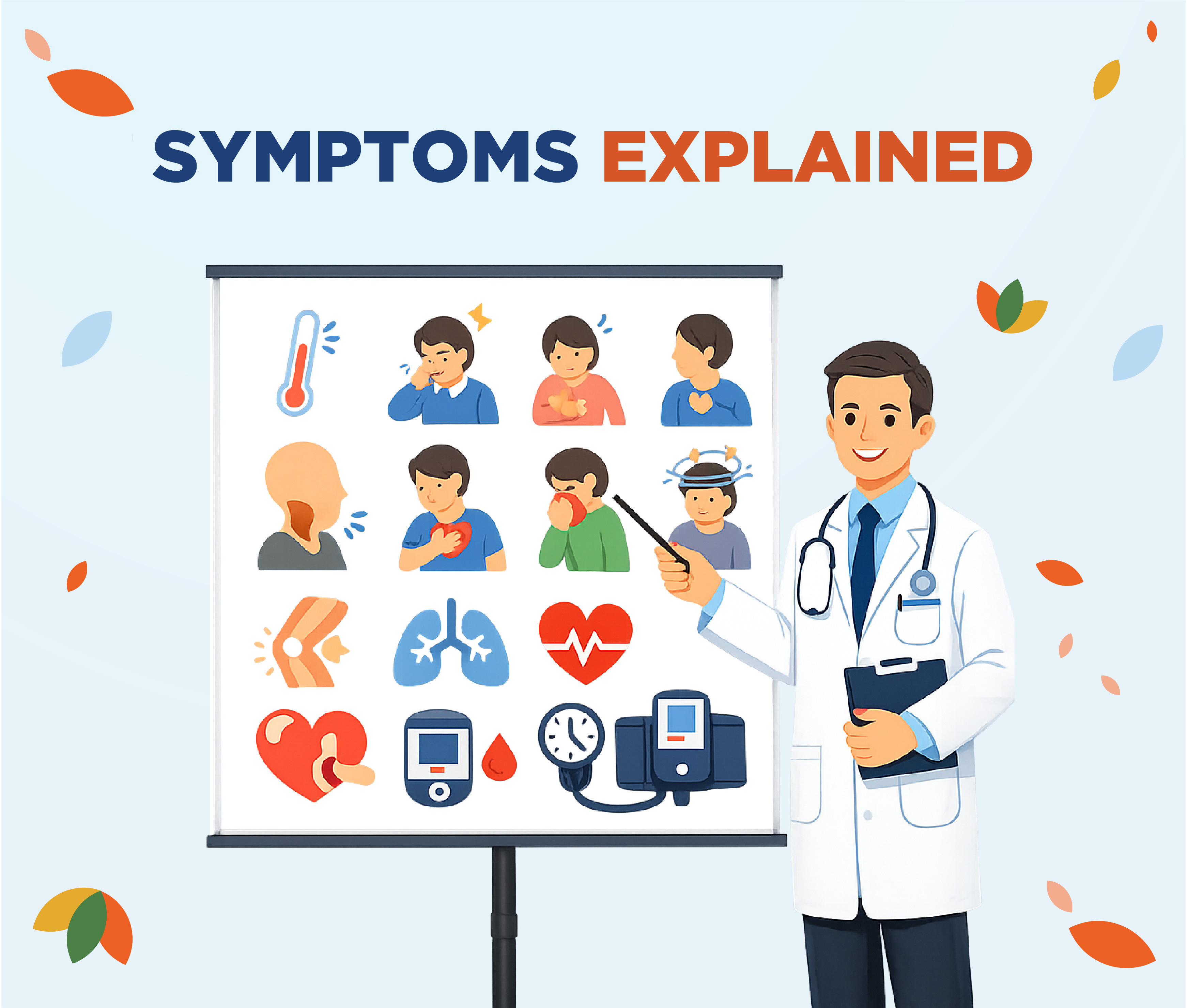
Symptoms of Histamine Intolerance can vary widely and may affect individuals differently. Understanding the common Histamine Intolerance Symptoms is essential for identifying and managing this condition effectively, leading to improved quality of life.
Top 20 Symptoms of Histamine Intolerance
- Headaches or migraines
- Flushing or redness of the skin
- Nasal congestion or sinus issues
- Itchy or watery eyes
- Digestive problems, such as bloating
- Diarrhea or constipation
- Fatigue or exhaustion
- Hives or skin rashes
- Difficulty sleeping or insomnia
- Heart palpitations or irregular heartbeat
- Asthma-like symptoms, including wheezing
- Low blood pressure or dizziness
- Nausea or vomiting
- Menstrual irregularities in women
- Brain fog or cognitive difficulties
- Increased anxiety or mood swings
- Intolerance to certain foods, particularly fermented ones
- Histamine Intolerance Symptoms can mimic other conditions
- Swelling or inflammation in various body parts
- Overactive bladder or urinary issues
- Sensitivity to temperature changes
What is Histamine Intolerance?
Histamine intolerance is a condition where the body is unable to adequately break down histamine, a compound involved in immune responses, digestion, and the central nervous system. This leads to an accumulation of histamine in the body, resulting in various unpleasant symptoms. Common histamine intolerance symptoms include headaches, digestive issues, skin rashes, and respiratory problems. Individuals may experience these symptoms after consuming histamine-rich foods or beverages. The intolerance can arise from a deficiency in the enzyme diamine oxidase (DAO), which is responsible for breaking down excess histamine, making it essential for those affected to manage their dietary choices carefully.
How Common is Histamine Intolerance
- Histamine intolerance is estimated to affect a significant portion of the population, with prevalence rates varying widely.
- Research suggests that approximately 1% to 3% of individuals may experience symptoms related to histamine intolerance.
- Women are more commonly affected by histamine intolerance than men, potentially due to hormonal influences.
- Histamine intolerance can be underdiagnosed, often mistaken for other conditions such as allergies or gastrointestinal disorders.
- Individuals with conditions like mast cell activation syndrome may have a higher likelihood of developing histamine intolerance.
- Symptoms of histamine intolerance can appear after consuming histamine-rich foods, making it challenging to pinpoint.
- Age can play a role, as histamine intolerance may become more prevalent in older adults due to decreased enzyme activity.
- Genetic variations affecting histamine metabolism can contribute to the prevalence of intolerance in certain populations.
- Histamine intolerance may be more common in individuals with gastrointestinal disorders, such as irritable bowel syndrome (IBS).
- Awareness and understanding of histamine intolerance are growing, leading to more people seeking diagnosis and management options.
What are the Causes and Risk Factors of Histamine Intolerance?
| Factor / Cause | Description |
|---|---|
| Genetic Predisposition | Individuals may have genetic variations that affect histamine metabolism, leading to intolerance. |
| Enzyme Deficiency | A deficiency in the enzyme diamine oxidase (DAO) can hinder the breakdown of histamine in the body. |
| Gut Health | Imbalances in gut microbiota or conditions like leaky gut can increase histamine levels. |
| Dietary Intake | Consuming high-histamine foods such as aged cheeses, fermented products, and certain fish can trigger symptoms. |
| Medications | Certain drugs, such as non-steroidal anti-inflammatory drugs (NSAIDs) and antibiotics, can exacerbate histamine intolerance. |
| Stress | High levels of stress can affect gut health and histamine levels, potentially worsening intolerance. |
| Hormonal Changes | Fluctuations in hormones, particularly during menstruation, can influence histamine levels and tolerance. |
| Alcohol Consumption | Alcohol can inhibit DAO activity, leading to increased histamine levels and intolerance symptoms. |
| Chronic Inflammation | Conditions characterized by chronic inflammation can lead to elevated histamine levels in the body. |
| Food Allergies | Allergic reactions can trigger the release of histamine, contributing to symptoms of intolerance. |
What are the Signs and Symptoms of Histamine Intolerance?
Histamine intolerance occurs when the body is unable to break down histamine effectively, leading to various symptoms that can be quite distressing. Common histamine intolerance symptoms include headaches, skin rashes, and gastrointestinal issues such as bloating and diarrhea. Individuals may also experience nasal congestion, fatigue, and heart palpitations. These reactions can arise after consuming histamine-rich foods like aged cheeses, fermented products, and certain alcoholic beverages. Recognizing these signs is crucial for managing the condition, as avoiding triggers and seeking appropriate dietary adjustments can significantly alleviate discomfort and improve overall well-being.
Early-Stage Symptoms of Histamine Intolerance
Early-stage symptoms of histamine intolerance can often be subtle yet significant. Individuals may experience headaches, digestive issues such as bloating or diarrhea, and skin reactions like hives or rashes. Other common histamine intolerance symptoms include nasal congestion, fatigue, and mood swings, which can be easily mistaken for other conditions. As histamine levels build up in the body, these symptoms may become more pronounced, leading to discomfort and disruption in daily activities. Recognizing these early signs is crucial for managing histamine intolerance effectively and seeking appropriate dietary or lifestyle adjustments to alleviate symptoms.
Advanced Symptoms of Histamine Intolerance
Advanced symptoms of histamine intolerance can significantly impact daily life, manifesting in various ways beyond the typical reactions. Individuals may experience severe headaches, skin rashes, and gastrointestinal disturbances, including bloating and diarrhea. Additionally, histamine intolerance symptoms may escalate to include respiratory issues like asthma or nasal congestion, and in some cases, even anxiety or panic attacks. Recognizing these advanced symptoms is crucial for effective management, as they can mimic other disorders, leading to misdiagnosis. Understanding the breadth of histamine intolerance symptoms enables individuals to seek appropriate treatment and make necessary dietary adjustments for relief.
Symptoms of Histamine Intolerance in Male
Histamine intolerance in males can manifest through a variety of symptoms that may significantly impact daily life. Common histamine intolerance symptoms include headaches, gastrointestinal issues such as bloating and diarrhea, and skin reactions like hives or flushing. Additionally, males may experience nasal congestion, fatigue, and anxiety, which can be mistaken for other conditions. The severity of these symptoms can vary based on individual tolerance levels and dietary choices. Recognizing these signs is crucial for effectively managing histamine intolerance and improving overall well-being, as males may not always connect these symptoms to their dietary habits.
Symptoms of Histamine Intolerance in Female
Histamine intolerance symptoms in females can vary widely and may often be mistaken for other conditions. Common signs include headaches, fatigue, and digestive issues such as bloating or diarrhea. Skin reactions like hives or eczema can also occur, alongside respiratory symptoms such as nasal congestion or asthma-like reactions. Additionally, mood changes, including anxiety and irritability, may manifest due to histamine fluctuations. Women may experience these symptoms more intensely during hormonal changes, such as menstrual cycles or menopause. Recognizing these symptoms is crucial for effective management and improving quality of life for those affected by histamine intolerance.
How is Histamine Intolerance Diagnosed?
- Review of medical history to assess symptoms and dietary habits.
- Physical examination to rule out other potential conditions.
- Symptom diary to track reactions to histamine-rich foods.
- Elimination diet to identify food triggers associated with symptoms.
- Blood tests to measure levels of diamine oxidase (DAO), an enzyme that breaks down histamine.
- Skin prick tests to check for allergic reactions to histamine or related compounds.
- Challenge tests involving controlled exposure to histamine under medical supervision.
- Food intolerance tests to evaluate reactions to specific foods.
- Assessment for conditions that may mimic or complicate histamine intolerance, such as mast cell activation syndrome.
- Consultation with a dietitian or nutritionist for tailored dietary guidance and management strategies.
What are the Reversal Strategies for Histamine Intolerance?
Reversal strategies for histamine intolerance primarily focus on dietary modifications and lifestyle changes to alleviate histamine intolerance symptoms. Adopting a low-histamine diet is crucial, which includes avoiding aged cheeses, fermented foods, and certain fruits and vegetables that are high in histamines. Additionally, incorporating fresh foods and maintaining a clean, stress-free environment can help reduce symptom severity. Utilizing supplements such as DAO (diamine oxidase) enzymes may also aid in breaking down histamine more effectively. Lastly, consulting with a healthcare professional can provide personalized strategies to manage and potentially reverse histamine intolerance, improving overall quality of life.
FAQs on Histamine Intolerance
What is histamine intolerance?
Histamine intolerance occurs when the body cannot break down histamine effectively, leading to an accumulation of histamine. This can result in various symptoms like headaches, digestive issues, and allergic reactions, often due to a deficiency in the enzyme diamine oxidase (DAO).
What are the common symptoms of histamine intolerance?
Common symptoms include headaches, hives, digestive issues like diarrhea, nasal congestion, and fatigue. Symptoms can vary widely and may be confused with other conditions, making diagnosis challenging.
How is histamine intolerance diagnosed?
Diagnosis typically involves a detailed medical history, symptom evaluation, and sometimes dietary elimination tests. Healthcare professionals may also measure histamine levels or assess DAO enzyme activity to support the diagnosis.
What foods should be avoided with histamine intolerance?
Foods high in histamine include aged cheeses, fermented products, processed meats, and certain alcoholic beverages. Fresh, unprocessed foods are usually better tolerated, but individual reactions may vary.
Can histamine intolerance be treated?
Treatment primarily involves dietary modification to avoid high-histamine foods and potentially using antihistamines to alleviate symptoms. Consulting with a healthcare provider or nutritionist can help create a tailored management plan.
Disclaimer: The information provided about Histamine Intolerance Symptoms is intended for general educational and informational purposes only. It should not be considered medical advice or used as a substitute for consultation with a qualified healthcare professional. Symptoms may differ from person to person and can be linked to a variety of medical conditions. This content is not intended for self-diagnosis or treatment. If you notice ongoing, severe, or unusual symptoms related to Histamine Intolerance, it is important to seek guidance from a licensed medical professional for proper diagnosis and care.