

Hyperthyroidism Symptoms
Health symptoms can sometimes be easy to ignore, but they may also be a sign that medical attention is needed. Knowing the possible causes, related signs, and when to seek care can help people make better health decisions.
Unexpected medical expenses can arise from consultations, tests, or treatment, making health insurance an important part of financial preparedness. Readers can fill out the form below with their name and phone number to get a health insurance quote.
Personalized Coverage
Cashless Hospitals
Quick and Easy Claims
24/7 Customer Service
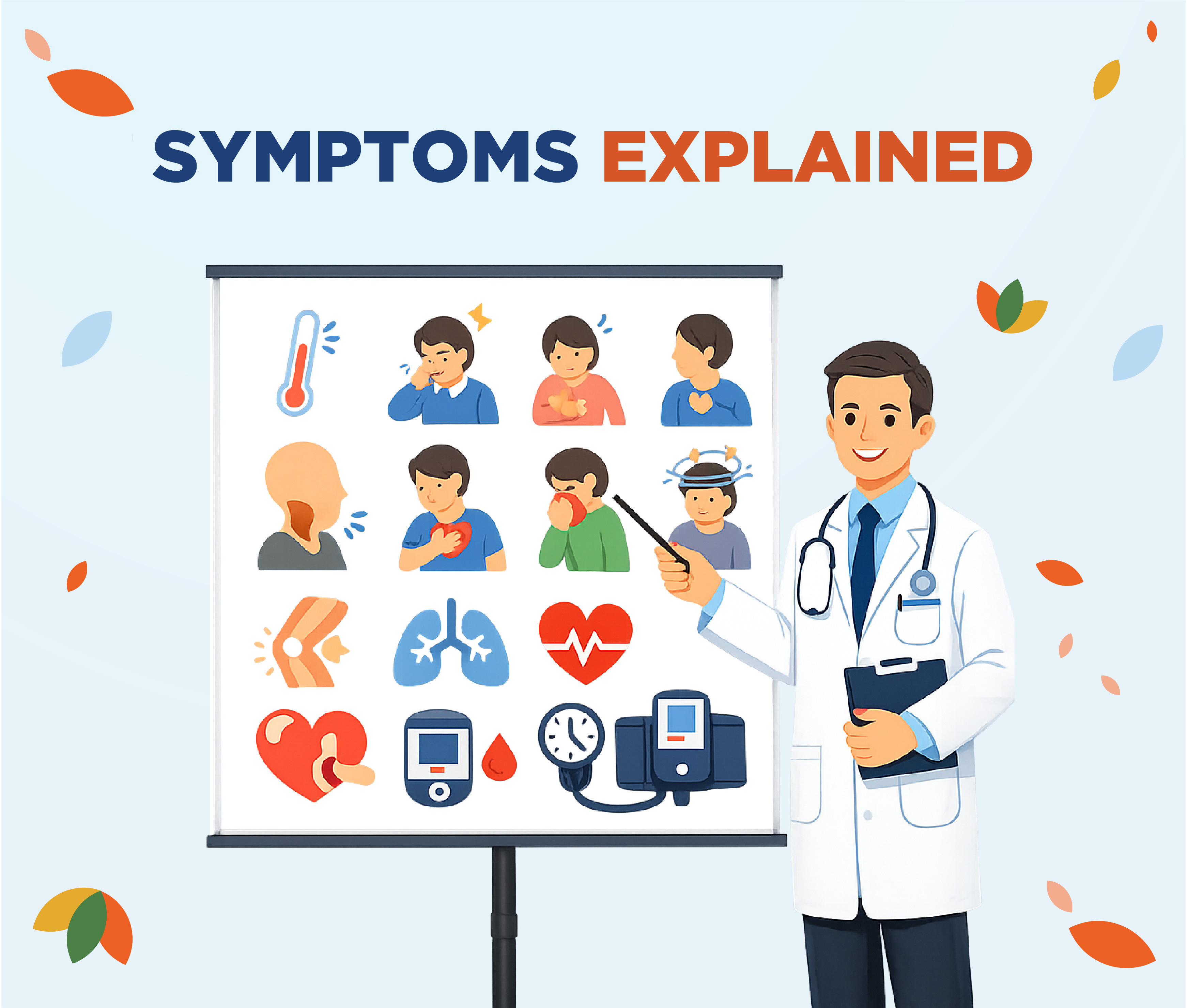
Symptoms of Hyperthyroidism can vary widely among individuals, often leading to confusion and misdiagnosis. Understanding these Hyperthyroidism symptoms is crucial for early detection and effective management of this condition, ensuring better health outcomes.
Top 20 Symptoms of Hyperthyroidism
- Increased heart rate or palpitations
- Unexplained weight loss despite normal or increased appetite
- Increased sweating and heat intolerance
- Nervousness, anxiety, or irritability
- Tremors in the hands or fingers
- Fatigue or muscle weakness
- Difficulty sleeping or insomnia
- Frequent bowel movements or diarrhea
- Menstrual cycle changes in women
- Goiter (enlarged thyroid gland)
- Thinning hair or brittle hair
- Skin that is warm and moist
- Increased appetite
- Exophthalmos (protruding eyes)
- Hyperthyroidism symptoms can include mood swings and emotional instability
- Elevated blood pressure
- Difficulty concentrating or focusing
- Increased sensitivity to heat
- Swelling at the base of the neck
- Rapid or irregular heartbeat
- Sensitivity to light
What is Hyperthyroidism?
Hyperthyroidism is a condition characterized by the overproduction of thyroid hormones by the thyroid gland, leading to an accelerated metabolism. This hormonal imbalance can result in various Hyperthyroidism symptoms, including rapid heartbeat, weight loss, increased appetite, and nervousness. Individuals may also experience sweating, anxiety, and difficulty sleeping. The condition can arise from several causes, such as Graves' disease, thyroid nodules, or inflammation of the thyroid. Early diagnosis and treatment are essential for managing Hyperthyroidism effectively, as it can lead to more severe health issues if left untreated. Treatment options may include medication, radioactive iodine therapy, or surgery.
How Common is Hyperthyroidism
- Hyperthyroidism affects approximately 1% to 2% of the population in developed countries.
- It is more prevalent in women than in men, with a ratio of about 5:1.
- The condition is particularly common in individuals aged 30 to 50 years.
- Graves' disease, an autoimmune disorder, is the most common cause of hyperthyroidism.
- In the United States, it is estimated that around 1.2 million people have hyperthyroidism.
- Subclinical hyperthyroidism, where symptoms are minimal or absent, may affect 3% to 10% of older adults.
- Hyperthyroidism can be caused by thyroid nodules, which are found in approximately 5% of the general population.
- Certain populations, such as individuals with a family history of thyroid disease, may have a higher risk.
- Environmental factors, including iodine intake and stress, may also influence the prevalence of hyperthyroidism.
- Regular screening is recommended for at-risk populations to identify hyperthyroidism early.
What are the Causes and Risk Factors of Hyperthyroidism?
| Factor / Cause | Description |
|---|---|
| Graves' Disease | An autoimmune disorder that leads to the overproduction of thyroid hormones. |
| Thyroid Nodules | Overactive nodules in the thyroid gland can produce excess hormones. |
| Thyroiditis | Inflammation of the thyroid gland that can cause a release of stored hormones. |
| Excess Iodine | High intake of iodine, often from diet or supplements, can lead to increased hormone production. |
| Medications | Certain medications, such as amiodarone, can cause hyperthyroidism by affecting thyroid function. |
| Family History | A genetic predisposition to autoimmune thyroid disease may increase risk. |
| Radiation Exposure | Exposure to radiation, especially in the neck area, can increase the risk of thyroid dysfunction. |
| Age and Gender | Women are more likely to develop hyperthyroidism, particularly those over 60 years old. |
| Stress | Physical or emotional stress can trigger or exacerbate thyroid issues in susceptible individuals. |
| Other Autoimmune Disorders | Having other autoimmune conditions, such as Type 1 diabetes or lupus, can increase risk. |
What are the Signs and Symptoms of Hyperthyroidism?
Hyperthyroidism is a condition characterized by an overactive thyroid gland, leading to an excess of thyroid hormones in the body. Common hyperthyroidism symptoms include rapid heartbeat, unintentional weight loss, increased appetite, and heightened anxiety or irritability. Individuals may also experience tremors, excessive sweating, and sensitivity to heat. Fatigue and muscle weakness are frequently reported, particularly in the upper arms and thighs. Additionally, some may notice changes in their menstrual patterns or sleep disturbances. Recognizing these signs and symptoms of hyperthyroidism is crucial for early diagnosis and effective management of the condition.
Early-Stage Symptoms of Hyperthyroidism
Early-stage symptoms of hyperthyroidism can vary but often include noticeable changes in energy levels and mood. Individuals may experience increased anxiety, irritability, or restlessness, often feeling more energetic than usual. Physical symptoms such as unintentional weight loss, rapid heartbeat, and heat intolerance may also arise. Additionally, many patients report difficulty sleeping and increased sweating. These hyperthyroidism symptoms can sometimes be mistaken for stress or other health issues, making early diagnosis crucial. Recognizing these signs can help individuals seek appropriate medical evaluation and treatment to manage the condition effectively.
Advanced Symptoms of Hyperthyroidism
Advanced symptoms of hyperthyroidism can significantly impact a person's quality of life. As the condition progresses, individuals may experience severe weight loss, rapid heartbeat, and heightened anxiety. Other hyperthyroidism symptoms include tremors, excessive sweating, and increased sensitivity to heat. Additionally, patients might notice changes in their menstrual cycle or muscle weakness. In some cases, protrusion of the eyes, known as exophthalmos, may occur, leading to discomfort and vision problems. Recognizing these advanced symptoms is crucial for timely management and treatment, as they indicate a worsening of the condition that requires immediate medical attention.
Symptoms of Hyperthyroidism in Male
Hyperthyroidism is a condition characterized by excessive production of thyroid hormones, leading to a variety of symptoms in males. Common hyperthyroidism symptoms include unexplained weight loss, increased appetite, and heightened anxiety. Males may also experience fatigue, muscle weakness, and irritability, which can affect daily functioning. Additionally, some may notice changes in their menstrual cycles or experience increased sweating and sensitivity to heat. It's important for men experiencing these symptoms to seek medical evaluation, as early diagnosis and treatment can significantly improve quality of life and prevent complications associated with untreated hyperthyroidism.
Symptoms of Hyperthyroidism in Female
Hyperthyroidism symptoms in females can vary significantly and may often be overlooked. Common signs include unexplained weight loss despite increased appetite, rapid heartbeat, and anxiety. Many women also experience menstrual irregularities, such as lighter or less frequent periods. Fatigue and muscle weakness, particularly in the upper arms and thighs, are frequently reported, along with heat intolerance and excessive sweating. Some may notice changes in their skin and hair, including thinning hair or increased hair loss. If you experience these symptoms, it's essential to consult a healthcare professional for proper diagnosis and management of this condition.
How is Hyperthyroidism Diagnosed?
- Detailed medical history evaluation to identify symptoms such as weight loss, increased heart rate, and anxiety.
- Physical examination to check for signs like an enlarged thyroid gland (goiter) and tremors.
- Blood tests to measure levels of thyroid hormones, including T3 and T4, and thyroid-stimulating hormone (TSH).
- TSH suppression test to determine whether TSH levels are low, indicating hyperthyroidism.
- Radioactive iodine uptake test to assess how well the thyroid gland is taking up iodine, which is necessary for hormone production.
- Thyroid scan using a radioactive tracer to visualize the thyroid gland's structure and function.
- Ultrasound imaging to detect nodules or abnormalities in the thyroid gland.
- Fine needle aspiration biopsy if nodules are present, to check for cancerous cells.
- Additional tests to rule out other conditions that may mimic hyperthyroidism symptoms, such as anxiety disorders.
- Referral to an endocrinologist for specialized evaluation and management if hyperthyroidism is confirmed.
What are the Reversal Strategies for Hyperthyroidism?
Reversal strategies for hyperthyroidism focus on reducing excessive thyroid hormone production and alleviating hyperthyroidism symptoms. Treatment options include antithyroid medications, such as methimazole, which inhibit hormone synthesis, and radioactive iodine therapy, which selectively destroys overactive thyroid cells. In some cases, beta-blockers are prescribed to manage symptoms like rapid heart rate and anxiety. Additionally, lifestyle modifications, such as a balanced diet and stress management techniques, can support treatment. For those with severe or persistent hyperthyroidism, surgical intervention may be considered to remove part or all of the thyroid gland, providing a long-term solution to this condition.
FAQs on Hyperthyroidism
What is hyperthyroidism?
Hyperthyroidism is a condition where the thyroid gland produces excessive amounts of thyroid hormones, leading to an accelerated metabolism. This can result in symptoms such as rapid heartbeat, weight loss, and increased appetite.
What are the common symptoms of hyperthyroidism?
Common symptoms include increased heart rate, weight loss despite normal eating habits, anxiety, tremors, sweating, heat intolerance, and changes in menstrual patterns. Some individuals may also experience fatigue and difficulty sleeping.
What causes hyperthyroidism?
Hyperthyroidism can be caused by several factors, including Graves' disease, toxic adenomas, thyroiditis, and excessive iodine intake. Each cause leads to an overproduction of thyroid hormones, affecting overall metabolism.
How is hyperthyroidism diagnosed?
Diagnosis typically involves a physical examination, medical history review, and blood tests to measure levels of thyroid hormones (T3 and T4) and thyroid-stimulating hormone (TSH). Imaging tests may also be used to evaluate the thyroid gland.
What are the treatment options for hyperthyroidism?
Treatment options include antithyroid medications, radioactive iodine therapy, and surgery to remove part of the thyroid gland. The choice of treatment depends on the cause and severity of the condition, as well as patient preference.
Disclaimer: The information provided about Hyperthyroidism Symptoms is intended for general educational and informational purposes only. It should not be considered medical advice or used as a substitute for consultation with a qualified healthcare professional. Symptoms may differ from person to person and can be linked to a variety of medical conditions. This content is not intended for self-diagnosis or treatment. If you notice ongoing, severe, or unusual symptoms related to Hyperthyroidism, it is important to seek guidance from a licensed medical professional for proper diagnosis and care.