

Influenza Symptoms
Health symptoms can sometimes be easy to ignore, but they may also be a sign that medical attention is needed. Knowing the possible causes, related signs, and when to seek care can help people make better health decisions.
Unexpected medical expenses can arise from consultations, tests, or treatment, making health insurance an important part of financial preparedness. Readers can fill out the form below with their name and phone number to get a health insurance quote.
Personalized Coverage
Cashless Hospitals
Quick and Easy Claims
24/7 Customer Service
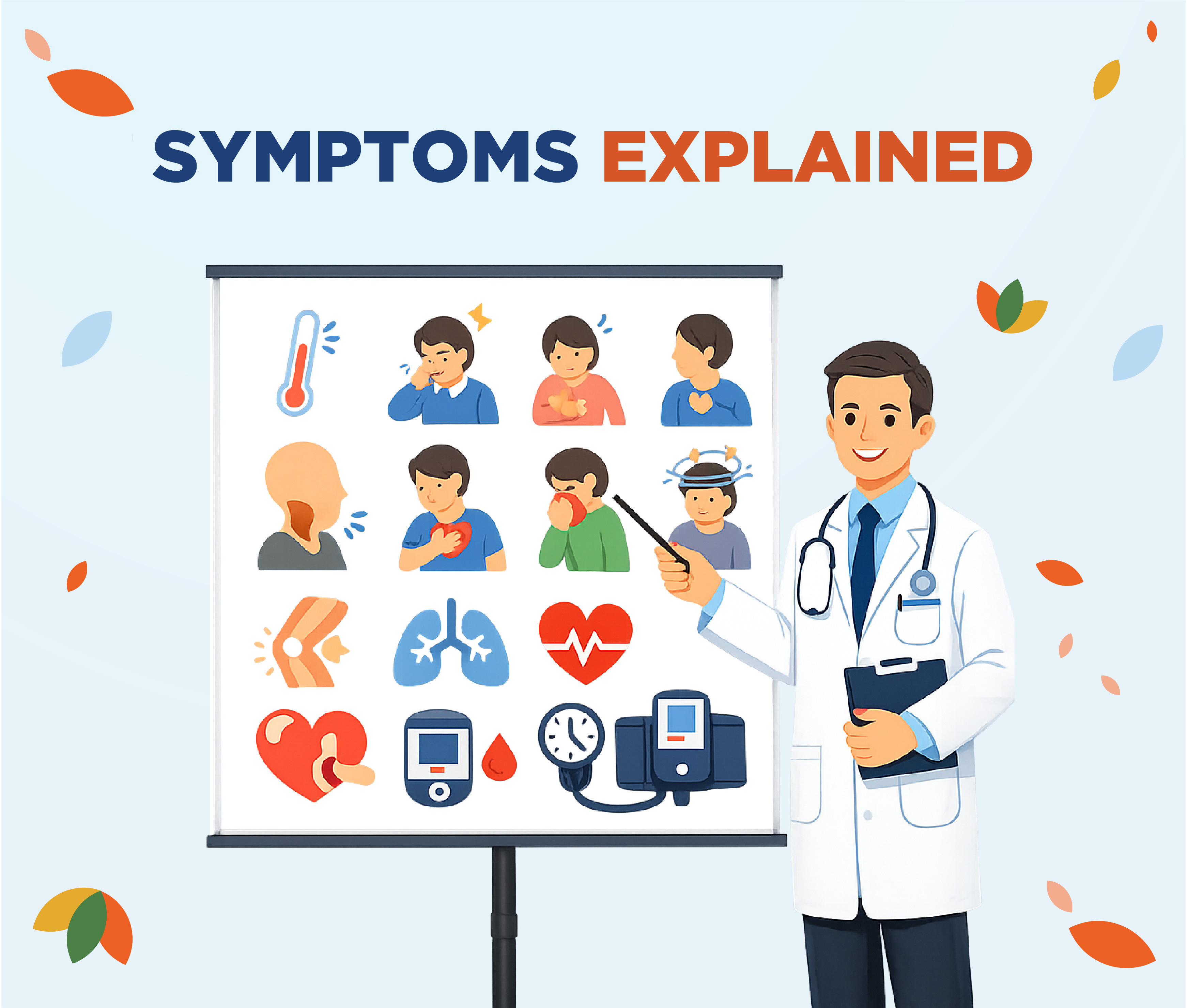
Symptoms of Influenza can vary widely among individuals, but common signs include fever, cough, and body aches. Understanding these influenza symptoms is crucial for timely diagnosis and effective treatment, ensuring a quicker recovery.
Top 20 Symptoms of Influenza
- High fever, often exceeding 100°F (38°C)
- Severe chills and shaking
- Muscle and body aches
- Fatigue and weakness
- Headache
- Sore throat
- Cough, which may be dry or productive
- Runny or stuffy nose
- Shortness of breath
- Loss of appetite
- Nausea and vomiting
- Diarrhea, more common in children
- General malaise or feeling unwell
- Watery or red eyes
- Chronic fatigue post-infection
- Influenza symptoms can vary in severity
- Skin rashes in some cases
- Rapid heartbeat
- Chest discomfort
- Exacerbation of existing chronic conditions
- Symptoms typically appear suddenly
What is Influenza?
Influenza, commonly known as the flu, is a contagious viral infection that affects the respiratory system. It is caused by influenza viruses, which can lead to significant illness and complications, particularly in vulnerable populations such as the elderly and young children. The symptoms of influenza typically include fever, chills, cough, sore throat, body aches, fatigue, and sometimes gastrointestinal issues. These influenza symptoms can range from mild to severe and usually appear suddenly. Annual vaccination is recommended to reduce the risk of infection and its potential complications, making awareness of influenza and its symptoms crucial for public health.
How Common is Influenza
- Influenza affects millions of people worldwide each year, with seasonal epidemics occurring in temperate regions.
- According to the World Health Organization (WHO), annual influenza epidemics result in about 3 to 5 million cases of severe illness.
- In the United States, the Centers for Disease Control and Prevention (CDC) estimates that between 9 million and 40 million cases occur annually.
- Influenza can lead to approximately 12,000 to 52,000 deaths in the U.S. each year, emphasizing its potential severity.
- The global impact of influenza is significant, with estimates ranging from 290,000 to 650,000 respiratory deaths annually.
- Influenza viruses circulate year-round, but seasonal peaks typically occur in winter months in temperate climates.
- Young children, elderly individuals, and those with chronic health conditions are at higher risk for severe influenza complications.
- Vaccination is key in reducing the incidence of influenza and its associated complications; however, vaccine uptake varies by region.
- Healthcare systems often experience increased strain during flu seasons due to the high volume of patients seeking care.
- Public health measures, such as vaccination campaigns and hygiene practices, play a crucial role in controlling the spread of influenza.
What are the Causes and Risk Factors of Influenza?
| Factor / Cause | Description |
|---|---|
| Virus Strain | Influenza is caused by various strains of the influenza virus, including Type A, B, and C. |
| Seasonal Changes | Influenza outbreaks are more common during the fall and winter months due to environmental conditions. |
| Close Contact | Being in close proximity to infected individuals increases the likelihood of transmission. |
| Weakened Immune System | Individuals with compromised immune systems, such as the elderly or those with chronic illnesses, are at higher risk. |
| Age | Young children and elderly adults are more susceptible to severe influenza infections. |
| Living Conditions | Crowded living conditions, such as in dormitories or nursing homes, facilitate the spread of the virus. |
| Lack of Vaccination | Not receiving the annual influenza vaccine significantly increases the risk of infection. |
| Smoking | Smoking damages the respiratory system, making individuals more vulnerable to respiratory infections. |
| Chronic Health Conditions | Conditions like asthma, diabetes, and heart disease can increase the risk of severe influenza complications. |
| Travel | Traveling, especially to areas experiencing outbreaks, can increase exposure to the influenza virus. |
What are the Signs and Symptoms of Influenza?
Influenza, commonly known as the flu, presents a variety of signs and symptoms that can vary in intensity. Typically, individuals may experience sudden onset of fever, chills, and muscle aches, often accompanied by fatigue and weakness. Respiratory symptoms such as a dry cough, sore throat, and nasal congestion are also common. Additionally, some may suffer from headaches and gastrointestinal issues like nausea or diarrhea, particularly in children. Recognizing these influenza symptoms early can facilitate prompt medical attention and help in managing the illness more effectively, minimizing potential complications and aiding in a quicker recovery.
Early-Stage Symptoms of Influenza
Early-stage symptoms of influenza often resemble those of the common cold but are typically more severe. Individuals may experience a sudden onset of fever, chills, and body aches, which can lead to significant discomfort. Additionally, influenza symptoms may include a dry cough, sore throat, and fatigue, making it difficult to carry out daily activities. Some may also experience headaches and nasal congestion. Recognizing these early signs is crucial, as prompt treatment can help alleviate symptoms and reduce the risk of complications. If you suspect you have influenza, it's important to consult a healthcare professional for proper diagnosis and care.
Advanced Symptoms of Influenza
Advanced symptoms of influenza can significantly impact one's overall health and well-being. While typical influenza symptoms often include fever, cough, and body aches, more severe manifestations may arise, particularly in vulnerable populations. These advanced symptoms can include difficulty breathing, chest pain, persistent vomiting, and sudden dizziness. In some cases, individuals may experience confusion or a significant worsening of chronic health conditions. Recognizing these advanced influenza symptoms is crucial for timely medical intervention, as they may indicate complications such as pneumonia or respiratory failure. Early detection and treatment can drastically improve outcomes for those affected by the virus.
Symptoms of Influenza in Male
Influenza symptoms in males can be quite severe, often presenting with a sudden onset of fever, chills, and fatigue. Men may experience muscle aches, headaches, and a dry cough, which can make daily activities challenging. Additionally, some may report a sore throat, nasal congestion, and gastrointestinal issues such as nausea or diarrhea. It's important to recognize these symptoms early, as they can lead to complications if left untreated. Understanding these influenza symptoms can help males seek prompt medical attention and take necessary precautions to prevent the spread of the virus to others.
Symptoms of Influenza in Female
Influenza symptoms in females can manifest similarly to those in males, but some women may experience additional effects due to hormonal fluctuations. Common symptoms include sudden onset of fever, chills, cough, sore throat, body aches, and fatigue. Women may also report headaches and nasal congestion. It's important to note that some females might experience gastrointestinal symptoms, such as nausea or diarrhea, which are less common. Monitoring these influenza symptoms is crucial, as they can vary in severity and duration. Prompt medical attention is recommended, especially for those with underlying health conditions or weakened immune systems.
How is Influenza Diagnosed?
- Clinical evaluation of symptoms such as fever, cough, sore throat, and body aches.
- Medical history assessment to determine exposure to influenza cases.
- Rapid influenza diagnostic tests (RIDTs) to detect influenza antigens in respiratory specimens.
- Polymerase chain reaction (PCR) tests for more accurate and sensitive detection of the virus.
- Viral culture to isolate and identify the influenza virus from respiratory samples.
- Serological tests to measure antibodies against influenza in the blood.
- Chest X-rays to rule out pneumonia or other complications associated with influenza.
- Monitoring of outbreak patterns and public health surveillance data.
- Assessment of symptom onset timing to differentiate from other respiratory illnesses.
- Consultation with healthcare professionals for differential diagnosis when symptoms overlap with other viruses.
What are the Reversal Strategies for Influenza?
Reversal strategies for influenza focus on mitigating symptoms and reducing the duration of the illness. Antiviral medications, such as oseltamivir and zanamivir, can be effective when administered within the first 48 hours of symptom onset. These drugs work by inhibiting the virus's ability to replicate, thereby alleviating influenza symptoms like fever, cough, and body aches. Additionally, supportive care, including hydration and rest, plays a crucial role in recovery. Vaccination remains the most effective preventive measure, preparing the immune system to combat the virus and minimizing the impact of influenza during peak seasons.
FAQs on Influenza
What is Influenza?
Influenza, commonly known as the flu, is a viral infection that affects the respiratory system. It is caused by the influenza virus and can lead to mild to severe illness, and in some cases, even death. Vaccination is the most effective prevention method.
What are the common symptoms of Influenza?
Common symptoms of influenza include fever, chills, cough, sore throat, body aches, headaches, and fatigue. Some individuals may also experience vomiting and diarrhea, although this is more common in children than adults.
How is Influenza transmitted?
Influenza is primarily transmitted through respiratory droplets when an infected person coughs, sneezes, or talks. It can also spread by touching surfaces contaminated with the virus and then touching the mouth, nose, or eyes.
How can I prevent Influenza?
Preventing influenza involves getting an annual flu vaccine, practicing good hygiene such as regular handwashing, avoiding close contact with sick individuals, and staying home when feeling unwell to prevent spreading the virus.
When should I seek medical attention for Influenza?
You should seek medical attention for influenza if you experience difficulty breathing, chest pain, persistent dizziness, confusion, severe vomiting, or symptoms that improve and then suddenly worsen. Prompt treatment can help prevent complications.
Disclaimer: The information provided about Influenza Symptoms is intended for general educational and informational purposes only. It should not be considered medical advice or used as a substitute for consultation with a qualified healthcare professional. Symptoms may differ from person to person and can be linked to a variety of medical conditions. This content is not intended for self-diagnosis or treatment. If you notice ongoing, severe, or unusual symptoms related to Influenza, it is important to seek guidance from a licensed medical professional for proper diagnosis and care.