

Insulin Resistance Symptoms
Health symptoms can sometimes be easy to ignore, but they may also be a sign that medical attention is needed. Knowing the possible causes, related signs, and when to seek care can help people make better health decisions.
Unexpected medical expenses can arise from consultations, tests, or treatment, making health insurance an important part of financial preparedness. Readers can fill out the form below with their name and phone number to get a health insurance quote.
Personalized Coverage
Cashless Hospitals
Quick and Easy Claims
24/7 Customer Service
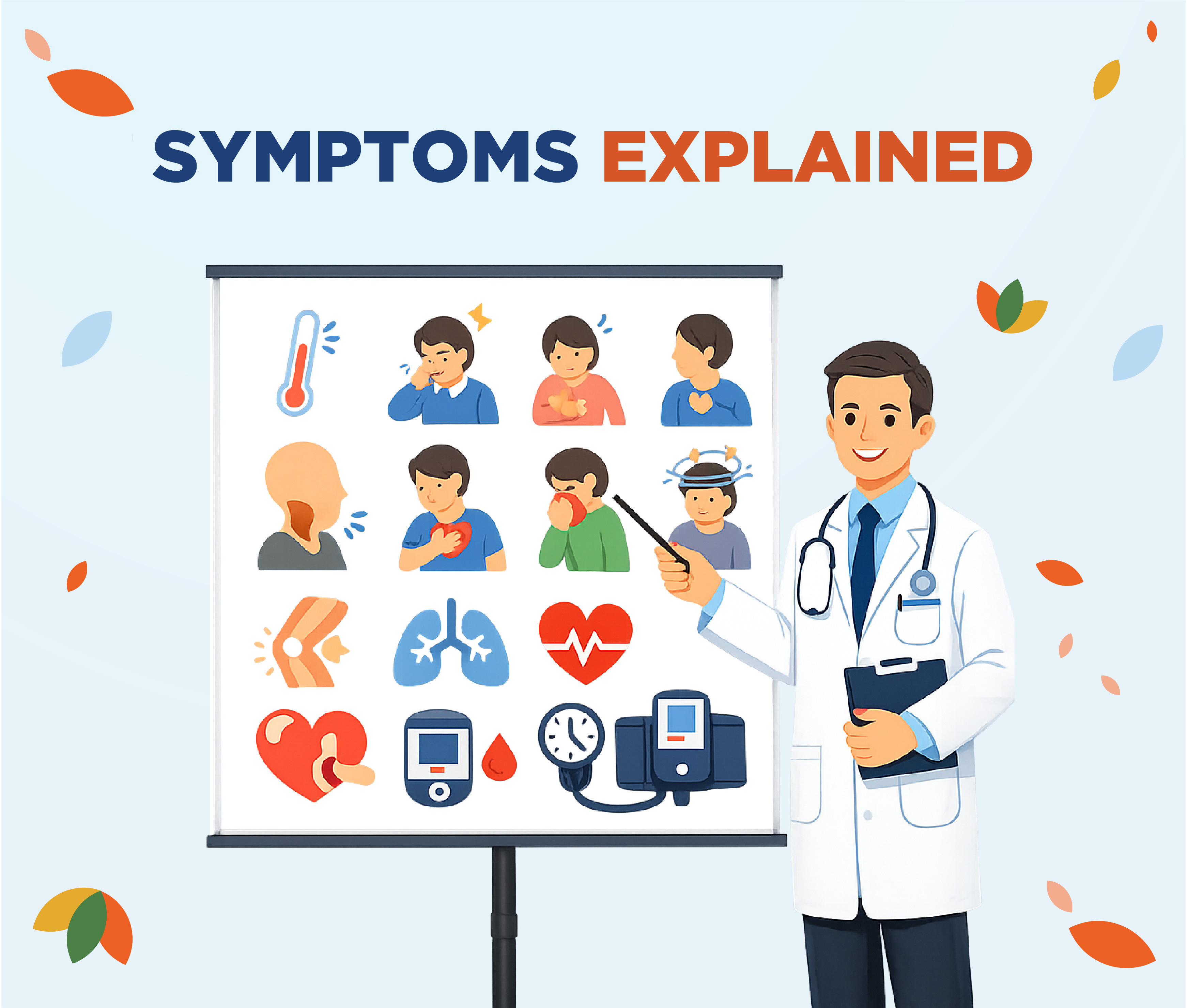
Symptoms of Insulin Resistance can be subtle yet significant, often manifesting in various ways. Recognizing these Insulin Resistance Symptoms early is crucial for effective management and prevention of related health issues, including type 2 diabetes and cardiovascular disease.
Top 20 Symptoms of Insulin Resistance
- Increased hunger, often leading to overeating
- Unexplained weight gain, particularly around the abdomen
- Fatigue and low energy levels throughout the day
- Frequent urination and increased thirst
- Difficulty concentrating or "brain fog"
- Skin changes, such as dark patches (acanthosis nigricans)
- High blood pressure that is difficult to control
- Elevated cholesterol levels, particularly triglycerides
- Increased cravings for sugary or carbohydrate-rich foods
- Irregular menstrual cycles in women
- Sleep disturbances, including sleep apnea
- Increased body fat, especially around the waist
- Elevated blood sugar levels, often detected during routine tests
- Mood swings and irritability
- Insulin Resistance Symptoms can include skin tags and other benign growths
- Low libido or decreased sexual function
- Digestive issues, such as bloating and gas
- Headaches that occur frequently
- Increased risk of developing type 2 diabetes
- Joint pain or discomfort
What is Insulin Resistance?
Insulin resistance is a metabolic condition where the body's cells become less responsive to the hormone insulin, which is essential for regulating blood sugar levels. As a result, the pancreas produces more insulin to compensate, leading to elevated insulin levels in the bloodstream. This condition can lead to various health issues, including type 2 diabetes. Common insulin resistance symptoms include fatigue, hunger, difficulty concentrating, and weight gain, particularly around the abdomen. Recognizing these symptoms early can be crucial for managing insulin resistance and preventing more serious complications.
How Common is Insulin Resistance
- Insulin resistance affects approximately 1 in 3 adults in the United States.
- It is commonly associated with obesity, with nearly 80% of obese individuals exhibiting some degree of insulin resistance.
- Insulin resistance prevalence increases with age, particularly in adults over 45.
- It is a key factor in the development of type 2 diabetes, which affects over 34 million Americans.
- Studies suggest that insulin resistance is becoming more prevalent among children and adolescents, particularly those with obesity.
- Certain ethnic groups, including African Americans, Hispanic Americans, and Native Americans, show higher rates of insulin resistance.
- Approximately 50% of individuals with metabolic syndrome have insulin resistance.
- Insulin resistance can be asymptomatic, making it difficult to diagnose without specific testing.
- Lifestyle factors such as a sedentary lifestyle and high-calorie diets significantly contribute to the rising incidence of insulin resistance.
- Regular screening for insulin resistance is recommended for individuals with risk factors such as family history, obesity, and high blood pressure.
What are the Causes and Risk Factors of Insulin Resistance?
| Factor / Cause | Description |
|---|---|
| Obesity | Excess body fat, particularly around the abdomen, can lead to increased insulin resistance. |
| Physical Inactivity | Lack of regular exercise contributes to weight gain and decreased insulin sensitivity. |
| Genetics | Family history of diabetes or insulin resistance can increase one's risk. |
| Poor Diet | High intake of sugars, refined carbs, and unhealthy fats can lead to insulin resistance. |
| Age | Risk of insulin resistance increases with age, especially after 45 years. |
| Hormonal Changes | Conditions like polycystic ovary syndrome (PCOS) can disrupt hormonal balance and promote insulin resistance. |
| Sleep Disorders | Obstructive sleep apnea and other sleep disturbances can negatively affect insulin sensitivity. |
| Chronic Stress | Elevated stress levels can increase cortisol, leading to higher insulin resistance. |
| Certain Medications | Some drugs, including steroids and antipsychotics, can impair insulin sensitivity. |
| Smoking | Tobacco use has been linked to increased insulin resistance and metabolic disturbances. |
What are the Signs and Symptoms of Insulin Resistance?
Insulin resistance occurs when the body's cells become less responsive to insulin, leading to various signs and symptoms. Common insulin resistance symptoms include fatigue, increased hunger, and difficulty concentrating. Individuals may also experience weight gain, particularly around the abdomen, and frequent cravings for sugary foods. Skin changes, such as dark patches in the armpits or neck, can also indicate insulin resistance. Additionally, elevated blood sugar levels and high blood pressure are often associated with this condition. Recognizing these signs early can be crucial in managing and preventing further complications related to insulin resistance.
Early-Stage Symptoms of Insulin Resistance
Early-stage symptoms of insulin resistance can often be subtle and easily overlooked. Individuals may experience fatigue, increased hunger, and difficulty concentrating, which can be mistakenly attributed to stress or lack of sleep. Other insulin resistance symptoms include weight gain, particularly around the abdomen, and skin changes such as dark patches or acanthosis nigricans. These signs occur when the body's cells become less responsive to insulin, leading to elevated blood sugar levels. Recognizing these early symptoms is crucial for timely intervention and management, potentially preventing the progression to type 2 diabetes and other related health issues.
Advanced Symptoms of Insulin Resistance
Advanced symptoms of insulin resistance can significantly impact overall health and well-being. Individuals may experience increased fatigue, frequent hunger, and difficulty concentrating, which are common insulin resistance symptoms. Additionally, symptoms may include weight gain, particularly around the abdomen, and skin changes such as dark patches known as acanthosis nigricans. High blood pressure and elevated cholesterol levels can also develop, leading to a higher risk of cardiovascular diseases. Recognizing these advanced symptoms is crucial for early intervention and management, as insulin resistance can progress to type 2 diabetes if left unaddressed.
Symptoms of Insulin Resistance in Male
Insulin resistance in males can manifest through several distinct symptoms that may indicate underlying health issues. Common Insulin Resistance Symptoms include increased fatigue, difficulty concentrating, and persistent hunger, which often lead to overeating. Additionally, men may experience weight gain, particularly around the abdominal area, and a decrease in muscle mass. Other signs can include elevated blood pressure, skin changes such as dark patches on the neck or armpits, and a higher risk of developing type 2 diabetes. Recognizing these symptoms early is crucial for effective management and prevention of more serious health complications.
Symptoms of Insulin Resistance in Female
Insulin resistance is a condition that can manifest through various symptoms in females. Common Insulin Resistance Symptoms include unexplained weight gain, particularly around the abdomen, fatigue, and difficulty focusing. Many women may also experience irregular menstrual cycles, increased hunger, and skin changes such as dark patches or acanthosis nigricans. Additionally, some may notice heightened cravings for sugary foods and an overall decrease in energy levels. Recognizing these symptoms early is crucial, as insulin resistance can lead to more serious health issues, including type 2 diabetes and cardiovascular disease if left unaddressed.
How is Insulin Resistance Diagnosed?
- Medical history assessment, including family history of diabetes.
- Physical examination to check for signs of insulin resistance, such as acanthosis nigricans.
- Blood tests to measure fasting insulin levels.
- Glucose tolerance test to evaluate how the body processes glucose.
- Hemoglobin A1c test to assess average blood sugar levels over the past 2-3 months.
- Calculation of the Homeostasis Model Assessment of Insulin Resistance (HOMA-IR).
- Use of a Continuous Glucose Monitor (CGM) to track glucose levels over time.
- Assessment of lipid profiles to check for abnormalities often associated with insulin resistance.
- Evaluation of waist circumference and body mass index (BMI) to determine obesity levels.
- Referral to an endocrinologist for further evaluation if necessary.
What are the Reversal Strategies for Insulin Resistance?
Reversal strategies for insulin resistance focus on lifestyle modifications that can significantly improve metabolic health. Key approaches include adopting a balanced diet rich in whole foods, increasing physical activity, and managing stress levels. Incorporating regular exercise, particularly resistance training and aerobic workouts, can enhance insulin sensitivity. Additionally, monitoring insulin resistance symptoms such as fatigue, hunger, and difficulty concentrating can help individuals recognize the need for these changes. Other strategies may include weight management and, in some cases, medication. By actively addressing these factors, individuals can effectively reverse insulin resistance and promote overall well-being.
FAQs on Insulin Resistance
What is insulin resistance?
Insulin resistance occurs when the body's cells become less responsive to insulin, a hormone that helps regulate blood sugar levels. This can lead to higher blood sugar levels and may increase the risk of developing type 2 diabetes and other metabolic disorders.
What are the symptoms of insulin resistance?
Common symptoms include fatigue, hunger, difficulty concentrating, and weight gain, particularly around the abdomen. Some individuals may also experience skin changes, such as dark patches or acanthosis nigricans, signaling insulin resistance.
What are the causes of insulin resistance?
Insulin resistance can be caused by various factors including obesity, physical inactivity, poor diet, hormonal changes, and genetic predisposition. Conditions like polycystic ovary syndrome (PCOS) and certain medications can also contribute to its development.
How is insulin resistance diagnosed?
Diagnosis typically involves blood tests to measure fasting insulin and glucose levels. A healthcare provider may also assess other factors such as body mass index (BMI) and family history. The oral glucose tolerance test may also be used.
Can insulin resistance be reversed?
Yes, insulin resistance can often be reversed through lifestyle changes such as improved diet, regular physical activity, and weight loss. In some cases, medication may also be prescribed to help manage blood sugar levels.
Disclaimer: The information provided about Insulin Resistance Symptoms is intended for general educational and informational purposes only. It should not be considered medical advice or used as a substitute for consultation with a qualified healthcare professional. Symptoms may differ from person to person and can be linked to a variety of medical conditions. This content is not intended for self-diagnosis or treatment. If you notice ongoing, severe, or unusual symptoms related to Insulin Resistance, it is important to seek guidance from a licensed medical professional for proper diagnosis and care.