

Long COVID Symptoms
Health symptoms can sometimes be easy to ignore, but they may also be a sign that medical attention is needed. Knowing the possible causes, related signs, and when to seek care can help people make better health decisions.
Unexpected medical expenses can arise from consultations, tests, or treatment, making health insurance an important part of financial preparedness. Readers can fill out the form below with their name and phone number to get a health insurance quote.
Personalized Coverage
Cashless Hospitals
Quick and Easy Claims
24/7 Customer Service
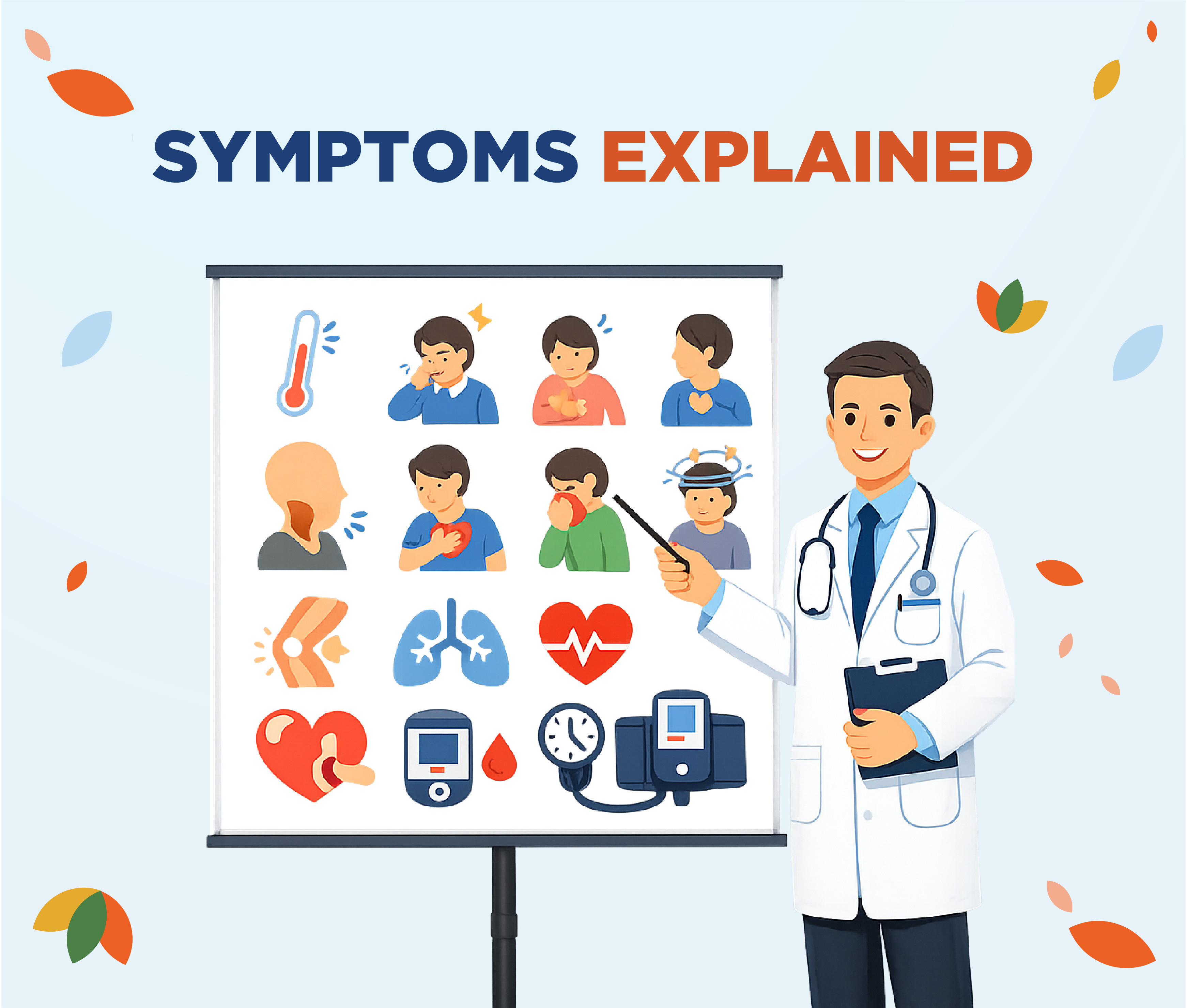
Symptoms of Long COVID can persist long after the initial infection, affecting various bodily systems. Understanding Long COVID symptoms is crucial for those experiencing prolonged health issues, as they can impact daily life and overall well-being.
Top 20 Symptoms of Long COVID
- Fatigue that persists for weeks or months after the initial infection
- Shortness of breath or difficulty breathing during daily activities
- Difficulty concentrating, often referred to as "brain fog"
- Joint pain that can be debilitating
- Chest pain or discomfort
- Headaches that are more frequent or severe than usual
- Heart palpitations or abnormal heart rhythms
- Sleep disturbances, including insomnia or unusual sleep patterns
- Loss of taste or smell that continues long after recovery
- Muscle weakness or generalized muscle pain
- Fever that comes and goes
- Anxiety or depression that may develop after the infection
- Digestive issues, such as diarrhea or stomach pain
- Skin rashes or changes in skin texture
- Persistent cough that does not resolve
- Increased sensitivity to temperature or other sensory stimuli
- Long COVID Symptoms can include ongoing respiratory problems
- Memory issues, including forgetfulness or confusion
- Changes in menstrual cycles in women
- Recurrent sore throat or swelling in the throat area
What is Long COVID?
Long COVID, also known as post-acute sequelae of SARS-CoV-2 infection (PASC), refers to a range of symptoms that persist long after the initial COVID-19 infection has resolved. While most individuals recover within a few weeks, some experience lingering effects that can last for months or even longer. Long COVID symptoms can vary widely and may include fatigue, shortness of breath, cognitive difficulties, and joint pain, among others. This condition has raised concerns among healthcare providers, as it affects a significant number of people who were previously healthy, highlighting the need for ongoing research and support for those affected.
How Common is Long COVID
- Long COVID affects a significant percentage of individuals who have recovered from COVID-19, with estimates ranging from 10% to 30% of those infected.
- The prevalence of long COVID symptoms can vary based on factors such as age, sex, and the severity of the initial infection.
- A study indicated that approximately 50% of hospitalized COVID-19 patients report lingering symptoms months after discharge.
- Common symptoms of long COVID include fatigue, brain fog, and respiratory issues, which may persist for weeks or months.
- The World Health Organization (WHO) recognizes long COVID as a multi-system condition that can affect multiple organ systems.
- Research shows that long COVID can occur even in individuals with mild or asymptomatic cases of COVID-19.
- Long COVID has been reported in various demographics, including children and young adults, challenging previous assumptions about its prevalence.
- Some studies suggest that women are more likely to experience long COVID symptoms than men.
- Ongoing studies are focused on understanding the underlying mechanisms and risk factors associated with long COVID.
- As awareness of long COVID grows, healthcare providers are increasingly recognizing and treating the condition in affected individuals.
What are the Causes and Risk Factors of Long COVID?
| Factor / Cause | Description |
|---|---|
| Previous COVID-19 Infection Severity | Individuals who experienced severe COVID-19 symptoms are at a higher risk of developing long COVID. |
| Age | Older adults are more likely to experience long-term symptoms following COVID-19 infection. |
| Gender | Women appear to be at a greater risk than men for developing long COVID symptoms. |
| Comorbidities | Pre-existing health conditions, such as diabetes, obesity, and heart disease, increase the risk of long COVID. |
| Autoimmune Conditions | Individuals with autoimmune disorders may be more susceptible to prolonged symptoms after COVID-19. |
| Duration of Initial Symptoms | Patients who experience symptoms for longer than a week during the acute phase are more likely to develop long COVID. |
| Physical Fitness Level | Lower levels of physical fitness prior to infection may contribute to the risk of long COVID. |
| Psychological Factors | Anxiety and depression can exacerbate the experience of long COVID, affecting recovery. |
| Viral Load | A higher initial viral load at the time of infection may correlate with the likelihood of developing long COVID. |
| Socioeconomic Status | Lower socioeconomic status can limit access to healthcare and resources, potentially increasing the risk of long COVID. |
What are the Signs and Symptoms of Long COVID?
Long COVID, a condition that can develop after contracting COVID-19, presents a range of persistent symptoms that may last for weeks or even months. Common Long COVID symptoms include fatigue, shortness of breath, and cognitive difficulties often referred to as "brain fog." Additionally, individuals may experience joint pain, chest discomfort, and sleep disturbances. Some patients report changes in taste and smell, ongoing cough, and heart palpitations. It's important for those experiencing these prolonged effects to seek medical advice, as understanding and addressing Long COVID symptoms can significantly improve quality of life and facilitate recovery.
Early-Stage Symptoms of Long COVID
Early-stage symptoms of long COVID can vary significantly among individuals, making diagnosis challenging. Common long COVID symptoms may include persistent fatigue, difficulty concentrating, and shortness of breath that lingers after the acute phase of infection. Some people report joint pain, headaches, or a persistent cough, which can affect daily activities and overall quality of life. Sleep disturbances and heart palpitations are also frequently noted, adding to the complexity of this condition. Recognizing these early signs is crucial for timely intervention and management, helping patients navigate the ongoing impacts of their illness more effectively.
Advanced Symptoms of Long COVID
Advanced symptoms of Long COVID can significantly impact a patient's quality of life, often extending well beyond the initial infection. Individuals may experience persistent fatigue, cognitive dysfunction, and respiratory issues, which are some of the most debilitating Long COVID symptoms. Additionally, some may develop cardiovascular problems, joint pain, and gastrointestinal disturbances. Neurological symptoms, such as headaches and sleep disturbances, can also persist for months. Understanding these advanced symptoms is crucial for both patients and healthcare providers, as they can guide effective management strategies and improve recovery outcomes in those affected by this complex condition.
Symptoms of Long COVID in Male
Long COVID Symptoms in males can manifest in various ways, significantly impacting their overall well-being. Common symptoms include persistent fatigue, shortness of breath, and cognitive difficulties, often referred to as "brain fog." Additionally, some men may experience joint and muscle pain, sleep disturbances, and mood changes such as anxiety or depression. These symptoms can persist for weeks or even months after the initial COVID-19 infection, making it crucial for affected individuals to seek medical advice and support. Understanding the specific Long COVID Symptoms can aid in better management and recovery for men facing this challenging condition.
Symptoms of Long COVID in Female
Female patients experiencing Long COVID symptoms often report a range of persistent health issues that can significantly impact their quality of life. Common symptoms include fatigue, cognitive difficulties, and sleep disturbances, which may persist for months following the initial infection. Additionally, many women experience respiratory problems, joint pain, and changes in menstrual cycles. Mental health issues, such as anxiety and depression, are also prevalent among females suffering from Long COVID. Understanding these symptoms is crucial for developing effective management strategies and providing appropriate support to those affected by this complex condition.
How is Long COVID Diagnosed?
- Assessment of patient history, including COVID-19 diagnosis and symptoms duration.
- Physical examination to evaluate ongoing health issues.
- Review of existing medical records and previous COVID-19 tests.
- Utilization of standardized diagnostic criteria for Long COVID.
- Laboratory tests to rule out other conditions and assess organ function.
- Imaging studies, such as chest X-rays or CT scans, to check for lung damage.
- Neuropsychological assessments for cognitive symptoms like "brain fog."
- Cardiovascular evaluations to identify issues like myocarditis or postural orthostatic tachycardia syndrome (POTS).
- Multidisciplinary team approach involving specialists as needed.
- Patient-reported outcomes to understand symptom impact on daily life.
What are the Reversal Strategies for Long COVID?
Reversal strategies for Long COVID focus on alleviating persistent Long COVID symptoms that affect daily life. These strategies may include a combination of physical rehabilitation, cognitive behavioral therapy, and nutritional support to enhance overall well-being. Patients are encouraged to engage in gradual exercise programs that promote stamina and reduce fatigue, while mindfulness techniques can help manage anxiety and cognitive difficulties. Additionally, personalized treatment plans that address specific Long COVID symptoms, such as respiratory issues or brain fog, can lead to improved quality of life. Early intervention and a multidisciplinary approach are key to successfully reversing the impact of Long COVID.
FAQs on Long COVID
What is Long COVID?
Long COVID, also known as post-acute sequelae of SARS-CoV-2 infection (PASC), refers to a range of symptoms that persist for weeks or months after the initial COVID-19 infection has resolved. It can affect anyone, regardless of the severity of their initial illness.
What are the common symptoms of Long COVID?
Common symptoms include fatigue, shortness of breath, difficulty concentrating (often referred to as "brain fog"), joint pain, and heart palpitations. These symptoms can vary in intensity and duration among different individuals.
Who is at risk for Long COVID?
While anyone can develop Long COVID, those at higher risk include individuals with severe COVID-19 cases, older adults, and people with underlying health conditions. However, even mild cases can lead to Long COVID symptoms.
How is Long COVID diagnosed?
Diagnosing Long COVID typically involves a thorough medical history and evaluation of symptoms. There are no specific tests for Long COVID, so healthcare providers often rule out other conditions to confirm the diagnosis.
What treatments are available for Long COVID?
Treatment for Long COVID is generally supportive and focuses on managing symptoms. This may include physical rehabilitation, medications for specific symptoms, and psychological support. Ongoing research aims to identify effective treatments.
Disclaimer: The information provided about Long COVID Symptoms is intended for general educational and informational purposes only. It should not be considered medical advice or used as a substitute for consultation with a qualified healthcare professional. Symptoms may differ from person to person and can be linked to a variety of medical conditions. This content is not intended for self-diagnosis or treatment. If you notice ongoing, severe, or unusual symptoms related to Long COVID, it is important to seek guidance from a licensed medical professional for proper diagnosis and care.