

Loss of Sensation Symptoms
Health symptoms can sometimes be easy to ignore, but they may also be a sign that medical attention is needed. Knowing the possible causes, related signs, and when to seek care can help people make better health decisions.
Unexpected medical expenses can arise from consultations, tests, or treatment, making health insurance an important part of financial preparedness. Readers can fill out the form below with their name and phone number to get a health insurance quote.
Personalized Coverage
Cashless Hospitals
Quick and Easy Claims
24/7 Customer Service
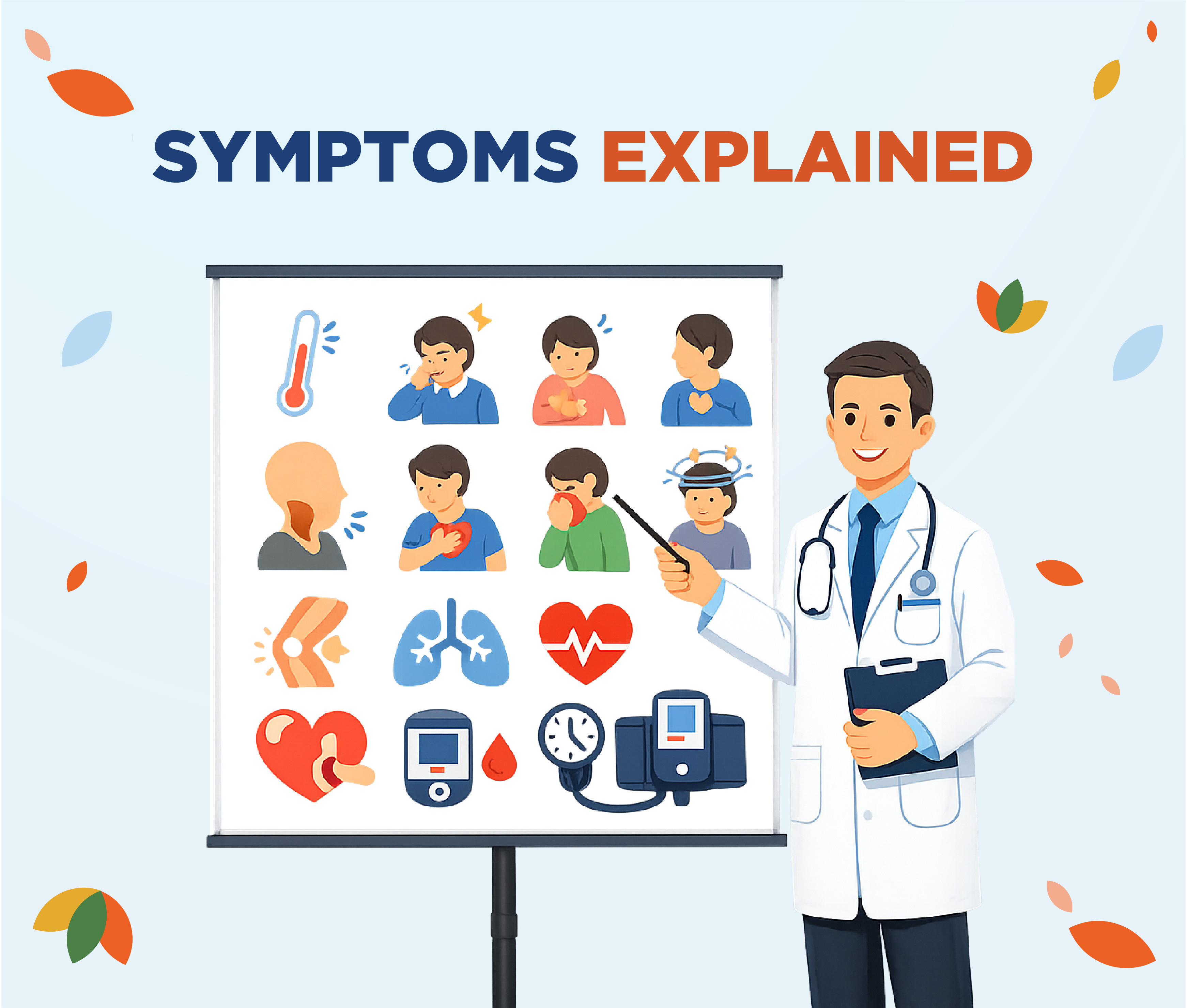
Symptoms of Loss of Sensation can significantly impact daily life, affecting one's ability to perceive touch, temperature, and pain. Understanding Loss of Sensation Symptoms is crucial for timely diagnosis and effective management of underlying conditions.
Top 20 Symptoms of Loss of Sensation
- Numbness in the affected area
- Tingling or pins-and-needles sensation
- Reduced ability to feel temperature changes
- Loss of coordination or balance
- Weakness in the affected limbs
- Difficulty in performing fine motor tasks
- Increased sensitivity to touch or pressure
- Loss of sensation symptoms may fluctuate
- Burning or aching sensations in the skin
- Feeling of heaviness in the affected area
- Swelling or inflammation around nerves
- Changes in skin color or texture
- Difficulty distinguishing between hot and cold
- Chronic pain without an obvious cause
- Loss of feeling in hands or feet
- Inability to sense vibration
- Feeling of tightness or constriction
- Altered sensation after injury
- Loss of proprioception (awareness of body position)
- Emotional responses to sensory loss
What is Loss of Sensation?
Loss of sensation, also known as numbness or paresthesia, refers to a decreased ability to feel stimuli in specific areas of the body. This condition can occur due to various factors including nerve damage, pressure on nerves, or underlying medical conditions such as diabetes or multiple sclerosis. Individuals experiencing loss of sensation may notice symptoms such as tingling, prickling, or a complete absence of feeling in affected regions. Loss of sensation symptoms can significantly impact daily activities and quality of life, making it essential to identify the underlying cause and seek appropriate medical evaluation and treatment.
How Common is Loss of Sensation
- Loss of sensation, also known as sensory loss, can occur due to a variety of medical conditions.
- It is commonly associated with neurological disorders, such as multiple sclerosis and Parkinson's disease.
- Diabetes is a leading cause of peripheral neuropathy, which often results in loss of sensation in the feet and hands.
- Approximately 50% of diabetic patients may experience some form of sensory loss.
- Stroke victims may suffer from loss of sensation on one side of the body, affecting daily activities.
- Infections, such as shingles, can lead to temporary or permanent sensory loss in the affected area.
- Trauma or injury to nerves can result in localized loss of sensation, often requiring medical intervention.
- Certain medications, particularly chemotherapy drugs, may induce sensory loss as a side effect.
- Age-related changes in the nervous system can contribute to a gradual decrease in sensory perception.
- Overall, the prevalence of loss of sensation varies widely depending on the underlying cause and population demographics.
What are the Causes and Risk Factors of Loss of Sensation?
| Factor / Cause | Description |
|---|---|
| Diabetes Mellitus | High blood sugar levels can damage nerves, leading to peripheral neuropathy and loss of sensation. |
| Multiple Sclerosis | This autoimmune disease can affect nerve fibers and disrupt communication between the brain and body, causing sensory loss. |
| Stroke | A stroke can impair blood flow to parts of the brain, leading to loss of sensation on one side of the body. |
| Vitamin Deficiencies | Deficiencies in vitamins such as B12 can lead to nerve damage, resulting in loss of sensation. |
| Alcohol Abuse | Chronic alcohol consumption can lead to nutritional deficiencies and nerve damage, causing peripheral neuropathy. |
| Infections | Certain infections, like Lyme disease or shingles, can damage nerves and lead to loss of sensation. |
| Herniated Disc | A herniated disc can press on spinal nerves, causing numbness or tingling in the limbs. |
| Autoimmune Disorders | Diseases like lupus or Guillain-Barré syndrome can attack the nervous system, leading to sensory loss. |
| Hypothyroidism | Low thyroid hormone levels can contribute to nerve damage and loss of sensation. |
| Trauma or Injury | Physical injuries, including cuts or fractures, can damage nerves and result in loss of sensation in affected areas. |
What are the Signs and Symptoms of Loss of Sensation?
Loss of sensation, also known as hypoesthesia, can manifest in various ways, with key loss of sensation symptoms including numbness, tingling, or a "pins and needles" sensation in affected areas. Individuals may experience difficulty feeling temperature changes or touch, which can lead to accidental injuries. In some cases, there may be a complete loss of feeling in certain parts of the body, particularly in the hands or feet. These symptoms may arise due to nerve damage, diabetes, or other underlying conditions, making early recognition critical for effective management and treatment.
Early-Stage Symptoms of Loss of Sensation
Early-stage symptoms of loss of sensation can manifest in various ways, often starting with a tingling or numb feeling in the affected area. Individuals may experience a decrease in their ability to feel touch, temperature, or pain, which can lead to challenges in daily activities. These loss of sensation symptoms can be indicative of underlying conditions such as neuropathy or multiple sclerosis. It is essential to pay attention to these initial signs, as early intervention can help manage the underlying causes effectively and prevent further complications. Seeking medical advice at the first sign of these symptoms is crucial for optimal outcomes.
Advanced Symptoms of Loss of Sensation
Advanced symptoms of loss of sensation can manifest in various ways, significantly impacting an individual's quality of life. Patients may experience numbness, tingling, or a complete absence of feeling in affected areas, which can lead to difficulties in performing daily tasks. Loss of sensation symptoms may also include heightened sensitivity to touch or a painful response to stimuli that would normally be harmless. In severe cases, individuals may face challenges in maintaining balance or coordination, increasing the risk of falls and injuries. Early recognition and management of these advanced symptoms are crucial to prevent further complications and to improve overall health outcomes.
Symptoms of Loss of Sensation in Male
Loss of sensation symptoms in males can manifest in various ways, often affecting the ability to feel touch, temperature, or pain. Common indicators include numbness or tingling in the extremities, particularly in the hands and feet, which may lead to difficulty with coordination and balance. Men may also experience a decreased sensitivity to stimuli, affecting their daily activities and overall quality of life. In some cases, loss of sensation may be accompanied by weakness or muscle atrophy, indicating underlying nerve damage or other medical conditions. Recognizing these symptoms early is crucial for effective diagnosis and treatment.
Symptoms of Loss of Sensation in Female
Loss of sensation symptoms in females can manifest in various ways, often leading to a range of physical and emotional challenges. Common indicators include numbness or tingling in the extremities, such as hands and feet, which can impact daily activities. Some may also experience a reduced ability to feel temperature changes or pain, increasing the risk of injuries. In addition to physical symptoms, emotional responses like anxiety or frustration may arise due to the sudden changes in sensory perception. It's essential for females experiencing these symptoms to consult a healthcare professional for proper evaluation and management to address the underlying causes.
How is Loss of Sensation Diagnosed?
- Comprehensive medical history evaluation to identify underlying conditions.
- Physical examination to assess reflexes and response to stimuli.
- Neurological examination to determine the extent and location of sensory loss.
- Electromyography (EMG) to evaluate electrical activity in muscles.
- Nerve conduction studies to measure the speed of electrical signals in nerves.
- Imaging tests, such as MRI or CT scans, to identify structural abnormalities.
- Blood tests to check for metabolic issues, vitamin deficiencies, or infections.
- Skin biopsies to analyze nerve fiber density in certain conditions.
- Quantitative sensory testing to assess sensory nerve function and thresholds.
- Referral to specialists, such as neurologists or endocrinologists, for further evaluation.
What are the Reversal Strategies for Loss of Sensation?
Reversal strategies for loss of sensation involve a multifaceted approach aimed at addressing the underlying causes and alleviating loss of sensation symptoms. These strategies may include physical therapy to enhance nerve function, medication to manage pain or inflammation, and lifestyle modifications such as proper nutrition and regular exercise. In certain cases, advanced treatments like nerve stimulation therapy or surgical interventions may be necessary to restore sensation. Early identification and intervention are crucial, as they can significantly improve outcomes. Patients experiencing loss of sensation symptoms should consult healthcare professionals for a tailored treatment plan that addresses their specific needs.
FAQs on Loss of Sensation
What is loss of sensation?
Loss of sensation, or numbness, is a condition where a person experiences a decreased ability to feel stimuli such as touch, temperature, or pain. It can affect specific areas or the entire body and may be temporary or chronic.
What causes loss of sensation?
Loss of sensation can be caused by various factors including nerve damage, diabetes, multiple sclerosis, stroke, or injuries. Certain medications and vitamin deficiencies can also contribute to this condition.
What are the symptoms of loss of sensation?
Symptoms include numbness, tingling, or a "pins and needles" sensation. Some may experience pain or weakness in the affected areas, depending on the underlying cause of the sensation loss.
How is loss of sensation diagnosed?
Diagnosis typically involves a physical examination, medical history review, and tests such as nerve conduction studies or imaging scans. Identifying the underlying cause is essential for effective treatment.
What treatments are available for loss of sensation?
Treatment depends on the underlying cause and may include medications, physical therapy, or lifestyle changes. In some cases, addressing the root issue can restore sensation and alleviate symptoms.
Disclaimer: The information provided about Loss of Sensation Symptoms is intended for general educational and informational purposes only. It should not be considered medical advice or used as a substitute for consultation with a qualified healthcare professional. Symptoms may differ from person to person and can be linked to a variety of medical conditions. This content is not intended for self-diagnosis or treatment. If you notice ongoing, severe, or unusual symptoms related to Loss of Sensation, it is important to seek guidance from a licensed medical professional for proper diagnosis and care.