

Low Blood Oxygen Symptoms
Health symptoms can sometimes be easy to ignore, but they may also be a sign that medical attention is needed. Knowing the possible causes, related signs, and when to seek care can help people make better health decisions.
Unexpected medical expenses can arise from consultations, tests, or treatment, making health insurance an important part of financial preparedness. Readers can fill out the form below with their name and phone number to get a health insurance quote.
Personalized Coverage
Cashless Hospitals
Quick and Easy Claims
24/7 Customer Service
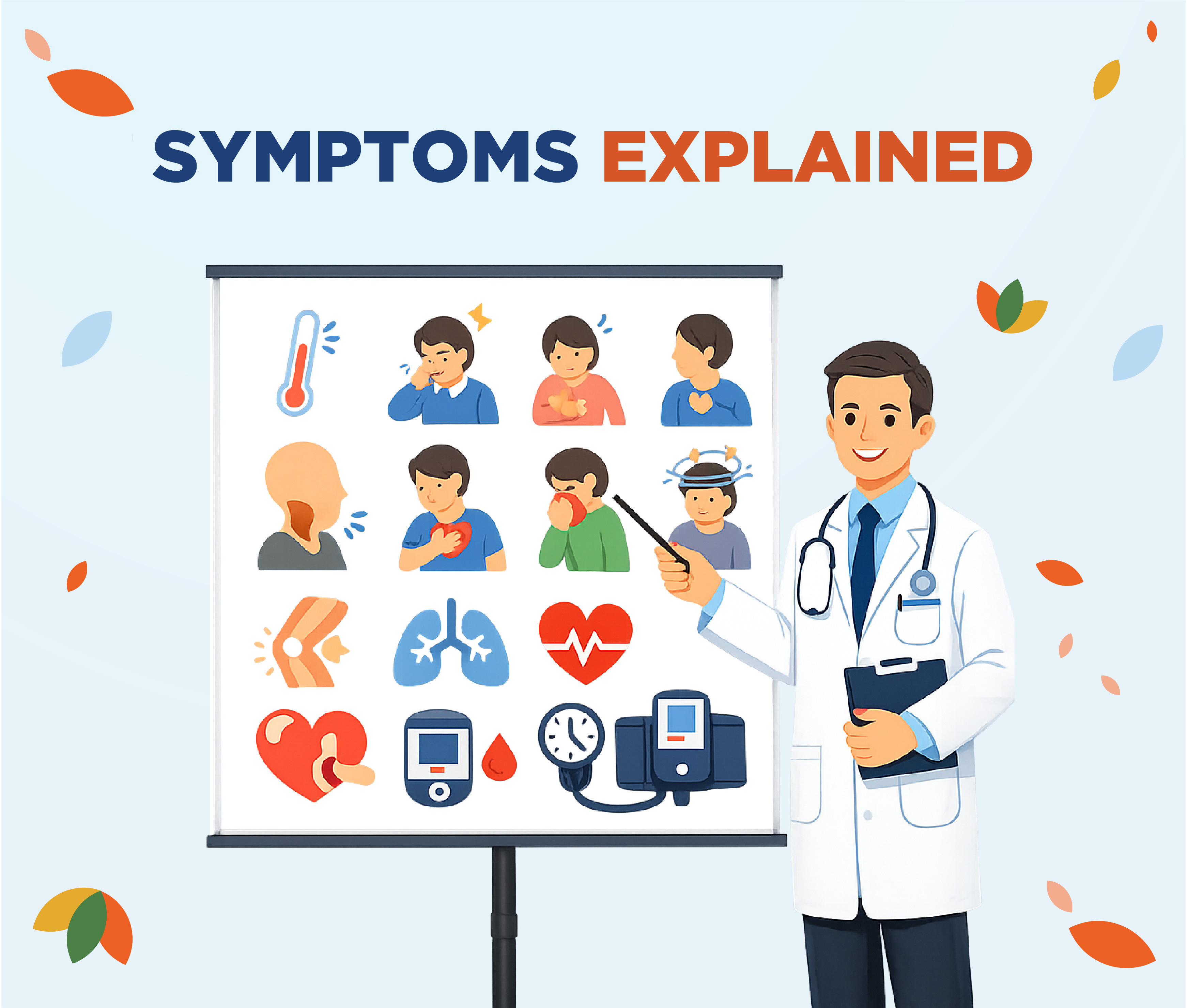
Symptoms of Low Blood Oxygen can significantly impact overall health and well-being. Recognizing Low Blood Oxygen Symptoms is crucial for timely intervention, as they may indicate underlying respiratory or cardiovascular issues that require immediate attention.
Top 20 Symptoms of Low Blood Oxygen
- Shortness of breath during physical activities.
- Increased heart rate or palpitations.
- Dizziness or lightheadedness.
- Fatigue or weakness without exertion.
- Cyanosis, or a bluish tint to the skin, especially around the lips and fingertips.
- Frequent headaches or migraines.
- Confusion or difficulty concentrating.
- Chest pain or tightness.
- Restlessness or anxiety.
- Cold hands and feet despite a warm environment.
- Low blood oxygen symptoms include a persistent cough.
- Nausea or vomiting.
- Sleep disturbances, such as insomnia.
- Decreased exercise tolerance.
- Feeling faint or experiencing near-syncope episodes.
- Changes in vision, such as blurred vision.
- Frequent respiratory infections.
- Feeling unusually tired or lethargic.
- Increased sweating without physical activity.
- Difficulty with balance or coordination.
- Changes in mood, such as increased irritability.
What is Low Blood Oxygen?
Low blood oxygen, also known as hypoxemia, occurs when the levels of oxygen in the blood fall below the normal range, which can lead to various health complications. This condition can arise from respiratory disorders, high altitudes, or certain heart conditions. Low blood oxygen symptoms may include shortness of breath, rapid heartbeat, fatigue, confusion, and a bluish hue to the skin, particularly around the lips and fingertips. Recognizing these symptoms is crucial, as prolonged hypoxemia can result in significant organ damage and requires immediate medical attention to restore adequate oxygen levels in the body.
How Common is Low Blood Oxygen
- Low blood oxygen, also known as hypoxemia, is relatively common in certain populations, particularly those with respiratory conditions.
- Conditions such as chronic obstructive pulmonary disease (COPD) and asthma can lead to frequent occurrences of low blood oxygen levels.
- Low blood oxygen can also be seen in patients with pneumonia, which affects lung function and oxygen exchange.
- Individuals living at high altitudes may experience lower blood oxygen levels due to reduced atmospheric oxygen pressure.
- Sleep apnea is a common condition that can lead to episodes of low blood oxygen during sleep.
- Heart diseases, including heart failure, can contribute to reduced oxygen levels in the blood.
- Smoking is a significant risk factor that can lead to chronic low blood oxygen due to lung damage.
- Low blood oxygen levels can be prevalent in patients undergoing certain surgical procedures, particularly those involving anesthesia.
- In healthy individuals, occasional low blood oxygen may occur during intense physical exertion or high-altitude activities.
- Monitoring blood oxygen levels is essential in clinical settings, especially for at-risk populations, to address hypoxemia promptly.
What are the Causes and Risk Factors of Low Blood Oxygen?
| Factor / Cause | Description |
|---|---|
| Chronic Obstructive Pulmonary Disease (COPD) | A progressive lung disease that causes breathing difficulties, leading to reduced oxygen levels in the blood. |
| Asthma | A condition characterized by inflamed airways that can cause wheezing and difficulty breathing, potentially lowering oxygen saturation. |
| Pneumonia | An infection that inflames the air sacs in one or both lungs, which can fill with fluid, impairing oxygen absorption. |
| Sleep Apnea | A disorder in which breathing repeatedly stops and starts during sleep, leading to intermittent low blood oxygen levels. |
| Anemia | A condition where there is a deficiency of red blood cells or hemoglobin, reducing the blood's ability to carry oxygen. |
| High Altitude | At higher elevations, the lower atmospheric pressure can result in decreased oxygen availability, leading to hypoxemia. |
| Pulmonary Embolism | A blockage in one of the pulmonary arteries in the lungs, usually caused by blood clots, which can hinder oxygen exchange. |
| Carbon Monoxide Poisoning | Exposure to carbon monoxide can prevent the blood from carrying oxygen effectively, leading to low oxygen levels. |
| Congenital Heart Defects | Heart abnormalities present at birth that can affect blood flow and oxygen levels in the body. |
| Interstitial Lung Disease | A group of diseases causing scarring of lung tissue, which can impair the lungs' ability to transfer oxygen into the blood. |
What are the Signs and Symptoms of Low Blood Oxygen?
Low blood oxygen symptoms can manifest in various ways, indicating that the body isn't receiving adequate oxygen. Common signs include shortness of breath, especially during physical activity, and a persistent feeling of fatigue or weakness. Patients may experience confusion, headaches, or a rapid heart rate as the body struggles to compensate for the low oxygen levels. In more severe cases, bluish discoloration of the lips or fingertips, known as cyanosis, may occur. It's crucial to recognize these symptoms early, as prolonged low blood oxygen can lead to serious health complications, necessitating prompt medical attention.
Early-Stage Symptoms of Low Blood Oxygen
Early-stage symptoms of low blood oxygen can manifest in various ways, often indicating the need for immediate attention. Individuals may experience shortness of breath, rapid heart rate, or fatigue during routine activities. Additionally, low blood oxygen symptoms may include dizziness, confusion, and a bluish tint to the lips or fingers, known as cyanosis. These signs can arise from various underlying conditions, such as respiratory diseases or heart problems. Recognizing these early symptoms is crucial, as prompt medical intervention can prevent further complications and ensure adequate oxygen levels are restored in the body.
Advanced Symptoms of Low Blood Oxygen
Advanced symptoms of low blood oxygen can manifest as severe fatigue, confusion, and shortness of breath, indicating a significant drop in oxygen levels. Individuals may also experience a bluish tint to their lips and fingertips, known as cyanosis, as well as rapid heart rate and headaches. These low blood oxygen symptoms not only affect physical performance but can also impair cognitive function, leading to difficulties in concentration and decision-making. It is crucial to recognize these alarming signs early, as prolonged low oxygen levels can result in serious complications, including organ damage and respiratory failure. Prompt medical attention is essential for effective management.
Symptoms of Low Blood Oxygen in Male
Low blood oxygen symptoms in males can manifest in various ways, significantly impacting overall health. Common signs include shortness of breath, rapid heartbeat, and fatigue, which may arise even during minimal physical activity. Additionally, males may experience confusion, headaches, and a bluish tint to the lips or fingertips, indicating a lack of adequate oxygen in the bloodstream. These symptoms can lead to serious complications if not addressed promptly. It is essential for men experiencing these symptoms to seek medical evaluation, as low blood oxygen levels can result from various underlying health issues requiring immediate attention.
Symptoms of Low Blood Oxygen in Female
Low blood oxygen symptoms in females can manifest in various ways, often leading to noticeable health issues. Common signs include persistent fatigue, shortness of breath, and rapid heart rate. Women may also experience dizziness, headaches, and confusion, particularly during physical activities. In some cases, their skin may appear pale or bluish, indicating a lack of adequate oxygen supply. It's essential for women experiencing these symptoms to seek medical attention, as low blood oxygen levels can lead to severe complications if left untreated. Understanding these symptoms is crucial for timely intervention and maintaining overall health.
How is Low Blood Oxygen Diagnosed?
- Patient medical history review to assess symptoms and risk factors.
- Physical examination to check for signs of respiratory distress or cyanosis.
- Pulse oximetry test to measure oxygen saturation levels in the blood.
- Arterial blood gas (ABG) test to evaluate oxygen and carbon dioxide levels in arterial blood.
- Complete blood count (CBC) to identify underlying conditions such as anemia.
- Chest X-ray to visualize lung conditions that may affect oxygen intake.
- CT scan of the chest for detailed imaging of lung structures and blood vessels.
- Electrocardiogram (ECG) to assess heart function, which can influence oxygen levels.
- Sleep studies to diagnose conditions like sleep apnea that can lead to low blood oxygen during sleep.
- Pulmonary function tests (PFTs) to evaluate lung capacity and efficiency in oxygen exchange.
What are the Reversal Strategies for Low Blood Oxygen?
Reversal strategies for low blood oxygen are essential for improving overall health and well-being. Effective approaches include supplemental oxygen therapy, which provides immediate relief and helps alleviate low blood oxygen symptoms such as shortness of breath and fatigue. Additionally, engaging in regular physical activity can enhance lung capacity and efficiency, promoting better oxygenation. Maintaining a healthy diet rich in antioxidants supports optimal respiratory function, while avoiding smoking and exposure to pollutants can prevent further complications. Monitoring altitude changes and using breathing exercises can also be beneficial in managing and reversing low blood oxygen levels, ensuring that the body receives adequate oxygen for its needs.
FAQs on Low Blood Oxygen
What is low blood oxygen?
Low blood oxygen, or hypoxemia, occurs when the oxygen levels in the bloodstream fall below normal. This condition can lead to serious health issues, affecting the body's organs and tissues due to insufficient oxygen supply.
What are the symptoms of low blood oxygen?
Common symptoms include shortness of breath, rapid heart rate, confusion, headache, and a bluish tint to the skin, especially around the lips and fingertips. Recognizing these symptoms is crucial for timely medical intervention.
What causes low blood oxygen levels?
Low blood oxygen levels can be caused by various factors, including respiratory diseases like COPD or pneumonia, heart conditions, high altitudes, and certain medications that affect breathing or circulation.
How is low blood oxygen diagnosed?
Diagnosis typically involves measuring blood oxygen levels using a pulse oximeter or arterial blood gas test. These tests help determine the severity of hypoxemia and guide appropriate treatment options.
What treatments are available for low blood oxygen?
Treatment may include supplemental oxygen therapy, medications to improve lung function, or interventions to address underlying conditions. In severe cases, hospitalization may be necessary for more intensive care.
Disclaimer: The information provided about Low Blood Oxygen Symptoms is intended for general educational and informational purposes only. It should not be considered medical advice or used as a substitute for consultation with a qualified healthcare professional. Symptoms may differ from person to person and can be linked to a variety of medical conditions. This content is not intended for self-diagnosis or treatment. If you notice ongoing, severe, or unusual symptoms related to Low Blood Oxygen, it is important to seek guidance from a licensed medical professional for proper diagnosis and care.