

Malaria Symptoms
Health symptoms can sometimes be easy to ignore, but they may also be a sign that medical attention is needed. Knowing the possible causes, related signs, and when to seek care can help people make better health decisions.
Unexpected medical expenses can arise from consultations, tests, or treatment, making health insurance an important part of financial preparedness. Readers can fill out the form below with their name and phone number to get a health insurance quote.
Personalized Coverage
Cashless Hospitals
Quick and Easy Claims
24/7 Customer Service
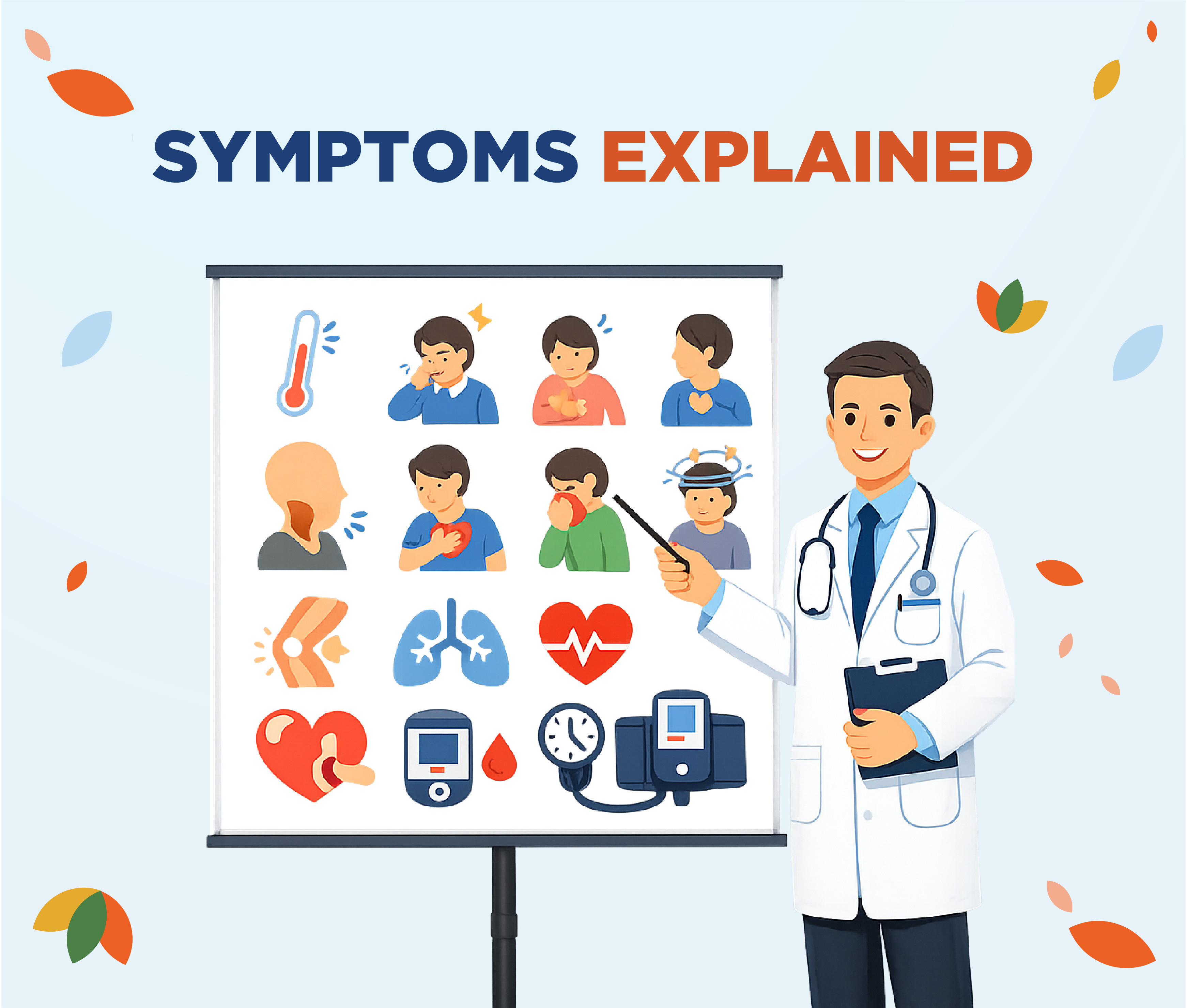
Symptoms of Malaria can vary widely among individuals, often presenting with fever, chills, and flu-like discomfort. Understanding Malaria symptoms is crucial for early diagnosis and effective treatment, helping to reduce the disease's impact on health.
Top 20 Symptoms of Malaria
- High fever, often cycling between chills and sweating.
- Severe headaches that can be debilitating.
- Fatigue and weakness that persists even after rest.
- Nausea and vomiting, which may lead to dehydration.
- Muscle and joint pain that can be quite intense.
- Cold sweats that can occur during fever spikes.
- Loss of appetite, making it difficult to maintain nutrition.
- Abdominal pain, sometimes severe.
- Diarrhea in some cases, though not as common.
- Sleep disturbances due to fever and discomfort.
- Pale skin, which may indicate anemia from the disease.
- Rapid heartbeat as the body tries to cope with infection.
- Respiratory difficulties, especially in severe cases.
- Jaundice, indicating liver involvement in severe malaria.
- Confusion or altered mental state in advanced cases.
- Seizures, which can occur in severe malaria cases.
- Malaria symptoms can vary based on strain and individual immunity.
- Enlarged spleen or liver, detectable through physical examination.
- Skin rashes in some individuals, though not very common.
- Persistent cough in severe cases affecting lung function.
- Dark urine, often a sign of hemolysis or liver issues.
What is Malaria?
Malaria is a life-threatening disease caused by parasites that are transmitted to humans through the bites of infected female Anopheles mosquitoes. The disease is prevalent in tropical and subtropical regions, affecting millions of people each year. Once inside the human body, the parasites multiply in the liver before infecting red blood cells. Common malaria symptoms include fever, chills, and flu-like illness, which can escalate to severe complications if not treated promptly. Early diagnosis and treatment are crucial for recovery, making awareness of malaria symptoms essential for those living in or traveling to endemic areas.
How Common is Malaria
- Malaria is endemic in over 87 countries, primarily in sub-Saharan Africa.
- According to the World Health Organization (WHO), there were approximately 241 million cases of malaria worldwide in 2020.
- Sub-Saharan Africa accounted for 95% of all malaria cases and deaths in 2020.
- In 2020, an estimated 627,000 deaths were attributed to malaria globally, with the majority occurring in young children.
- Malaria transmission is also reported in parts of Southeast Asia, Latin America, and the Middle East.
- Countries like Nigeria, Democratic Republic of the Congo, and India report the highest number of malaria cases.
- The disease disproportionately affects vulnerable populations, including pregnant women and children under five.
- Malaria prevalence varies seasonally, with higher transmission rates during rainy seasons in endemic regions.
- Travelers to endemic areas are at risk, making malaria a concern for international travelers.
- Efforts to control malaria include insecticide-treated nets, indoor spraying, and antimalarial medications.
What are the Causes and Risk Factors of Malaria?
| Factor / Cause | Description |
|---|---|
| Infected Mosquitoes | Malaria is primarily caused by the bite of an infected female Anopheles mosquito, which transmits the Plasmodium parasite. |
| Geographical Location | Malaria is prevalent in tropical and subtropical regions, particularly in sub-Saharan Africa, South Asia, and parts of South America. |
| Lack of Preventive Measures | Insufficient use of mosquito nets, insect repellents, and indoor spraying increases the risk of malaria transmission. |
| Poverty | Low-income communities often lack access to healthcare and preventive measures, contributing to higher malaria incidence. |
| Climate Conditions | Warm temperatures and stagnant water create ideal breeding conditions for malaria-carrying mosquitoes. |
| Travel to Endemic Areas | Travelers visiting regions where malaria is common are at increased risk of infection. |
| Weak Immune System | Individuals with compromised immune systems, such as those with HIV/AIDS, are more susceptible to severe malaria. |
| Pregnancy | Pregnant women are at a higher risk of malaria due to changes in their immune response and are more likely to experience severe complications. |
| Environmental Changes | Deforestation, urbanization, and irrigation can alter mosquito habitats, potentially increasing malaria transmission. |
| Genetic Factors | Certain genetic traits, such as sickle cell trait, can provide some protection against malaria, affecting susceptibility rates in different populations. |
What are the Signs and Symptoms of Malaria?
Malaria symptoms typically appear 10 to 15 days after being bitten by an infected mosquito. Early signs include fever, chills, and flu-like symptoms such as headache, fatigue, and muscle aches. As the disease progresses, individuals may experience severe symptoms like anemia, jaundice, and respiratory distress. In some cases, malaria can lead to complications such as cerebral malaria, which affects the brain, causing seizures and confusion. It is crucial to recognize these malaria symptoms early, as prompt treatment is essential to prevent serious health consequences. Awareness of these signs can aid in timely diagnosis and effective management of the disease.
Early-Stage Symptoms of Malaria
Early-stage symptoms of malaria typically manifest within 10 to 15 days after being bitten by an infected mosquito. Common malaria symptoms include fever, chills, headache, muscle aches, and fatigue. Patients may also experience nausea, vomiting, and diarrhea, which can lead to dehydration if not addressed promptly. These initial signs can often resemble flu-like illnesses, making diagnosis challenging without proper testing. Recognizing these early malaria symptoms is crucial for timely treatment, as the disease can progress rapidly and lead to severe complications if left untreated. Awareness and early intervention can significantly improve outcomes for those affected.
Advanced Symptoms of Malaria
Advanced symptoms of malaria can manifest as the disease progresses, indicating a severe state that requires immediate medical attention. Common malaria symptoms include high fever, chills, and sweating, but in advanced cases, patients may experience severe anemia, respiratory distress, and organ failure. Neurological complications, such as seizures or confusion, may also arise, posing a significant risk to life. Additionally, jaundice and dark urine can occur due to liver involvement. It is crucial to recognize these advanced malaria symptoms early, as timely intervention can drastically improve outcomes and reduce the risk of fatality.
Symptoms of Malaria in Male
Malaria symptoms in males typically begin with a sudden onset of fever, chills, and sweating, often occurring in cycles. Other common symptoms include headache, muscle pain, and fatigue, which can significantly impact daily activities. In some cases, males may experience gastrointestinal issues such as nausea, vomiting, and diarrhea. As the disease progresses, more severe symptoms can arise, including anemia, jaundice, and respiratory distress. Recognizing these malaria symptoms early is crucial for prompt treatment and management, preventing complications and enhancing recovery. Timely medical attention can help mitigate the impact of this potentially life-threatening disease.
Symptoms of Malaria in Female
Malaria symptoms in females can vary, but they often include fever, chills, and sweating, which are common indicators of the disease. Additionally, women may experience headaches, muscle pain, and fatigue, which can be mistaken for other illnesses. Nausea, vomiting, and diarrhea may also occur, further complicating the diagnosis. It's important to note that pregnant women are at a higher risk of severe complications from malaria, including anemia and adverse pregnancy outcomes. Early detection and treatment are crucial to manage malaria symptoms effectively and prevent long-term health issues. Awareness of these symptoms can lead to timely medical intervention and better health outcomes.
How is Malaria Diagnosed?
- Microscopic examination of blood smears to identify malaria parasites.
- Rapid diagnostic tests (RDTs) that detect specific antigens related to malaria.
- Polymerase chain reaction (PCR) tests for detecting malaria DNA in the blood.
- Serological tests to identify antibodies against malaria parasites.
- Clinical evaluation based on symptoms such as fever, chills, and sweating.
- Travel history assessment to determine exposure to malaria-endemic regions.
- Complete blood count (CBC) to check for anemia and other abnormalities.
- Use of thick and thin blood films for detailed parasite identification.
- Monitoring of fever patterns in conjunction with laboratory findings.
- Consultation with infectious disease specialists for complex cases.
What are the Reversal Strategies for Malaria?
Reversal strategies for malaria focus on reducing infection rates and alleviating malaria symptoms through various interventions. These strategies include the distribution of insecticide-treated bed nets, promoting indoor residual spraying, and implementing effective antimalarial medications. Public health campaigns aim to educate communities about the importance of early diagnosis and treatment, which can significantly decrease the incidence of severe malaria symptoms. Additionally, integrating vector control measures with ongoing surveillance helps to identify hotspots of transmission, allowing for targeted interventions. By prioritizing these comprehensive approaches, health organizations can work towards reversing the trend of malaria and improving overall health outcomes in affected regions.
FAQs on Malaria
What is malaria?
Malaria is a life-threatening disease caused by parasites transmitted to humans through the bites of infected female Anopheles mosquitoes. It is characterized by fever, chills, and flu-like symptoms, and can lead to severe complications if not treated promptly.
How is malaria transmitted?
Malaria is primarily transmitted through the bite of infected Anopheles mosquitoes. The parasites enter the bloodstream, multiply in the liver, and then infect red blood cells, causing the symptoms associated with the disease.
What are the symptoms of malaria?
Common symptoms of malaria include fever, headache, chills, sweating, fatigue, nausea, and vomiting. Symptoms typically appear within 10-15 days after being bitten by an infected mosquito.
How can malaria be prevented?
Preventive measures for malaria include using insecticide-treated bed nets, applying mosquito repellent, taking antimalarial medications, and eliminating standing water where mosquitoes breed. Awareness and education are also crucial in high-risk areas.
What is the treatment for malaria?
Malaria treatment typically involves antimalarial medications, such as artemisinin-based combination therapies (ACTs). The choice of treatment depends on the malaria species, severity of the disease, and the patient's overall health condition.
Disclaimer: The information provided about Malaria Symptoms is intended for general educational and informational purposes only. It should not be considered medical advice or used as a substitute for consultation with a qualified healthcare professional. Symptoms may differ from person to person and can be linked to a variety of medical conditions. This content is not intended for self-diagnosis or treatment. If you notice ongoing, severe, or unusual symptoms related to Malaria, it is important to seek guidance from a licensed medical professional for proper diagnosis and care.