

Malnutrition Symptoms
Health symptoms can sometimes be easy to ignore, but they may also be a sign that medical attention is needed. Knowing the possible causes, related signs, and when to seek care can help people make better health decisions.
Unexpected medical expenses can arise from consultations, tests, or treatment, making health insurance an important part of financial preparedness. Readers can fill out the form below with their name and phone number to get a health insurance quote.
Personalized Coverage
Cashless Hospitals
Quick and Easy Claims
24/7 Customer Service
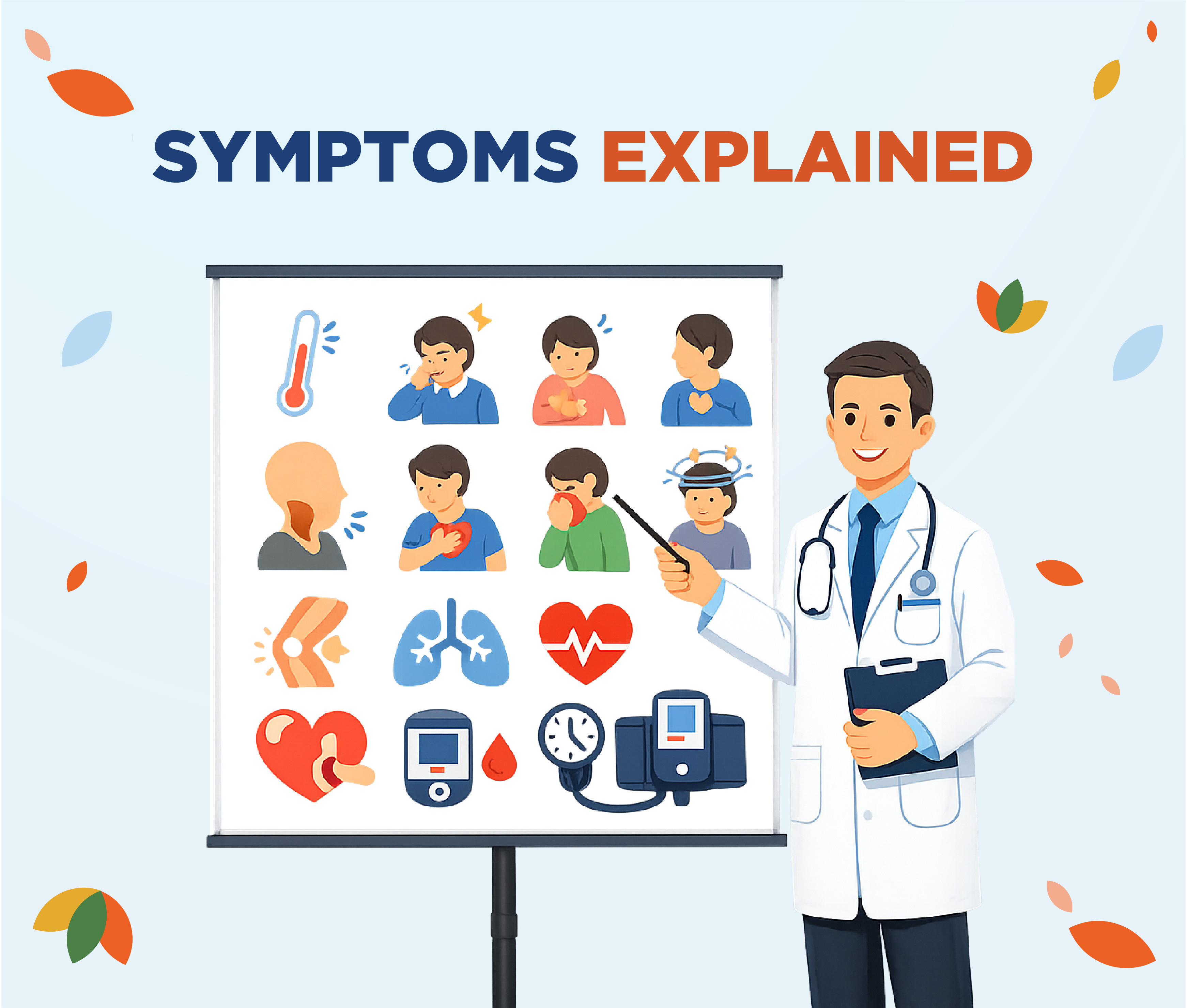
Symptoms of Malnutrition can vary widely, affecting both physical and mental health. Recognizing these Malnutrition Symptoms is crucial for timely intervention and effective treatment, ensuring individuals receive the necessary support to improve their nutritional status.
Top 20 Symptoms of Malnutrition
- Unintentional weight loss over a short period of time
- Fatigue and weakness
- Dry or flaky skin
- Hair loss or thinning hair
- Swollen or bleeding gums
- Frequent infections or illnesses
- Muscle weakness and loss of muscle mass
- Difficulty concentrating or cognitive issues
- Changes in mood, including irritability or anxiety
- Slow healing of wounds and injuries
- Digestive problems, such as bloating and constipation
- Abnormal heart rhythms
- Cold intolerance and feeling cold frequently
- Cracks or sores at the corners of the mouth
- Malnutrition symptoms may include a swollen abdomen
- Loss of appetite or aversion to food
- Altered taste or smell
- Yellowing of the skin (jaundice)
- Anemia or low blood levels
- Delayed development in children
- Dental problems, such as cavities or tooth decay
What is Malnutrition?
Malnutrition refers to the condition that arises from an unbalanced diet, where an individual does not receive adequate nutrients or energy essential for optimal health. It can manifest in various forms, including undernutrition, which is characterized by insufficient calorie intake, and overnutrition, often linked to obesity. Malnutrition symptoms can vary widely, ranging from weight loss and fatigue to weakened immune function and delayed wound healing. Individuals affected by malnutrition may experience physical and cognitive impairments, highlighting the importance of a well-rounded and nutritious diet to maintain overall health and well-being.
How Common is Malnutrition
- Malnutrition affects approximately 1 in 10 people globally, with varying prevalence across different regions.
- In developing countries, the rate of malnutrition can be as high as 25% in certain populations, especially among children.
- According to the World Health Organization (WHO), an estimated 462 million adults are underweight due to malnutrition.
- Malnutrition is a significant underlying cause of child mortality, contributing to nearly 45% of deaths in children under five.
- Obesity, a form of malnutrition, is also on the rise, with over 650 million adults classified as obese worldwide.
- Food insecurity, which affects about 820 million people, is a critical factor leading to malnutrition.
- Certain populations, including the elderly and those with chronic illnesses, are at a higher risk of malnutrition.
- In high-income countries, malnutrition often presents as obesity due to poor dietary choices and sedentary lifestyles.
- Malnutrition can occur in any age group but is particularly prevalent among pregnant women and infants.
- Efforts to combat malnutrition include nutritional education, food assistance programs, and public health interventions.
What are the Causes and Risk Factors of Malnutrition?
| Factor / Cause | Description |
|---|---|
| Poverty | Lack of financial resources can limit access to nutritious food. |
| Food Insecurity | Uncertainty about the availability of food can lead to poor dietary choices. |
| Illness | Chronic diseases can increase nutrient needs and decrease appetite. |
| Age | Older adults may face challenges in obtaining and preparing food. |
| Malabsorption | Conditions like celiac disease can hinder nutrient absorption in the gut. |
| Dietary Restrictions | Vegetarian or vegan diets can sometimes lack essential nutrients if not well-planned. |
| Substance Abuse | Alcohol and drug abuse can lead to neglect of nutrition and health. |
| Lack of Education | Limited knowledge about nutrition can result in poor dietary choices. |
| Social Isolation | Individuals who are socially isolated may have less access to food and support. |
| Natural Disasters | Events like floods or hurricanes can disrupt food supply and accessibility. |
What are the Signs and Symptoms of Malnutrition?
Malnutrition encompasses a range of conditions resulting from inadequate or excessive nutrient intake, leading to various health issues. Common malnutrition symptoms include unintentional weight loss, fatigue, and weakness, which can significantly impact daily activities. Individuals may experience changes in appetite, digestive disturbances, or even delayed wound healing. Additionally, malnutrition can manifest through skin changes, hair loss, and dental problems, indicating a deficiency in essential vitamins and minerals. Recognizing these signs early is crucial for timely intervention and treatment, as prolonged malnutrition can lead to further complications and chronic health conditions.
Early-Stage Symptoms of Malnutrition
Early-stage symptoms of malnutrition can manifest in various ways, often subtle yet significant. Individuals may experience fatigue, weakness, and a general lack of energy, which can be attributed to insufficient nutrient intake. Other malnutrition symptoms include unintended weight loss, dry skin, and brittle hair, indicating deficiencies in essential vitamins and minerals. Additionally, cognitive changes such as difficulty concentrating or mood swings may arise. It is crucial to recognize these early signs to prevent further health complications, as timely intervention can lead to improved nutritional status and overall well-being.
Advanced Symptoms of Malnutrition
Advanced symptoms of malnutrition can significantly impact an individual's overall health and well-being. As the body becomes deprived of essential nutrients, signs may include severe fatigue, muscle wasting, and compromised immune function, leading to frequent infections. Individuals may also experience cognitive difficulties, such as confusion or memory loss, as the brain lacks vital nutrients. Other malnutrition symptoms can manifest as skin changes, hair loss, and dental issues, indicating a dire need for dietary intervention. Recognizing these advanced symptoms is crucial for timely treatment and can help prevent further complications associated with malnutrition.
Symptoms of Malnutrition in Male
Malnutrition symptoms in males can manifest in various physical and psychological ways. Common indicators include significant weight loss, fatigue, and muscle weakness, which may affect overall strength and stamina. Additionally, men may experience changes in appetite, digestive issues, and even skin problems such as dryness or rashes. Mental health can also be impacted, leading to irritability, depression, or difficulty concentrating. Recognizing these symptoms is crucial, as they can signal underlying nutritional deficiencies that may require medical attention and dietary adjustments to restore health and well-being.
Symptoms of Malnutrition in Female
Malnutrition symptoms in females can vary widely, often manifesting as both physical and psychological issues. Common physical symptoms include unexplained weight loss, fatigue, and muscle weakness. Additionally, women may experience irregular menstrual cycles and hair loss, which can be distressing. Psychological effects may include mood swings, irritability, and difficulty concentrating. These symptoms can arise from deficiencies in essential nutrients, impacting overall health and well-being. It's crucial for females to recognize these malnutrition symptoms early and seek medical advice to address potential deficiencies and improve their nutritional status.
How is Malnutrition Diagnosed?
- Review of medical history and dietary habits.
- Physical examination to assess signs of malnutrition.
- Measurement of body mass index (BMI) to evaluate weight status.
- Assessment of growth patterns in children and adolescents.
- Laboratory tests to check for nutrient deficiencies.
- Evaluation of serum albumin and prealbumin levels.
- Use of skinfold thickness measurements for body fat assessment.
- Assessment of muscle mass through techniques like bioelectrical impedance.
- Screening tools such as the Malnutrition Universal Screening Tool (MUST).
- Collaboration with dietitians for a comprehensive nutritional assessment.
What are the Reversal Strategies for Malnutrition?
Reversal strategies of malnutrition focus on addressing both the underlying causes and the visible malnutrition symptoms. These strategies often include nutritional supplementation, dietary modifications, and education on balanced diets rich in essential vitamins and minerals. Identifying individuals at risk, such as the elderly or those with chronic illnesses, is crucial for effective intervention. Implementing community programs that promote access to nutritious foods can significantly improve outcomes. Additionally, regular monitoring of patients' progress ensures that the chosen strategies are effective and allows for timely adjustments, ultimately leading to better health and quality of life for those affected by malnutrition.
FAQs on Malnutrition
What is malnutrition?
Malnutrition refers to deficiencies, excesses, or imbalances in a person's intake of energy and nutrients. It can result from inadequate food intake, poor absorption, or the body's increased nutritional needs due to illness or other factors.
What are the signs of malnutrition?
Signs of malnutrition include unintended weight loss, fatigue, weakened immune function, and poor wound healing. Additionally, individuals may experience hair loss, dry skin, and dental issues, indicating nutrient deficiencies.
Who is at risk for malnutrition?
Individuals at risk for malnutrition include the elderly, young children, pregnant women, and those with chronic illnesses or eating disorders. Limited access to nutritious foods can also increase the risk in various populations.
How is malnutrition diagnosed?
Malnutrition is diagnosed through a combination of clinical assessments, dietary evaluations, and laboratory tests. Healthcare providers may check weight, body mass index (BMI), and nutrient levels to determine nutritional status.
What treatments are available for malnutrition?
Treatment for malnutrition focuses on improving dietary intake and addressing underlying health issues. This may include nutritional supplements, dietary changes, and in some cases, medical interventions to manage underlying conditions.
Disclaimer: The information provided about Malnutrition Symptoms is intended for general educational and informational purposes only. It should not be considered medical advice or used as a substitute for consultation with a qualified healthcare professional. Symptoms may differ from person to person and can be linked to a variety of medical conditions. This content is not intended for self-diagnosis or treatment. If you notice ongoing, severe, or unusual symptoms related to Malnutrition, it is important to seek guidance from a licensed medical professional for proper diagnosis and care.