

Menopause Symptoms
Health symptoms can sometimes be easy to ignore, but they may also be a sign that medical attention is needed. Knowing the possible causes, related signs, and when to seek care can help people make better health decisions.
Unexpected medical expenses can arise from consultations, tests, or treatment, making health insurance an important part of financial preparedness. Readers can fill out the form below with their name and phone number to get a health insurance quote.
Personalized Coverage
Cashless Hospitals
Quick and Easy Claims
24/7 Customer Service
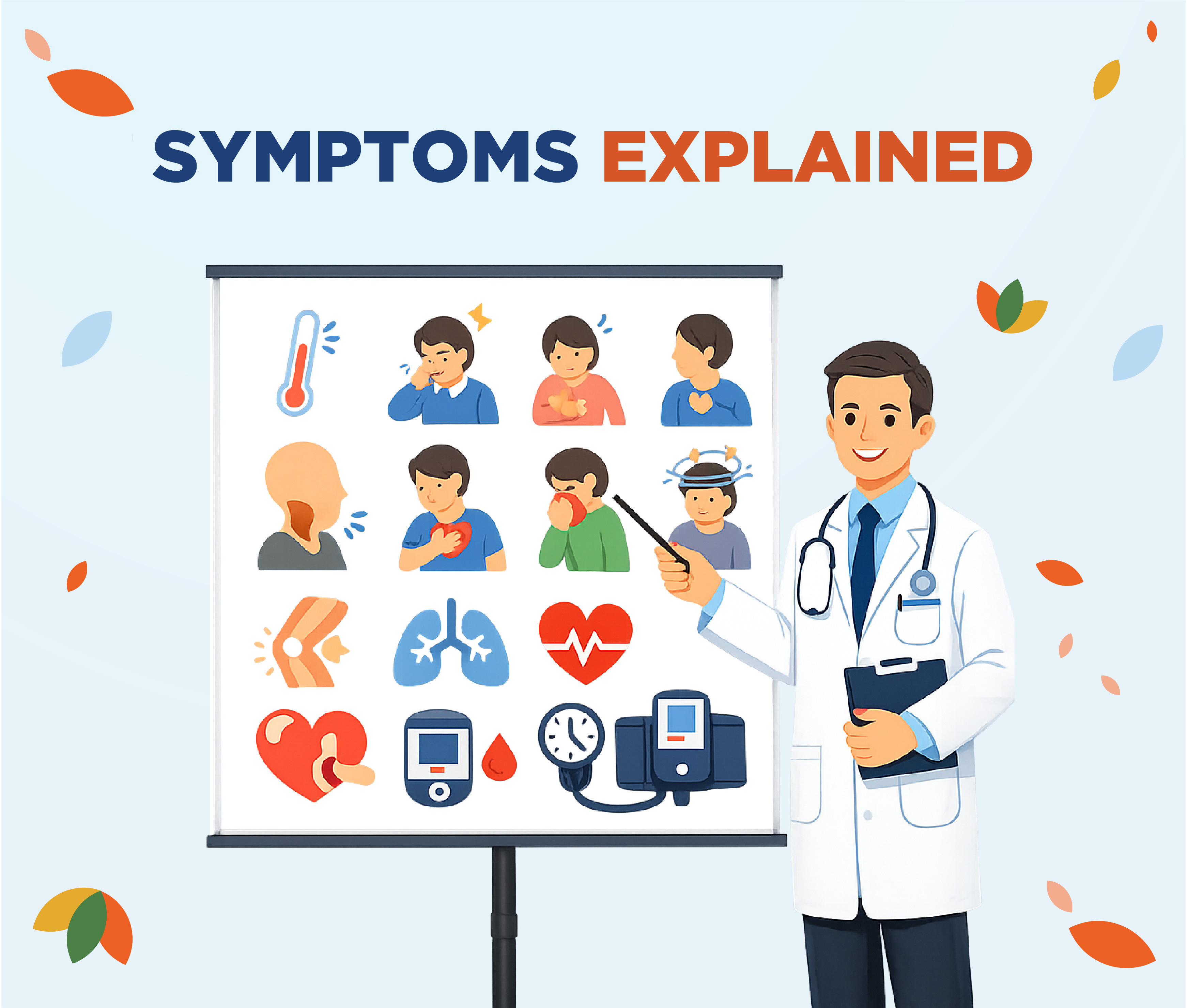
Symptoms of Menopause can significantly impact a woman's quality of life. These Menopause Symptoms, which may include hot flashes, mood swings, and sleep disturbances, often require attention and management for better overall well-being during this transitional phase.
Top 20 Symptoms of Menopause
- Hot flashes and night sweats
- Irritability and mood swings
- Irregular periods
- Vaginal dryness
- Sleep disturbances and insomnia
- Decreased libido
- Weight gain and changes in body composition
- Memory problems and difficulty concentrating
- Fatigue and low energy levels
- Joint pain and stiffness
- Thinning hair or hair loss
- Changes in skin elasticity
- Increased urinary frequency or urgency
- Breast tenderness or changes in breast shape
- Heart palpitations
- Changes in appetite
- Menopause symptoms can also include increased anxiety or depression
- Digestive issues such as bloating
- Changes in sexual function or discomfort during intercourse
- Hot flashes can often trigger sweating
- Heightened sensitivity to stress
What is Menopause?
Menopause is a natural biological process marking the end of a woman's reproductive years, typically occurring between the ages of 45 and 55. It is characterized by the cessation of menstrual cycles due to a decline in hormone production, particularly estrogen and progesterone. This transition can lead to various menopause symptoms, including hot flashes, night sweats, mood swings, and sleep disturbances. While menopause is a normal phase of life, the experience can vary significantly among women, with some experiencing mild symptoms while others may find them more challenging. Understanding menopause and its symptoms can help women navigate this significant life change with greater ease.
How Common is Menopause
- Menopause typically occurs between the ages of 45 and 55, with the average age being around 51.
- About 80% of women will experience menopause by the age of 55.
- Menopause is a natural biological process that signifies the end of a woman's reproductive years.
- Approximately 1.3 million women enter menopause each year in the United States alone.
- Perimenopause, the transition leading up to menopause, can start several years before the last menstrual period.
- Women may experience menopause earlier due to genetics, medical conditions, or surgical removal of the ovaries.
- Some women may experience premature menopause before the age of 40, affecting about 1% of the population.
- Menopause occurs universally among women, regardless of race or ethnicity, although experiences may vary.
- The symptoms of menopause can last anywhere from a few months to several years, with variation among individuals.
- Understanding menopause prevalence can help in managing symptoms and seeking appropriate medical care.
What are the Causes and Risk Factors of Menopause?
| Factor / Cause | Description |
|---|---|
| Age | Menopause typically occurs between the ages of 45 and 55 as a natural part of aging. |
| Genetics | Family history can influence the timing of menopause; if your mother experienced early menopause, you may too. |
| Hormonal Changes | Declining levels of estrogen and progesterone lead to the cessation of menstruation. |
| Medical Conditions | Certain conditions, such as autoimmune disorders and thyroid issues, can affect menopause timing. |
| Surgical Menopause | Removal of the ovaries (oophorectomy) results in immediate menopause regardless of age. |
| Chemotherapy/Radiation | Treatment for cancer can damage ovaries and lead to premature menopause. |
| Smoking | Women who smoke may experience menopause earlier than non-smokers. |
| Body Weight | Obesity and extreme underweight can affect hormonal balance and may influence menopause timing. |
| Chronic Stress | High levels of stress can impact hormonal levels and potentially trigger early menopause. |
| Diet and Nutrition | Poor nutrition and deficiencies in certain vitamins and minerals can affect hormonal health and menopause. |
What are the Signs and Symptoms of Menopause?
Menopause is a natural phase in a woman's life, typically occurring between the ages of 45 and 55, marked by the end of menstrual cycles. Common menopause symptoms include hot flashes, night sweats, and mood swings, which can disrupt daily life. Women may also experience irregular periods, vaginal dryness, and sleep disturbances. Additionally, changes in libido and memory issues may arise. Understanding these signs is crucial for managing this transition effectively. By recognizing menopause symptoms early, women can seek appropriate support and treatments to enhance their quality of life during this significant change.
Early-Stage Symptoms of Menopause
Early-stage symptoms of menopause can vary widely among women and often begin in their late 30s to early 40s. One of the most common menopause symptoms is irregular menstrual cycles, which may involve skipped periods or changes in flow. Additionally, many women experience hot flashes, night sweats, and mood swings due to fluctuating hormone levels. Sleep disturbances and increased fatigue are also prevalent during this transition. Recognizing these early signs is crucial for women to manage their health effectively and seek support when needed, as these changes can significantly impact daily life and emotional well-being.
Advanced Symptoms of Menopause
As women transition through menopause, they may experience advanced symptoms that significantly impact their quality of life. These menopause symptoms can include severe hot flashes, night sweats, mood swings, and cognitive changes such as memory lapses. Additionally, some may face physical alterations, including weight gain and skin changes. Sleep disturbances often accompany these symptoms, leading to increased fatigue and irritability. It is essential for women to recognize these advanced symptoms, as they can vary in intensity and duration, and seek appropriate support and treatment options to manage their health during this transformative phase.
Symptoms of Menopause in Male
Male menopause, often referred to as andropause, can present a variety of symptoms that may affect emotional and physical well-being. Common menopause symptoms in men include fatigue, reduced libido, and mood changes such as irritability or depression. Additionally, some men may experience decreased muscle mass, weight gain, and difficulty concentrating. Unlike female menopause, which is marked by a distinct end to fertility, male menopause occurs gradually and can vary significantly from one individual to another. Recognizing these symptoms is essential for seeking appropriate treatment and support, ensuring a better quality of life during this transitional phase.
Symptoms of Menopause in Female
Menopause is a natural biological process that typically occurs between the ages of 45 and 55, marking the end of a woman's reproductive years. Common menopause symptoms include hot flashes, night sweats, mood swings, and changes in menstrual patterns. Many women also experience sleep disturbances, weight gain, and vaginal dryness during this transition. These symptoms can vary in intensity and duration, affecting daily life and emotional well-being. Understanding menopause symptoms is crucial for women to seek appropriate support and treatment options, helping them navigate this significant life stage with greater ease and comfort.
How is Menopause Diagnosed?
- Review of medical history and symptoms reported by the patient.
- Assessment of menstrual cycle changes and irregularities.
- Physical examination to evaluate overall health and signs of menopause.
- Blood tests to measure hormone levels, particularly estrogen and follicle-stimulating hormone (FSH).
- Thyroid function tests to rule out hormonal imbalances that mimic menopause symptoms.
- Assessment of any other health conditions that could influence symptoms.
- Discussion of family history related to menopause and reproductive health.
- Evaluation of lifestyle factors such as diet, exercise, and stress levels.
- Use of symptom checklists to better understand the patient's experience.
- Potential referral to a specialist, such as an endocrinologist or gynecologist, for further evaluation.
What are the Reversal Strategies for Menopause?
Reversal strategies for menopause focus on alleviating menopause symptoms and improving quality of life. Hormone replacement therapy (HRT) is a common approach, aiming to balance estrogen and progesterone levels, potentially easing hot flashes, mood swings, and sleep disturbances. Lifestyle changes also play a crucial role; regular exercise, a balanced diet rich in phytoestrogens, and stress management techniques can significantly reduce symptoms. Additionally, natural supplements like black cohosh and evening primrose oil are explored for their potential benefits. By combining medical and lifestyle interventions, women can effectively manage menopause symptoms and enhance their overall well-being during this transitional phase.
FAQs on Menopause
What is menopause?
Menopause is a natural biological process marking the end of a woman's menstrual cycles, typically occurring in their late 40s to early 50s. It is diagnosed after 12 consecutive months without a menstrual period and signifies a decrease in hormone production, particularly estrogen.
What are the common symptoms of menopause?
Common symptoms of menopause include hot flashes, night sweats, mood changes, sleep disturbances, and vaginal dryness. These symptoms can vary in intensity and duration and may significantly affect a woman's quality of life.
How long does menopause last?
Menopause is a gradual process that often begins with perimenopause, which can last several years. The average duration of menopause symptoms is around four to five years, but some women may experience them for a shorter or longer period.
Can menopause affect mental health?
Yes, menopause can impact mental health, leading to mood swings, anxiety, or depression due to hormonal changes. It is essential for women experiencing these symptoms to seek support and discuss potential treatments with healthcare providers.
What are the treatment options for menopause symptoms?
Treatment options for menopause symptoms include hormone replacement therapy (HRT), lifestyle changes, and alternative therapies like acupuncture or herbal supplements. It's important to consult a healthcare professional to determine the best approach for individual needs.
Disclaimer: The information provided about Menopause Symptoms is intended for general educational and informational purposes only. It should not be considered medical advice or used as a substitute for consultation with a qualified healthcare professional. Symptoms may differ from person to person and can be linked to a variety of medical conditions. This content is not intended for self-diagnosis or treatment. If you notice ongoing, severe, or unusual symptoms related to Menopause, it is important to seek guidance from a licensed medical professional for proper diagnosis and care.