

Myocardial Infarction Symptoms
Health symptoms can sometimes be easy to ignore, but they may also be a sign that medical attention is needed. Knowing the possible causes, related signs, and when to seek care can help people make better health decisions.
Unexpected medical expenses can arise from consultations, tests, or treatment, making health insurance an important part of financial preparedness. Readers can fill out the form below with their name and phone number to get a health insurance quote.
Personalized Coverage
Cashless Hospitals
Quick and Easy Claims
24/7 Customer Service
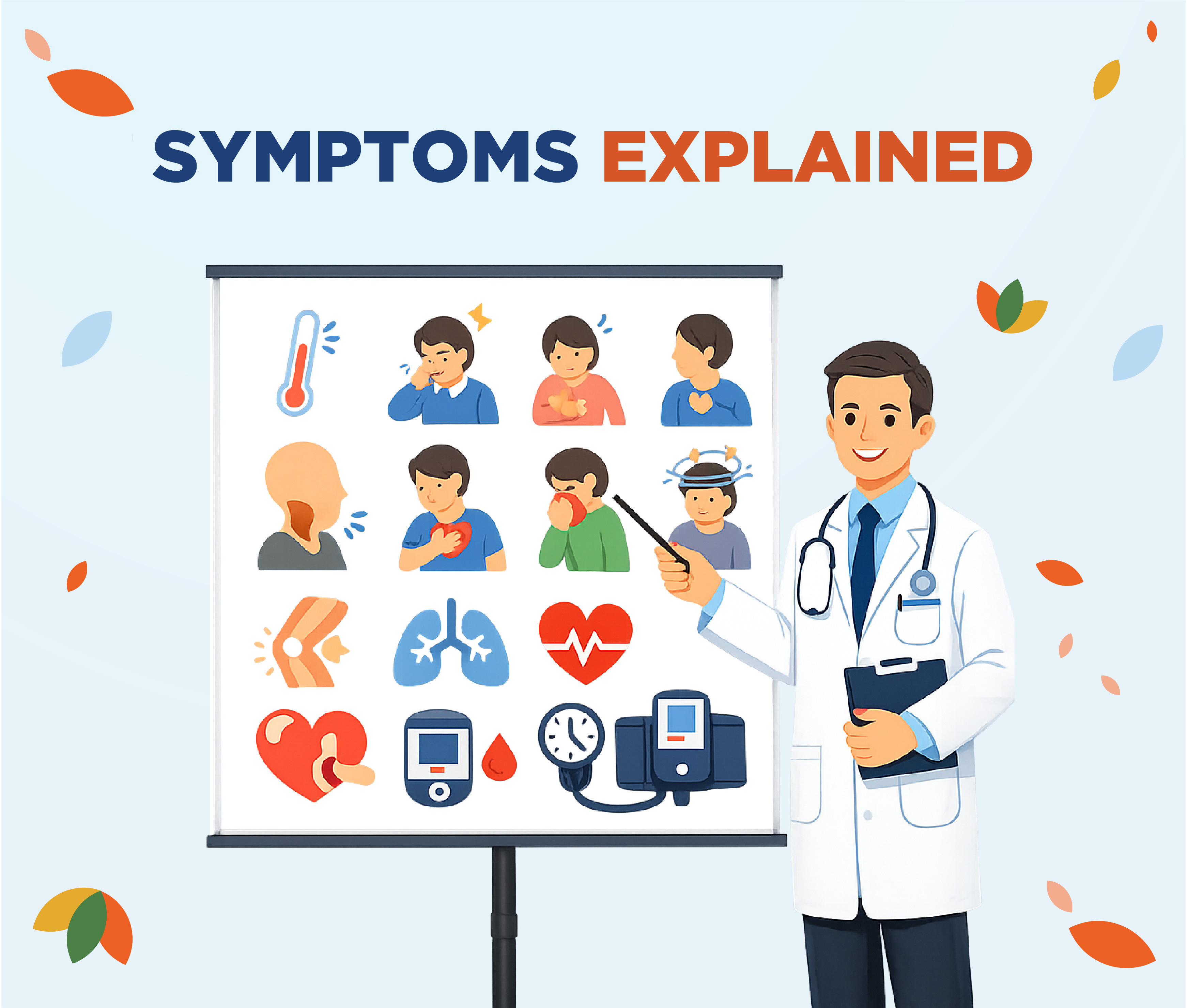
Symptoms of Myocardial Infarction can vary widely, often presenting as chest pain, shortness of breath, or discomfort in other areas of the upper body. Recognizing these Myocardial Infarction symptoms early is crucial for timely medical intervention.
Top 20 Symptoms of Myocardial Infarction
- Chest pain or discomfort, often described as a feeling of pressure or squeezing.
- Pain or discomfort radiating to the arms, back, neck, jaw, or stomach.
- Shortness of breath, which may occur with or without chest discomfort.
- Nausea or vomiting, which can accompany other symptoms.
- Cold sweat or clammy skin, often associated with anxiety.
- Dizziness or lightheadedness, potentially leading to fainting.
- Fatigue, which may be more pronounced in women.
- Heart palpitations or irregular heartbeats, felt as a fluttering sensation.
- Indigestion or heartburn-like sensation, sometimes mistaken for gastrointestinal issues.
- Extreme anxiety or a sense of impending doom, frequently reported by patients.
- Weakness or fatigue, particularly if unusual or prolonged.
- Jaw pain that can feel like a toothache, especially in women.
- Sudden, unexplained sweating, particularly if it occurs with other symptoms.
- Persistent cough or wheezing that may indicate fluid in the lungs.
- Myocardial Infarction Symptoms can vary greatly among individuals.
- Chest tightness that may build gradually or come on suddenly.
- Lower back pain, which can sometimes be mistaken for a back issue.
- Feeling of fullness, heaviness, or pressure in the chest.
- Visual disturbances or confusion, which may indicate reduced blood flow to the brain.
- Unusual abdominal pain or discomfort that may mimic gastrointestinal distress.
- Increased anxiety or restlessness, often in reaction to physical symptoms.
What is Myocardial Infarction?
Myocardial Infarction, commonly known as a heart attack, occurs when blood flow to a part of the heart is blocked, leading to damage or death of heart muscle tissue. This blockage is often caused by the buildup of plaque in the coronary arteries. Individuals experiencing a myocardial infarction may present various symptoms, including chest pain, shortness of breath, nausea, and lightheadedness. Recognizing these myocardial infarction symptoms is crucial for prompt medical intervention, which can significantly improve outcomes and reduce heart damage. Timely treatment can help restore blood flow and prevent further complications associated with heart attacks.
How Common is Myocardial Infarction
- Myocardial infarction, commonly known as a heart attack, affects millions of people worldwide each year.
- In the United States, approximately 805,000 individuals experience a heart attack annually.
- Heart attacks are a leading cause of death, accounting for about 1 in every 5 deaths related to cardiovascular disease.
- The prevalence of myocardial infarction increases with age, particularly in individuals over 45 years old.
- Risk factors such as smoking, high blood pressure, and diabetes significantly elevate the likelihood of experiencing a heart attack.
- Men are generally at a higher risk of myocardial infarction compared to women, especially before menopause.
- Globally, the incidence of heart attacks varies by region, influenced by lifestyle, diet, and healthcare access.
- Studies indicate that the rate of heart attacks has been declining in many developed countries due to improved healthcare and awareness.
- In developing nations, the rates of myocardial infarction are on the rise, driven by urbanization and lifestyle changes.
- Early recognition and treatment of myocardial infarction are crucial for reducing mortality and improving outcomes.
What are the Causes and Risk Factors of Myocardial Infarction?
| Factor / Cause | Description |
|---|---|
| Coronary Artery Disease | The most common cause of myocardial infarction, resulting from the buildup of plaque in the coronary arteries. |
| High Blood Pressure | Increases the workload on the heart, leading to damage of the arteries over time. |
| High Cholesterol Levels | Elevated levels of LDL cholesterol can lead to plaque formation in the arteries, increasing the risk of blockage. |
| Smoking | Contributes to the narrowing of arteries and decreases oxygen supply to the heart. |
| Diabetes | Can damage blood vessels and nerves that control the heart, significantly increasing the risk of heart disease. |
| Obesity | Excess body weight can lead to conditions such as high blood pressure and diabetes, increasing heart disease risk. |
| Physical Inactivity | Lack of exercise is associated with higher risk factors like obesity, high blood pressure, and high cholesterol. |
| Age | Risk increases with age, particularly for men over 45 and women over 55. |
| Family History | A family history of heart disease can increase an individual's risk of myocardial infarction. |
| Stress | Chronic stress may lead to increased blood pressure and heart rate, contributing to heart disease. |
What are the Signs and Symptoms of Myocardial Infarction?
Myocardial infarction, commonly known as a heart attack, presents several critical signs and symptoms that warrant immediate attention. The most prevalent symptom is chest pain or discomfort, often described as a feeling of pressure, squeezing, or fullness. This may radiate to the arms, back, neck, jaw, or stomach. Other myocardial infarction symptoms can include shortness of breath, cold sweats, nausea, and lightheadedness. It's important to recognize these warning signs early, as timely medical intervention can significantly improve outcomes and reduce the risk of severe complications. If you or someone else experiences these symptoms, seek emergency medical help immediately.
Early-Stage Symptoms of Myocardial Infarction
Early-stage symptoms of myocardial infarction can often be subtle and easily overlooked. Common indicators include chest discomfort that may feel like pressure, squeezing, or fullness, often accompanied by pain radiating to the arms, neck, jaw, or back. Individuals may also experience shortness of breath, sweating, nausea, or lightheadedness. These myocardial infarction symptoms can vary significantly between individuals, with some experiencing atypical signs, especially women. Recognizing these early warning signs is crucial, as prompt medical attention can significantly improve outcomes and reduce the risk of severe heart damage.
Advanced Symptoms of Myocardial Infarction
Advanced symptoms of myocardial infarction can manifest in various ways, often indicating a critical state that requires immediate medical attention. Beyond the classic chest pain, patients may experience severe shortness of breath, radiating pain in the arms, neck, or jaw, and excessive sweating. Other myocardial infarction symptoms include nausea, lightheadedness, and an overwhelming sense of anxiety or impending doom. These advanced signs may not always present in a clear manner, especially in women and older adults, making awareness crucial for timely intervention. Recognizing these symptoms can be lifesaving, emphasizing the importance of urgent care in suspected cases.
Symptoms of Myocardial Infarction in Male
Myocardial Infarction Symptoms in males can often present differently than in females, making awareness crucial. Common signs include chest pain or discomfort, often described as a feeling of pressure or squeezing. Men may also experience pain radiating to the arms, back, neck, or jaw. Other symptoms can include shortness of breath, nausea, or cold sweats. It's important for men to recognize these symptoms early, as prompt medical attention can significantly improve outcomes. In some cases, symptoms may be subtle or atypical, emphasizing the need for vigilance regarding heart health and regular check-ups.
Symptoms of Myocardial Infarction in Female
Myocardial Infarction Symptoms in females can often differ from those experienced by males, leading to potential misdiagnosis. Common signs include chest pain or discomfort, but women may also experience atypical symptoms such as shortness of breath, fatigue, nausea, and lightheadedness. Some might report pain in the jaw, neck, or back, which can be easily overlooked. It is crucial for women to recognize these symptoms early, as they may not fit the traditional stereotype of a heart attack. Awareness of these variations can significantly improve outcomes and prompt timely medical intervention.
How is Myocardial Infarction Diagnosed?
- Patient history assessment to identify risk factors and symptoms.
- Physical examination to check for signs such as heart murmurs or abnormal lung sounds.
- Electrocardiogram (ECG) to detect irregular heart rhythms and signs of heart damage.
- Blood tests to measure cardiac biomarkers like troponin levels.
- Echocardiogram to visualize heart function and assess damage to heart muscle.
- Coronary angiography to identify blockages in coronary arteries.
- Chest X-ray to evaluate heart size and check for fluid in the lungs.
- Stress testing to assess heart function under physical exertion.
- CT scans or MRI for detailed imaging of the heart and blood vessels.
- Monitoring of vital signs and symptoms in a hospital setting for timely intervention.
What are the Reversal Strategies for Myocardial Infarction?
Reversal strategies for myocardial infarction focus on restoring blood flow and minimizing heart damage. Early recognition of myocardial infarction symptoms, such as chest pain, shortness of breath, and sweating, is crucial for timely intervention. Treatments like thrombolysis and percutaneous coronary intervention (PCI) aim to dissolve clots and reopen blocked arteries. Additionally, lifestyle modifications, including a heart-healthy diet and regular exercise, play a vital role in long-term recovery and prevention of future events. Medications like antiplatelets and statins are also essential in managing risk factors and promoting heart health post-infarction.
FAQs on Myocardial Infarction
What is a myocardial infarction?
A myocardial infarction, commonly known as a heart attack, occurs when blood flow to a part of the heart is blocked, typically by a blood clot. This can damage or destroy heart muscle, leading to serious health complications.
What are the common symptoms of a myocardial infarction?
Common symptoms include chest pain or discomfort, shortness of breath, nausea, lightheadedness, and pain in the arms, back, neck, or jaw. Symptoms may vary, especially in women, who may experience less typical signs.
What are the risk factors for a myocardial infarction?
Risk factors include high blood pressure, high cholesterol, smoking, diabetes, obesity, lack of physical activity, and a family history of heart disease. Lifestyle changes can help mitigate these risks.
How is a myocardial infarction diagnosed?
Diagnosis typically involves a combination of medical history, physical examination, electrocardiograms (ECGs), blood tests to check for heart enzymes, and imaging tests like echocardiograms or angiograms.
What treatments are available for myocardial infarction?
Treatments may include medications such as antiplatelets and thrombolytics, lifestyle changes, and procedures like angioplasty or coronary artery bypass grafting (CABG) to restore blood flow to the heart.
Disclaimer: The information provided about Myocardial Infarction Symptoms is intended for general educational and informational purposes only. It should not be considered medical advice or used as a substitute for consultation with a qualified healthcare professional. Symptoms may differ from person to person and can be linked to a variety of medical conditions. This content is not intended for self-diagnosis or treatment. If you notice ongoing, severe, or unusual symptoms related to Myocardial Infarction, it is important to seek guidance from a licensed medical professional for proper diagnosis and care.