

Nipah Virus Symptoms
Health symptoms can sometimes be easy to ignore, but they may also be a sign that medical attention is needed. Knowing the possible causes, related signs, and when to seek care can help people make better health decisions.
Unexpected medical expenses can arise from consultations, tests, or treatment, making health insurance an important part of financial preparedness. Readers can fill out the form below with their name and phone number to get a health insurance quote.
Personalized Coverage
Cashless Hospitals
Quick and Easy Claims
24/7 Customer Service
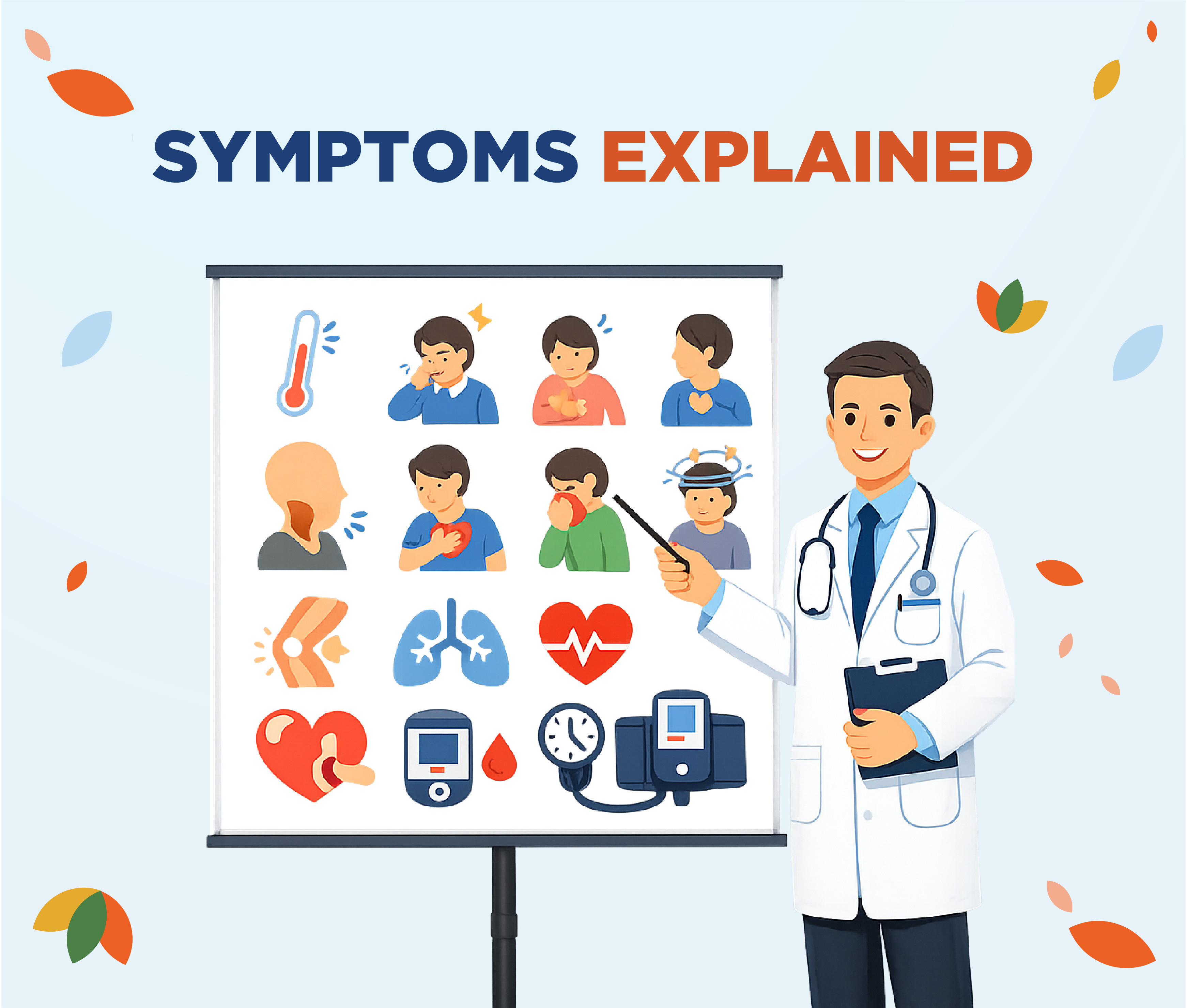
Symptoms of Nipah Virus can vary from mild to severe, often resembling those of other viral infections. Understanding Nipah Virus symptoms is crucial for early diagnosis and effective management of this potentially dangerous disease.
Top 20 Symptoms of Nipah Virus
- Fever and chills
- Severe headache
- Muscle pain
- Dizziness and confusion
- Nausea and vomiting
- Respiratory distress
- Fever followed by a sudden onset of neurological symptoms
- Seizures
- Coma
- Altered mental status
- Fatigue and lethargy
- Loss of appetite
- Diarrhea
- Chest pain
- Neurological complications
- Symptoms of Nipah Virus can progress rapidly
- Increased sensitivity to light
- Rash and skin lesions
- Swelling in the brain (encephalitis)
- Dehydration due to vomiting and diarrhea
- Difficulty breathing
What is Nipah Virus?
Nipah Virus is a zoonotic virus, primarily transmitted from animals to humans, particularly through fruit bats and pigs. First identified in Malaysia in 1998, it has since caused outbreaks in various countries, leading to serious health concerns. The virus can result in severe respiratory illness and neurological symptoms, making it a significant public health threat. Nipah Virus symptoms may include fever, headache, dizziness, and in severe cases, encephalitis, which can lead to confusion and seizures. Due to its high mortality rate, understanding the transmission and symptoms of Nipah Virus is crucial for effective prevention and control measures.
How Common is Nipah Virus
- The Nipah virus is considered a rare but emerging infectious disease.
- First identified in 1998 during an outbreak in Malaysia and Singapore.
- Subsequent outbreaks have primarily occurred in South Asia, particularly Bangladesh and India.
- The World Health Organization lists Nipah virus as a priority disease due to its potential to cause outbreaks.
- Human-to-human transmission is documented but is less common compared to animal-to-human transmission.
- Infected fruit bats are the natural carriers of the virus, which can spill over to humans.
- Since 1998, there have been sporadic outbreaks reported, but they are not widespread.
- The case fatality rate for Nipah virus infection can be as high as 75% in some outbreaks.
- Public health measures are critical in preventing the spread of the virus during outbreaks.
- Overall, while Nipah virus is not common globally, it poses a significant risk in areas where outbreaks have occurred.
What are the Causes and Risk Factors of Nipah Virus?
| Factor / Cause | Description |
|---|---|
| Bats | Bats, particularly fruit bats, are the primary natural reservoir of Nipah virus. |
| Human-to-Human Transmission | Nipah virus can spread from person to person, especially among caregivers and family members. |
| Contaminated Food | Consumption of food contaminated with bat saliva or urine can lead to infection. |
| Pigs | Pigs can act as intermediaries, contracting the virus from bats and transmitting it to humans. |
| Close Contact | Close contact with infected individuals increases the risk of transmission. |
| Environmental Factors | Deforestation and habitat destruction increase human exposure to bats and the virus. |
| Travel to Endemic Areas | Traveling to regions where Nipah virus outbreaks occur raises the likelihood of infection. |
| Weakened Immune System | Individuals with compromised immune systems may be more susceptible to severe infections. |
| Lack of Awareness | Limited knowledge about the virus and its transmission routes can lead to increased risk. |
| Inadequate Healthcare | Limited access to healthcare resources can hinder early detection and treatment of infections. |
What are the Signs and Symptoms of Nipah Virus?
Nipah virus is a zoonotic pathogen that can lead to severe respiratory illness and encephalitis in humans. The initial signs and symptoms of Nipah virus infection typically appear 5 to 14 days after exposure and may include fever, headache, dizziness, and muscle pain. As the disease progresses, patients may experience respiratory distress, confusion, and seizures. In some cases, acute encephalitis can develop, leading to coma and even death. Understanding Nipah virus symptoms is crucial for early diagnosis and treatment, especially in regions where outbreaks occur, as timely medical intervention can significantly improve outcomes.
Early-Stage Symptoms of Nipah Virus
The early-stage symptoms of Nipah virus can be quite nonspecific, often resembling those of other viral infections. Individuals may initially experience fever, headache, and muscle pain, followed by symptoms such as sore throat, cough, and fatigue. As the infection progresses, some patients may also develop neurological symptoms, including confusion or seizures. It is crucial to recognize these Nipah virus symptoms early, as the disease can escalate rapidly and lead to severe complications, including encephalitis. Prompt medical attention is essential for anyone exhibiting these signs, particularly if they have had exposure to infected bats or pigs.
Advanced Symptoms of Nipah Virus
The advanced symptoms of Nipah virus can manifest several days after initial infection, escalating the severity of the illness. Patients may experience encephalitis, characterized by confusion, altered consciousness, and seizures. Other Nipah virus symptoms include respiratory distress, fever, and headache, which can quickly progress to severe neurological complications. In some cases, patients may also exhibit signs of atypical pneumonia or experience gastrointestinal symptoms such as vomiting. Due to the high mortality rate associated with advanced stages of the disease, early recognition and intervention are crucial in managing Nipah virus infections effectively.
Symptoms of Nipah Virus in Male
Nipah Virus Symptoms in males can vary significantly and often manifest within 5 to 14 days after exposure. Initial signs may include fever, headache, and muscle pain, resembling common viral infections. As the illness progresses, individuals may experience respiratory symptoms such as cough and difficulty breathing. In severe cases, neurological symptoms like confusion, seizures, or even encephalitis can occur, leading to a critical condition. Males, like others affected, should seek immediate medical attention if they experience these symptoms, as early diagnosis and supportive care are crucial for improving outcomes in Nipah virus infections.
Symptoms of Nipah Virus in Female
The Nipah Virus, a zoonotic pathogen, can cause severe illness in humans, including females. Nipah Virus symptoms typically begin with fever, headache, and muscle pain, which can progress to respiratory distress and neurological complications. Women may experience additional symptoms such as confusion, drowsiness, and seizures, reflecting the virus's impact on the central nervous system. In some cases, the illness can lead to encephalitis, characterized by swelling of the brain. Early identification of Nipah Virus symptoms is crucial for timely medical intervention, as the disease can have a high mortality rate if not managed effectively.
How is Nipah Virus Diagnosed?
- Clinical evaluation of symptoms such as fever, headache, and respiratory distress.
- Patient history assessment, including potential exposure to infected animals or individuals.
- Serological tests to detect antibodies against Nipah virus in the blood.
- Polymerase chain reaction (PCR) testing to identify the viral RNA in clinical samples.
- Cerebrospinal fluid analysis if neurological symptoms are present.
- Imaging studies, such as CT or MRI scans, to assess brain involvement.
- Isolation of the virus from biological samples in a laboratory setting.
- Histopathological examination of tissue samples for signs of infection.
- Monitoring of outbreaks in regions where Nipah virus is endemic for rapid diagnosis.
- Use of rapid diagnostic tests to provide timely results in outbreak situations.
What are the Reversal Strategies for Nipah Virus?
Reversal strategies for Nipah virus focus on early detection and effective management of Nipah virus symptoms, which can include fever, headache, and respiratory distress. To mitigate outbreaks, public health initiatives emphasize surveillance and rapid response to suspected cases. Vaccination research is ongoing, with several candidates showing promise in animal models. Additionally, educating communities about transmission risks and symptom recognition is crucial for prompt medical intervention. Collaborative efforts between governments and health organizations aim to establish guidelines for outbreak control, ensuring that medical professionals are equipped to handle cases effectively and minimize the impact of this deadly virus.
FAQs on Nipah Virus
What is Nipah Virus?
Nipah Virus is a zoonotic virus that can cause severe respiratory illness and encephalitis in humans. It was first identified in 1998 in Malaysia and is transmitted from animals, particularly bats, to humans through direct contact or contaminated food.
What are the symptoms of Nipah Virus infection?
Symptoms of Nipah Virus infection can range from mild flu-like signs, such as fever and headache, to severe neurological issues, including confusion and seizures. In severe cases, it can lead to encephalitis and even death.
How is Nipah Virus transmitted?
Nipah Virus is primarily transmitted from bats to humans, often through direct contact with infected bats or their secretions. It can also spread through consumption of contaminated food or contact with infected individuals.
Is there a vaccine for Nipah Virus?
Currently, there is no specific vaccine for Nipah Virus available for humans. Research is ongoing to develop vaccines and treatments, but prevention primarily relies on avoiding contact with infected animals and practicing good hygiene.
What should I do if I suspect Nipah Virus infection?
If you suspect Nipah Virus infection, seek immediate medical attention. Early diagnosis and supportive care are crucial. Inform healthcare providers about any potential exposure to bats or infected individuals to facilitate proper treatment.
Disclaimer: The information provided about Nipah Virus Symptoms is intended for general educational and informational purposes only. It should not be considered medical advice or used as a substitute for consultation with a qualified healthcare professional. Symptoms may differ from person to person and can be linked to a variety of medical conditions. This content is not intended for self-diagnosis or treatment. If you notice ongoing, severe, or unusual symptoms related to Nipah Virus, it is important to seek guidance from a licensed medical professional for proper diagnosis and care.