

Obesity Symptoms
Health symptoms can sometimes be easy to ignore, but they may also be a sign that medical attention is needed. Knowing the possible causes, related signs, and when to seek care can help people make better health decisions.
Unexpected medical expenses can arise from consultations, tests, or treatment, making health insurance an important part of financial preparedness. Readers can fill out the form below with their name and phone number to get a health insurance quote.
Personalized Coverage
Cashless Hospitals
Quick and Easy Claims
24/7 Customer Service
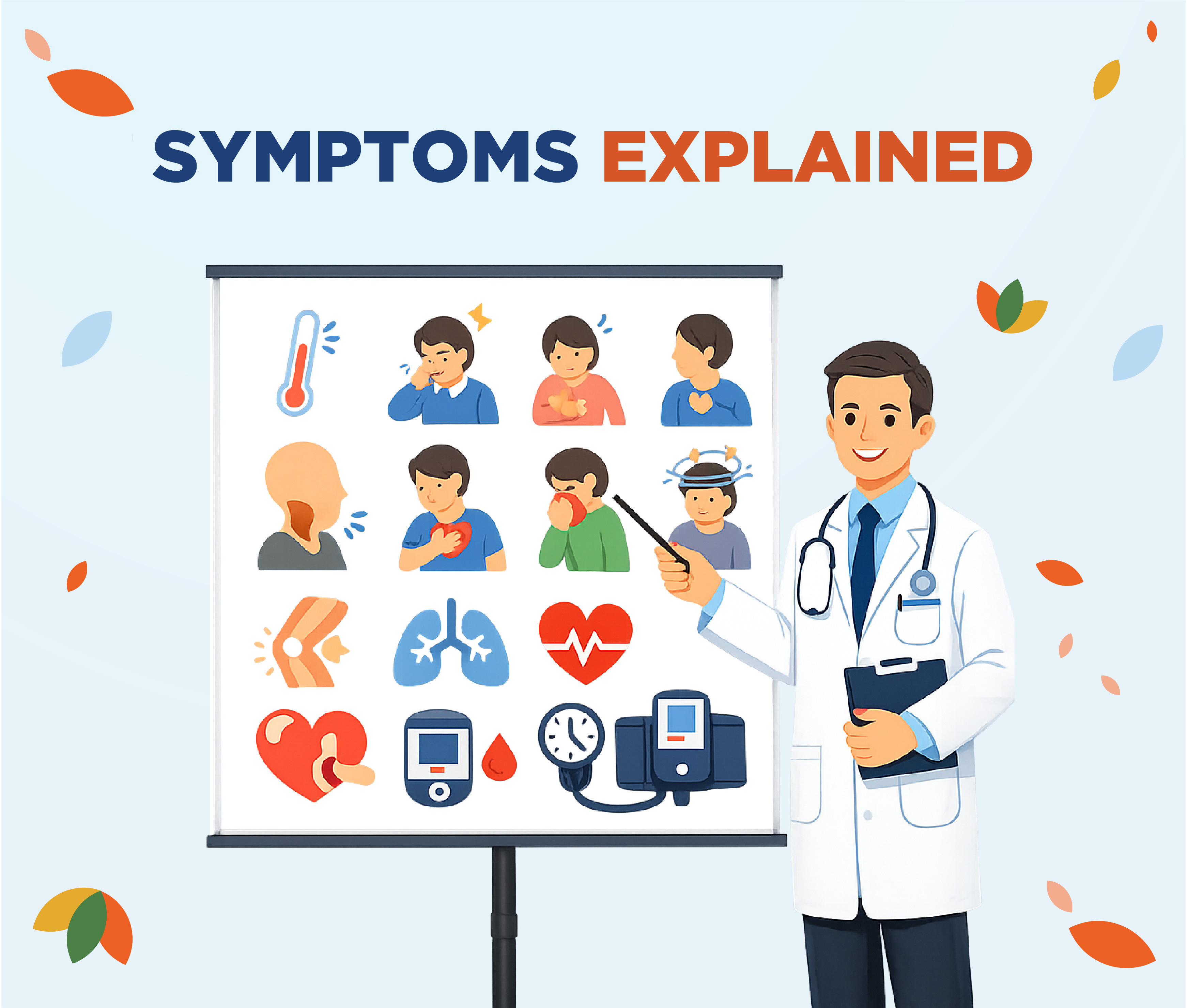
Symptoms of Obesity can manifest in various physical and emotional forms, significantly impacting an individual's quality of life. Recognizing obesity symptoms early is crucial for effective management and prevention of related health complications.
Top 20 Symptoms of Obesity
- Excess body fat accumulation
- Increased body mass index (BMI)
- Shortness of breath during physical activities
- Fatigue and low energy levels
- Joint pain, especially in the knees and hips
- Difficulty sleeping or sleep apnea
- High blood pressure
- Elevated cholesterol levels
- Insulin resistance or type 2 diabetes
- Skin issues, such as stretch marks or rashes
- Frequent headaches
- Increased sweating
- Low self-esteem or depression
- Obesity symptoms can include hormonal imbalances
- Gastroesophageal reflux disease (GERD)
- Menstrual irregularities in women
- Increased risk of heart disease
- Difficulty in mobility or performing daily tasks
- Social isolation or withdrawal
- Digestive issues, such as constipation
- Higher likelihood of developing certain cancers
What is Obesity?
Obesity is a complex health condition characterized by an excessive accumulation of body fat, which can lead to various health issues. It is typically measured using the Body Mass Index (BMI), with a BMI of 30 or higher indicating obesity. This condition is not just a cosmetic concern; it can significantly increase the risk of chronic diseases, such as diabetes, heart disease, and certain cancers. Common obesity symptoms include difficulty in physical activities, fatigue, and joint pain, which can further impact a person's quality of life. Understanding obesity and its symptoms is crucial for effective prevention and management strategies.
How Common is Obesity
- Obesity rates have increased significantly over the past few decades, affecting millions globally.
- According to the World Health Organization, approximately 1.9 billion adults were classified as overweight in 2021.
- Out of these, over 650 million adults were considered obese.
- In the United States, the prevalence of obesity was around 42.4% in 2017-2018.
- Obesity is not limited to adults; it also affects children, with an estimated 39 million children under the age of 5 being overweight or obese.
- The prevalence of obesity varies by region, with higher rates often found in developed countries.
- Socioeconomic factors play a significant role in obesity rates, with lower-income groups often experiencing higher prevalence.
- Age, gender, and ethnicity also influence obesity rates, with certain demographics being more at risk.
- Obesity-related health issues, such as diabetes and cardiovascular diseases, are on the rise as obesity becomes more common.
- Efforts to combat obesity are ongoing, with public health campaigns focusing on nutrition and physical activity.
What are the Causes and Risk Factors of Obesity?
| Factor / Cause | Description |
|---|---|
| Genetics | Inherited traits that can affect metabolism, fat storage, and body weight regulation. |
| Diet | High-calorie diets rich in sugars and fats contribute to weight gain. |
| Physical Inactivity | Lack of regular exercise leads to an imbalance between calories consumed and calories burned. |
| Environment | Access to unhealthy food options and limited opportunities for physical activity in one's surroundings. |
| Psychological Factors | Emotional stress, depression, and anxiety can lead to overeating as a coping mechanism. |
| Medications | Certain medications can lead to weight gain as a side effect, influencing appetite and metabolism. |
| Sleep Patterns | Poor sleep quality and duration can disrupt hormones that regulate appetite, leading to weight gain. |
| Age | As people age, metabolism slows down, and muscle mass tends to decrease, making it easier to gain weight. |
| Stress | Chronic stress can trigger hormonal changes that lead to increased appetite and cravings for unhealthy foods. |
| Socioeconomic Status | Lower income and education levels can limit access to healthy food options and recreational activities. |
What are the Signs and Symptoms of Obesity?
Obesity is a complex condition characterized by excessive body fat, and it presents various signs and symptoms that can impact overall health. Common obesity symptoms include difficulty in physical activities, fatigue, and shortness of breath during exertion. Individuals may also experience joint pain, particularly in the knees and hips, due to the added weight. Psychological effects, such as low self-esteem and depression, are also prevalent. Additionally, obesity can lead to serious health complications, including diabetes, heart disease, and sleep apnea. Recognizing these signs early is crucial for effective management and intervention.
Early-Stage Symptoms of Obesity
Early-stage symptoms of obesity can manifest in various ways, often unnoticed until they become more pronounced. Common obesity symptoms include fatigue, difficulty in physical activities, and increased appetite. Individuals may also experience changes in mood, such as feelings of sadness or irritability. As body weight increases, even simple tasks can become challenging, leading to a more sedentary lifestyle. Additionally, sleep disturbances, such as sleep apnea, may begin to surface. Recognizing these early signs is crucial for timely intervention and adopting healthier habits to prevent further weight gain and associated health complications.
Advanced Symptoms of Obesity
Advanced symptoms of obesity can significantly impact an individual's quality of life and overall health. As obesity progresses, it may lead to serious complications such as sleep apnea, joint pain, and cardiovascular diseases. Additionally, obesity symptoms often include metabolic syndrome, which encompasses a cluster of conditions like high blood pressure, elevated blood sugar, and abnormal cholesterol levels. Psychological effects, such as depression and anxiety, may also arise due to social stigma and isolation. Recognizing these advanced symptoms is crucial for timely intervention and effective management strategies to improve health outcomes and enhance well-being.
Symptoms of Obesity in Male
Obesity symptoms in males can manifest in various physical and psychological ways. Common physical symptoms include increased body mass, particularly around the abdomen, leading to an elevated risk of chronic conditions such as diabetes and heart disease. Men may also experience joint pain due to excess weight, sleep apnea, and decreased libido. Psychologically, obesity can lead to low self-esteem, anxiety, and depression. Recognizing these obesity symptoms is crucial for early intervention and management, allowing individuals to make lifestyle changes that can improve their overall health and well-being.
Symptoms of Obesity in Female
Obesity in females can manifest through a variety of symptoms that significantly impact both physical and emotional health. Common obesity symptoms include excessive body weight, difficulty in physical activities, and joint pain. Additionally, hormonal imbalances may lead to irregular menstrual cycles and increased fatigue. Women may also experience emotional challenges such as depression and anxiety linked to societal pressures and self-image issues. It's crucial for females experiencing these symptoms to seek medical advice, as obesity can lead to more severe health complications, including diabetes and heart disease, if not addressed appropriately.
How is Obesity Diagnosed?
- Assessment of Body Mass Index (BMI) using height and weight measurements.
- Waist circumference measurement to evaluate abdominal fat distribution.
- Medical history review to identify potential causes and risk factors.
- Physical examination to check for obesity-related health issues.
- Evaluation of dietary habits and physical activity levels.
- Blood tests to assess for conditions related to obesity, such as diabetes and cholesterol levels.
- Use of growth charts for children and adolescents to assess obesity in younger populations.
- Assessment of body fat percentage through methods like bioelectrical impedance or skinfold measurements.
- Consideration of family history of obesity and related health conditions.
- Psychosocial evaluation to understand emotional and behavioral aspects of eating habits.
What are the Reversal Strategies for Obesity?
Reversal strategies of obesity focus on comprehensive lifestyle changes aimed at reducing weight and alleviating obesity symptoms. These strategies often include a combination of dietary modifications, increased physical activity, and behavioral therapy. By adopting a balanced diet rich in whole foods and reducing processed food intake, individuals can manage their caloric intake more effectively. Regular exercise not only aids in weight loss but also improves overall health and mood. Additionally, support groups and counseling can address the psychological aspects of obesity, helping individuals develop a healthier relationship with food and their bodies. Together, these approaches foster sustainable weight loss and improved well-being.
FAQs on Obesity
What is obesity?
Obesity is a medical condition characterized by excessive body fat that increases the risk of health problems. It is typically measured using the Body Mass Index (BMI), where a BMI of 30 or higher is considered obese.
What are the common causes of obesity?
Common causes of obesity include a combination of genetic, environmental, and behavioral factors. Poor diet, lack of physical activity, and psychological factors can contribute, along with certain medical conditions and medications.
What are the health risks associated with obesity?
Obesity can lead to numerous health risks, including type 2 diabetes, heart disease, high blood pressure, and certain cancers. It can also affect mobility, mental health, and overall quality of life.
How can obesity be prevented?
Preventing obesity involves maintaining a balanced diet, engaging in regular physical activity, and adopting healthy lifestyle habits. Education on nutrition and promoting active living can significantly reduce the risk of developing obesity.
What treatments are available for obesity?
Treatments for obesity may include lifestyle changes, such as diet and exercise, behavioral therapy, medications, and in some cases, weight-loss surgery. Consulting a healthcare professional is essential for personalized treatment plans.
Disclaimer: The information provided about Obesity Symptoms is intended for general educational and informational purposes only. It should not be considered medical advice or used as a substitute for consultation with a qualified healthcare professional. Symptoms may differ from person to person and can be linked to a variety of medical conditions. This content is not intended for self-diagnosis or treatment. If you notice ongoing, severe, or unusual symptoms related to Obesity, it is important to seek guidance from a licensed medical professional for proper diagnosis and care.