

Organ Failure Symptoms
Health symptoms can sometimes be easy to ignore, but they may also be a sign that medical attention is needed. Knowing the possible causes, related signs, and when to seek care can help people make better health decisions.
Unexpected medical expenses can arise from consultations, tests, or treatment, making health insurance an important part of financial preparedness. Readers can fill out the form below with their name and phone number to get a health insurance quote.
Personalized Coverage
Cashless Hospitals
Quick and Easy Claims
24/7 Customer Service
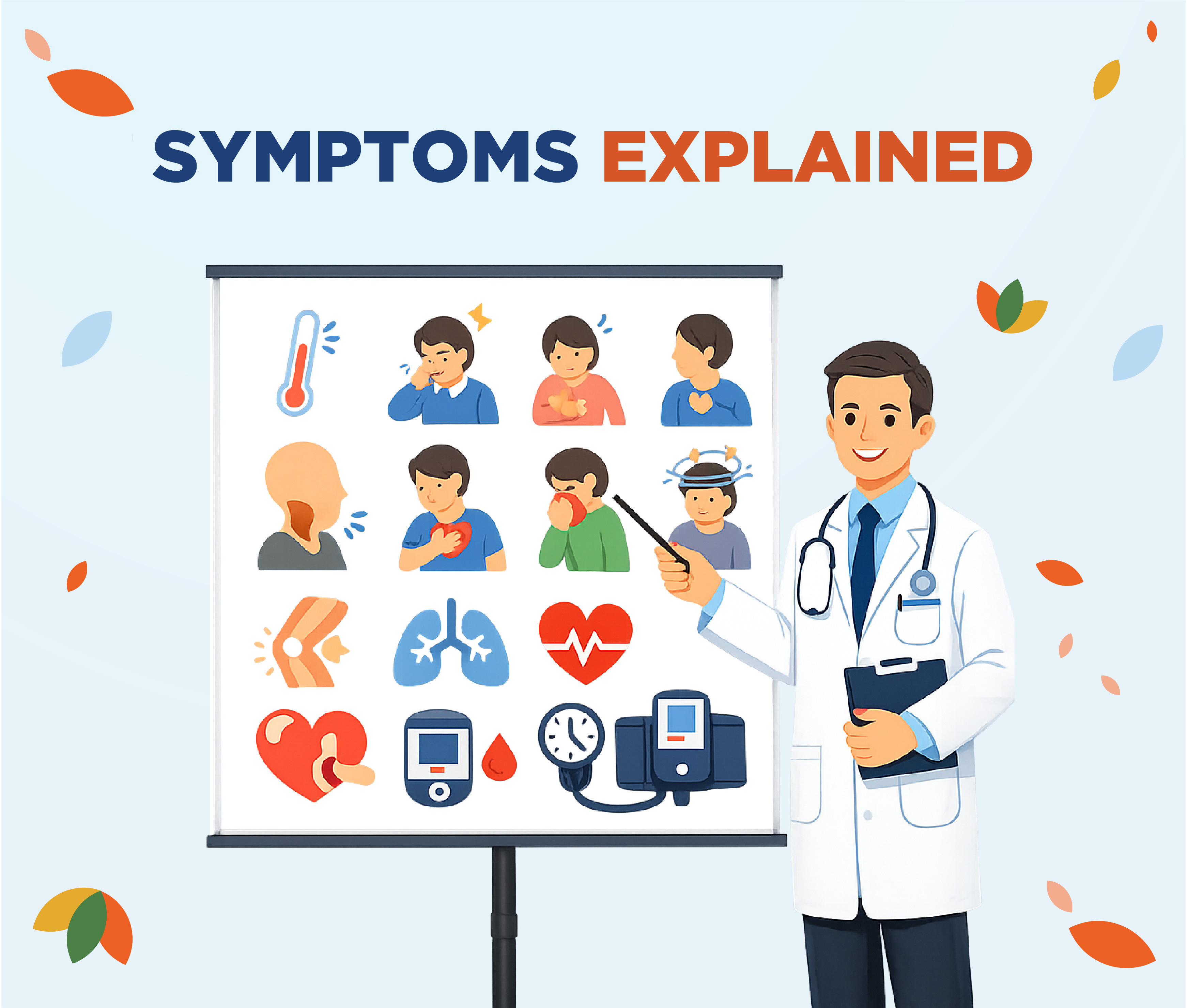
Symptoms of Organ Failure can vary significantly depending on the affected organ. Recognizing these organ failure symptoms early is crucial for timely medical intervention and improving outcomes for individuals experiencing severe health issues.
Top 20 Symptoms of Organ Failure
- Fatigue and weakness
- Shortness of breath
- Swelling in the legs, ankles, or feet
- Chest pain or pressure
- Nausea and vomiting
- Confusion or altered mental state
- Decreased urine output
- Jaundice (yellowing of the skin and eyes)
- Rapid heartbeat or palpitations
- Persistent cough, possibly with blood
- Loss of appetite or unexplained weight loss
- High blood pressure or hypertension
- Dry mouth and increased thirst
- Difficulty sleeping or insomnia
- Itching or skin rashes
- Organ Failure Symptoms may include abdominal pain
- Cold or clammy skin
- Increased sensitivity to temperature changes
- Muscle cramps or spasms
- Frequent infections or delayed healing
What is Organ Failure?
Organ failure occurs when one or more organs in the body stop functioning properly, leading to a decline in overall health. This condition can arise from various causes, including chronic diseases, infections, or trauma. When organs fail, the body struggles to maintain homeostasis, which can result in severe complications. Common organ failure symptoms include fatigue, shortness of breath, and swelling in the limbs, depending on which organ is affected. Early detection and prompt medical intervention are crucial to managing organ failure and improving the chances of recovery, highlighting the importance of regular health check-ups and awareness of warning signs.
How Common is Organ Failure
- Organ failure is a significant health concern affecting millions of individuals globally.
- Approximately 5% of patients hospitalized for critical illnesses experience some form of organ failure.
- Acute kidney injury is one of the most common types of organ failure, affecting up to 20% of hospitalized patients.
- Heart failure affects nearly 6.2 million adults in the United States alone, indicating its prevalence.
- Liver failure can occur in about 1 in 10,000 hospital admissions, highlighting its relative rarity compared to other organ failures.
- Chronic respiratory failure impacts around 15 million Americans, often linked with chronic obstructive pulmonary disease (COPD).
- Sepsis is a leading cause of multi-organ failure, with incidence rates ranging from 20% to 50% in severe cases.
- Organ failure rates can be significantly higher in older adults due to age-related health issues.
- With advancements in medical technology, the survival rates for organ failure have improved, yet the condition remains common.
- Prevention and early intervention are crucial in reducing the incidence of organ failure among at-risk populations.
What are the Causes and Risk Factors of Organ Failure?
| Factor / Cause | Description |
|---|---|
| Chronic Diseases | Conditions such as diabetes, hypertension, and chronic kidney disease can lead to organ failure over time due to prolonged damage. |
| Infections | Severe infections, like sepsis, can overwhelm the body's systems and lead to multiple organ failure. |
| Genetic Disorders | Certain hereditary conditions can predispose individuals to organ dysfunction and failure, impacting various systems. |
| Toxins and Drugs | Exposure to harmful substances, including certain medications and recreational drugs, can cause acute or chronic organ damage. |
| Alcohol Abuse | Excessive alcohol consumption can lead to liver cirrhosis and failure, affecting overall organ function. |
| Obesity | Obesity is associated with various health issues, including heart disease and diabetes, which can contribute to organ failure. |
| Autoimmune Disorders | Conditions where the immune system attacks the body's own tissues can lead to organ damage and subsequent failure. |
| Age | As individuals age, the risk of organ failure increases due to natural wear and tear and the onset of chronic diseases. |
| Cardiovascular Disease | Heart conditions can compromise the blood supply to vital organs, leading to their failure over time. |
| Poor Nutrition | A lack of essential nutrients can impair organ function and increase the risk of failure, especially in vulnerable populations. |
What are the Signs and Symptoms of Organ Failure?
Organ failure can manifest through a variety of signs and symptoms that vary depending on the affected organ. Common organ failure symptoms include persistent fatigue, shortness of breath, and swelling in the legs or abdomen. Patients may also experience confusion, decreased urine output, or changes in skin color, such as pallor or jaundice. In cases of liver failure, symptoms like excessive bruising and altered mental status may occur. Recognizing these signs early is crucial, as timely medical intervention can significantly improve outcomes and potentially reverse the progression of organ failure.
Early-Stage Symptoms of Organ Failure
Early-stage symptoms of organ failure can vary depending on the affected organ, but common organ failure symptoms include fatigue, shortness of breath, and swelling in the extremities. Patients may also experience changes in urine output, confusion, or persistent nausea. It's crucial to recognize these signs early, as they can indicate a decline in organ function and require immediate medical attention. Regular check-ups and awareness of these symptoms can help in the early detection and management of potential organ failure, improving the chances of successful treatment and recovery.
Advanced Symptoms of Organ Failure
Advanced symptoms of organ failure can manifest in various ways, significantly impacting a patient's quality of life. Common organ failure symptoms include severe fatigue, confusion, and swelling in the legs or abdomen due to fluid retention. Patients may also experience shortness of breath, persistent nausea, and changes in urine output. As the condition progresses, the body may exhibit signs of jaundice, a yellowing of the skin and eyes, along with a rapid heart rate. Recognizing these advanced symptoms is crucial for timely medical intervention and management of the underlying causes of organ failure.
Symptoms of Organ Failure in Male
Organ failure symptoms in males can manifest in various ways, depending on the affected organ. Common signs include persistent fatigue, shortness of breath, and a significant decrease in physical performance. Males may also experience swelling in the legs or abdomen, changes in urination patterns, and confusion or disorientation. Additionally, symptoms may involve jaundice, indicating liver issues, or chest pain associated with heart failure. Recognizing these symptoms early is crucial for timely intervention and management of underlying conditions, thereby improving overall health outcomes.
Symptoms of Organ Failure in Female
Organ failure symptoms in females can manifest in various ways, often depending on the type of organ affected. Common indicators include fatigue, shortness of breath, and swelling in the legs or abdomen due to fluid retention. Additionally, women may experience unexplained weight loss, confusion, or a decrease in appetite. In cases of kidney failure, changes in urination patterns can also be significant. It is crucial for females experiencing these symptoms to seek medical attention promptly, as early intervention can lead to better outcomes and management of the underlying issues contributing to organ failure.
How is Organ Failure Diagnosed?
- Comprehensive medical history review to identify risk factors and symptoms.
- Physical examination to assess signs of organ dysfunction.
- Blood tests to evaluate organ function, including liver and kidney panels.
- Imaging studies such as X-rays, CT scans, or MRIs to visualize organ structure.
- Urinalysis to detect abnormalities in kidney function.
- Biopsy procedures to obtain tissue samples for histological examination.
- Electrocardiograms (ECGs) to assess heart function and detect arrhythmias.
- Ultrasound to evaluate blood flow and organ size and structure.
- Pulmonary function tests to assess lung capacity and efficiency.
- Consultation with specialists for specific organ-related assessments and diagnostics.
What are the Reversal Strategies for Organ Failure?
Reversal strategies for organ failure focus on addressing the underlying causes and mitigating organ damage. Early intervention is crucial, as recognizing organ failure symptoms, such as fatigue, shortness of breath, and swelling, can lead to timely treatment. Medical professionals may employ various methods, including medication to manage underlying conditions like hypertension or diabetes, and advanced therapies such as dialysis for kidney failure. Lifestyle modifications, including a balanced diet and regular exercise, can also support recovery. In some cases, surgical interventions may be necessary to restore organ function. Overall, a multidisciplinary approach enhances the chances of reversing organ failure and improving patient outcomes.
FAQs on Organ Failure
What is organ failure?
Organ failure occurs when an organ loses its ability to function effectively, leading to severe health complications. It can affect various organs, including the heart, lungs, kidneys, and liver, often resulting from chronic diseases, infections, or trauma.
What are the common causes of organ failure?
Common causes of organ failure include chronic diseases such as diabetes, hypertension, liver cirrhosis, and infections like sepsis. Acute conditions, such as trauma or drug overdose, can also lead to sudden organ dysfunction.
What are the symptoms of organ failure?
Symptoms of organ failure vary by organ but may include fatigue, shortness of breath, jaundice, swelling, and confusion. Early recognition is crucial for effective treatment and management.
How is organ failure diagnosed?
Diagnosis of organ failure typically involves a combination of medical history, physical examinations, blood tests, imaging studies, and sometimes biopsies. These tests help assess the function and condition of the affected organ.
What treatments are available for organ failure?
Treatment for organ failure depends on the affected organ and severity. Options may include medications, lifestyle changes, dialysis for kidney failure, or surgical interventions, such as transplants, in severe cases.
Disclaimer: The information provided about Organ Failure Symptoms is intended for general educational and informational purposes only. It should not be considered medical advice or used as a substitute for consultation with a qualified healthcare professional. Symptoms may differ from person to person and can be linked to a variety of medical conditions. This content is not intended for self-diagnosis or treatment. If you notice ongoing, severe, or unusual symptoms related to Organ Failure, it is important to seek guidance from a licensed medical professional for proper diagnosis and care.