

Peripheral Neuropathy Symptoms
Health symptoms can sometimes be easy to ignore, but they may also be a sign that medical attention is needed. Knowing the possible causes, related signs, and when to seek care can help people make better health decisions.
Unexpected medical expenses can arise from consultations, tests, or treatment, making health insurance an important part of financial preparedness. Readers can fill out the form below with their name and phone number to get a health insurance quote.
Personalized Coverage
Cashless Hospitals
Quick and Easy Claims
24/7 Customer Service
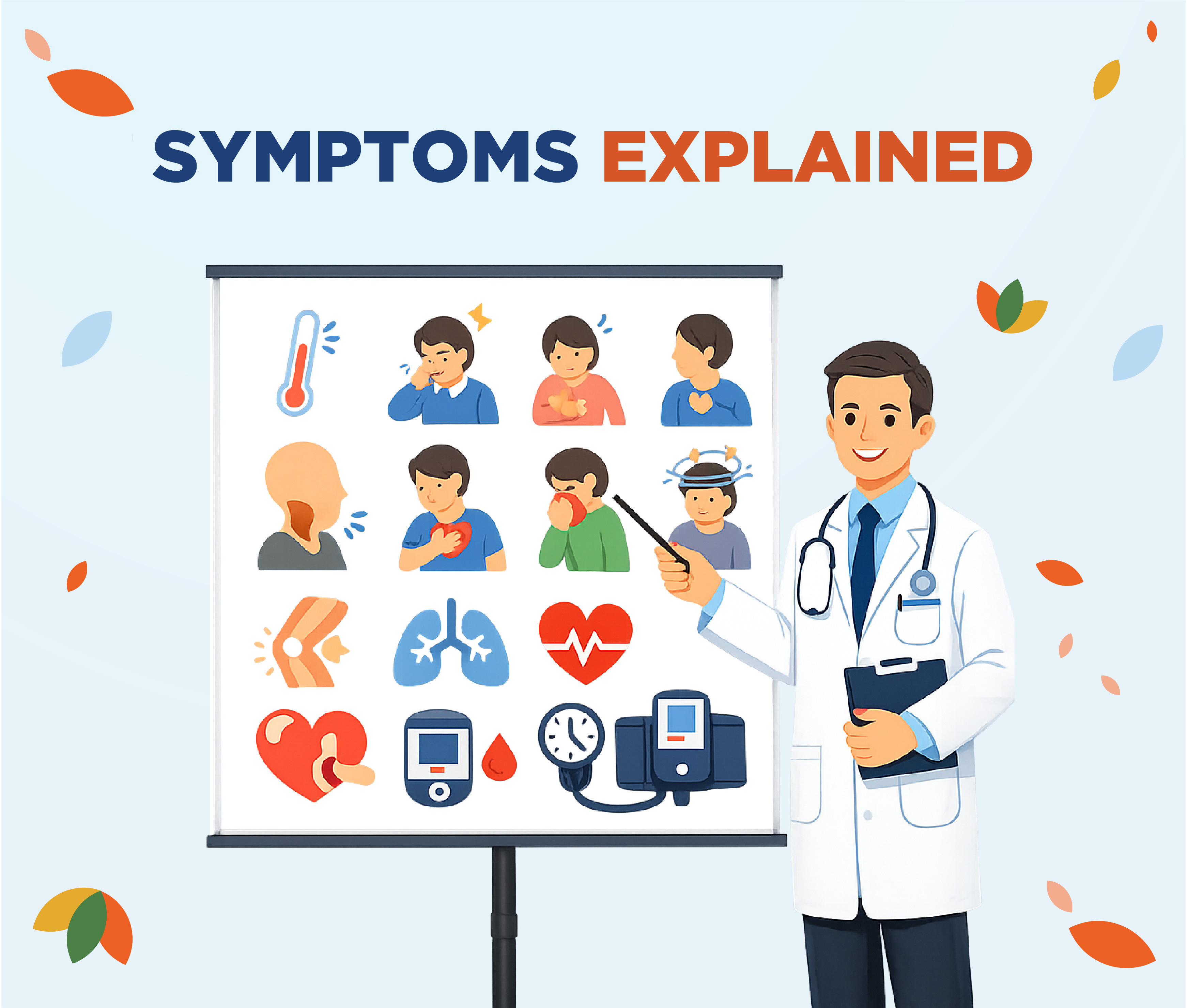
Symptoms of Peripheral Neuropathy Symptoms can vary widely, affecting individuals differently. Understanding the Symptoms of Peripheral Neuropathy is essential for early detection and management, helping to alleviate discomfort and improve quality of life.
Top 20 Symptoms of Peripheral Neuropathy Symptoms
- Numbness or tingling in the hands and feet
- Burning sensation in the affected areas
- Sharp, stabbing pain
- Muscle weakness
- Difficulty walking or balancing
- Increased sensitivity to touch
- Loss of coordination
- Feeling of heaviness in the limbs
- Decreased reflexes
- Changes in skin, hair, or nail growth
- Temperature sensitivity
- Difficulty with fine motor skills
- Intolerance to heat or cold
- Symptoms of Peripheral Neuropathy may include digestive issues
- Muscle cramps or twitching
- Persistent pain that interferes with daily activities
- Feeling faint or lightheaded
- Impaired sensation in the feet, leading to injuries
- Difficulty sleeping due to discomfort
- Changes in blood pressure
- Emotional changes, such as anxiety or depression
What is Peripheral Neuropathy Symptoms?
Peripheral neuropathy refers to a condition that results from damage to the peripheral nerves, leading to a variety of symptoms. Common symptoms of peripheral neuropathy include tingling, numbness, and burning sensations, often starting in the hands and feet. Some individuals may experience muscle weakness, sensitivity to touch, or a loss of coordination. In more severe cases, symptoms can interfere with daily activities, causing pain and discomfort. Recognizing these symptoms of peripheral neuropathy is crucial for early diagnosis and effective management, as they can be indicative of underlying health issues that require medical attention.
How Common is Peripheral Neuropathy Symptoms
- Peripheral neuropathy affects approximately 20 million people in the United States.
- Diabetes is the leading cause, accounting for nearly 60-70% of cases.
- Symptoms can vary widely, with some studies showing up to 50% of diabetic patients experiencing neuropathy.
- Other conditions such as alcoholism and vitamin deficiencies also contribute significantly to prevalence.
- Age increases risk, with symptoms more common in individuals over 60 years old.
- Autoimmune diseases, such as lupus and rheumatoid arthritis, can lead to peripheral neuropathy symptoms.
- Symptoms can also arise from certain medications, particularly chemotherapy drugs.
- Approximately 30% of patients with peripheral neuropathy report chronic pain as a symptom.
- Genetic factors may play a role, with some inherited neuropathies being more common in certain populations.
- In some cases, peripheral neuropathy can be idiopathic, meaning the cause is unknown, affecting a significant number of individuals.
What are the Causes and Risk Factors of Peripheral Neuropathy Symptoms?
| Factor / Cause | Description |
|---|---|
| Diabetes | High blood sugar levels can damage nerves, leading to neuropathy. |
| Alcohol Abuse | Excessive alcohol consumption can result in nerve damage and nutritional deficiencies. |
| Nutritional Deficiencies | Lack of essential vitamins, especially B vitamins, can lead to nerve damage. |
| Autoimmune Diseases | Conditions like lupus or rheumatoid arthritis can cause inflammation that damages nerves. |
| Infections | Certain infections, such as Lyme disease or HIV, can affect nerve health. |
| Genetic Disorders | Inherited conditions, such as Charcot-Marie-Tooth disease, can cause peripheral neuropathy. |
| Toxins | Exposure to heavy metals or chemicals can lead to nerve damage. |
| Medications | Some chemotherapy drugs and other medications can cause peripheral neuropathy as a side effect. |
| Trauma or Injury | Physical injuries, including fractures or compression, can damage peripheral nerves. |
| Hypothyroidism | An underactive thyroid can lead to nerve damage due to metabolic imbalances. |
What are the Signs and Symptoms of Peripheral Neuropathy Symptoms?
Peripheral neuropathy is characterized by a range of symptoms that can vary in intensity and type. Common signs include tingling, numbness, and a burning sensation, particularly in the hands and feet. Patients may also experience muscle weakness, sensitivity to touch, or sharp, stabbing pains. Additionally, some individuals report a loss of coordination or balance, which can increase the risk of falls. In more severe cases, the symptoms of peripheral neuropathy may lead to difficulties in walking or performing daily activities. Early recognition of these symptoms is crucial for effective management and treatment.
Early-Stage Symptoms of Peripheral Neuropathy Symptoms
Early-stage symptoms of peripheral neuropathy can manifest in various ways, often starting with subtle changes. Individuals may experience tingling, numbness, or a burning sensation, typically in the hands and feet. These initial symptoms of peripheral neuropathy may be accompanied by a heightened sensitivity to touch or pain. Some may also notice muscle weakness or difficulty in coordination, which can affect daily activities. Early recognition of these symptoms is crucial for effective management and treatment. If you experience these early signs, it is advisable to consult a healthcare professional for a thorough evaluation and potential intervention.
Advanced Symptoms of Peripheral Neuropathy Symptoms
Advanced symptoms of peripheral neuropathy can significantly impact daily life and may include severe pain, muscle weakness, and loss of coordination. Patients often experience heightened sensitivity to touch, leading to discomfort from even light pressure. Additionally, the Symptoms of Peripheral Neuropathy can manifest as tingling or burning sensations in the extremities, which may worsen at night. Some individuals may also face difficulties with balance and walking, increasing the risk of falls. These advanced symptoms highlight the importance of early diagnosis and intervention to manage the condition effectively and improve the quality of life for those affected.
Symptoms of Peripheral Neuropathy Symptoms in Male
Peripheral neuropathy is a condition that affects the peripheral nerves, leading to a variety of symptoms in males. Common symptoms of peripheral neuropathy include numbness, tingling, or a burning sensation in the hands and feet. Males may also experience muscle weakness, difficulty walking, and increased sensitivity to touch. In some cases, symptoms can extend to pain that radiates along the nerve pathways, impacting daily activities. It's essential to recognize these symptoms early, as they can indicate underlying health issues that require prompt medical attention. Understanding the symptoms of peripheral neuropathy is crucial for timely diagnosis and effective management.
Symptoms of Peripheral Neuropathy Symptoms in Female
Female patients experiencing peripheral neuropathy often report a variety of symptoms that can significantly impact their daily lives. Common symptoms of peripheral neuropathy include tingling, burning, or numbness in the extremities, particularly in the hands and feet. Women may also experience increased sensitivity to touch, muscle weakness, and difficulty with coordination. In some cases, the symptoms can progress to pain that interferes with sleep and daily activities. Additionally, women may notice changes in skin temperature and color in affected areas, leading to further discomfort and potential complications if not addressed promptly.
How is Peripheral Neuropathy Symptoms Diagnosed?
- Review of medical history and symptoms reported by the patient.
- Comprehensive physical examination to assess strength, coordination, and reflexes.
- Nerve conduction studies to measure the electrical activity of nerves.
- Electromyography (EMG) to evaluate the electrical activity of muscles.
- Blood tests to check for underlying conditions such as diabetes or vitamin deficiencies.
- Imaging tests like MRI or CT scans to identify structural issues affecting nerves.
- Skin biopsy to assess nerve fiber density in the skin.
- Neurological examination to determine specific areas affected by neuropathy.
- Genetic testing for hereditary neuropathy when family history is present.
- Specialized tests for specific conditions, such as tests for autoimmune diseases or toxic exposures.
What are the Reversal Strategies for Peripheral Neuropathy Symptoms?
Reversal strategies for symptoms of peripheral neuropathy focus on addressing the underlying causes and improving nerve function. Effective approaches include lifestyle modifications such as adopting a balanced diet rich in vitamins B12 and E, which are essential for nerve health. Regular exercise can enhance circulation and reduce pain, while physical therapy may improve strength and coordination. Additionally, managing blood sugar levels is crucial for diabetic patients to prevent further nerve damage. Alternative treatments, such as acupuncture and mindfulness practices, can also alleviate symptoms of peripheral neuropathy, promoting overall well-being and enhancing the quality of life for affected individuals.
FAQs on Peripheral Neuropathy Symptoms
What are the common symptoms of peripheral neuropathy?
Common symptoms of peripheral neuropathy include tingling, numbness, and pain in the hands and feet. Patients may also experience muscle weakness, sensitivity to touch, and difficulty with coordination and balance.
Can peripheral neuropathy cause pain?
Yes, peripheral neuropathy can cause various types of pain, including sharp, burning, or throbbing sensations. This pain can be persistent and may worsen at night, significantly affecting daily activities and sleep quality.
Are there any sensory symptoms associated with peripheral neuropathy?
Yes, sensory symptoms often include a loss of sensation, particularly in the extremities. Patients may have trouble feeling temperature changes, pressure, or pain, which can lead to injuries without their knowledge.
How does peripheral neuropathy affect motor function?
Peripheral neuropathy can lead to muscle weakness and impaired coordination. This can make everyday tasks challenging, as affected individuals may struggle with walking, holding objects, or performing fine motor skills.
Do symptoms of peripheral neuropathy vary by type?
Yes, symptoms can vary depending on the type of peripheral neuropathy. For instance, diabetic neuropathy primarily affects the feet, while other forms may impact specific areas or functions, leading to diverse symptoms and challenges.
Disclaimer: The information provided about Peripheral Neuropathy Symptoms is intended for general educational and informational purposes only. It should not be considered medical advice or used as a substitute for consultation with a qualified healthcare professional. Symptoms may differ from person to person and can be linked to a variety of medical conditions. This content is not intended for self-diagnosis or treatment. If you notice ongoing, severe, or unusual symptoms related to Peripheral Neuropathy, it is important to seek guidance from a licensed medical professional for proper diagnosis and care.