

Prediabetes Symptoms
Health symptoms can sometimes be easy to ignore, but they may also be a sign that medical attention is needed. Knowing the possible causes, related signs, and when to seek care can help people make better health decisions.
Unexpected medical expenses can arise from consultations, tests, or treatment, making health insurance an important part of financial preparedness. Readers can fill out the form below with their name and phone number to get a health insurance quote.
Personalized Coverage
Cashless Hospitals
Quick and Easy Claims
24/7 Customer Service
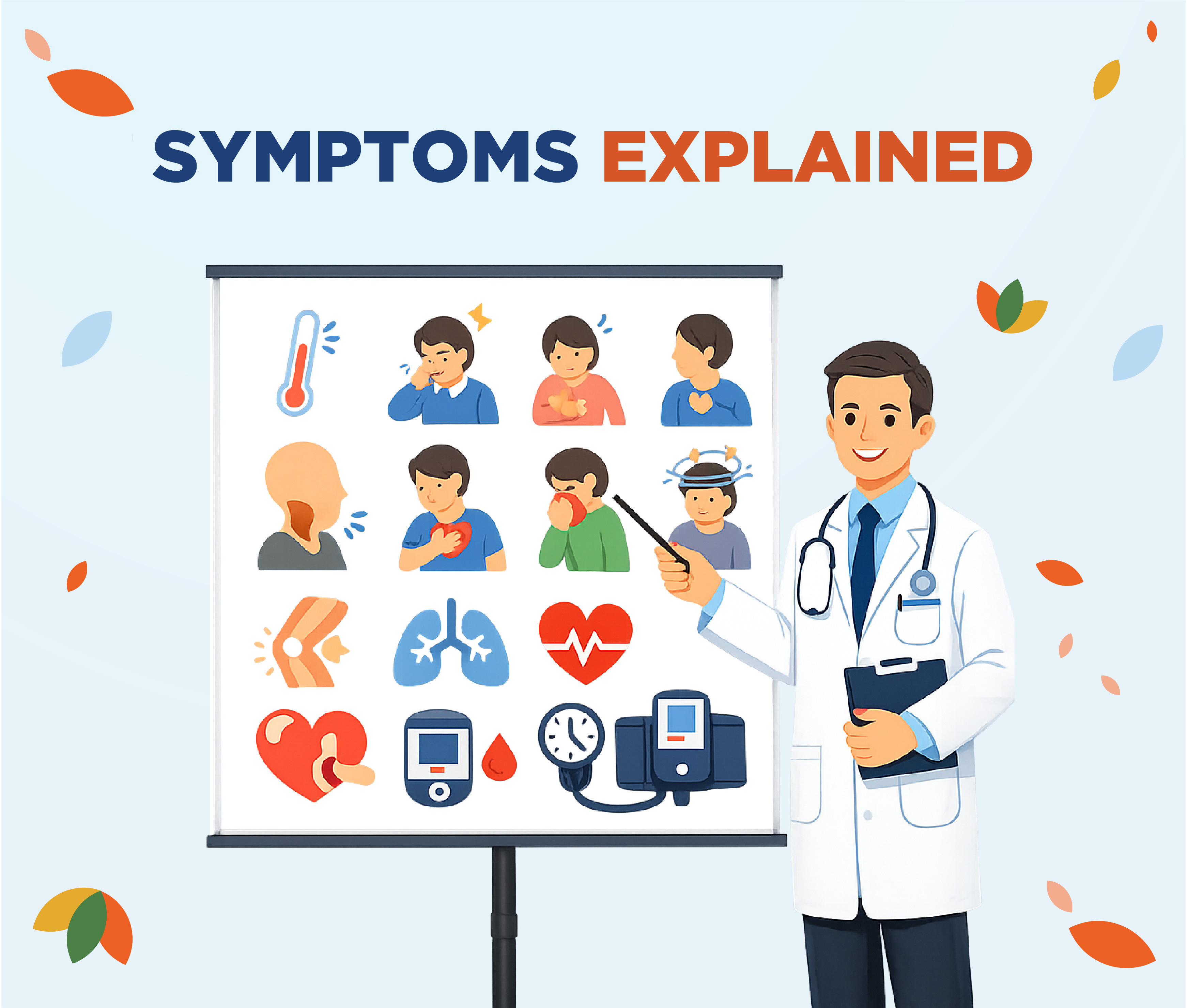
Symptoms of Prediabetes Symptoms can often be subtle, making it essential to recognize them early. Understanding the Symptoms of Prediabetes is crucial for timely intervention and lifestyle changes to prevent the progression to type 2 diabetes.
Top 20 Symptoms of Prediabetes Symptoms
- Increased thirst and frequent urination
- Fatigue and lack of energy
- Blurred vision
- Slow-healing cuts or sores
- Frequent infections, such as gum or skin infections
- Dark patches of skin, often found in the armpits or neck
- Unexplained weight loss
- Increased hunger, especially after eating
- Tingling or numbness in the hands or feet
- Dry mouth and itchy skin
- High blood pressure
- Elevated cholesterol levels
- Difficulty concentrating or brain fog
- Symptoms of Prediabetes can include mood swings
- Heavy snoring or sleep apnea
- Skin tags or unusual skin growths
- Reduced libido or sexual dysfunction
- Frequent headaches
- Gum disease or tooth decay
- Increased body fat, particularly around the abdomen
- Changes in menstrual cycles for women
What is Prediabetes Symptoms?
Prediabetes is a health condition where blood sugar levels are higher than normal but not yet high enough to be classified as type 2 diabetes. Recognizing the symptoms of prediabetes is crucial for early intervention. Common symptoms include increased thirst, frequent urination, fatigue, and blurred vision. Some individuals may also experience dark patches of skin, particularly in areas such as the neck and armpits, known as acanthosis nigricans. These symptoms of prediabetes can be subtle, so it is important to monitor your health and consult a healthcare professional if you notice any changes, as early detection can help prevent the progression to diabetes.
How Common is Prediabetes Symptoms
- Prediabetes often has no clear symptoms, making it difficult to detect without testing.
- Some individuals may experience increased thirst and frequent urination as subtle indicators.
- Blurred vision can occur due to elevated blood sugar levels affecting the eyes.
- Fatigue is a common but vague symptom that may be associated with prediabetes.
- Some people notice dark patches of skin, known as acanthosis nigricans, which can signal insulin resistance.
- Weight gain, particularly around the abdomen, can be a symptom of insulin resistance linked to prediabetes.
- Increased hunger may occur as the body struggles to utilize glucose effectively.
- Skin infections may become more frequent, as prediabetes can affect the body's immune response.
- Symptoms are often more pronounced in individuals with a family history of diabetes.
- Regular screening is crucial, especially for high-risk groups, to detect prediabetes before symptoms arise.
What are the Causes and Risk Factors of Prediabetes Symptoms?
| Factor / Cause | Description |
|---|---|
| Obesity | Excess body fat, particularly around the abdomen, increases insulin resistance. |
| Sedentary Lifestyle | Lack of physical activity contributes to weight gain and insulin resistance. |
| Genetics | Family history of diabetes can increase the risk of developing prediabetes. |
| Age | Risk increases with age, particularly after 45 years. |
| Unhealthy Diet | High intake of processed foods, sugars, and unhealthy fats can lead to weight gain. |
| High Blood Pressure | Hypertension is often linked with insulin resistance and metabolic syndrome. |
| Abnormal Cholesterol Levels | Low levels of HDL cholesterol and high levels of triglycerides contribute to risk. |
| Hormonal Disorders | Conditions like polycystic ovary syndrome (PCOS) can increase diabetes risk. |
| Sleep Disorders | Poor sleep quality and conditions like sleep apnea can affect insulin sensitivity. |
| Previous Gestational Diabetes | Women who had gestational diabetes during pregnancy are at higher risk. |
What are the Signs and Symptoms of Prediabetes Symptoms?
Prediabetes often presents subtle signs and symptoms that may go unnoticed. One of the primary symptoms of prediabetes is increased thirst and frequent urination, as the body attempts to eliminate excess glucose. Individuals may also experience fatigue, blurred vision, and slow-healing cuts or sores. Additionally, some may notice dark patches of skin, particularly in areas like the neck and armpits, known as acanthosis nigricans. Recognizing these symptoms of prediabetes is crucial for early intervention, as lifestyle changes can significantly reduce the risk of developing type 2 diabetes. Regular monitoring and consultation with a healthcare provider can aid in managing these symptoms effectively.
Early-Stage Symptoms of Prediabetes Symptoms
Early-stage symptoms of prediabetes can be subtle and easily overlooked. Individuals may experience increased thirst, frequent urination, fatigue, and blurred vision. These Symptoms of Prediabetes arise due to the body's inability to effectively use insulin, leading to elevated blood sugar levels. Some may also notice dark patches of skin, particularly in areas like the neck or armpits, known as acanthosis nigricans. Recognizing these early warning signs is crucial, as lifestyle changes can help prevent the progression to type 2 diabetes. Regular check-ups and monitoring blood sugar levels are essential for those at risk.
Advanced Symptoms of Prediabetes Symptoms
Advanced symptoms of prediabetes often manifest as more severe signs of insulin resistance. Individuals may experience increased thirst, frequent urination, fatigue, and blurred vision. Additionally, some may notice dark patches of skin, particularly in areas such as the neck and armpits, known as acanthosis nigricans. These symptoms of prediabetes are crucial indicators that the body is struggling to manage blood sugar levels effectively. If left unaddressed, prediabetes can progress to type 2 diabetes, making it essential to recognize and act upon these advanced symptoms early for better health outcomes.
Symptoms of Prediabetes Symptoms in Male
Prediabetes often presents subtle symptoms in males that can easily go unnoticed. Common symptoms of prediabetes include increased thirst, frequent urination, and fatigue. Some men may also experience blurred vision and slow-healing wounds. Additionally, dark patches of skin, particularly in the armpits and neck, can indicate insulin resistance, a key factor in prediabetes. It's essential for men to be aware of these symptoms, as early detection can significantly reduce the risk of progressing to type 2 diabetes. Regular check-ups and monitoring blood sugar levels are crucial for maintaining health and preventing complications associated with prediabetes.
Symptoms of Prediabetes Symptoms in Female
Prediabetes often goes unnoticed, particularly in females, as symptoms can be subtle and easily overlooked. Common symptoms of prediabetes include increased thirst, frequent urination, fatigue, and blurred vision. Women may also experience unexplained weight changes and heightened hunger. It's essential to recognize these symptoms early, as they can indicate an increased risk for developing type 2 diabetes. Additionally, some women might experience skin changes, such as dark patches (acanthosis nigricans) that signal insulin resistance. If you notice any of these symptoms of prediabetes, consulting a healthcare professional for assessment and guidance is crucial for preventing further complications.
How is Prediabetes Symptoms Diagnosed?
- Evaluation of blood glucose levels through fasting blood sugar tests.
- Conducting an oral glucose tolerance test (OGTT) to assess glucose response.
- Measuring HbA1c levels to determine average blood sugar over the past 2-3 months.
- Reviewing patient medical history for risk factors associated with diabetes.
- Assessing body mass index (BMI) to identify overweight or obesity.
- Screening for symptoms such as increased thirst, frequent urination, and fatigue.
- Performing a physical examination to check for signs of insulin resistance.
- Considering family history of diabetes for genetic predisposition.
- Monitoring cholesterol and blood pressure levels as part of overall health assessment.
- Recommending lifestyle assessments, including diet and physical activity habits.
What are the Reversal Strategies for Prediabetes Symptoms?
Reversal strategies for the symptoms of prediabetes focus on lifestyle modifications that can significantly improve overall health. Key approaches include adopting a balanced diet rich in whole grains, fruits, and vegetables while reducing refined sugars and processed foods. Regular physical activity, such as brisk walking or strength training, enhances insulin sensitivity and aids weight management. Additionally, monitoring blood glucose levels and maintaining a healthy weight are crucial. Stress management techniques, like mindfulness and yoga, can also play a role in stabilizing blood sugar levels. By implementing these strategies, individuals can effectively mitigate the symptoms of prediabetes and reduce the risk of developing type 2 diabetes.
FAQs on Prediabetes Symptoms
What are the common symptoms of prediabetes?
Common symptoms of prediabetes may include increased thirst, frequent urination, fatigue, blurred vision, and slow-healing sores. Many people may not notice any symptoms, making regular screening essential for early detection.
Can weight gain indicate prediabetes?
Yes, weight gain, especially around the abdomen, can be a sign of insulin resistance, which is often associated with prediabetes. Maintaining a healthy weight can help reduce the risk of developing type 2 diabetes.
Is fatigue a symptom of prediabetes?
Fatigue can be a symptom of prediabetes due to the bodys inability to use glucose effectively for energy. This can lead to feelings of tiredness and low energy, prompting individuals to seek medical advice.
Do I need to have all symptoms to be prediabetic?
No, you do not need to experience all symptoms to be diagnosed with prediabetes. Some individuals may show no symptoms at all, making regular blood sugar checks crucial for early identification and management.
How can I tell if I'm at risk for prediabetes?
Risk factors for prediabetes include being overweight, having a sedentary lifestyle, a family history of diabetes, and being over 45 years old. Regular health screenings can help assess your risk and guide preventative measures.
Disclaimer: The information provided about Prediabetes Symptoms is intended for general educational and informational purposes only. It should not be considered medical advice or used as a substitute for consultation with a qualified healthcare professional. Symptoms may differ from person to person and can be linked to a variety of medical conditions. This content is not intended for self-diagnosis or treatment. If you notice ongoing, severe, or unusual symptoms related to Prediabetes, it is important to seek guidance from a licensed medical professional for proper diagnosis and care.