

Progesterone Deficiency Symptoms
Health symptoms can sometimes be easy to ignore, but they may also be a sign that medical attention is needed. Knowing the possible causes, related signs, and when to seek care can help people make better health decisions.
Unexpected medical expenses can arise from consultations, tests, or treatment, making health insurance an important part of financial preparedness. Readers can fill out the form below with their name and phone number to get a health insurance quote.
Personalized Coverage
Cashless Hospitals
Quick and Easy Claims
24/7 Customer Service
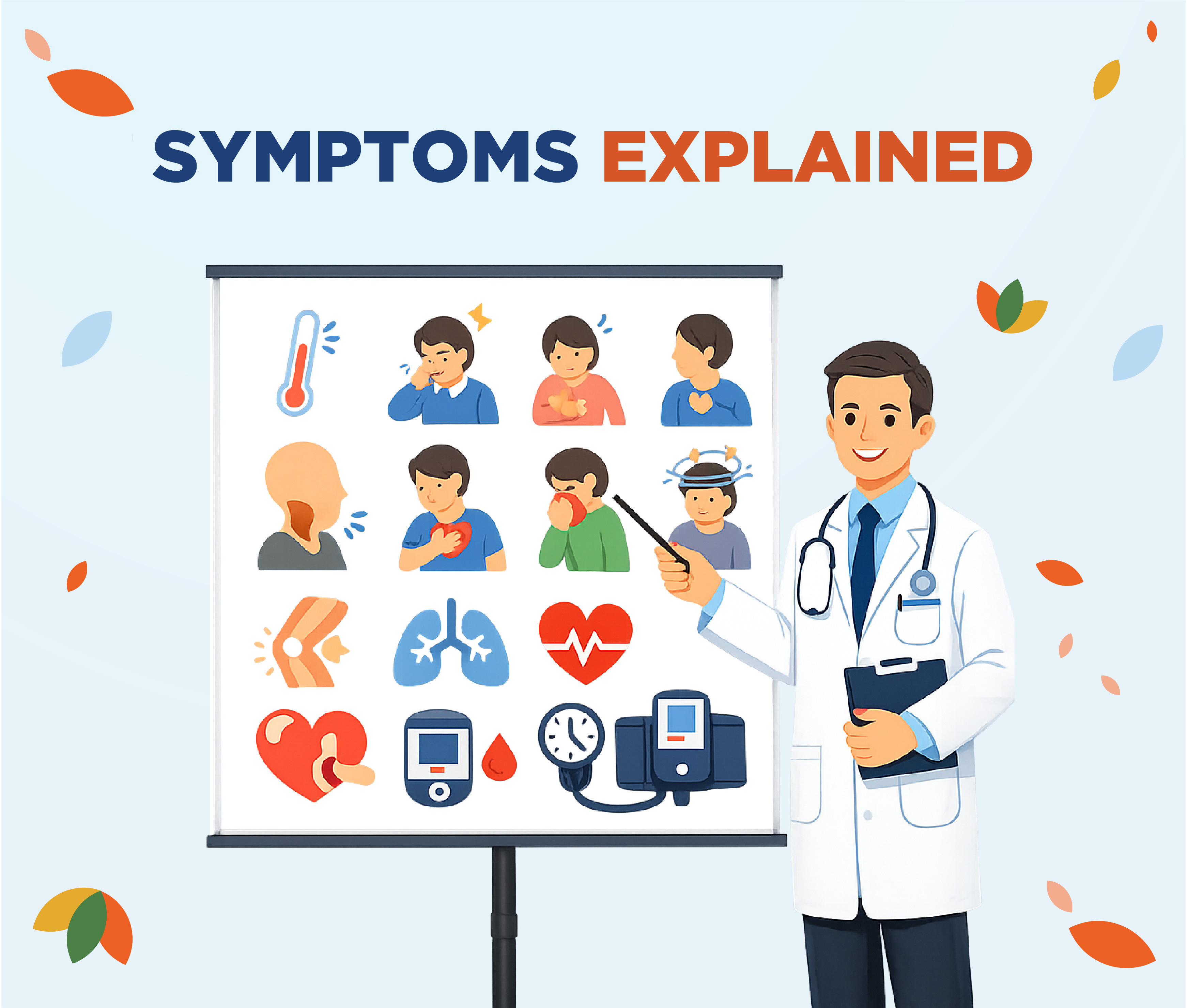
Symptoms of Progesterone Deficiency Symptoms can manifest in various ways, impacting women's health significantly. Understanding the Symptoms of Progesterone Deficiency is crucial for identifying underlying hormonal imbalances and seeking appropriate treatment options.
Top 20 Symptoms of Progesterone Deficiency Symptoms
- Irregular menstrual cycles
- Heavy or prolonged periods
- Spotting between periods
- Hot flashes and night sweats
- Fatigue and low energy levels
- Mood swings and irritability
- Anxiety and depression
- Difficulty sleeping or insomnia
- Weight gain or difficulty losing weight
- Breast tenderness or swelling
- Decreased libido or sexual dysfunction
- Headaches or migraines
- Dry skin or skin changes
- Digestive issues, including bloating
- Hair loss or thinning hair
- Memory problems or difficulty concentrating
- Increased PMS symptoms
- Symptoms of Progesterone Deficiency can also include joint or muscle pain
- Changes in appetite or cravings
- Fluid retention or swelling
- Infertility or difficulty conceiving
What is Progesterone Deficiency Symptoms?
Progesterone deficiency occurs when the body does not produce enough of this essential hormone, leading to various symptoms. Common symptoms of progesterone deficiency include irregular menstrual cycles, mood swings, anxiety, and difficulty sleeping. Women may also experience hot flashes, weight gain, and decreased libido. In some cases, it can contribute to fertility issues, as progesterone plays a crucial role in preparing the uterus for pregnancy. Understanding these symptoms of progesterone deficiency is vital for seeking appropriate medical advice and treatment options to restore hormonal balance and improve overall well-being.
How Common is Progesterone Deficiency Symptoms
- Progesterone deficiency is relatively common, especially among women in their reproductive years.
- It can occur due to hormonal imbalances, stressful lifestyles, and certain medical conditions.
- Symptoms may vary widely, with some women experiencing mild effects while others face severe symptoms.
- Common symptoms include irregular menstrual cycles, mood swings, and sleep disturbances.
- As women approach menopause, the likelihood of progesterone deficiency increases significantly.
- Certain medications and birth control methods can also lead to reduced progesterone levels.
- Women with polycystic ovary syndrome (PCOS) are at a higher risk for progesterone deficiency symptoms.
- Prolonged stress can disrupt hormonal balance, contributing to progesterone deficiency.
- Dietary factors and obesity can also impact progesterone production in the body.
- Consultation with a healthcare provider is essential for diagnosis and management of symptoms related to progesterone deficiency.
What are the Causes and Risk Factors of Progesterone Deficiency Symptoms?
| Factor / Cause | Description |
|---|---|
| Age | As women age, particularly during perimenopause and menopause, progesterone levels naturally decline. |
| Hormonal Imbalance | Imbalances in other hormones, such as estrogen, can disrupt the production of progesterone. |
| Chronic Stress | High stress levels can lead to elevated cortisol, which may inhibit progesterone production. |
| Poor Diet | Lack of essential nutrients, such as zinc and magnesium, can affect hormone synthesis, including progesterone. |
| Obesity | Excess body fat can convert progesterone into estrogen, leading to lower progesterone levels. |
| Thyroid Disorders | Conditions like hypothyroidism can affect the overall hormonal balance, including progesterone production. |
| Polycystic Ovary Syndrome (PCOS) | PCOS can lead to irregular ovulation, resulting in lower progesterone levels. |
| Excessive Exercise | High levels of physical activity without adequate recovery can lead to hormonal disruptions, including progesterone deficiency. |
| Medications | Certain medications, including some contraceptives, can affect the body's natural hormone production. |
| Chronic Illness | Ongoing health issues, such as diabetes or autoimmune diseases, can impact hormone levels and balance. |
What are the Signs and Symptoms of Progesterone Deficiency Symptoms?
Progesterone deficiency can manifest through a variety of signs and symptoms that may significantly affect a woman's health and well-being. Common symptoms of progesterone deficiency include irregular menstrual cycles, mood swings, anxiety, and sleep disturbances. Women may also experience hot flashes, breast tenderness, and decreased libido. Additionally, fatigue and weight gain can occur due to hormonal imbalances. It's essential to recognize these symptoms of progesterone deficiency early, as they can impact overall quality of life. If you suspect a deficiency, consulting a healthcare provider for proper evaluation and potential treatment options is crucial for restoring hormonal balance.
Early-Stage Symptoms of Progesterone Deficiency Symptoms
Early-stage symptoms of progesterone deficiency can manifest in various ways, often leading to discomfort and confusion. Women may experience irregular menstrual cycles, mood swings, and increased anxiety, which can significantly impact daily life. Other symptoms of progesterone deficiency include fatigue, sleep disturbances, and changes in libido. Physical signs may also present, such as bloating or weight gain. Recognizing these symptoms early is crucial for seeking appropriate medical advice and intervention. Addressing progesterone deficiency can help restore hormonal balance and improve overall well-being, making it essential to monitor any changes in the body.
Advanced Symptoms of Progesterone Deficiency Symptoms
Advanced symptoms of progesterone deficiency can manifest in various ways, significantly impacting a woman's quality of life. Commonly reported symptoms of progesterone deficiency include irregular menstrual cycles, heavy bleeding, and mood swings. As the deficiency progresses, women may experience severe anxiety, insomnia, and hot flashes. Additionally, physical symptoms such as reduced libido, weight gain, and breast tenderness may arise. It is crucial to recognize these advanced symptoms early, as they can lead to more serious health issues if left untreated. Understanding and addressing the symptoms of progesterone deficiency can aid in developing effective treatment strategies for hormonal balance.
Symptoms of Progesterone Deficiency Symptoms in Male
Progesterone deficiency in males can manifest through various symptoms that may significantly impact their overall well-being. Common symptoms of progesterone deficiency include fatigue, mood swings, and irritability, which can affect daily functioning. Additionally, men might experience decreased libido, erectile dysfunction, and increased body fat, particularly around the abdomen. These hormonal imbalances can also lead to difficulties in concentration and a general sense of malaise. Recognizing the symptoms of progesterone deficiency is crucial for timely intervention, as addressing hormonal imbalances can improve both physical and emotional health.
Symptoms of Progesterone Deficiency Symptoms in Female
Progesterone deficiency in females can manifest through a variety of symptoms that may significantly impact daily life. Common symptoms of progesterone deficiency include irregular menstrual cycles, mood swings, and increased anxiety levels. Additionally, women may experience fatigue, sleep disturbances, and hot flashes. Physical symptoms such as weight gain and breast tenderness can also occur, leading to discomfort. Understanding these symptoms is crucial for early identification and management of hormonal imbalances, ensuring that women receive appropriate care and support to restore hormonal balance and alleviate these distressing symptoms.
How is Progesterone Deficiency Symptoms Diagnosed?
- Comprehensive medical history assessment to identify symptoms and risk factors.
- Physical examination to evaluate signs of hormonal imbalance.
- Blood tests to measure progesterone levels at specific points in the menstrual cycle.
- Assessment of estrogen levels to determine the hormonal balance.
- Ultrasound imaging to check for ovarian function and structural abnormalities.
- Review of menstrual cycle regularity and ovulation patterns.
- Evaluation of symptoms such as irregular periods, mood swings, and fatigue.
- Consideration of lifestyle factors, including stress, diet, and exercise habits.
- Use of hormone panels to evaluate overall endocrine function.
- Follow-up consultations to monitor symptoms and treatment response over time.
What are the Reversal Strategies for Progesterone Deficiency Symptoms?
Reversal strategies for symptoms of progesterone deficiency focus on restoring hormonal balance through various methods. Lifestyle changes, such as maintaining a healthy diet rich in vitamins and minerals, can support progesterone production. Regular exercise and stress management techniques, like yoga or meditation, also play a crucial role in alleviating symptoms. Additionally, natural supplements, including chaste tree berry and evening primrose oil, may help boost progesterone levels. In some cases, hormone replacement therapy under medical supervision can effectively address severe symptoms. Its essential to consult with a healthcare provider to tailor a strategy that meets individual needs and addresses the underlying causes of progesterone deficiency.
FAQs on Progesterone Deficiency Symptoms
What are common symptoms of progesterone deficiency?
Common symptoms include irregular menstrual cycles, mood swings, weight gain, fatigue, and difficulty sleeping. Women may also experience breast tenderness and increased anxiety levels as a result of lower progesterone levels.
How does progesterone deficiency affect menstrual cycles?
Progesterone plays a key role in regulating the menstrual cycle. A deficiency can lead to irregular or heavy periods, spotting between cycles, or even missed periods due to disrupted hormonal balance.
Can progesterone deficiency cause infertility?
Yes, progesterone deficiency can contribute to infertility by preventing proper implantation of the embryo. It is essential for creating a suitable environment in the uterus for a fertilized egg to develop.
What are some psychological symptoms of progesterone deficiency?
Psychological symptoms may include heightened anxiety, depression, irritability, and mood swings. These mood disturbances occur due to hormonal fluctuations impacting neurotransmitter levels in the brain.
How can progesterone deficiency be diagnosed?
Diagnosis typically involves a review of symptoms, menstrual history, and blood tests to measure hormone levels. A healthcare provider may also perform additional assessments to rule out other conditions.
Disclaimer: The information provided about Progesterone Deficiency Symptoms is intended for general educational and informational purposes only. It should not be considered medical advice or used as a substitute for consultation with a qualified healthcare professional. Symptoms may differ from person to person and can be linked to a variety of medical conditions. This content is not intended for self-diagnosis or treatment. If you notice ongoing, severe, or unusual symptoms related to Progesterone Deficiency, it is important to seek guidance from a licensed medical professional for proper diagnosis and care.