

Protein Deficiency Symptoms
Health symptoms can sometimes be easy to ignore, but they may also be a sign that medical attention is needed. Knowing the possible causes, related signs, and when to seek care can help people make better health decisions.
Unexpected medical expenses can arise from consultations, tests, or treatment, making health insurance an important part of financial preparedness. Readers can fill out the form below with their name and phone number to get a health insurance quote.
Personalized Coverage
Cashless Hospitals
Quick and Easy Claims
24/7 Customer Service
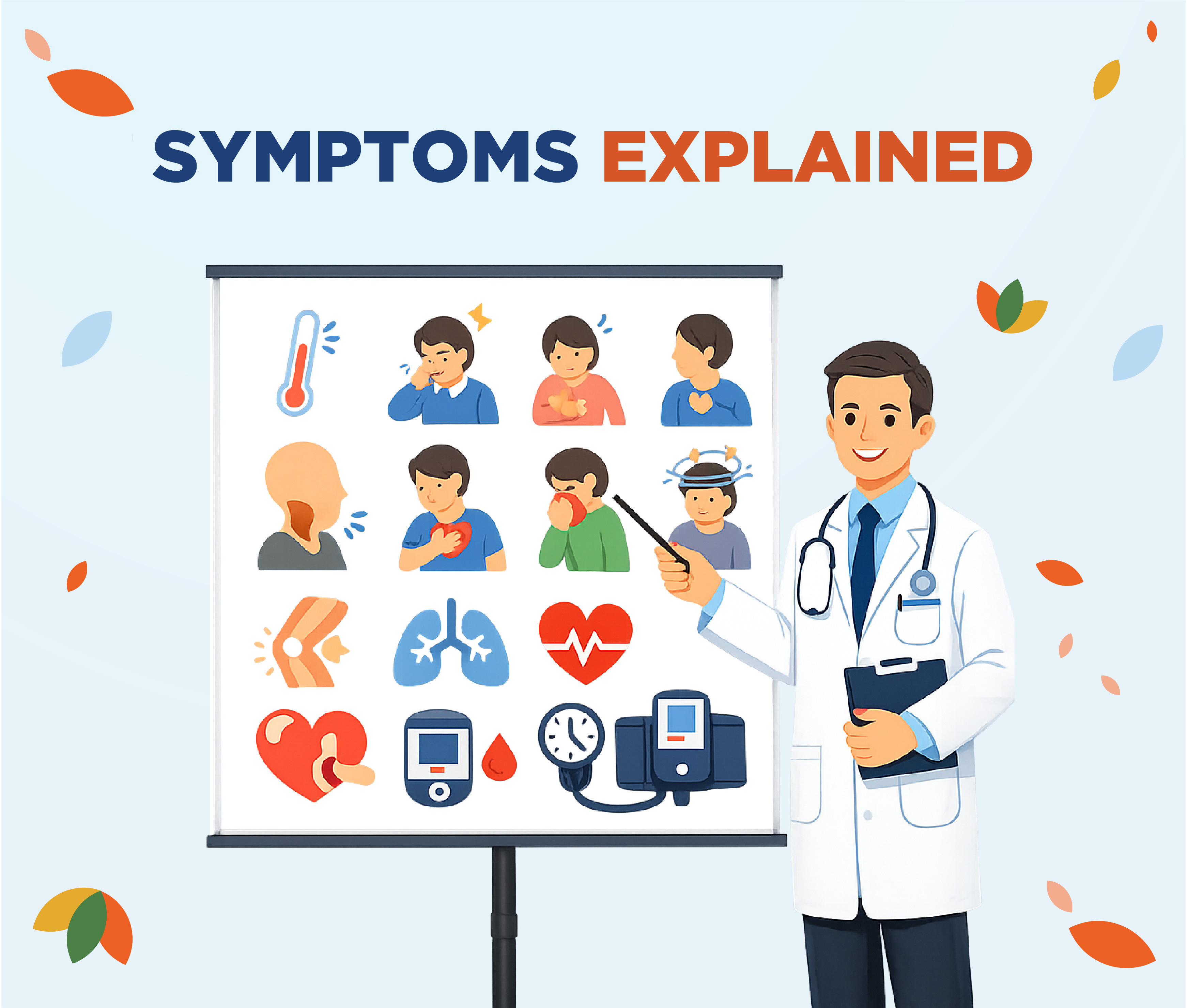
Symptoms of Protein Deficiency Symptoms can manifest in various ways, impacting overall health and wellbeing. Recognizing these Symptoms of Protein Deficiency is crucial for timely intervention and maintaining optimal bodily function.
Top 20 Symptoms of Protein Deficiency Symptoms
- Fatigue and weakness
- Muscle loss and decreased strength
- Slow recovery from injuries
- Increased susceptibility to infections
- Swelling and edema, particularly in the abdomen
- Dry, brittle hair and hair loss
- Skin issues such as rashes or dryness
- Changes in mood and irritability
- Difficulty concentrating and mental fog
- Stunted growth in children and adolescents
- Loss of appetite and unintentional weight loss
- Digestive issues like bloating and gas
- Hormonal imbalances
- Symptoms of Protein Deficiency may include delayed wound healing
- Weakness in the immune system
- Joint pain and discomfort
- Anemia or low iron levels
- Changes in nail texture, such as brittleness
- Increased cravings for protein-rich foods
- Persistent infections
- Overall poor health and vitality
What is Protein Deficiency Symptoms?
Protein deficiency occurs when the body does not receive enough protein to meet its needs, leading to a range of health issues. The symptoms of protein deficiency can vary but commonly include fatigue, muscle weakness, and an increased risk of infections. Individuals may also experience swelling, especially in the abdomen, and slow wound healing. In children, insufficient protein intake can hinder growth and development. Additionally, hair and nail health may suffer, leading to thinning hair and brittle nails. Recognizing these symptoms of protein deficiency is crucial for timely intervention and ensuring overall health and well-being.
How Common is Protein Deficiency Symptoms
- Protein deficiency is relatively uncommon in developed countries due to access to diverse food sources.
- It is more prevalent in developing nations, where malnutrition is a significant concern.
- Symptoms of protein deficiency can include fatigue, muscle weakness, and swelling.
- Inadequate protein intake can lead to stunted growth in children and increased susceptibility to infections.
- Older adults are at higher risk of protein deficiency due to reduced dietary intake and absorption issues.
- Vegetarians and vegans may need to be more mindful of their protein sources to avoid deficiency.
- Protein deficiency can manifest as skin, hair, and nail problems, indicating poor nutrition.
- Severe protein deficiency can lead to conditions like kwashiorkor, characterized by edema and liver enlargement.
- Lab tests measuring serum albumin levels can help diagnose protein deficiency.
- Maintaining a balanced diet rich in protein is essential for overall health and well-being.
What are the Causes and Risk Factors of Protein Deficiency Symptoms?
| Factor / Cause | Description |
|---|---|
| Inadequate Dietary Intake | Insufficient consumption of protein-rich foods such as meat, dairy, legumes, and nuts. |
| Malabsorption Disorders | Conditions like celiac disease or Crohn's disease that impair the body's ability to absorb nutrients. |
| Increased Protein Needs | Higher requirements during growth, pregnancy, lactation, or recovery from surgery or illness. |
| Chronic Illness | Diseases such as cancer or kidney disease that can increase protein catabolism or reduce intake. |
| Vegetarian or Vegan Diets | Plant-based diets may lack sufficient protein if not well-planned or supplemented. |
| Older Age | Age-related factors can lead to decreased protein intake and absorption in the elderly. |
| Alcoholism | Excessive alcohol consumption can lead to poor dietary choices and malnutrition. |
| Digestive Disorders | Conditions affecting digestion, such as pancreatitis, can limit protein breakdown and absorption. |
| Food Insecurity | Lack of access to sufficient and nutritious food can lead to inadequate protein intake. |
| Severe Burns or Trauma | Injury or trauma can increase protein requirements for healing and recovery. |
What are the Signs and Symptoms of Protein Deficiency Symptoms?
Protein deficiency can lead to a variety of noticeable signs and symptoms that may affect overall health. Common symptoms of protein deficiency include muscle wasting, fatigue, and weakness, as the body struggles to maintain muscle mass without adequate protein intake. Individuals may also experience slow healing of wounds and a compromised immune system, making them more susceptible to infections. Additionally, changes in hair and skin health, such as thinning hair and dry skin, can indicate a lack of protein. Recognizing these symptoms of protein deficiency early is crucial for preventing further health complications and ensuring a balanced diet.
Early-Stage Symptoms of Protein Deficiency Symptoms
Early-stage symptoms of protein deficiency can be subtle yet significant, often going unnoticed. Individuals may experience fatigue, weakness, and a general lack of energy due to insufficient protein intake. Other symptoms of protein deficiency include hair thinning, brittle nails, and slowed wound healing, as proteins play a crucial role in tissue repair and growth. Additionally, a weakened immune response may leave one more susceptible to infections. Its essential to recognize these early signs and adjust dietary habits accordingly, ensuring adequate protein consumption to maintain overall health and well-being.
Advanced Symptoms of Protein Deficiency Symptoms
Advanced symptoms of protein deficiency can manifest in various ways, significantly impacting overall health. Individuals may experience muscle wasting, leading to weakness and fatigue, as the body begins to break down muscle tissue for energy. Additionally, symptoms of protein deficiency can include swelling or edema, as low protein levels disrupt fluid balance in the body. Skin changes, such as dryness or dermatitis, might also occur, along with hair thinning or loss. Furthermore, a weakened immune system increases susceptibility to infections, while cognitive issues, including difficulty concentrating, may arise as the brain lacks essential nutrients for optimal function.
Symptoms of Protein Deficiency Symptoms in Male
Protein deficiency in males can manifest through a variety of symptoms that may significantly impact overall health. Common symptoms of protein deficiency include muscle weakness, fatigue, and increased susceptibility to infections. Males may also experience hair loss, brittle nails, and swelling due to fluid retention. Additionally, they might encounter mood changes, irritability, and difficulty concentrating, which can affect their daily activities. It is crucial to recognize these symptoms of protein deficiency early, as adequate protein intake is vital for maintaining muscle mass, supporting immune function, and ensuring optimal metabolic processes in the body.
Symptoms of Protein Deficiency Symptoms in Female
Protein deficiency in females can manifest through a variety of symptoms that may significantly impact overall health. Common symptoms of protein deficiency include fatigue, muscle weakness, and a weakened immune system, making individuals more susceptible to infections. Additionally, women may experience hair thinning, brittle nails, and skin issues such as dryness or rashes. Hormonal imbalances can also arise, leading to irregular menstrual cycles. It's crucial for women to recognize these symptoms of protein deficiency and address them through dietary changes or supplements to maintain optimal health and well-being.
How is Protein Deficiency Symptoms Diagnosed?
- Reviewing medical history and dietary habits to assess protein intake.
- Conducting a physical examination to check for signs of malnutrition.
- Measuring body mass index (BMI) to evaluate overall body composition.
- Ordering blood tests to check levels of albumin and other proteins.
- Analyzing for symptoms such as muscle wasting or edema.
- Performing skin and hair assessments for changes indicating protein deficiency.
- Utilizing a 24-hour dietary recall to evaluate protein consumption.
- Reviewing symptoms like fatigue, weakness, and immune dysfunction.
- Assessing growth patterns in children and adolescents.
- Consulting with a dietitian for a comprehensive nutritional assessment.
What are the Reversal Strategies for Protein Deficiency Symptoms?
Reversal strategies for symptoms of protein deficiency are crucial for restoring overall health. Symptoms of protein deficiency can include muscle wasting, fatigue, and weakened immunity. To combat these issues, individuals should focus on increasing their protein intake through diverse sources such as lean meats, dairy products, legumes, and nuts. Incorporating high-quality protein supplements can also be beneficial, especially for those with dietary restrictions. Additionally, consulting with a healthcare professional can help tailor a nutritional plan to address specific deficiencies and promote optimal recovery. Regular monitoring of protein levels and dietary adjustments will further ensure the effectiveness of these reversal strategies.
FAQs on Protein Deficiency Symptoms
What are the common symptoms of protein deficiency?
Common symptoms include fatigue, muscle weakness, swelling, and increased susceptibility to infections. Skin and hair issues, such as dryness or hair loss, may also occur, as protein is essential for cellular repair and overall health.
Can protein deficiency affect my mood?
Yes, protein deficiency can lead to mood changes, including irritability and anxiety. Amino acids from proteins are vital for neurotransmitter production, which regulates mood and emotional well-being.
How does protein deficiency impact muscle health?
Protein deficiency can result in muscle wasting, weakness, and decreased physical performance. Since proteins are crucial for muscle repair and growth, inadequate intake can severely hinder muscle development and recovery.
Are there any long-term effects of protein deficiency?
Long-term protein deficiency can lead to serious health issues, including stunted growth in children, weakened immune function, and increased risk of chronic diseases. It can also cause significant muscle loss and organ dysfunction.
Who is at risk for protein deficiency?
Individuals at risk include those with limited diets, such as vegetarians or vegans, older adults, people with certain medical conditions, and those recovering from surgery. It's important for these groups to monitor their protein intake.
Disclaimer: The information provided about Protein Deficiency Symptoms is intended for general educational and informational purposes only. It should not be considered medical advice or used as a substitute for consultation with a qualified healthcare professional. Symptoms may differ from person to person and can be linked to a variety of medical conditions. This content is not intended for self-diagnosis or treatment. If you notice ongoing, severe, or unusual symptoms related to Protein Deficiency, it is important to seek guidance from a licensed medical professional for proper diagnosis and care.