

Sepsis Symptoms
Health symptoms can sometimes be easy to ignore, but they may also be a sign that medical attention is needed. Knowing the possible causes, related signs, and when to seek care can help people make better health decisions.
Unexpected medical expenses can arise from consultations, tests, or treatment, making health insurance an important part of financial preparedness. Readers can fill out the form below with their name and phone number to get a health insurance quote.
Personalized Coverage
Cashless Hospitals
Quick and Easy Claims
24/7 Customer Service
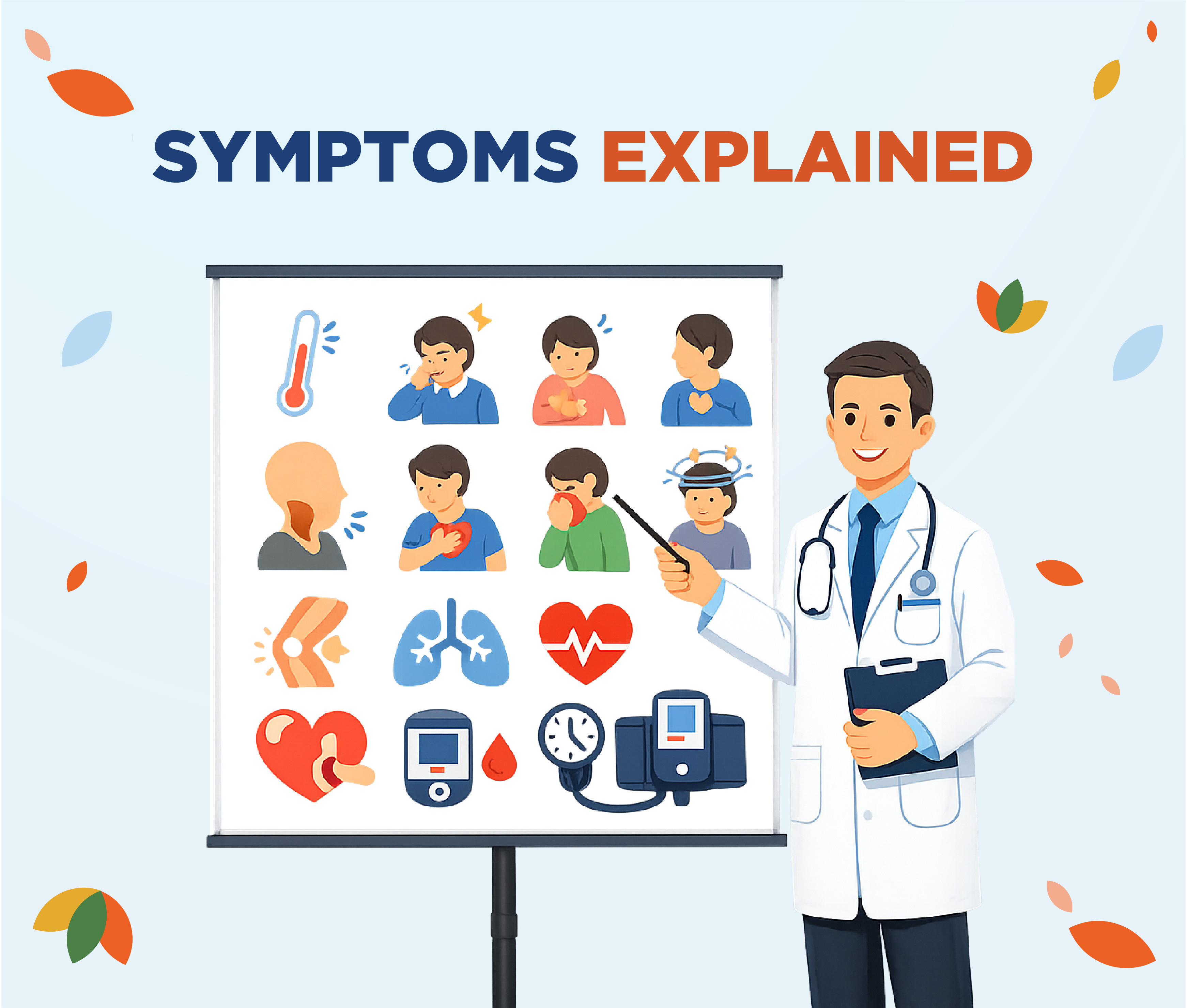
Symptoms of Sepsis Symptoms can manifest rapidly and vary widely, making early recognition crucial. Understanding the Symptoms of Sepsis is essential for timely treatment, as this life-threatening condition can escalate quickly without prompt medical intervention.
Top 20 Symptoms of Sepsis Symptoms
- Fever or chills, indicating the body's response to infection.
- Rapid heart rate, which may exceed 90 beats per minute.
- Increased breathing rate, often more than 20 breaths per minute.
- Confusion or disorientation, a sign of potential organ dysfunction.
- Extreme pain or discomfort, often described as the worst ever experienced.
- Pale or mottled skin, reflecting poor blood flow or circulation.
- Low blood pressure, which can lead to septic shock.
- Decreased urine output, indicating kidney involvement.
- Shortness of breath, potentially due to infection or fluid buildup.
- Rash or discoloration of the skin, which may appear in some cases.
- Cold or clammy skin, suggesting poor circulation and blood flow.
- Severe fatigue or malaise, often preceding other symptoms.
- Symptoms of Sepsis may escalate quickly, making it critical to seek medical attention.
- Difficulty waking up or staying awake, indicating severe illness.
- Nausea or vomiting, which can occur with certain infections.
- Joint or muscle pain, often exacerbated by the body's inflammatory response.
- Headache, which may be associated with fever or dehydration.
- Abdominal pain, potentially indicating a source of infection.
- Rapid deterioration of health, often occurring within hours.
- Severe chills or shivering, as the body attempts to fight infection.
- Changes in mental status, which can signify altered brain function due to sepsis.
What is Sepsis Symptoms?
Sepsis is a life-threatening condition triggered by the body's extreme response to an infection. Recognizing the symptoms of sepsis is crucial for timely treatment. Common symptoms include fever, chills, rapid heartbeat, and confusion. Patients may also experience shortness of breath, extreme pain, or a sense of impending doom. As the condition progresses, symptoms can escalate, leading to organ failure and shock. Early identification of these symptoms of sepsis can significantly improve outcomes, making awareness essential for both individuals and healthcare providers. If you suspect sepsis in yourself or someone else, seek medical attention immediately.
How Common is Sepsis Symptoms
- Sepsis symptoms can vary widely, making it difficult to diagnose early.
- Approximately 1.7 million adults in the United States develop sepsis each year.
- Common early symptoms include fever, chills, and a rapid heart rate.
- Some patients may experience confusion or disorientation as a symptom of sepsis.
- In severe cases, sepsis can lead to organ failure, which presents additional symptoms.
- Symptoms may escalate quickly, often within hours of onset.
- Sepsis can occur following infections like pneumonia, urinary tract infections, or abdominal infections.
- Early recognition of symptoms is crucial for effective treatment and improving outcomes.
- Common risk factors for sepsis include age, chronic illness, and weakened immune systems.
- Educating the public on sepsis symptoms can enhance early detection and save lives.
What are the Causes and Risk Factors of Sepsis Symptoms?
| Factor / Cause | Description |
|---|---|
| Bacterial Infections | Commonly caused by bacteria like Staphylococcus, Streptococcus, and Escherichia coli. |
| Viral Infections | Viruses such as influenza and COVID-19 can trigger sepsis, particularly in vulnerable populations. |
| Fungal Infections | Fungal pathogens like Candida can lead to sepsis, especially in immunocompromised individuals. |
| Chronic Illness | Conditions such as diabetes, cancer, and liver disease increase the risk of developing sepsis. |
| Immunosuppression | Individuals with weakened immune systems, either from disease or medication, are at higher risk. |
| Age | Older adults and very young children are more susceptible to infections leading to sepsis. |
| Recent Surgery | Surgeries, especially those involving the abdomen or implants, can introduce infection risks. |
| Invasive Devices | Catheters and ventilators can be entry points for bacteria and lead to sepsis. |
| Skin Infections | Infections such as cellulitis or abscesses can spread and result in sepsis if untreated. |
| Hospitalization | Patients in hospitals, especially those in intensive care, have a higher risk of sepsis due to exposure to pathogens. |
What are the Signs and Symptoms of Sepsis Symptoms?
Sepsis is a life-threatening condition that arises when the body's response to an infection causes systemic inflammation. Recognizing the signs and symptoms of sepsis is crucial for timely intervention. Common symptoms include fever, chills, rapid heart rate, and confusion or disorientation. Patients may also experience shortness of breath, extreme pain, or a feeling of impending doom. As the condition progresses, symptoms of sepsis can escalate to include low blood pressure and organ dysfunction, making it imperative to seek immediate medical attention if these symptoms arise. Early detection and treatment are key to improving outcomes in individuals affected by sepsis.
Early-Stage Symptoms of Sepsis Symptoms
Early-stage symptoms of sepsis can be subtle yet critical to recognize for timely intervention. Individuals may experience a sudden high fever, chills, or a rapid heart rate as the body responds to infection. Other symptoms of sepsis include confusion, disorientation, and severe discomfort. As the condition progresses, patients might also exhibit rapid breathing and decreased urine output. These early signs are vital indicators of the body's systemic response to infection, and immediate medical attention is essential to prevent serious complications. Recognizing these symptoms of sepsis can be life-saving and significantly improve outcomes.
Advanced Symptoms of Sepsis Symptoms
Advanced symptoms of sepsis can manifest as a rapid decline in an individual's condition, showcasing the severity of this life-threatening response to infection. Key symptoms of sepsis include confusion or disorientation, extreme pain or discomfort, and a significant drop in blood pressure, which can lead to shock. Patients may exhibit a high heart rate and labored breathing, accompanied by a fever or hypothermia. As sepsis progresses, the body may start to fail, resulting in organ dysfunction. Recognizing these advanced symptoms of sepsis is crucial for timely medical intervention, as early treatment can significantly improve outcomes and save lives.
Symptoms of Sepsis Symptoms in Male
Sepsis is a life-threatening condition that occurs when the body's response to infection causes widespread inflammation. In males, symptoms of sepsis can manifest in various ways. Common signs include fever, chills, rapid heartbeat, and confusion. Additionally, men may experience difficulty breathing, extreme pain, or discomfort. Some may also notice changes in skin color, becoming pale or mottled. Recognizing these symptoms of sepsis early is crucial, as prompt medical attention can significantly improve outcomes. If you or someone you know exhibits these symptoms, it is essential to seek emergency care immediately to prevent further complications.
Symptoms of Sepsis Symptoms in Female
Sepsis is a life-threatening condition that can manifest differently in females. The symptoms of sepsis often include fever, chills, and a rapid heartbeat. Women may also experience confusion or disorientation, which can be mistaken for stress or fatigue. Additionally, symptoms may involve difficulty breathing, extreme weakness, or a significant drop in blood pressure. It is crucial for women to be aware that these symptoms of sepsis can escalate quickly, necessitating immediate medical attention. Recognizing and acting on these signs can be vital for improving outcomes and preventing severe complications associated with this serious condition.
How is Sepsis Symptoms Diagnosed?
- Clinical evaluation of patient history and physical examination.
- Assessment of vital signs including temperature, heart rate, and blood pressure.
- Blood tests to identify markers of infection and organ dysfunction.
- Complete blood count (CBC) to check for elevated white blood cell count.
- Blood cultures to detect the presence of bacteria or fungi in the bloodstream.
- Imaging studies such as X-rays, CT scans, or ultrasounds to locate the source of infection.
- Assessment of urine output to evaluate kidney function.
- Measurement of lactate levels to determine the severity of sepsis.
- Use of scoring systems like SOFA (Sequential Organ Failure Assessment) or qSOFA (quick SOFA) for risk stratification.
- Monitoring for signs of organ dysfunction, such as altered mental status or respiratory distress.
What are the Reversal Strategies for Sepsis Symptoms?
Reversal strategies for symptoms of sepsis focus on early identification and prompt intervention. Recognizing the symptoms of sepsis, such as fever, rapid heart rate, confusion, and difficulty breathing, is crucial for timely treatment. Once identified, immediate administration of intravenous fluids and broad-spectrum antibiotics can significantly improve outcomes. Additionally, monitoring vital signs and organ function is essential to adjust treatment as needed. Supportive care, including oxygen therapy and medications to stabilize blood pressure, plays a vital role in reversing the progression of sepsis. Continuous assessment and a multidisciplinary approach are key in managing and mitigating the severe effects of this life-threatening condition.
FAQs on Sepsis Symptoms
What are the early symptoms of sepsis?
Early symptoms of sepsis may include fever, chills, rapid heartbeat, and confusion. Patients might also experience difficulty breathing, reduced urine output, and severe pain. Recognizing these signs promptly is crucial for effective treatment.
How can I differentiate sepsis from a regular infection?
Sepsis often presents with more severe symptoms than a typical infection, such as high fever, rapid heart rate, and altered mental state. If symptoms escalate quickly or include confusion and disorientation, seek medical help immediately.
Can sepsis occur without a fever?
Yes, sepsis can occur without a fever. In some cases, especially in older adults or those with weakened immune systems, the body may not produce a fever. Instead, symptoms may include low body temperature, rapid breathing, and confusion.
What are the signs of severe sepsis?
Severe sepsis may show signs such as extreme difficulty breathing, persistent chest pain, profound weakness, and a significant drop in blood pressure. If these symptoms are present, immediate medical attention is essential.
How quickly do sepsis symptoms develop?
Sepsis symptoms can develop rapidly, often within hours of infection onset. Its critical to monitor for changes in health status, especially after an existing infection, and seek medical help if symptoms worsen.
Disclaimer: The information provided about Sepsis Symptoms is intended for general educational and informational purposes only. It should not be considered medical advice or used as a substitute for consultation with a qualified healthcare professional. Symptoms may differ from person to person and can be linked to a variety of medical conditions. This content is not intended for self-diagnosis or treatment. If you notice ongoing, severe, or unusual symptoms related to Sepsis, it is important to seek guidance from a licensed medical professional for proper diagnosis and care.