

Vasculitis Symptoms
Health symptoms can sometimes be easy to ignore, but they may also be a sign that medical attention is needed. Knowing the possible causes, related signs, and when to seek care can help people make better health decisions.
Unexpected medical expenses can arise from consultations, tests, or treatment, making health insurance an important part of financial preparedness. Readers can fill out the form below with their name and phone number to get a health insurance quote.
Personalized Coverage
Cashless Hospitals
Quick and Easy Claims
24/7 Customer Service
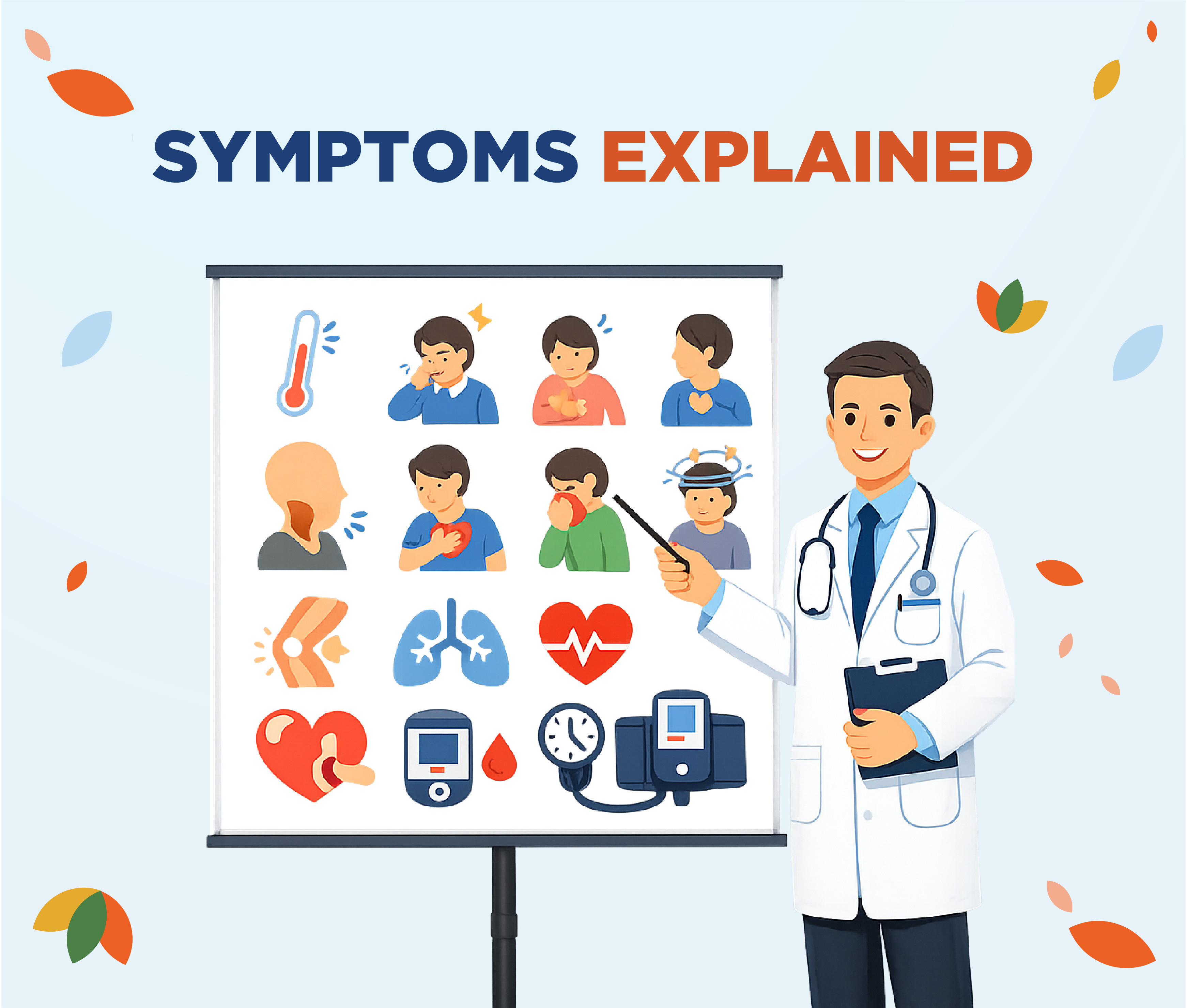
Symptoms of Vasculitis Symptoms can vary significantly depending on the type and severity of the condition. Understanding the common symptoms of vasculitis is crucial for early detection and effective management of this inflammatory disease.
Top 20 Symptoms of Vasculitis Symptoms
- Persistent fever that lasts for an extended period
- Unexplained weight loss that occurs rapidly
- Joint pain and swelling, particularly in the knees and hands
- Fatigue that does not improve with rest
- Skin rashes that may appear as purplish spots or nodules
- Muscle pain or weakness, impacting daily activities
- Nerve problems, including numbness or tingling sensations
- Abdominal pain or discomfort, especially after meals
- Shortness of breath or difficulty breathing
- Chest pain, which may vary in intensity
- Headaches that may be severe or persistent
- Changes in vision, such as blurred vision or double vision
- Cold or numb extremities due to poor circulation
- Symptoms of Vasculitis can include swollen lymph nodes
- Skin ulcers or sores that do not heal properly
- Excessive sweating, particularly at night
- Frequent nosebleeds or nasal congestion
- High blood pressure that is difficult to control
- Changes in kidney function, detected through lab tests
- Persistent cough that may produce mucus or blood
What is Vasculitis Symptoms?
Vasculitis refers to a group of disorders characterized by inflammation of the blood vessels, which can lead to a range of symptoms. The symptoms of vasculitis often vary depending on the size and location of the affected vessels. Common symptoms include fever, fatigue, weight loss, and muscle or joint pain. Skin rashes or lesions may also appear, as well as symptoms related to organ involvement, such as respiratory issues or abdominal pain. Early diagnosis and treatment are crucial to managing the symptoms of vasculitis and preventing long-term complications, making awareness of these symptoms essential for prompt medical attention.
How Common is Vasculitis Symptoms
- Vasculitis symptoms can vary widely depending on the type of vasculitis and the affected blood vessels.
- Common symptoms include fever, fatigue, and weight loss, affecting a significant number of patients.
- Skin rashes, including purpura and nodules, are frequently observed in patients with vasculitis.
- Joint pain and swelling are prevalent, often leading to misdiagnosis as rheumatoid arthritis.
- Respiratory symptoms such as cough and shortness of breath can occur, especially in pulmonary vasculitis.
- Neurological symptoms, including headaches and peripheral neuropathy, may manifest in certain types of vasculitis.
- Gastrointestinal symptoms, like abdominal pain and gastrointestinal bleeding, are common in systemic vasculitis.
- Kidney involvement can lead to symptoms of nephritis, affecting approximately 30-50% of patients with certain types.
- Eye symptoms, such as redness, pain, and vision changes, may indicate involvement of the ocular system.
- Overall, the prevalence of vasculitis symptoms can depend on demographic factors, including age and gender.
What are the Causes and Risk Factors of Vasculitis Symptoms?
| Factor / Cause | Description |
|---|---|
| Autoimmune Disorders | Conditions where the immune system mistakenly attacks healthy blood vessels, leading to inflammation. |
| Infections | Certain viral or bacterial infections can trigger vasculitis by provoking an immune response. |
| Medications | Some drugs, particularly antibiotics and non-steroidal anti-inflammatory drugs (NSAIDs), can cause allergic reactions that lead to vasculitis. |
| Environmental Factors | Exposure to toxins, such as heavy metals or certain chemicals, may increase the risk of developing vasculitis. |
| Genetic Predisposition | Family history of autoimmune diseases may increase the likelihood of developing vasculitis. |
| Chronic Inflammatory Conditions | Conditions such as rheumatoid arthritis or lupus can contribute to the development of vasculitis. |
| Age | Vasculitis can occur at any age, but certain types are more common in older adults. |
| Gender | Some forms of vasculitis are more prevalent in women than men, indicating a possible hormonal influence. |
| Smoking | Tobacco use has been linked to increased risk of certain types of vasculitis, particularly in older adults. |
| Vascular Disorders | Existing vascular conditions may predispose individuals to develop further complications, including vasculitis. |
What are the Signs and Symptoms of Vasculitis Symptoms?
Vasculitis is an inflammatory condition that affects blood vessels, leading to a variety of symptoms. Common signs and symptoms of vasculitis include fever, fatigue, weight loss, and joint pain. Patients may also experience skin rashes, numbness, or weakness in limbs due to reduced blood flow. In some cases, symptoms of vasculitis can extend to organ involvement, causing abdominal pain, respiratory issues, or kidney dysfunction. The severity and specific symptoms can vary depending on the type of vasculitis and the blood vessels affected. Early recognition and treatment are essential to manage the condition effectively and prevent complications.
Early-Stage Symptoms of Vasculitis Symptoms
Early-stage symptoms of vasculitis can be subtle and often resemble those of other conditions, making diagnosis challenging. Common symptoms of vasculitis include fatigue, fever, and unexplained weight loss. Patients may also experience joint pain and muscle aches, which can lead to a general sense of malaise. Skin rashes or lesions may appear as the disease progresses, while some individuals report headaches or respiratory issues. Recognizing these early symptoms of vasculitis is crucial for timely intervention, as prompt treatment can help prevent further complications and manage the condition effectively.
Advanced Symptoms of Vasculitis Symptoms
Advanced symptoms of vasculitis can vary significantly depending on the type and severity of the condition. Patients may experience persistent fever, fatigue, and weight loss, which can be accompanied by joint and muscle pain. Skin manifestations often include rashes, ulcers, or palpable purpura, particularly on the legs. Additionally, symptoms of vasculitis may involve organ-specific issues such as kidney dysfunction, respiratory problems, or gastrointestinal complications. Neurological symptoms, like headaches or seizures, may also occur. Early recognition of these advanced symptoms is crucial for prompt treatment and management, as vasculitis can lead to serious health complications if left untreated.
Symptoms of Vasculitis Symptoms in Male
Vasculitis is an inflammatory condition affecting blood vessels, and men may experience a range of symptoms that indicate its presence. Common symptoms of vasculitis in males include fatigue, fever, and unexplained weight loss. Additionally, skin rashes, joint pain, and muscle aches can occur as the disease progresses. In some cases, males may notice respiratory issues, such as shortness of breath or persistent cough, particularly if the lungs are affected. Recognizing these symptoms of vasculitis early is crucial for timely diagnosis and treatment, as the condition can lead to serious complications if left untreated.
Symptoms of Vasculitis Symptoms in Female
Vasculitis in females can manifest through a variety of symptoms that may vary depending on the type and severity of the condition. Common symptoms of vasculitis include unexplained fever, fatigue, and joint pain, which can significantly impact daily life. Additionally, skin changes such as rashes or sores may occur, often indicating inflammation of blood vessels. Women may also experience symptoms like headaches or vision problems if the central nervous system is affected. Early recognition of these symptoms of vasculitis is crucial for timely diagnosis and treatment, potentially preventing serious complications and improving quality of life.
How is Vasculitis Symptoms Diagnosed?
- Review of patient medical history and symptoms.
- Physical examination to check for signs of inflammation.
- Blood tests to identify inflammation markers and organ function.
- Urinalysis to detect kidney involvement or blood in urine.
- Imaging tests such as X-rays or CT scans to assess organ damage.
- Tissue biopsy to confirm diagnosis and determine the type of vasculitis.
- Specialized tests for specific types of vasculitis (e.g., ANCA testing).
- Evaluation of symptoms related to specific organs (e.g., lungs, skin).
- Collaboration with specialists, such as rheumatologists or nephrologists.
- Monitoring of symptoms over time to assess progression and response to treatment.
What are the Reversal Strategies for Vasculitis Symptoms?
Reversal strategies for managing the symptoms of vasculitis focus on reducing inflammation and improving overall vascular health. Key approaches include the use of corticosteroids to quickly alleviate inflammation, alongside immunosuppressive medications to prevent flare-ups. Lifestyle modifications, such as adopting a balanced diet rich in omega-3 fatty acids, can also play a vital role in symptom management. Regular exercise and stress reduction techniques, like yoga and meditation, contribute to improved vascular function. Additionally, monitoring and managing coexisting conditions are essential to effectively reverse the symptoms of vasculitis and enhance patient quality of life.
FAQs on Vasculitis Symptoms
What are the common symptoms of vasculitis?
Common symptoms of vasculitis include fever, fatigue, weight loss, muscle and joint pain, and skin rashes. Symptoms can vary depending on the affected blood vessels and organs.
Can vasculitis cause skin changes?
Yes, vasculitis may lead to skin changes such as rashes, lesions, or purpura (purple spots). These skin manifestations result from inflammation of the blood vessels supplying the skin.
How does vasculitis affect the respiratory system?
Vasculitis can cause respiratory symptoms like cough, shortness of breath, and chest pain. Inflammation of blood vessels in the lungs may lead to serious complications if not treated promptly.
Are there neurological symptoms associated with vasculitis?
Yes, vasculitis can affect the nervous system, leading to symptoms such as headaches, confusion, seizures, or weakness. This can occur when blood vessel inflammation impairs blood flow to the brain.
Can vasculitis affect the kidneys?
Absolutely, vasculitis can damage the kidneys, resulting in symptoms like swelling, high blood pressure, and changes in urine color. Kidney involvement requires immediate medical attention to prevent serious complications.
Disclaimer: The information provided about Vasculitis Symptoms is intended for general educational and informational purposes only. It should not be considered medical advice or used as a substitute for consultation with a qualified healthcare professional. Symptoms may differ from person to person and can be linked to a variety of medical conditions. This content is not intended for self-diagnosis or treatment. If you notice ongoing, severe, or unusual symptoms related to Vasculitis, it is important to seek guidance from a licensed medical professional for proper diagnosis and care.