

Vitamin B12 Deficiency Symptoms
Health symptoms can sometimes be easy to ignore, but they may also be a sign that medical attention is needed. Knowing the possible causes, related signs, and when to seek care can help people make better health decisions.
Unexpected medical expenses can arise from consultations, tests, or treatment, making health insurance an important part of financial preparedness. Readers can fill out the form below with their name and phone number to get a health insurance quote.
Personalized Coverage
Cashless Hospitals
Quick and Easy Claims
24/7 Customer Service
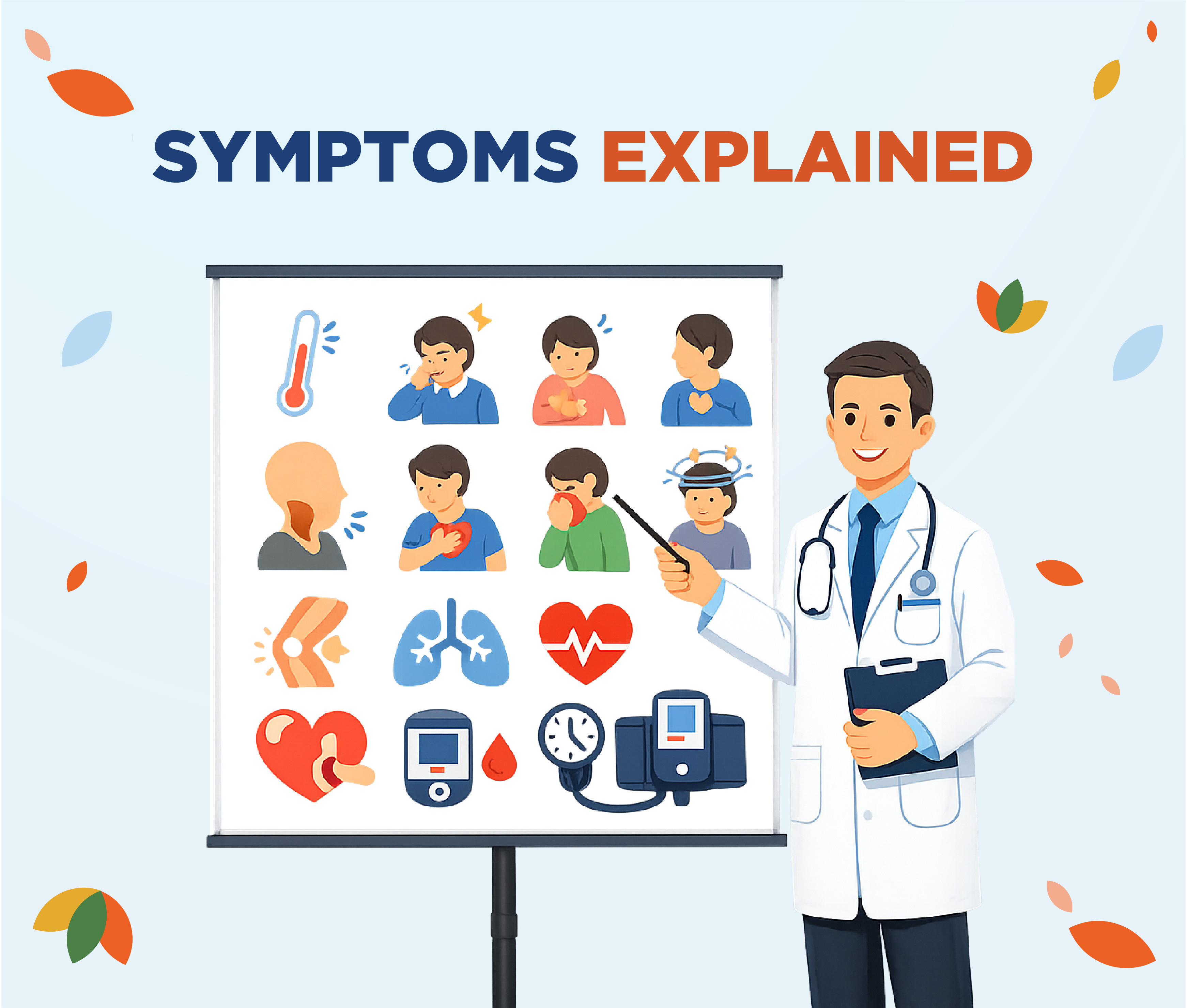
Symptoms of Vitamin B12 Deficiency Symptoms can be subtle yet impactful, often leading to serious health issues if left unaddressed. Understanding the Symptoms of Vitamin B12 Deficiency is crucial for maintaining overall well-being and preventing long-term complications.
Top 20 Symptoms of Vitamin B12 Deficiency Symptoms
- Fatigue and weakness, often leading to decreased energy levels.
- Pale or jaundiced skin due to reduced red blood cell production.
- Shortness of breath and dizziness, especially during physical activity.
- Tingling or numbness in the hands and feet, known as peripheral neuropathy.
- Difficulty walking or balance issues related to nerve damage.
- Cognitive difficulties, including memory loss and confusion.
- Changes in mood, such as depression or irritability.
- Vision problems, including blurred or disturbed vision.
- Sore or swollen tongue, often referred to as glossitis.
- Digestive issues, including diarrhea or constipation.
- Heart palpitations and increased heart rate.
- Increased susceptibility to infections due to weakened immune function.
- Skin problems, such as dry skin or hair loss.
- Symptoms of Vitamin B12 Deficiency can mimic those of other conditions, complicating diagnosis.
- Swelling and inflammation of the mouth and gums.
- Impaired wound healing and skin lesions.
- Loss of appetite and unintentional weight loss.
- Neurological symptoms, including difficulty concentrating or brain fog.
- Difficulty sleeping, leading to sleep disturbances.
- Change in taste or loss of taste sensation.
- Increased levels of homocysteine, which can affect cardiovascular health.
What is Vitamin B12 Deficiency Symptoms?
Vitamin B12 deficiency can lead to a range of symptoms that may vary in severity. Common symptoms of Vitamin B12 deficiency include fatigue, weakness, and anemia, which occur due to the vitamin's crucial role in red blood cell formation. Neurological issues may also arise, such as tingling or numbness in the hands and feet, difficulty walking, and cognitive disturbances like memory loss or confusion. Additionally, individuals may experience mood changes, including depression or irritability. Recognizing these symptoms is essential, as untreated deficiency can result in irreversible damage to the nervous system and other serious health complications.
How Common is Vitamin B12 Deficiency Symptoms
- Vitamin B12 deficiency is relatively common, especially in older adults.
- Approximately 6% of adults aged 60 and older are estimated to have vitamin B12 deficiency.
- Vegetarians and vegans are at higher risk due to the absence of animal products in their diets.
- Malabsorption conditions, such as celiac disease or Crohn's disease, can lead to vitamin B12 deficiency.
- Symptoms of deficiency can include fatigue, weakness, and anemia.
- Nerve-related symptoms, such as tingling and numbness, may also occur in severe cases.
- Vitamin B12 deficiency can contribute to cognitive issues like memory loss and confusion.
- Some studies suggest that up to 20% of the elderly population may have suboptimal vitamin B12 levels.
- Regular screening is recommended for individuals at risk, particularly those over 50.
- Addressing vitamin B12 deficiency can lead to significant improvement in symptoms and overall health.
What are the Causes and Risk Factors of Vitamin B12 Deficiency Symptoms?
| Factor / Cause | Description |
|---|---|
| Pernicious Anemia | An autoimmune condition that affects the stomach lining, preventing the absorption of vitamin B12. |
| Gastrointestinal Disorders | Conditions such as Crohn's disease or celiac disease that impair nutrient absorption in the intestines. |
| Dietary Deficiency | Insufficient intake of vitamin B12, particularly in vegetarians and vegans who do not consume animal products. |
| Age | Older adults often have decreased stomach acid production, which affects B12 absorption. |
| Medications | Certain medications, such as proton pump inhibitors and metformin, can interfere with B12 absorption. |
| Alcoholism | Excessive alcohol consumption can damage the stomach lining and interfere with nutrient absorption. |
| Genetic Disorders | Inherited conditions that affect the metabolism of vitamin B12 can lead to deficiency. |
| Malabsorption Syndromes | Conditions that hinder the body's ability to absorb nutrients from food, leading to deficiencies. |
| Surgery | Weight-loss surgery or surgeries that remove part of the stomach or intestines can reduce B12 absorption. |
| Chronic Illnesses | Chronic conditions such as kidney disease or certain cancers can affect the body's ability to utilize vitamin B12. |
What are the Signs and Symptoms of Vitamin B12 Deficiency Symptoms?
Vitamin B12 deficiency can manifest through a variety of signs and symptoms that may significantly impact overall health. Common symptoms of Vitamin B12 deficiency include fatigue, weakness, and pale skin, often resulting from anemia. Neurological changes, such as tingling or numbness in the hands and feet, can also occur. Additionally, individuals may experience cognitive disturbances, including memory loss and difficulty concentrating. Mood changes, including depression and irritability, are also associated with this deficiency. Recognizing these symptoms early is crucial, as prolonged deficiency can lead to serious complications, making awareness essential for timely intervention.
Early-Stage Symptoms of Vitamin B12 Deficiency Symptoms
Early-stage symptoms of vitamin B12 deficiency can be subtle yet significant. Individuals may experience fatigue, weakness, and a sense of lethargy, which can easily be mistaken for general tiredness. Additionally, some may notice mood changes, including depression or irritability, as the deficiency affects neurological function. Another common symptom is pale or jaundiced skin, which occurs due to the impact on red blood cell production. Neurological symptoms, such as tingling or numbness in the hands and feet, can also arise. Recognizing these symptoms of vitamin B12 deficiency early is crucial for prompt intervention and prevention of more severe complications.
Advanced Symptoms of Vitamin B12 Deficiency Symptoms
Advanced symptoms of vitamin B12 deficiency can significantly impact an individual's overall health and quality of life. As the deficiency progresses, symptoms of vitamin B12 deficiency may include severe neurological issues such as numbness, tingling in the hands and feet, and difficulty walking. Cognitive disturbances, including memory loss, confusion, and mood changes, may also arise. Additionally, individuals may experience anemia, leading to fatigue, weakness, and pale skin. If left untreated, these advanced symptoms can result in irreversible nerve damage, highlighting the importance of early detection and appropriate supplementation to maintain optimal health.
Symptoms of Vitamin B12 Deficiency Symptoms in Male
Vitamin B12 deficiency can manifest in various symptoms in males, often leading to significant health issues if left untreated. Common symptoms of Vitamin B12 deficiency include fatigue, weakness, and pale skin, which may result from reduced red blood cell production. Additionally, males may experience neurological symptoms such as numbness, tingling in the hands and feet, and difficulty walking. Cognitive changes, including memory problems and mood swings, can also occur. Recognizing these symptoms early is crucial for timely intervention and treatment, ensuring overall health and well-being.
Symptoms of Vitamin B12 Deficiency Symptoms in Female
Vitamin B12 deficiency can manifest differently in females, often leading to a range of symptoms. Common symptoms of Vitamin B12 deficiency include fatigue, weakness, and pale skin, which may be mistaken for other health issues. Additionally, women may experience neurological symptoms such as numbness, tingling, and difficulty walking. Cognitive changes, including memory loss and mood disturbances, are also associated with this deficiency. In some cases, gastrointestinal symptoms like nausea and diarrhea may occur. Recognizing these symptoms is crucial for early intervention, as untreated B12 deficiency can lead to more severe health complications.
How is Vitamin B12 Deficiency Symptoms Diagnosed?
- Medical history review to identify risk factors, such as dietary habits and gastrointestinal issues.
- Physical examination to assess signs of deficiency, such as pale skin or neurological changes.
- Complete blood count (CBC) to check for anemia and other blood abnormalities.
- Serum vitamin B12 level test to measure the amount of vitamin B12 in the blood.
- Methylmalonic acid (MMA) test to evaluate levels that may indicate B12 deficiency.
- Homocysteine test, as elevated levels can suggest a deficiency in B12 or folate.
- Reticulocyte count to determine if the bone marrow is producing red blood cells adequately.
- Bone marrow biopsy, in rare cases, to examine the production of blood cells.
- Neurological assessments to evaluate any nerve damage or cognitive impairment.
- Additional tests, such as intrinsic factor antibodies, to diagnose pernicious anemia if suspected.
What are the Reversal Strategies for Vitamin B12 Deficiency Symptoms?
Reversal strategies for Vitamin B12 deficiency symptoms involve a multifaceted approach tailored to individual needs. Common symptoms of Vitamin B12 deficiency include fatigue, weakness, and neurological issues. To address these symptoms effectively, individuals can increase dietary intake of B12-rich foods, such as meat, fish, eggs, and fortified cereals. In cases where dietary changes are insufficient, healthcare providers may recommend B12 supplements or injections. Regular monitoring of B12 levels is crucial to assess the effectiveness of these strategies. Additionally, addressing underlying causes, such as absorption issues, can further enhance recovery and prevent recurrence of symptoms.
FAQs on Vitamin B12 Deficiency Symptoms
What are the early symptoms of Vitamin B12 deficiency?
Early symptoms of Vitamin B12 deficiency may include fatigue, weakness, and pale skin. Some individuals might also experience slight memory loss or mood changes, which can be subtle but indicative of the deficiency.
How does Vitamin B12 deficiency affect mental health?
Vitamin B12 deficiency can lead to cognitive decline, memory issues, and even mood disorders such as depression and anxiety. This is due to its vital role in nerve function and neurotransmitter synthesis.
Can Vitamin B12 deficiency cause physical symptoms?
Yes, physical symptoms of Vitamin B12 deficiency may include numbness or tingling in the hands and feet, muscle weakness, and balance problems. These symptoms arise from nerve damage due to inadequate B12 levels.
What are the long-term effects of untreated Vitamin B12 deficiency?
Untreated Vitamin B12 deficiency can lead to serious complications, including irreversible nerve damage, anemia, and loss of mobility. Long-term deficiency may also increase the risk of neurological disorders.
How can I recognize severe Vitamin B12 deficiency symptoms?
Severe Vitamin B12 deficiency may manifest as pronounced neurological symptoms, such as severe memory loss, confusion, difficulty walking, or even psychosis. Immediate medical attention is crucial to prevent lasting damage.
Disclaimer: The information provided about Vitamin B12 Deficiency Symptoms is intended for general educational and informational purposes only. It should not be considered medical advice or used as a substitute for consultation with a qualified healthcare professional. Symptoms may differ from person to person and can be linked to a variety of medical conditions. This content is not intended for self-diagnosis or treatment. If you notice ongoing, severe, or unusual symptoms related to Vitamin B12 Deficiency, it is important to seek guidance from a licensed medical professional for proper diagnosis and care.