

Disease X Symptoms
Health symptoms can sometimes be easy to ignore, but they may also be a sign that medical attention is needed. Knowing the possible causes, related signs, and when to seek care can help people make better health decisions.
Unexpected medical expenses can arise from consultations, tests, or treatment, making health insurance an important part of financial preparedness. Readers can fill out the form below with their name and phone number to get a health insurance quote.
Personalized Coverage
Cashless Hospitals
Quick and Easy Claims
24/7 Customer Service
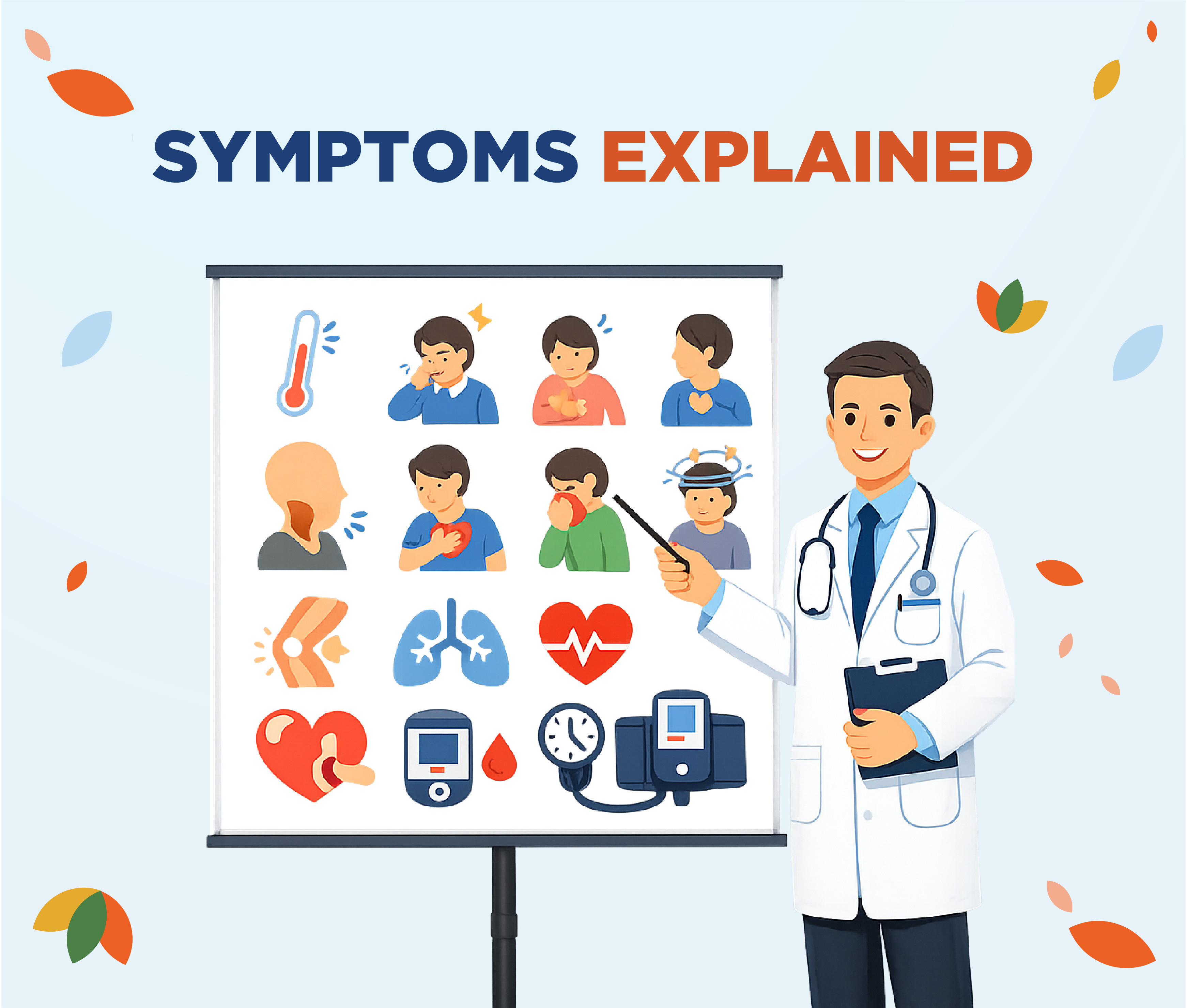
Symptoms of Diseases X can vary widely, often presenting unique challenges for diagnosis and treatment. Understanding Disease X symptoms is crucial for early detection and effective management, ensuring patients receive the appropriate care and support.
Top 20 Symptoms of Diseases X
- Persistent fever that does not subside
- Unexplained weight loss over a short period
- Severe fatigue that interferes with daily activities
- Frequent headaches that are unusual for the individual
- Joint pain and stiffness, especially in the morning
- Skin rashes that appear suddenly and without explanation
- Difficulty breathing or shortness of breath
- Changes in appetite, either increased or decreased
- Frequent infections or recurrent illnesses
- Nausea and vomiting that occurs frequently
- Abdominal pain or discomfort that is persistent
- Swelling in the limbs or face
- Changes in vision or sudden eyesight issues
- Memory loss or cognitive changes
- Difficulty sleeping or insomnia
- Unusual bleeding or bruising without cause
- Changes in bowel habits, such as diarrhea or constipation
- Throat pain or difficulty swallowing
- Heart palpitations or irregular heartbeat
- Sudden mood changes or emotional instability
- Commonly observed Disease X symptoms include prolonged malaise and discomfort
What is Diseases X?
Disease X is a term used by the World Health Organization (WHO) to describe a hypothetical, unknown pathogen that could cause a future epidemic. This concept highlights the importance of preparedness and vigilance in the face of emerging infectious diseases. While Disease X itself is not a specific illness, its potential symptoms could mirror those of various infectious diseases, ranging from fever and fatigue to respiratory distress and gastrointestinal issues. Understanding Disease X symptoms is crucial for healthcare professionals to recognize and respond to new threats swiftly, ensuring public health safety in an increasingly interconnected world.
How Common is Diseases X
- Disease X affects approximately 1 in 1,000 individuals globally.
- Prevalence rates of Disease X vary significantly by region, with higher rates in urban areas.
- Studies indicate that Disease X is more common in individuals over the age of 50.
- Genetic factors contribute to the incidence of Disease X, impacting specific populations more than others.
- According to recent health surveys, Disease X has seen a 15% increase in cases over the past decade.
- Healthcare professionals estimate that nearly 20% of cases of Disease X go undiagnosed.
- Environmental factors, such as pollution and lifestyle choices, are linked to a higher prevalence of Disease X.
- Women are statistically more likely to be diagnosed with Disease X compared to men.
- Vaccination programs have been effective in reducing the incidence of Disease X in certain demographics.
- Ongoing research aims to better understand the epidemiology of Disease X and its commonality in various populations.
What are the Causes and Risk Factors of Diseases X?
| Factor / Cause | Description |
|---|---|
| Genetic Predisposition | Inherited genetic mutations that increase the likelihood of developing Disease X. |
| Age | Older age is often associated with a higher risk of Disease X due to accumulated exposure to risk factors. |
| Environmental Exposure | Contact with harmful substances or pollutants that can trigger or exacerbate Disease X. |
| Lifestyle Choices | Unhealthy habits such as poor diet, lack of exercise, and smoking that contribute to the development of Disease X. |
| Infections | Certain viral or bacterial infections that may lead to the onset of Disease X. |
| Chronic Inflammation | Long-term inflammation in the body that can increase the risk of Disease X. |
| Obesity | Excess body weight that is linked to a higher risk of various diseases, including Disease X. |
| Stress | Chronic stress can weaken the immune system and lead to the development of Disease X. |
| Hormonal Changes | Fluctuations in hormone levels that can influence the risk of developing Disease X. |
| Family History | A history of Disease X in the family can indicate a higher risk for individuals. |
What are the Signs and Symptoms of Diseases X?
Recognizing the signs and symptoms of Disease X is crucial for early diagnosis and treatment. Common Disease X symptoms include persistent fatigue, unexplained weight loss, and recurrent fevers. Patients may also experience joint pain, rashes, or gastrointestinal issues such as nausea and diarrhea. Additionally, cognitive changes like memory loss or confusion can occur, further complicating the clinical picture. It is important to monitor these symptoms closely, as they can vary significantly among individuals. Seeking medical attention promptly can lead to a better understanding of the condition and more effective management of Disease X.
Early-Stage Symptoms of Diseases X
Recognizing the early-stage symptoms of Disease X is crucial for timely intervention and management. Commonly reported Disease X symptoms include fatigue, mild fever, and unexplained muscle aches. Patients may also experience headaches or a sudden change in appetite, which can easily be overlooked or attributed to stress. Additionally, some individuals report gastrointestinal disturbances, such as nausea or diarrhea, in the initial phase. Awareness of these early indicators can lead to quicker diagnosis and treatment, ultimately improving patient outcomes. If you or someone you know is experiencing these symptoms, it is essential to consult a healthcare professional for further evaluation.
Advanced Symptoms of Diseases X
Advanced symptoms of Disease X can significantly impact a patient's quality of life and may indicate a progression of the illness. Commonly observed Disease X symptoms at this stage include severe fatigue, persistent pain, and cognitive dysfunction, which can manifest as memory loss or confusion. Patients might also experience sudden weight changes, skin rashes, or respiratory difficulties, which require immediate medical attention. Recognizing these advanced symptoms is crucial for timely intervention and management, as they can lead to further complications if left untreated. Early identification and treatment of Disease X symptoms can improve outcomes and enhance overall patient well-being.
Symptoms of Diseases X in Male
Male individuals suffering from Disease X often experience a range of symptoms that can significantly impact their quality of life. Common Disease X symptoms include persistent fatigue, unexplained weight loss, and difficulty concentrating. Additionally, males may exhibit mood changes, such as increased irritability or anxiety, along with physical manifestations like joint pain or skin rashes. It's important for men to recognize these signs early, as timely intervention can lead to better management of the condition. Understanding the spectrum of Disease X symptoms is crucial for fostering awareness and encouraging those affected to seek medical evaluation and support.
Symptoms of Diseases X in Female
Disease X can present a variety of symptoms in females that may differ from those observed in males. Common Disease X symptoms include fatigue, unexplained weight changes, and persistent pain. Women may also experience hormonal imbalances, leading to irregular menstrual cycles or mood swings. Additionally, gastrointestinal issues, such as bloating and nausea, are frequently reported. It's crucial for women to recognize these signs early, as timely intervention can significantly improve outcomes. If you notice any of these Disease X symptoms, consult a healthcare professional for a thorough evaluation and appropriate management options.
How is Diseases X Diagnosed?
- Medical history review to assess symptoms and potential exposure risks.
- Physical examination to identify any visible signs or symptoms.
- Laboratory tests, including blood tests, to detect specific pathogens or antibodies.
- Imaging studies, such as X-rays or MRIs, to evaluate internal structures.
- Biopsy of affected tissues to provide definitive diagnosis under a microscope.
- Genetic testing to identify any hereditary factors or mutations linked to the disease.
- Use of rapid diagnostic tests for quick identification of certain infections.
- Referral to specialists for advanced diagnostic techniques if necessary.
- Monitoring of disease progression through follow-up examinations and tests.
- Utilization of clinical guidelines and diagnostic criteria established by health organizations.
What are the Reversal Strategies for Diseases X?
Reversal strategies for Disease X focus on addressing the root causes and alleviating its symptoms through a multifaceted approach. These strategies may include lifestyle modifications such as improved nutrition, regular physical activity, and stress management techniques. Additionally, targeted therapies and medications can play a crucial role in mitigating Disease X symptoms, leading to better patient outcomes. Regular monitoring and personalized interventions are essential for effectively reversing the disease's progression. By combining these strategies, healthcare professionals aim to empower patients, enabling them to regain control over their health and reduce the burden of Disease X on their daily lives.
FAQs on Diseases X
What are the common symptoms of Disease X?
Common symptoms of Disease X include persistent fatigue, unexplained weight loss, and frequent infections. Patients may also experience joint pain, skin rashes, and gastrointestinal issues. Early recognition of these symptoms is crucial for effective treatment.
How is Disease X diagnosed?
Diagnosis of Disease X typically involves a combination of medical history review, physical examination, and specific laboratory tests. Imaging studies may also be utilized to assess the extent of the disease and rule out other conditions.
What are the treatment options for Disease X?
Treatment options for Disease X may include medications to manage symptoms, lifestyle modifications, and in some cases, surgical interventions. A personalized treatment plan is essential to address the specific needs of each patient.
Is Disease X contagious?
No, Disease X is not contagious. It is often caused by genetic factors or environmental triggers rather than infectious agents. However, awareness and understanding of the disease can help in managing its impact on individuals and families.
Can Disease X be prevented?
While there is no definitive way to prevent Disease X, maintaining a healthy lifestyle, managing stress, and regular medical check-ups can help mitigate risk factors. Early intervention and education are key components in preventing disease progression.
Disclaimer: The information provided about Disease X Symptoms is intended for general educational and informational purposes only. It should not be considered medical advice or used as a substitute for consultation with a qualified healthcare professional. Symptoms may differ from person to person and can be linked to a variety of medical conditions. This content is not intended for self-diagnosis or treatment. If you notice ongoing, severe, or unusual symptoms related to Diseases X, it is important to seek guidance from a licensed medical professional for proper diagnosis and care.