

High Estrogen in Men Symptoms
Health symptoms can sometimes be easy to ignore, but they may also be a sign that medical attention is needed. Knowing the possible causes, related signs, and when to seek care can help people make better health decisions.
Unexpected medical expenses can arise from consultations, tests, or treatment, making health insurance an important part of financial preparedness. Readers can fill out the form below with their name and phone number to get a health insurance quote.
Personalized Coverage
Cashless Hospitals
Quick and Easy Claims
24/7 Customer Service
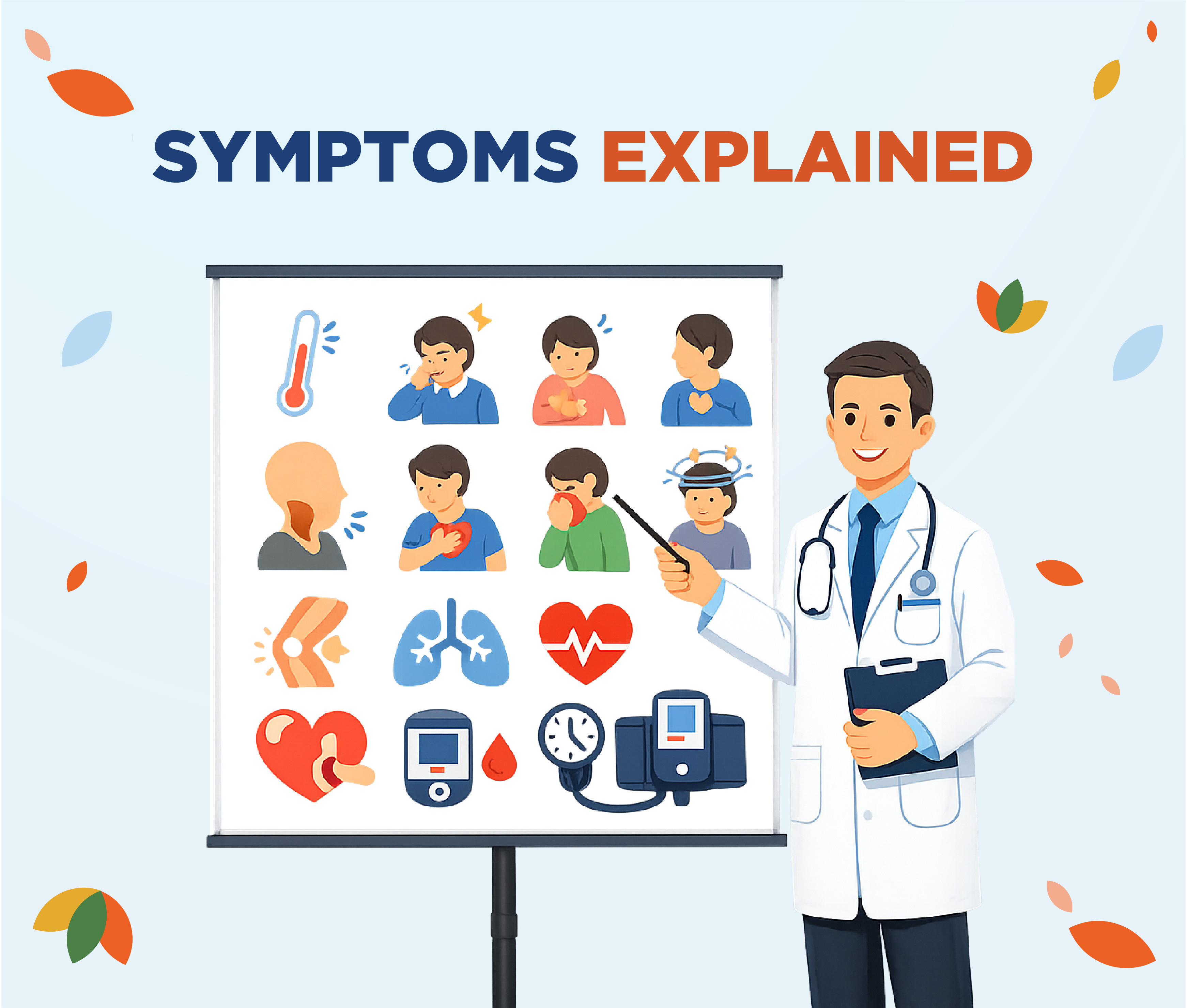
Symptoms of High Estrogen in Men can significantly impact overall health, leading to various physical and emotional changes. Recognizing High Estrogen in Men Symptoms is crucial for timely diagnosis and effective management of this hormonal imbalance.
Top 20 Symptoms of High Estrogen in Men
- Increased body fat, particularly around the abdomen and hips.
- Gynecomastia, or the enlargement of breast tissue.
- Reduced libido or sexual desire.
- Difficulty achieving or maintaining an erection.
- Fatigue or decreased energy levels.
- Depression or mood swings.
- Increased anxiety or irritability.
- Hot flashes or night sweats.
- Decreased muscle mass or strength.
- Changes in hair distribution, such as thinning hair or increased facial hair.
- Reduced sperm count or fertility issues.
- Skin changes, including increased acne or oily skin.
- Bone density loss, potentially leading to osteoporosis.
- High estrogen in men symptoms may include swollen feet or ankles.
- Increased risk of cardiovascular issues, such as high blood pressure.
- Difficulty concentrating or memory problems.
- Changes in appetite or weight gain.
- Frequent headaches or migraines.
- Excessive sweating or changes in body odor.
- Joint pain or stiffness.
- Digestive issues, such as bloating or constipation.
What is High Estrogen in Men?
High estrogen in men refers to an elevated level of the hormone estrogen in the male body, which can disrupt the natural hormonal balance. This condition may arise from various factors, including obesity, liver disease, or certain medications. Symptoms of high estrogen in men can include gynecomastia (breast tissue enlargement), reduced libido, infertility, and mood swings. Additionally, men may experience fatigue and decreased muscle mass. It is essential for those experiencing these high estrogen in men symptoms to consult a healthcare professional for proper diagnosis and management, ensuring hormonal levels are balanced for overall health and well-being.
How Common is High Estrogen in Men
- High estrogen levels in men, also known as hyperestrogenism, are relatively uncommon but can occur under specific circumstances.
- Estrogen is primarily considered a female hormone, but men do produce it in smaller amounts; abnormalities in this balance can lead to high levels.
- Factors contributing to elevated estrogen in men include obesity, liver dysfunction, and certain medications.
- Estrogen levels can also be affected by aging, as testosterone levels decrease and estrogen levels may rise.
- High estrogen levels can lead to symptoms such as gynecomastia, erectile dysfunction, and mood changes.
- Conditions like Klinefelter syndrome can lead to higher estrogen levels in affected men.
- Regular monitoring of hormone levels is important for men undergoing testosterone replacement therapy, as this can influence estrogen levels.
- Increased estrogen levels are often linked to certain cancers, such as prostate cancer, making monitoring critical.
- Overall, while high estrogen is not common in men, it is essential to understand the potential causes and implications.
- Consulting with a healthcare provider is crucial if symptoms of high estrogen are present to determine the underlying causes and appropriate treatment.
What are the Causes and Risk Factors of High Estrogen in Men?
| Factor / Cause | Description |
|---|---|
| Obesity | Excess body fat can lead to higher estrogen production as adipose tissue converts testosterone to estrogen. |
| Age | As men age, testosterone levels decline, which can lead to relatively higher estrogen levels. |
| Alcohol Consumption | Heavy drinking can impair liver function, reducing the body's ability to metabolize estrogen. |
| Medications | Certain medications, such as those for prostate cancer or anti-androgens, can elevate estrogen levels. |
| Endocrine Disruptors | Chemicals found in plastics and personal care products can mimic estrogen and disrupt hormonal balance. |
| Testicular Disorders | Conditions affecting the testes can impact testosterone production, leading to an increase in estrogen levels. |
| Hyperthyroidism | An overactive thyroid can alter hormone levels, including increasing estrogen levels in men. |
| Stress | Chronic stress can lead to hormonal imbalances, which may increase estrogen production. |
| Genetics | Some individuals may have a genetic predisposition that affects estrogen metabolism and levels. |
| Diet | A diet high in certain phytoestrogens, such as soy products, can contribute to elevated estrogen levels. |
What are the Signs and Symptoms of High Estrogen in Men?
High estrogen in men can lead to a variety of signs and symptoms that can affect both physical and emotional health. Common symptoms include gynecomastia, or the development of breast tissue, which can cause discomfort and self-consciousness. Men may also experience decreased libido, erectile dysfunction, and infertility. Additionally, mood changes, such as increased irritability or anxiety, are prevalent. Other physical signs include weight gain, particularly around the abdomen, and fatigue. Recognizing these high estrogen in men symptoms is crucial for seeking appropriate medical evaluation and treatment, as they can significantly impact overall quality of life.
Early-Stage Symptoms of High Estrogen in Men
High estrogen levels in men can lead to a variety of early-stage symptoms that are often overlooked. Common signs include fatigue, mood swings, and decreased libido, which may signal an imbalance in hormone levels. Additionally, men might experience gynecomastia, characterized by the enlargement of breast tissue, and increased body fat. These high estrogen in men symptoms can also manifest as reduced muscle mass and difficulty in concentrating. Recognizing these early indicators is crucial for addressing hormonal imbalances and seeking appropriate medical advice to restore overall health and well-being.
Advanced Symptoms of High Estrogen in Men
Advanced symptoms of high estrogen in men can significantly impact both physical and psychological well-being. Men experiencing high estrogen levels may face issues such as gynecomastia, or enlarged breast tissue, along with decreased libido and erectile dysfunction. Psychological effects can include mood swings, increased anxiety, and depression. Additionally, men may experience fatigue and reduced muscle mass, which can hinder physical performance. Recognizing these high estrogen in men symptoms is crucial for seeking appropriate medical advice, as they can indicate hormonal imbalances that may require treatment to restore overall health and hormonal equilibrium.
Symptoms of High Estrogen in Men in Male
High estrogen in men can lead to a variety of symptoms that may significantly affect their health and well-being. Common symptoms of high estrogen in men include weight gain, particularly around the abdomen, reduced libido, and erectile dysfunction. Men may also experience mood swings, fatigue, and gynecomastia, which is the enlargement of breast tissue. Additionally, high levels of estrogen can result in decreased muscle mass and increased body fat. Recognizing high estrogen in men symptoms is crucial, as it may indicate underlying health issues that require medical attention and lifestyle modifications for improvement.
Symptoms of High Estrogen in Men in Female
High estrogen levels in men can lead to a variety of symptoms that may also impact females indirectly, particularly in relationships. Common High Estrogen in Men Symptoms include mood swings, fatigue, and weight gain, which may affect the emotional well-being of those around them. Additionally, increased estrogen can lead to decreased libido and erectile dysfunction, creating challenges in intimate relationships. Women may notice changes in their partner's behavior, such as irritability or anxiety, which can stem from hormonal imbalances. Understanding these symptoms is crucial for addressing the underlying issues and fostering better communication in relationships.
How is High Estrogen in Men Diagnosed?
- Review of medical history to identify symptoms and risk factors.
- Physical examination to assess signs of high estrogen, such as gynecomastia.
- Blood tests to measure estrogen levels, including estradiol and total estrogen.
- Tests to evaluate testosterone levels, as imbalances often coexist.
- Assessment of liver function, as liver issues can affect hormone metabolism.
- Thyroid function tests to rule out thyroid disorders that may influence estrogen levels.
- Screening for tumors or other conditions that may produce estrogen, such as adrenal tumors.
- Analysis of body composition to check for increased fat, which can contribute to higher estrogen levels.
- Ultrasound or imaging studies to evaluate for any abnormalities in the reproductive organs.
- Consultation with an endocrinologist for specialized hormone assessment and management.
What are the Reversal Strategies for High Estrogen in Men?
Reversal strategies for high estrogen in men focus on lifestyle changes and medical interventions to alleviate symptoms associated with this hormonal imbalance. Common high estrogen in men symptoms include fatigue, weight gain, and decreased libido. To counteract these effects, men can adopt a healthier diet rich in phytoestrogens and fiber, engage in regular exercise, and manage stress through mindfulness techniques. Additionally, consulting a healthcare professional can help identify underlying causes and explore treatment options such as aromatase inhibitors. By actively addressing high estrogen levels, men can improve their overall well-being and restore hormonal balance.
FAQs on High Estrogen in Men
What causes high estrogen levels in men?
High estrogen levels in men can result from various factors, including obesity, certain medications, liver disease, and hormonal imbalances. Lifestyle choices, such as excessive alcohol consumption and lack of exercise, may also contribute.
What are the symptoms of high estrogen in men?
Symptoms of high estrogen in men may include weight gain, fatigue, decreased libido, erectile dysfunction, gynecomastia (enlarged breast tissue), and mood changes. These symptoms can significantly affect overall health and quality of life.
How is high estrogen diagnosed in men?
High estrogen levels in men are typically diagnosed through blood tests that measure hormone levels. A healthcare provider may also evaluate symptoms and medical history to determine the underlying cause of the hormonal imbalance.
What are the treatment options for high estrogen in men?
Treatment for high estrogen in men may include lifestyle changes, medication to block estrogen production, or addressing underlying health conditions. In some cases, hormone therapy might be recommended to restore balance.
Can high estrogen levels affect fertility in men?
Yes, high estrogen levels can negatively impact male fertility by disrupting the hormonal balance necessary for sperm production. This can lead to decreased sperm count and motility, affecting the ability to conceive.
Disclaimer: The information provided about High Estrogen in Men Symptoms is intended for general educational and informational purposes only. It should not be considered medical advice or used as a substitute for consultation with a qualified healthcare professional. Symptoms may differ from person to person and can be linked to a variety of medical conditions. This content is not intended for self-diagnosis or treatment. If you notice ongoing, severe, or unusual symptoms related to High Estrogen in Men, it is important to seek guidance from a licensed medical professional for proper diagnosis and care.