

Hormonal Imbalance Symptoms
Health symptoms can sometimes be easy to ignore, but they may also be a sign that medical attention is needed. Knowing the possible causes, related signs, and when to seek care can help people make better health decisions.
Unexpected medical expenses can arise from consultations, tests, or treatment, making health insurance an important part of financial preparedness. Readers can fill out the form below with their name and phone number to get a health insurance quote.
Personalized Coverage
Cashless Hospitals
Quick and Easy Claims
24/7 Customer Service
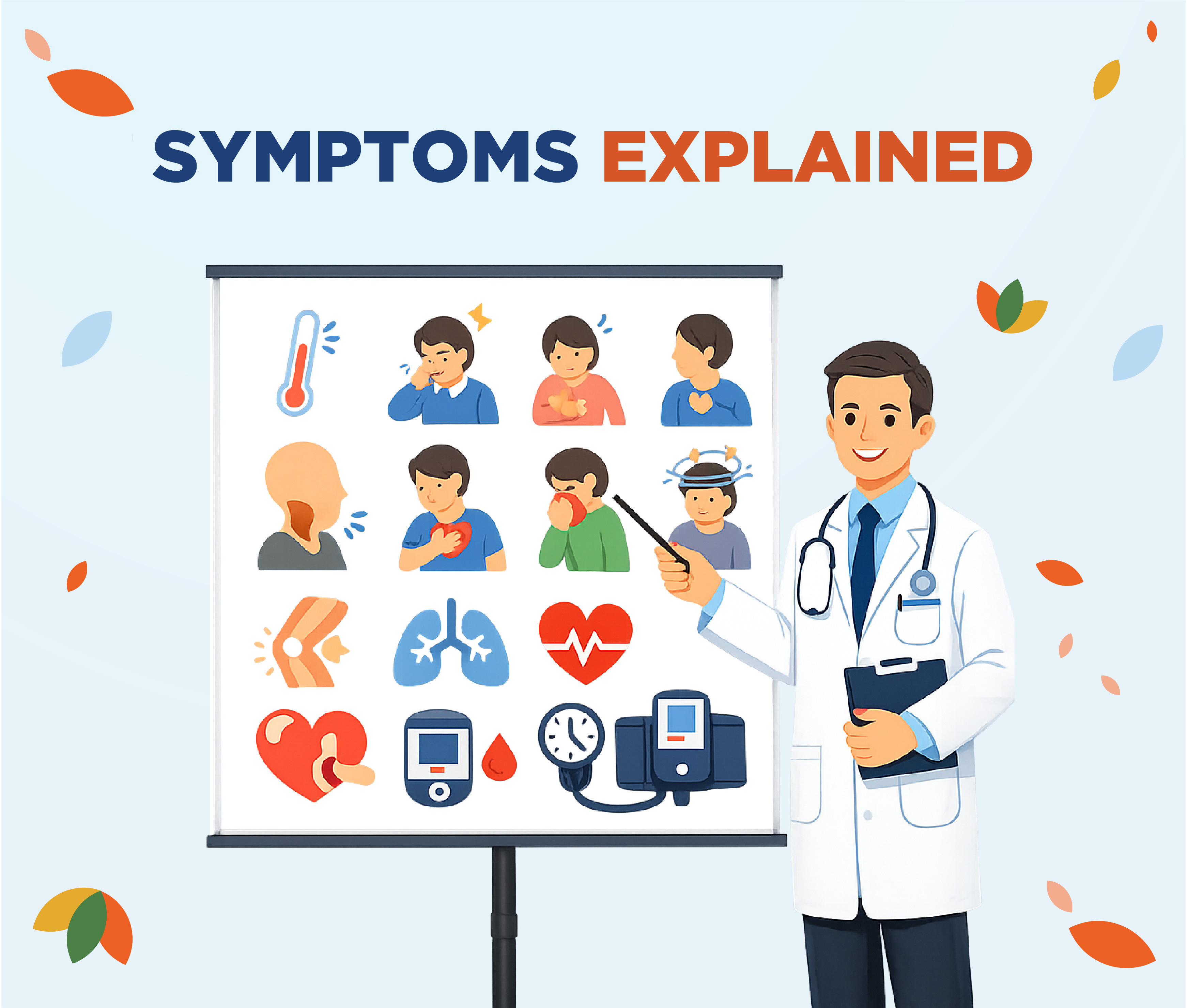
Symptoms of Hormonal Imbalance can significantly affect your overall well-being and quality of life. Recognizing these Hormonal Imbalance Symptoms is crucial for early diagnosis and effective management of underlying health issues.
Top 20 Symptoms of Hormonal Imbalance
- Irregular menstrual cycles in women
- Unexplained weight gain or loss
- Fatigue and low energy levels
- Acne and skin changes
- Sleep disturbances, including insomnia
- Mood swings and irritability
- Decreased libido or sexual dysfunction
- Hot flashes and night sweats
- Hair loss or thinning
- Joint pain or stiffness
- Frequent headaches or migraines
- Digestive issues, such as bloating
- Increased cravings for sugar or carbohydrates
- Memory fog or difficulty concentrating
- Changes in appetite or eating habits
- Increased sensitivity to temperature
- Hormonal imbalance symptoms may also include skin tags or dark patches
- Breast tenderness or changes in breast tissue
- Changes in body odor or perspiration
- Thyroid dysfunction symptoms, such as swelling in the neck
- Difficulty in building muscle mass
What is Hormonal Imbalance?
Hormonal imbalance refers to a condition where there is an abnormal level of hormones in the body, which can disrupt various bodily functions. Hormones are crucial for regulating processes such as metabolism, mood, and reproductive health. When these levels fluctuate, individuals may experience a range of hormonal imbalance symptoms, including weight gain, fatigue, mood swings, and irregular periods. Factors contributing to hormonal imbalances can include stress, diet, lifestyle choices, and underlying medical conditions. Early recognition and management of hormonal imbalances are essential to restore hormonal levels and improve overall health and well-being.
How Common is Hormonal Imbalance
- Hormonal imbalances are quite common, affecting millions of people worldwide.
- Approximately 1 in 10 women of reproductive age may experience hormonal imbalances, often related to conditions like polycystic ovary syndrome (PCOS).
- Men can also experience hormonal imbalances, particularly with testosterone levels, which can affect up to 30% of older men.
- Thyroid disorders, which commonly lead to hormonal imbalances, affect around 20 million Americans.
- Conditions such as menopause can lead to significant hormonal changes, impacting nearly all women in their late 40s to early 50s.
- Stress is a major factor that can trigger hormonal imbalances in both genders, making it a widespread issue.
- Obesity is linked to hormonal imbalances, with studies indicating that over 70% of obese individuals may have hormonal disruptions.
- Hormonal imbalances can also be seen in adolescents, particularly during puberty, affecting both boys and girls.
- Certain medications, including hormonal contraceptives, can lead to temporary hormonal imbalances in users.
- Due to the variety of causes, the prevalence of hormonal imbalances can differ significantly based on age, gender, and lifestyle factors.
What are the Causes and Risk Factors of Hormonal Imbalance?
| Factor / Cause | Description |
|---|---|
| Stress | Chronic stress can lead to increased cortisol levels, disrupting hormonal balance. |
| Poor Diet | A diet high in processed foods and sugar can negatively affect hormone production and regulation. |
| Obesity | Excess body fat can lead to hormonal changes, particularly in insulin and estrogen levels. |
| Age | As individuals age, hormonal levels fluctuate, particularly during puberty and menopause. |
| Medical Conditions | Certain conditions like polycystic ovary syndrome (PCOS) and thyroid disorders can cause hormonal imbalances. |
| Sleep Disorders | Inadequate sleep can lead to disruptions in hormone regulation, particularly those related to stress and metabolism. |
| Environmental Toxins | Exposure to endocrine disruptors, such as certain chemicals in plastics, can interfere with hormone function. |
| Medications | Some medications, including hormonal contraceptives and steroids, can cause hormonal imbalances. |
| Lack of Exercise | A sedentary lifestyle can lead to weight gain and hormonal disturbances, particularly in insulin sensitivity. |
| Genetics | Inherited traits can predispose individuals to hormonal imbalances, affecting conditions like thyroid function. |
What are the Signs and Symptoms of Hormonal Imbalance?
Hormonal imbalance can manifest through various signs and symptoms that affect both physical and emotional well-being. Common hormonal imbalance symptoms include irregular menstrual cycles, fatigue, weight gain or loss, and mood swings. Individuals may also experience sleep disturbances, acne, or hair loss. In some cases, hormonal changes can lead to increased sensitivity or changes in libido. These symptoms often indicate underlying issues such as thyroid dysfunction or polycystic ovary syndrome (PCOS). Recognizing these signs early is crucial for effective management and treatment, helping individuals regain balance and improve their quality of life.
Early-Stage Symptoms of Hormonal Imbalance
Early-stage symptoms of hormonal imbalance can manifest in various ways, often affecting both physical and emotional well-being. Individuals may experience irregular menstrual cycles, unexplained weight gain, fatigue, and mood swings. Other hormonal imbalance symptoms may include sleep disturbances, increased acne, or changes in libido. These signs can stem from factors such as stress, diet, or underlying health issues. Recognizing these early indicators is crucial for seeking timely medical advice, as addressing hormonal imbalances can significantly improve overall health and quality of life.
Advanced Symptoms of Hormonal Imbalance
Advanced symptoms of hormonal imbalance can significantly affect one's quality of life. Individuals may experience severe mood swings, chronic fatigue, and weight fluctuations that are difficult to manage. Additionally, hormonal imbalance symptoms can manifest as irregular menstrual cycles, sleep disturbances, and decreased libido. Physical changes such as thinning hair, skin issues, and increased sensitivity to temperature may also occur. It's important to recognize these advanced symptoms, as they can indicate underlying hormonal disorders that require medical attention. Early intervention can help restore balance and improve overall health, making it essential to consult a healthcare professional when experiencing these symptoms.
Symptoms of Hormonal Imbalance in Male
Hormonal imbalance symptoms in males can manifest in various ways, significantly affecting their overall health and well-being. Common signs include unexplained weight gain or loss, fatigue, mood swings, and decreased libido. Additionally, men may experience difficulty concentrating, insomnia, or changes in muscle mass. Low testosterone levels can lead to increased body fat and reduced energy levels, while elevated estrogen may cause emotional disturbances. It is essential for men experiencing these symptoms to consult a healthcare professional for a thorough evaluation, as timely intervention can help restore hormonal balance and improve quality of life.
Symptoms of Hormonal Imbalance in Female
Hormonal imbalance symptoms in females can manifest in various ways, significantly impacting overall health and well-being. Common signs include irregular menstrual cycles, severe mood swings, and unexplained weight changes. Additionally, some women may experience fatigue, sleep disturbances, and changes in libido. Skin issues such as acne or dryness can also arise, along with hair thinning or excessive hair growth in unwanted areas. These symptoms can stem from conditions like polycystic ovary syndrome (PCOS), thyroid disorders, or menopause. Recognizing these hormonal imbalance symptoms early is crucial for seeking appropriate treatment and restoring balance to the body.
How is Hormonal Imbalance Diagnosed?
- Comprehensive medical history review to identify symptoms and risk factors.
- Physical examination to assess signs of hormonal imbalance, such as weight changes or skin conditions.
- Blood tests to measure hormone levels, including estrogen, testosterone, progesterone, and thyroid hormones.
- Saliva tests to evaluate hormone levels for conditions like adrenal fatigue.
- Urine tests to monitor hormone metabolites and assess endocrine function.
- Imaging studies, such as ultrasounds or MRIs, to identify structural abnormalities in glands.
- Symptom diaries to track hormonal fluctuations and correlate with symptoms over time.
- Pelvic exams for women to assess reproductive health and any potential abnormalities.
- Endocrinologist consultation for specialized evaluation and diagnosis of complex cases.
- Assessment of lifestyle factors, including diet, stress, and exercise, that may impact hormonal balance.
What are the Reversal Strategies for Hormonal Imbalance?
Reversal strategies for hormonal imbalance focus on restoring the body's endocrine function through various methods. Lifestyle changes, such as adopting a balanced diet rich in essential nutrients, regular exercise, and adequate sleep, can significantly alleviate hormonal imbalance symptoms. Additionally, stress management techniques, including mindfulness and yoga, play a crucial role in stabilizing hormone levels. Natural supplements, like omega-3 fatty acids and vitamins, may also support hormonal health. In some cases, medical interventions, such as hormone replacement therapy, can be considered under a healthcare provider's guidance. A holistic approach often yields the best results in managing and reversing hormonal imbalances.
FAQs on Hormonal Imbalance
What is hormonal imbalance?
Hormonal imbalance refers to an abnormal level of hormones in the body, which can lead to various health issues. It may result from stress, diet, medical conditions, or lifestyle factors, affecting mood, weight, and reproductive health.
What are the common symptoms of hormonal imbalance?
Common symptoms include irregular menstrual cycles, weight gain or loss, fatigue, mood swings, and sleep disturbances. Other signs can include acne, hair loss, and changes in libido, varying between individuals based on the hormones involved.
How is hormonal imbalance diagnosed?
Diagnosis typically involves a comprehensive assessment, including a physical exam, medical history, and blood tests to measure hormone levels. Doctors may also consider symptoms and other diagnostic tests to determine the underlying cause.
What are the treatment options for hormonal imbalance?
Treatment options may include lifestyle changes, such as diet and exercise, hormone replacement therapy, and medications to address specific symptoms. Natural therapies, such as herbal supplements, may also be considered after consulting a healthcare provider.
Can hormonal imbalance affect fertility?
Yes, hormonal imbalance can significantly impact fertility in both men and women. Irregular ovulation, low sperm production, and other hormonal disruptions can hinder the ability to conceive, necessitating medical evaluation and intervention.
Disclaimer: The information provided about Hormonal Imbalance Symptoms is intended for general educational and informational purposes only. It should not be considered medical advice or used as a substitute for consultation with a qualified healthcare professional. Symptoms may differ from person to person and can be linked to a variety of medical conditions. This content is not intended for self-diagnosis or treatment. If you notice ongoing, severe, or unusual symptoms related to Hormonal Imbalance, it is important to seek guidance from a licensed medical professional for proper diagnosis and care.