

Sudden Shortness of Breath Symptoms
Health symptoms can sometimes be easy to ignore, but they may also be a sign that medical attention is needed. Knowing the possible causes, related signs, and when to seek care can help people make better health decisions.
Unexpected medical expenses can arise from consultations, tests, or treatment, making health insurance an important part of financial preparedness. Readers can fill out the form below with their name and phone number to get a health insurance quote.
Personalized Coverage
Cashless Hospitals
Quick and Easy Claims
24/7 Customer Service
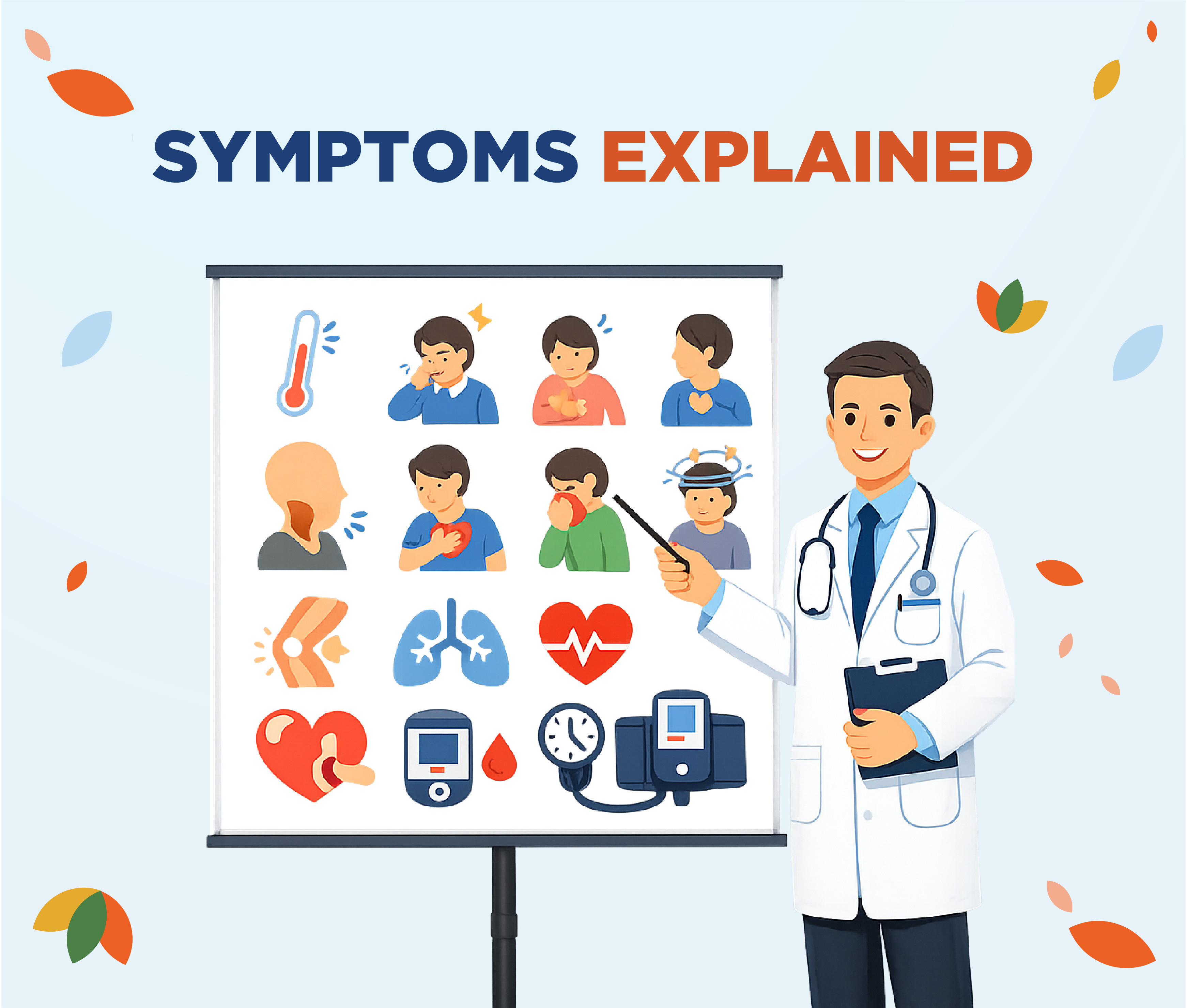
Symptoms of Sudden Shortness of Breath Symptoms can arise unexpectedly and may indicate underlying health issues. Recognizing the Symptoms of Sudden Shortness of Breath is crucial for timely medical intervention and effective treatment.
Top 20 Symptoms of Sudden Shortness of Breath Symptoms
- Feeling a tightness in the chest.
- Increased respiratory rate.
- Wheezing or a whistling sound while breathing.
- Rapid heart rate or palpitations.
- Fatigue or exhaustion with minimal exertion.
- Lightheadedness or dizziness.
- Difficulty speaking in full sentences.
- Feeling anxious or panicked.
- Skin that appears pale or bluish in color.
- Chest pain or discomfort.
- Swelling in the legs or ankles.
- Symptoms of Sudden Shortness of Breath may vary in intensity.
- Persistent cough or coughing up blood.
- Temperature changes, like fever or chills.
- Excessive sweating without physical exertion.
- Difficulty lying flat due to breathing issues.
- Feeling faint or weak.
- Gurgling or rattling sounds when breathing.
- Inability to take a deep breath.
- Feeling a sense of impending doom.
- Symptoms that worsen with physical activity.
What is Sudden Shortness of Breath Symptoms?
Sudden shortness of breath, or dyspnea, is a condition characterized by an unexpected feeling of breathlessness that can be alarming. This symptom can arise from various causes, including respiratory infections, asthma exacerbations, or even heart issues. Individuals may experience difficulty in breathing, a tight sensation in the chest, or a sense of suffocation. Recognizing the symptoms of sudden shortness of breath is crucial, as it can indicate a serious medical condition requiring immediate attention. If someone experiences this symptom suddenly and severely, seeking emergency medical help is essential to ensure proper diagnosis and treatment.
How Common is Sudden Shortness of Breath Symptoms
- Sudden shortness of breath can occur in various populations, making it a common symptom.
- It may affect individuals with pre-existing respiratory conditions, such as asthma or COPD.
- Acute episodes of shortness of breath are frequently reported in patients with heart disease.
- Physical exertion or intense exercise can lead to sudden shortness of breath in otherwise healthy individuals.
- Environmental factors, such as high altitude or poor air quality, can trigger this symptom.
- Anxiety and panic attacks are common psychological causes of sudden shortness of breath.
- Infections like pneumonia or bronchitis can result in acute shortness of breath, particularly in older adults.
- Sudden shortness of breath can also be a sign of a pulmonary embolism, which is a medical emergency.
- Certain medications, especially sedatives or narcotics, may contribute to episodes of shortness of breath.
- Overall, while common, the occurrence of sudden shortness of breath should always be evaluated by a healthcare professional.
What are the Causes and Risk Factors of Sudden Shortness of Breath Symptoms?
| Factor / Cause | Description |
|---|---|
| Asthma | A chronic condition that causes inflammation and narrowing of the airways, leading to difficulty breathing. |
| Pneumonia | An infection that inflames the air sacs in one or both lungs, which may fill with fluid or pus, causing shortness of breath. |
| Chronic Obstructive Pulmonary Disease (COPD) | A progressive lung disease that makes it hard to breathe due to long-term damage to the lungs. |
| Heart Failure | A condition in which the heart is unable to pump sufficiently to maintain blood flow to meet the body's needs, resulting in fluid buildup in the lungs. |
| Pulmonary Embolism | A blockage in one of the pulmonary arteries in the lungs, usually caused by blood clots that travel to the lungs from the legs. |
| Anxiety or Panic Attacks | Intense episodes of fear or anxiety that can lead to hyperventilation and a feeling of shortness of breath. |
| Allergic Reactions | Severe allergic reactions can lead to swelling of the airways, causing difficulty in breathing. |
| Obesity | Excess weight can put pressure on the lungs and diaphragm, making it more difficult to breathe. |
| Infections | Various infections, including viral infections, can affect the respiratory system and lead to shortness of breath. |
| Environmental Factors | Exposure to pollutants, allergens, or irritants in the environment can exacerbate breathing difficulties. |
What are the Signs and Symptoms of Sudden Shortness of Breath Symptoms?
Sudden shortness of breath can manifest through various signs and symptoms that may indicate an underlying medical condition. Patients often experience a feeling of tightness in the chest, rapid breathing, or an inability to catch their breath. Accompanying symptoms of sudden shortness of breath may include wheezing, coughing, or a bluish tint to the lips and face, known as cyanosis. In some cases, individuals may also feel lightheaded or dizzy. It is crucial to seek immediate medical attention if these symptoms occur, as they can signal serious health issues such as asthma, pulmonary embolism, or heart problems.
Early-Stage Symptoms of Sudden Shortness of Breath Symptoms
Early-stage symptoms of sudden shortness of breath can manifest unexpectedly and may vary in intensity. Common indicators include a feeling of tightness in the chest, rapid or shallow breathing, and an increased heart rate. Individuals may also experience wheezing or coughing as the body struggles to obtain adequate oxygen. These symptoms of sudden shortness of breath can be alarming and may accompany other issues such as anxiety or fatigue. It's essential to recognize these signs early and seek medical attention, as they can indicate underlying health concerns that require prompt evaluation and treatment.
Advanced Symptoms of Sudden Shortness of Breath Symptoms
Advanced symptoms of sudden shortness of breath can indicate a serious underlying condition that requires immediate medical attention. In addition to the primary symptom of difficulty breathing, individuals may experience rapid heart rate, chest pain, or a feeling of suffocation. Other alarming signs include bluish skin, particularly around the lips and fingertips, and extreme fatigue or confusion. These symptoms of sudden shortness of breath can be associated with various issues, such as pulmonary embolism, heart attack, or severe asthma attacks. Recognizing these advanced symptoms is crucial for timely intervention and effective treatment.
Symptoms of Sudden Shortness of Breath Symptoms in Male
Sudden shortness of breath in males can manifest through various alarming symptoms. These may include a rapid or shallow breathing pattern, chest tightness, or a sensation of suffocation. Men might also experience associated symptoms such as fatigue, dizziness, or confusion, which can indicate a more serious underlying condition. Other signs to watch for include a persistent cough, wheezing, or even blue-tinged lips and fingers. Recognizing the symptoms of sudden shortness of breath is crucial, as they may signal respiratory issues, heart problems, or panic attacks that require immediate medical attention. Prompt evaluation can be vital for effective treatment.
Symptoms of Sudden Shortness of Breath Symptoms in Female
Sudden shortness of breath in females can manifest through various symptoms, which may vary in intensity and duration. Common indications include an unexpected feeling of tightness in the chest, rapid breathing, and an inability to catch one's breath. Additionally, women might experience fatigue, dizziness, or anxiety accompanying these symptoms. In some cases, this condition can be linked to underlying health issues such as asthma, heart problems, or pulmonary disorders. Recognizing the symptoms of sudden shortness of breath is crucial, as prompt medical attention may be necessary to address any serious underlying causes and ensure proper treatment.
How is Sudden Shortness of Breath Symptoms Diagnosed?
- Patient history and physical examination to assess severity and duration of symptoms.
- Pulse oximetry to measure blood oxygen levels and determine hypoxia.
- Chest X-ray to identify any structural abnormalities, infections, or fluid buildup.
- Electrocardiogram (ECG) to evaluate heart function and rule out cardiac causes.
- Blood tests, including complete blood count and D-dimer, to check for underlying conditions.
- Pulmonary function tests to assess lung capacity and airflow obstruction.
- CT scan of the chest for detailed imaging to diagnose pulmonary embolism or other issues.
- Exercise testing to evaluate respiratory response under physical stress.
- Bronchoscopy for direct visualization of the airways and collection of samples if needed.
- Referral to a specialist, such as a pulmonologist or cardiologist, for further evaluation if necessary.
What are the Reversal Strategies for Sudden Shortness of Breath Symptoms?
Reversal strategies for symptoms of sudden shortness of breath focus on immediate interventions and lifestyle adjustments. When experiencing these symptoms, it's crucial to remain calm and adopt a comfortable position, such as sitting upright, which can facilitate easier breathing. Deep breathing exercises may help in regaining control over breath patterns. Additionally, avoiding triggers like allergens or irritants is essential. For chronic conditions, medications prescribed by healthcare professionals may be necessary to manage symptoms effectively. Regular physical activity and maintaining a healthy weight also play significant roles in reducing the frequency and severity of episodes, promoting overall respiratory health.
FAQs on Sudden Shortness of Breath Symptoms
What are the common causes of sudden shortness of breath?
Sudden shortness of breath can be caused by various factors, including asthma attacks, panic attacks, pulmonary embolism, heart failure, and severe allergic reactions. Its essential to seek medical attention for a proper diagnosis.
How can I differentiate between shortness of breath and a panic attack?
Shortness of breath from a panic attack is often accompanied by feelings of anxiety, rapid heartbeat, and dizziness. In contrast, medical conditions may include chest pain or persistent symptoms that require immediate evaluation.
When should I seek medical help for sudden shortness of breath?
If you experience sudden shortness of breath along with chest pain, blue lips or fingers, or if it worsens over time, seek emergency medical help immediately. These could be signs of a serious condition.
Can allergies cause sudden shortness of breath?
Yes, allergies can trigger sudden shortness of breath, especially in individuals with asthma or allergic reactions to substances like pollen, dust, or animal dander. Antihistamines or bronchodilators may help, but consult a doctor.
What are some home remedies for mild shortness of breath?
If mild, you can try deep breathing exercises, staying calm, or using a fan to help with airflow. However, its crucial to consult a healthcare provider for persistent or severe symptoms.
Disclaimer: The information provided about Sudden Shortness of Breath Symptoms is intended for general educational and informational purposes only. It should not be considered medical advice or used as a substitute for consultation with a qualified healthcare professional. Symptoms may differ from person to person and can be linked to a variety of medical conditions. This content is not intended for self-diagnosis or treatment. If you notice ongoing, severe, or unusual symptoms related to Sudden Shortness of Breath, it is important to seek guidance from a licensed medical professional for proper diagnosis and care.