

Vitamin D Deficiency Symptoms
Health symptoms can sometimes be easy to ignore, but they may also be a sign that medical attention is needed. Knowing the possible causes, related signs, and when to seek care can help people make better health decisions.
Unexpected medical expenses can arise from consultations, tests, or treatment, making health insurance an important part of financial preparedness. Readers can fill out the form below with their name and phone number to get a health insurance quote.
Personalized Coverage
Cashless Hospitals
Quick and Easy Claims
24/7 Customer Service
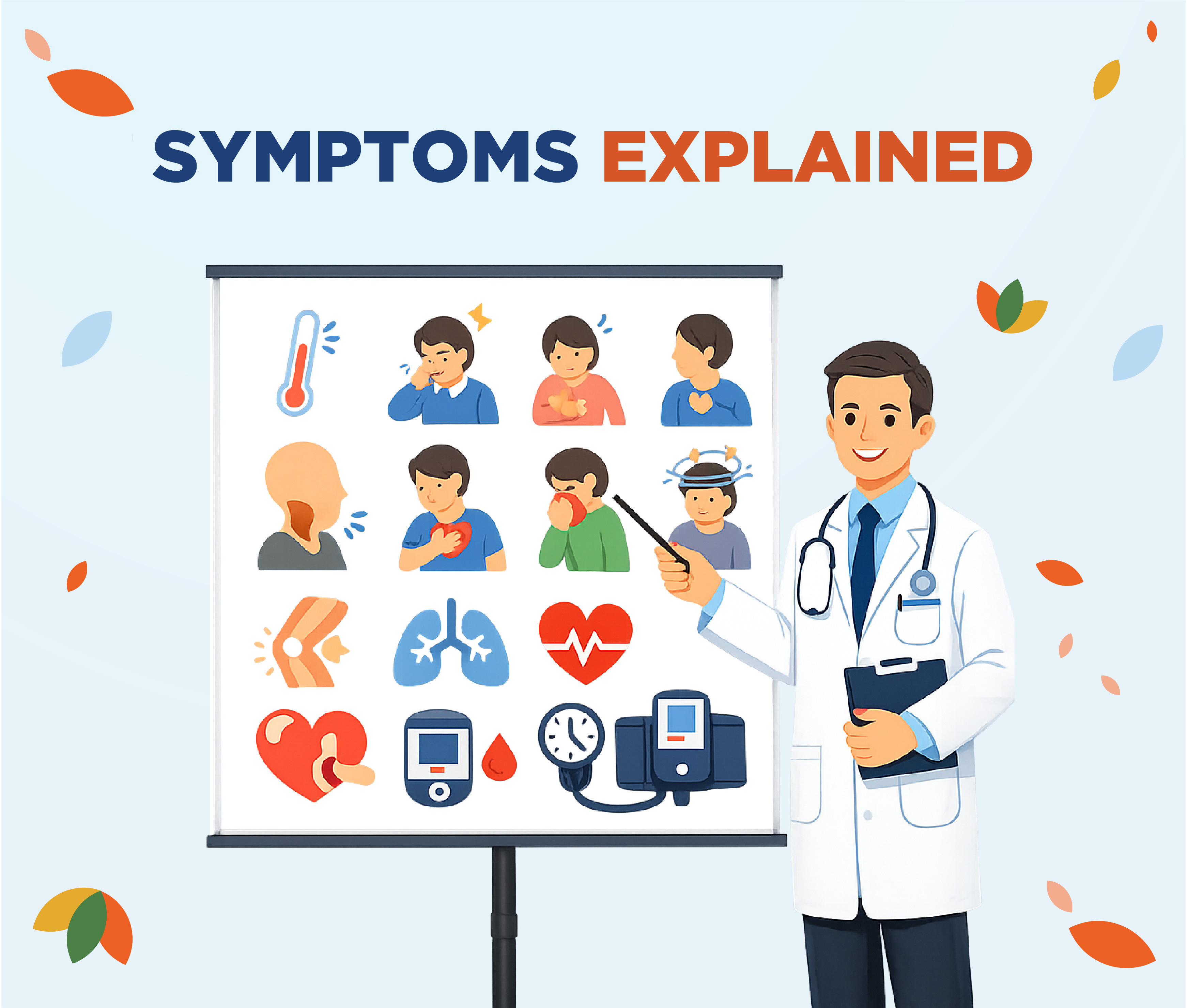
Symptoms of Vitamin D Deficiency Symptoms can vary widely, leading to issues such as fatigue, bone pain, and mood changes. Understanding the Symptoms of Vitamin D Deficiency is essential for maintaining optimal health and well-being.
Top 20 Symptoms of Vitamin D Deficiency Symptoms
- Fatigue and tiredness
- Bone pain and weakness
- Muscle weakness and aches
- Increased risk of fractures
- Depression or mood swings
- Frequent infections or illness
- Slow wound healing
- Hair loss or thinning hair
- Dental problems, including gum disease
- Weight gain or inability to lose weight
- Chronic fatigue syndrome
- Joint pain and inflammation
- Symptoms of Vitamin D Deficiency can include skin problems
- Impaired wound healing
- Difficulty concentrating or brain fog
- Increased muscle pain or cramps
- Changes in mood, such as anxiety
- Reduced endurance during physical activities
- High blood pressure
- Increased risk of chronic diseases
- Development of rickets in children
What is Vitamin D Deficiency Symptoms?
Vitamin D deficiency can lead to a variety of health issues, as this essential nutrient plays a crucial role in maintaining bone health and supporting the immune system. Common symptoms of Vitamin D deficiency include fatigue, muscle weakness, and bone pain. Individuals may also experience mood changes, including depression, and an increased susceptibility to infections. In children, a deficiency can result in rickets, characterized by weakened bones and skeletal deformities. Recognizing the symptoms of Vitamin D deficiency is vital for timely intervention and treatment, ensuring overall health and well-being are maintained.
How Common is Vitamin D Deficiency Symptoms
- Vitamin D deficiency is a global health issue affecting millions of people.
- Approximately 1 billion people worldwide are estimated to have insufficient levels of vitamin D.
- Symptoms of vitamin D deficiency can vary widely among individuals.
- Common symptoms include fatigue, muscle weakness, and bone pain.
- In severe cases, vitamin D deficiency can lead to osteomalacia in adults and rickets in children.
- People living in northern latitudes are at higher risk due to less sunlight exposure.
- Individuals with darker skin pigmentation may also be more susceptible to deficiency.
- Vitamin D deficiency is more prevalent in older adults due to decreased skin synthesis.
- Obesity can affect vitamin D metabolism, leading to higher deficiency rates.
- Routine screening for vitamin D levels is recommended for high-risk populations.
What are the Causes and Risk Factors of Vitamin D Deficiency Symptoms?
| Factor / Cause | Description |
|---|---|
| Lack of Sunlight Exposure | Insufficient time spent outdoors can lead to lower vitamin D production in the skin. |
| Age | Older adults have a reduced ability to synthesize vitamin D from sunlight. |
| Skin Color | Individuals with darker skin have more melanin, which can inhibit vitamin D synthesis. |
| Obesity | Excess body fat can sequester vitamin D, making it less available to the body. |
| Dietary Intake | Low consumption of vitamin D-rich foods, such as fatty fish and fortified products, can contribute to deficiency. |
| Malabsorption Disorders | Conditions like celiac disease or Crohn's disease can impair the absorption of vitamin D in the intestine. |
| Chronic Kidney Disease | The kidneys play a crucial role in converting vitamin D to its active form, and impairment can lead to deficiency. |
| Medications | Certain medications, such as anticonvulsants, can interfere with vitamin D metabolism. |
| Geographic Location | Living in northern latitudes with less sunlight can increase the risk of deficiency. |
| Seasonal Changes | During winter months, reduced sunlight exposure can lead to lower vitamin D levels. |
What are the Signs and Symptoms of Vitamin D Deficiency Symptoms?
Vitamin D deficiency can lead to a range of signs and symptoms that may often be overlooked. Common symptoms of Vitamin D deficiency include fatigue, muscle weakness, and bone pain, as well as mood changes such as depression. Individuals may also experience frequent infections due to the impaired immune response associated with low vitamin D levels. In children, deficiency can lead to rickets, characterized by soft and weak bones. Adults may suffer from osteomalacia, resulting in bone fragility. Recognizing the symptoms of Vitamin D deficiency is crucial for timely intervention and maintaining overall health.
Early-Stage Symptoms of Vitamin D Deficiency Symptoms
Early-stage symptoms of vitamin D deficiency can often be subtle and easily overlooked. Individuals may experience fatigue, muscle weakness, and a general sense of malaise. Additionally, mood changes, such as increased feelings of sadness or irritability, can occur as the body struggles to maintain adequate vitamin D levels. Bone pain and a higher susceptibility to infections are also common early signs. Recognizing these initial symptoms of vitamin D deficiency is crucial, as they can progress to more severe health issues if left unaddressed. Maintaining optimal vitamin D levels through sunlight exposure, diet, or supplementation is essential for overall well-being.
Advanced Symptoms of Vitamin D Deficiency Symptoms
Advanced symptoms of vitamin D deficiency can manifest in various ways, significantly impacting overall health. Individuals may experience severe fatigue, muscle weakness, and bone pain, which can lead to an increased risk of fractures. Additionally, symptoms of vitamin D deficiency may include mood changes, such as depression or anxiety, as well as cognitive impairments. In children, prolonged deficiency can result in rickets, characterized by weak and soft bones. Adults may also face complications like osteoporosis and cardiovascular issues. Recognizing these advanced symptoms is crucial for timely intervention and management of vitamin D levels.
Symptoms of Vitamin D Deficiency Symptoms in Male
Vitamin D deficiency can manifest in various symptoms in males, significantly affecting their overall health. Common symptoms of vitamin D deficiency include fatigue, muscle weakness, and bone pain, which can lead to decreased physical performance. Males may also experience mood changes, such as depression or anxiety, due to the role of vitamin D in brain function. Additionally, low levels of this essential nutrient can contribute to a weakened immune system, making individuals more susceptible to infections. Recognizing these symptoms is crucial for timely diagnosis and treatment, ensuring optimal health and well-being.
Symptoms of Vitamin D Deficiency Symptoms in Female
Vitamin D deficiency in females can manifest through a variety of symptoms that may often be overlooked. Common symptoms of vitamin D deficiency include fatigue, muscle weakness, and bone pain. Additionally, women may experience mood changes, such as increased feelings of depression or anxiety. Furthermore, frequent infections and hair loss can also signal inadequate vitamin D levels. It is important for women to recognize these symptoms of vitamin D deficiency, as they can significantly impact overall health and well-being. Regular screening and appropriate supplementation can help alleviate these issues and promote better health outcomes.
How is Vitamin D Deficiency Symptoms Diagnosed?
- Clinical evaluation of patient history and symptoms.
- Physical examination to assess for signs of deficiency, such as bone pain or muscle weakness.
- Blood tests to measure serum 25-hydroxyvitamin D levels.
- Assessment of dietary intake of vitamin D through food frequency questionnaires.
- Evaluation of risk factors, including age, gender, and geographic location.
- Review of medical history for conditions that may affect vitamin D metabolism, such as liver or kidney disease.
- Use of imaging studies like X-rays to identify bone density issues or fractures.
- Testing for related conditions, such as osteoporosis or osteomalacia.
- Monitoring seasonal changes in vitamin D levels due to sun exposure variations.
- Consultation with a nutritionist for comprehensive dietary assessment and recommendations.
What are the Reversal Strategies for Vitamin D Deficiency Symptoms?
Reversal strategies for symptoms of vitamin D deficiency encompass several effective approaches to restore optimal levels of this essential nutrient. First, increasing sun exposure can significantly enhance vitamin D synthesis in the skin. Additionally, incorporating vitamin D-rich foods such as fatty fish, fortified dairy products, and egg yolks into the diet can help alleviate symptoms of vitamin D deficiency. For those with severe deficiencies, healthcare providers may recommend supplements to raise vitamin D levels efficiently. Regular monitoring of vitamin D status through blood tests is also crucial to ensure that reversal strategies are effective and to prevent future deficiencies.
FAQs on Vitamin D Deficiency Symptoms
What are the common symptoms of Vitamin D deficiency?
Common symptoms include fatigue, muscle weakness, bone pain, and mood changes. Some individuals may also experience frequent infections or delayed wound healing, as Vitamin D plays a crucial role in immune function and overall health.
How does Vitamin D deficiency affect bone health?
Vitamin D is essential for calcium absorption in the gut. A deficiency can lead to weakened bones, increasing the risk of fractures and conditions like osteomalacia in adults and rickets in children, characterized by bone malformation and pain.
Can Vitamin D deficiency cause mood changes?
Yes, Vitamin D deficiency has been linked to mood disorders, including depression and anxiety. It is thought that low levels may affect neurotransmitter function and brain health, potentially leading to emotional disturbances.
Are there any physical symptoms of Vitamin D deficiency?
Physical symptoms may include persistent fatigue, muscle pain, and joint pain. Some individuals may also experience hair loss and a general sense of malaise, which can significantly affect quality of life.
How can I tell if I have a Vitamin D deficiency?
Symptoms can be subtle, so it's best to consult a healthcare provider. They may recommend a blood test to measure your Vitamin D levels, especially if you're experiencing symptoms or have risk factors for deficiency.
Disclaimer: The information provided about Vitamin D Deficiency Symptoms is intended for general educational and informational purposes only. It should not be considered medical advice or used as a substitute for consultation with a qualified healthcare professional. Symptoms may differ from person to person and can be linked to a variety of medical conditions. This content is not intended for self-diagnosis or treatment. If you notice ongoing, severe, or unusual symptoms related to Vitamin D Deficiency, it is important to seek guidance from a licensed medical professional for proper diagnosis and care.